
Myrcidris epicharis
- Sci. Name
- Myrcidris epicharis
- Tribe
- Pseudomyrmecini
- Subfamily
- Pseudomyrmecinae
- Author
- Ward, 1990
- Distribution
- Found in 1 countries
Introduction
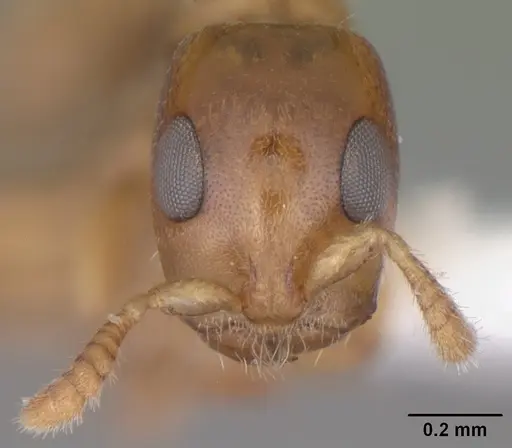
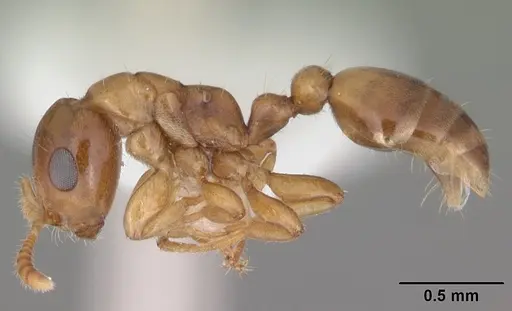
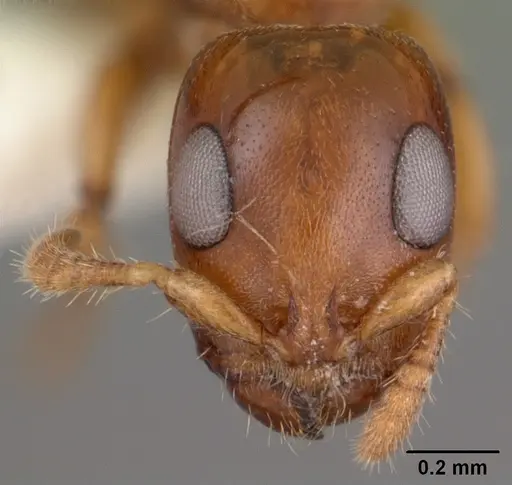
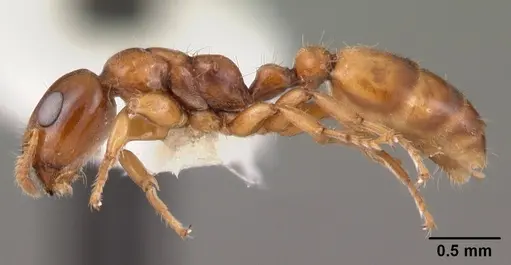
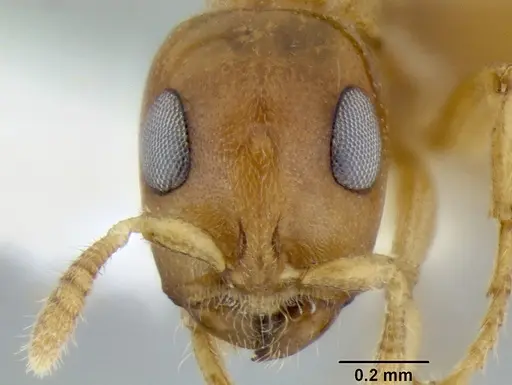
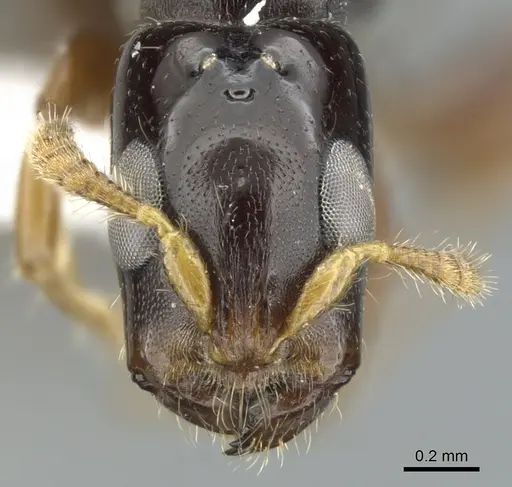
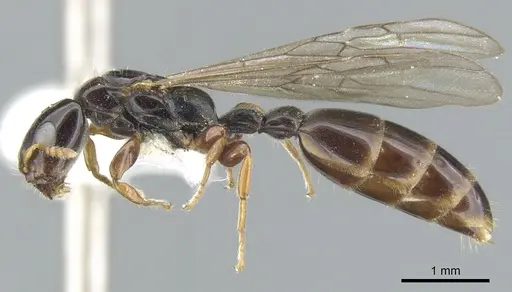
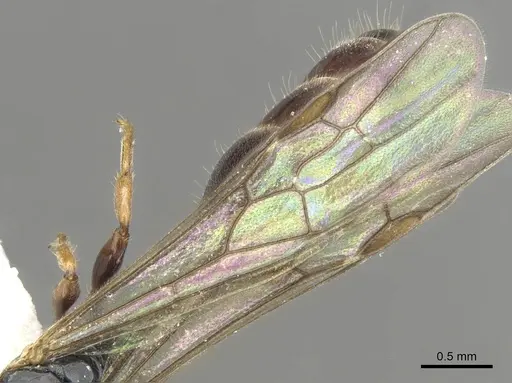
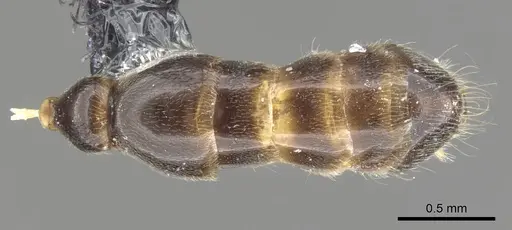
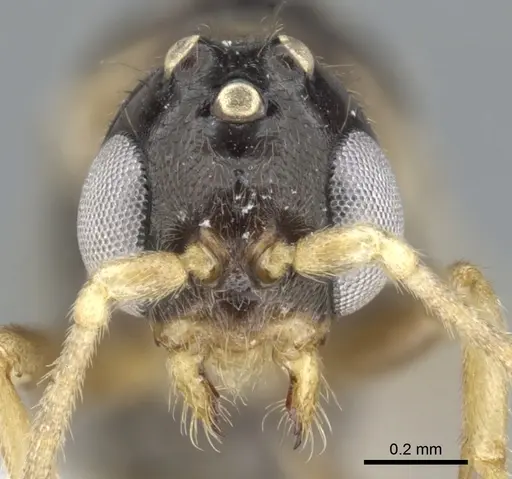
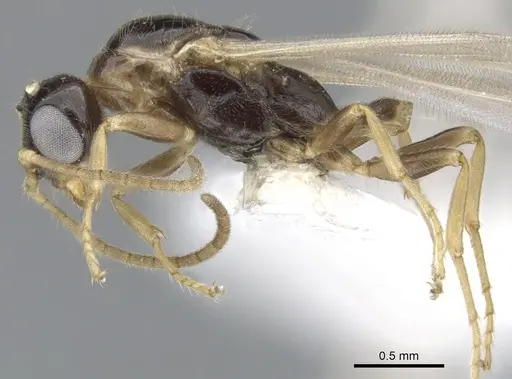
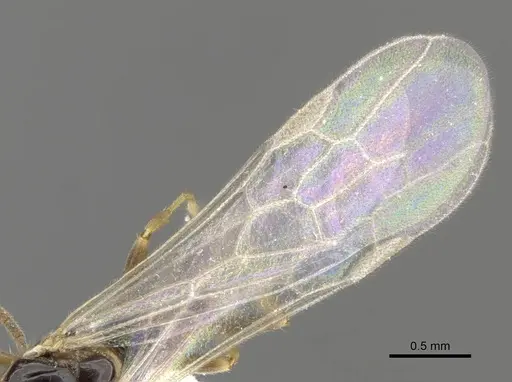
Myrcidris epicharis is a small ant species that lives exclusively inside the swollen stems of Myrcia plants in the Amazon rainforest. It is known from limited locations in Brazil, including near Manaus in Amazonas state and the Juruena River region in Mato Grosso . This species has an extremely intimate relationship with its host plant, tending scale insects for honeydew and providing some defense to the plant .
Quick Summary
- Difficulty: Expert
- Origin & Habitat: Amazon rainforest in Amazonas and Mato Grosso, Brazil, living in swollen terminal stems of Myrcia sp. (Myrtaceae) trees. Climate is tropical humid with average temperature 24°C, humidity 85%, and annual rainfall 2,300 mm [1][2][3].
- Colony Type: Unconfirmed, but likely single-queen colonies based on typical Pseudomyrmecinae patterns. Colonies are observed in multiple host plants, with over 50 individual Myrcia plants hosting colonies [1].
- Size & Growth:
- Queen: Size data unavailable, no total length measurements provided in research context
- Worker: Size data unavailable, no total length measurements provided in research context
- Colony: Unknown, no specific colony size data available
- Growth: Unknown, no data on growth rate
- Development: Unknown, no development data available for this species (No direct studies on development, estimates would require further research)
- Antkeeping:
- Temperature: Keep warm and stable, around 24°C based on habitat data, with a gentle gradient if possible [2].
- Humidity: Keep the nest substrate consistently moist but not waterlogged, as this species lives in humid rainforest environments [3][2].
- Diapause: No, this is a tropical species that does not require winter diapause [2].
- Nesting: Critical challenge: in nature, they live inside hollow swollen stems of Myrcia plants. In captivity, providing live or artificial Myrcia stems or a very small setup scaled to their size is necessary, but this has never been attempted [3][4].
- Behavior: These ants are shy and non-aggressive, spending most time inside host plant stems. They have a painful sting but rarely use it, relying on the protected plant environment [3]. Escape prevention is critical due to their tiny size, they can squeeze through small gaps.
- Common Issues: this species is extremely difficult to obtain and has never been documented in the antkeeping hobby, the specialized host plant relationship makes captive maintenance nearly impossible without Myrcia plants, tiny size means escape prevention must be excellent, standard formicarium gaps may allow escape, no captive breeding history exists, all attempts would be experimental, wild-caught colonies may fail to adapt to artificial housing and may decline rapidly
The Myrmecophyte Relationship
Myrcidris epicharis has an extremely specialized relationship with its host plant, Myrcia sp. The ants live inside swollen stems (domatia) and tend scale insects for honeydew, providing some defense to the plant [3][4]. This dependency means that keeping this species would require maintaining live Myrcia plants or an artificial equivalent, which has never been done in antkeeping [1].
Distribution and Habitat
Myrcidris epicharis is known from only a few locations in the Brazilian Amazon, including near Manaus and the Juruena River region [1][2]. A single specimen was collected in Colombia, but this may be accidental [2]. The species inhabits lowland tropical rainforest with low light levels, warm temperatures, and high humidity [2]. It has never been recorded in forest fragments, suggesting it requires continuous primary rainforest [5].
Taxonomy and Evolution
Myrcidris epicharis is the sister group to the genus Pseudomyrmex, diverging about 40 million years ago [6][7]. The genus Myrcidris contains only two described species, making M. epicharis a relict lineage [1]. Workers have unique features like a basitarsal sulcus gland absent in Pseudomyrmex [4].
Why This Species Is Not Suitable for Most Antkeepers
Myrcidris epicharis is not suitable for captivity due to its extreme specialization. It depends entirely on a specific host plant and has no established care protocols. The species is rare in the wild and has never been kept in captivity, making it impractical for antkeepers [1][2][3].
Frequently Asked Questions
Can I keep Myrcidris epicharis in a test tube setup?
No. This species lives exclusively inside swollen stems of Myrcia plants and cannot survive in standard ant housing [3][4].
How long does it take for first workers to develop?
Unknown, no development data exists for this species [8].
Can I keep multiple queens together?
Unconfirmed, colonies appear to occupy individual host plants, suggesting single-queen colonies, but this is not documented [1].
Do Myrcidris epicharis ants sting?
Yes, they have a painful sting but are not very aggressive [3].
What do Myrcidris epicharis eat?
They feed on honeydew from scale insects inside the plant domatia [3][4].
Are Myrcidris epicharis good for beginners?
No, this species is extremely specialized and not suitable for beginners or experienced keepers [1][2].
Do Myrcidris epicharis need hibernation?
No, as a tropical species, it does not require diapause [2].
Where can I obtain Myrcidris epicharis?
You cannot, this species has never been documented in the antkeeping hobby and is among the rarest ants in the world [1][2][8].
Report an Issue
The current care sheet is based fully on literature. See inconsistencies, or something that's incorrect? Please , it will be resolved after review from an admin. Contributing to the blogs tab also helps providing information, to make us be able to further improve the caresheets. Thank you for your support!
References

This caresheet is licensed under CC BY-SA 4.0 .
Community Blogs
CASENT0010810
View on AntWeb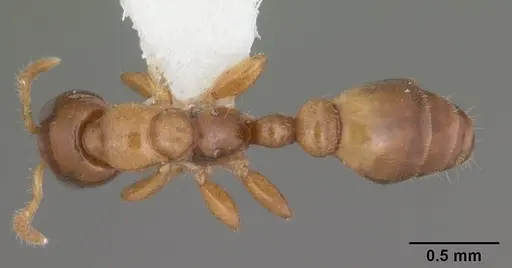
CASENT0102130
View on AntWeb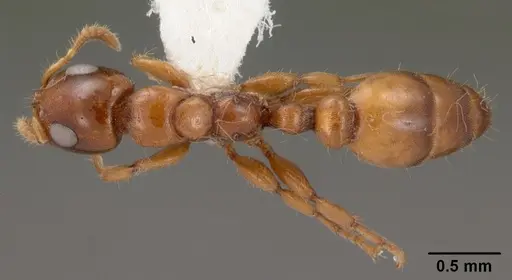
CASENT0106096
View on AntWeb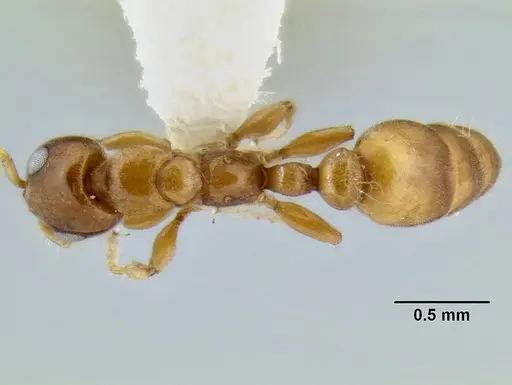
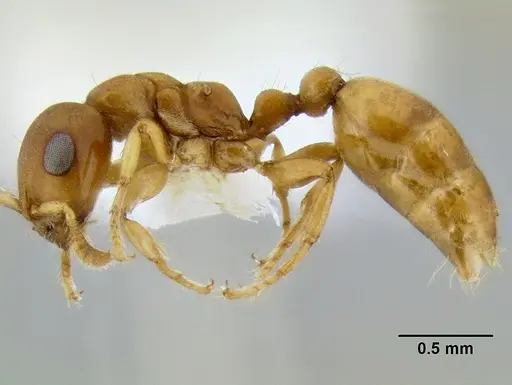
CASENT0902837
View on AntWeb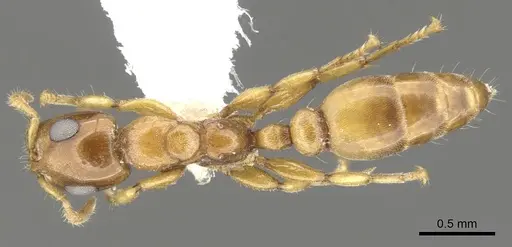
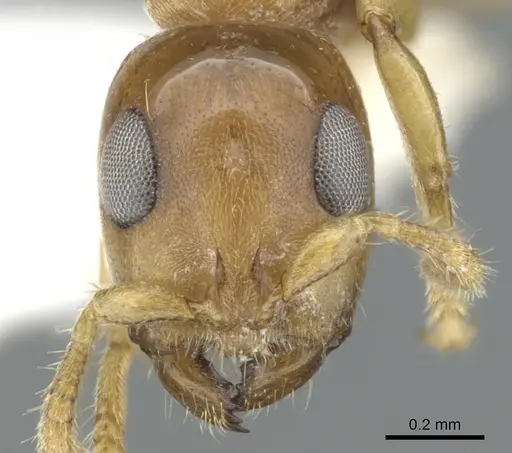
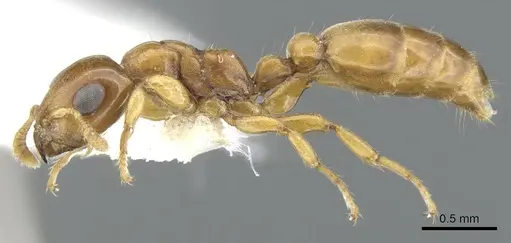
CASENT0902838
View on AntWeb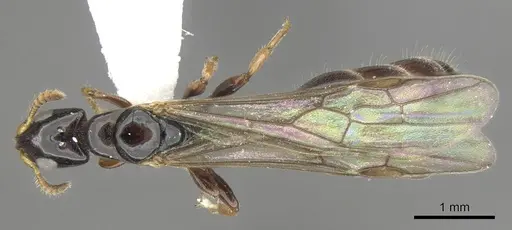
CASENT0902839
View on AntWeb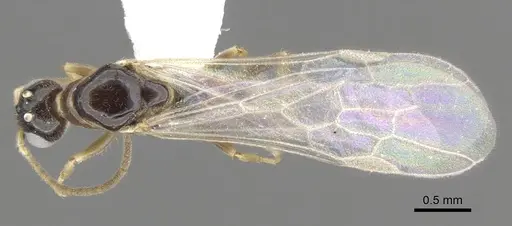
Literature
Loading distribution map...Loading products...