
Myopias breviloba
- Sci. Name
- Myopias breviloba
- Tribe
- Ponerini
- Subfamily
- Ponerinae
- Author
- Wheeler, 1919
- Distribution
- Found in 2 countries
Introduction
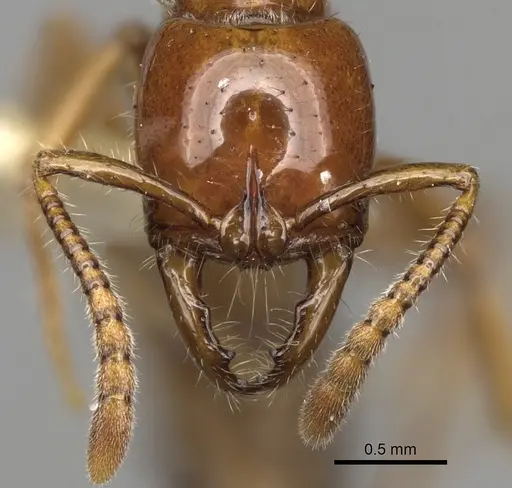
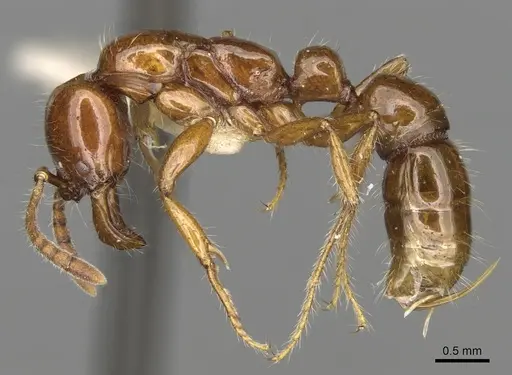
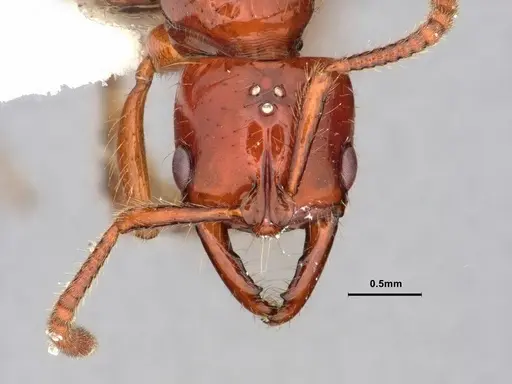
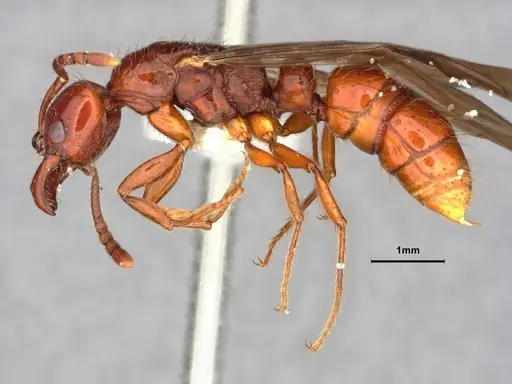
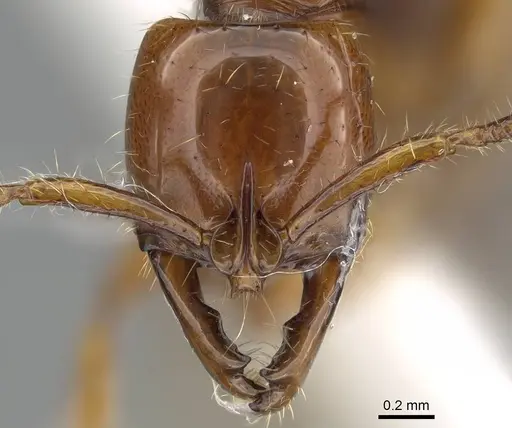
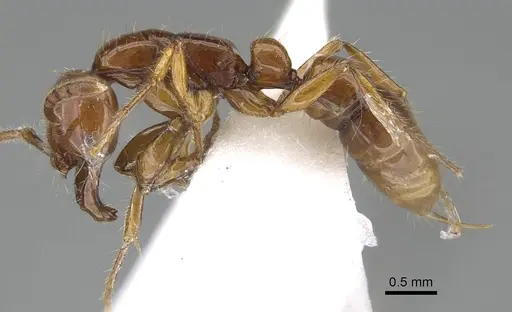
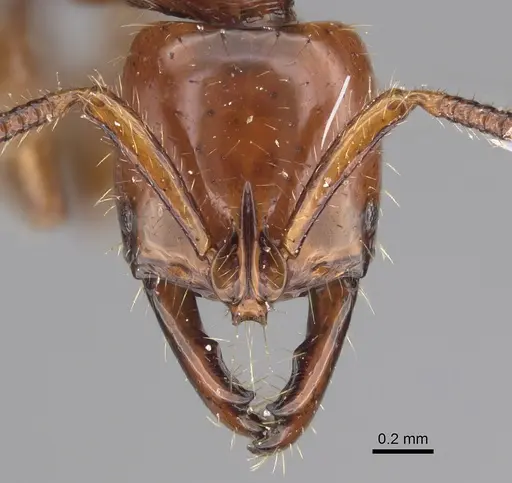
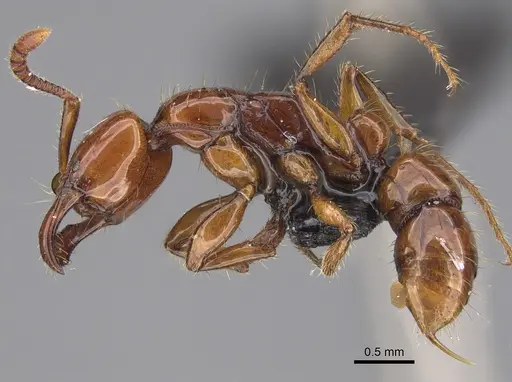
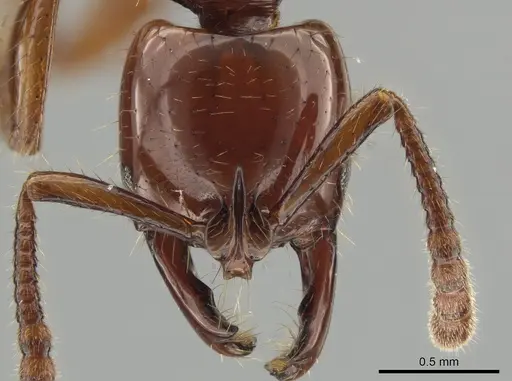
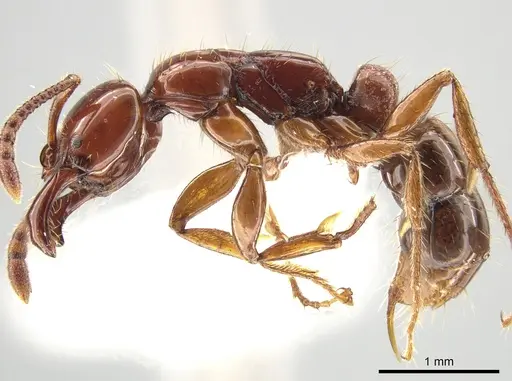
Myopias breviloba is a small predatory ant species found throughout Southeast Asia, including Borneo, the Krakatau Islands, Malaysia, and the Philippines. Queens measure 5.8mm and have a distinctive deep red coloration with brown wings featuring dark veins and a black pterostigma. Their body is smooth and shiny with sparse, inconspicuous punctures. This species belongs to a species group characterized by having 4-5 teeth on their mandibles, a weakly concave clypeal lobe, and very small or absent eyes - adaptations typical of ground-nesting predatory ants that hunt in dark or confined spaces. They possess a functional stinger for subduing prey .
Quick Summary
- Difficulty: Medium
- Origin & Habitat: Native to Southeast Asia, specifically found in Borneo, the Krakatau Islands (Indonesia), Malaysia (Sabah), and the Philippines (Basilan). They inhabit tropical forest environments and are ground-nesting ants [2][1].
- Colony Type: Colony structure is unconfirmed. The research context does not provide specific information about queen number or colony social structure.
- Size & Growth:
- Queen: 5.8mm [1]
- Worker: Size data unavailable, no worker measurements are provided in the research context
- Colony: Colony size is unconfirmed, no specific data available
- Growth: Growth rate is unconfirmed
- Development: Development time is unconfirmed, Ponerine ants typically develop more slowly than many common ant species (Specific development data for this species is not available in the research context.)
- Antkeeping:
- Temperature: Keep at 24-28°C. This species comes from warm, humid tropical forests and requires consistently warm conditions [2].
- Humidity: High humidity is essential, aim for 70-85% relative humidity. Keep the nest substrate consistently moist but not waterlogged. These ants come from damp tropical forest floor environments [2].
- Diapause: Unlikely, as a tropical species, they probably do not require true hibernation.
- Nesting: Use a moist nest setup such as a Y-tong (AAC) nest, plaster nest, or naturalistic setup with damp soil. Ponerinae ants prefer dark, enclosed spaces and will often nest in the moist areas of their enclosure.
- Behavior: Myopias breviloba is a predatory ant species that hunts small invertebrates. They are likely more active during cooler parts of the day and may be less active in bright light due to their reduced eye structure. They have a functional stinger and can deliver a painful sting if threatened. Workers are likely to be moderately aggressive when defending the colony. Escape prevention should be moderate, while not extremely small, they can still squeeze through small gaps.
- Common Issues: temperatures dropping below 22°C for extended periods can stress or kill colonies, tropical species are sensitive to cold, overfeeding can lead to mold problems in the nest, remove uneaten prey promptly, founding colonies are fragile, queens may seal themselves in and should not be disturbed during founding, predatory diet requirements mean they need consistent access to live prey, sugar alone is insufficient, high humidity requirements can lead to mold if ventilation is inadequate
Housing and Nest Setup
Myopias breviloba requires a moist, dark environment that mimics their natural tropical forest floor habitat. For founding colonies, a test tube setup works well if placed inside a humid outworld container to prevent drying. The test tube should have a water reservoir and be plugged with cotton, then placed in a dark area to reduce stress on the queen. Once the colony reaches 10-20 workers, consider moving them to a Y-tong (AAC) nest or a plaster nest that can maintain humidity. Naturalistic setups with damp soil or coconut fiber substrate also work well. Whatever setup you choose, ensure the nest material stays moist but never sits in standing water, this causes flooding that can drown the colony. Provide a darkness gradient by covering part of the nest, allowing the ants to choose their preferred light level. [2][1]
Feeding and Diet
As a Ponerinae species, Myopias breviloba is primarily predatory and requires a protein-rich diet. Feed them small live prey such as fruit flies, small crickets, mealworms, and other appropriately sized insects. Prey should be no larger than the ants themselves, smaller is always better to avoid overwhelming the workers. Offer protein 2-3 times per week, removing any uneaten prey within 24 hours to prevent mold. While some Ponerinae will occasionally accept sugar water or honey, this should not be their primary food source. Fresh water should always be available. During founding, the queen may not eat, she survives on stored fat reserves until her first workers emerge.
Temperature and Heating
Tropical ants like Myopias breviloba need consistently warm conditions to thrive. Keep the nest area between 24-28°C year-round. Room temperature may suffice in warm climates, but most keepers need supplemental heating. A heating cable placed on top of the nest (never underneath, as this can cause drying and overheating) works well to maintain warmth. A small heat mat on one side of the enclosure creates a gradient so the ants can move to warmer or cooler areas as needed. Avoid temperatures below 22°C for extended periods, this can slow development, weaken the colony, and increase mortality. [2]
Colony Development and Growth
Ponerine ants like Myopias breviloba typically develop more slowly than many common ant species. After the queen lays her first eggs, expect several months before the first workers (nanitics) emerge, depending on temperature. These first workers will be smaller than mature workers but should immediately begin helping with colony tasks. The queen can live for many years. Be patient with Ponerinae, they simply develop more slowly than species like Camponotus or Formica. Consistent warmth and proper feeding will maximize growth rate.
Handling and Temperament
Myopias breviloba has a functional stinger and can deliver a painful sting if threatened or handled roughly. While they are not aggressive toward humans unless provoked, exercise caution during nest maintenance. When moving or disturbing the nest, work slowly and gently. If the colony feels threatened, workers may sting in defense. These ants are not suitable for handling or for observation through open lids, use proper escape prevention and minimize disturbances to the nest. [1]
Frequently Asked Questions
How long does it take for Myopias breviloba to have first workers?
Specific development time is unconfirmed for this species. Ponerine ants generally develop more slowly than many common ant species, so expect several months rather than weeks during the founding stage.
What do Myopias breviloba ants eat?
They are predatory ants that need live protein prey. Feed small insects like fruit flies, small crickets, mealworms, and similar appropriately-sized prey. Remove uneaten prey within 24 hours to prevent mold.
What temperature do Myopias breviloba need?
Keep them warm at 24-28°C. Tropical ants require consistent warmth, avoid temperatures below 22°C. A heating cable or heat mat on one side of the nest can help maintain proper temperatures.
Are Myopias breviloba good for beginners?
They are considered intermediate difficulty. While not the hardest species, they require more specific conditions (warmth, humidity, live prey) than easier species. They are better suited for keepers who have already kept at least one successful colony.
How big do Myopias breviloba colonies get?
Colony size data is unavailable for this species. Based on related Myopias species, colonies may reach several hundred workers, but this is not confirmed.
Do Myopias breviloba need hibernation?
No, as a tropical species they do not require true hibernation. However, slight temperature reductions during cooler months may be appropriate if your room temperature drops significantly.
Can I keep multiple Myopias breviloba queens together?
This has not been documented. Based on typical Ponerinae behavior, it is not recommended to combine unrelated foundress queens, they are likely single-queen species.
What humidity level do Myopias breviloba need?
High humidity of 70-85% is ideal. Keep the nest substrate consistently moist but not waterlogged. These ants come from damp tropical forest environments.
When should I move Myopias breviloba to a formicarium?
Wait until the colony has at least 20-30 workers and is actively foraging in an outworld. A test tube setup can work for founding colonies, but a proper nest setup becomes beneficial once the colony grows beyond about 20 workers.
Report an Issue
The current care sheet is based fully on literature. See inconsistencies, or something that's incorrect? Please , it will be resolved after review from an admin. Contributing to the blogs tab also helps providing information, to make us be able to further improve the caresheets. Thank you for your support!
References

This caresheet is licensed under CC BY-SA 4.0 .
Community Blogs
CASENT0281906
View on AntWeb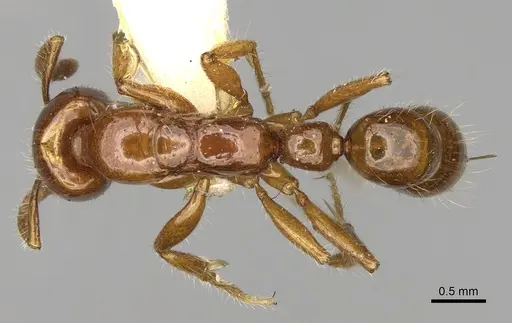
CASENT0882107
View on AntWeb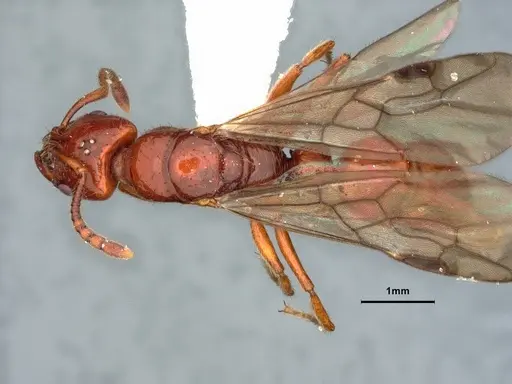
CASENT0919896
View on AntWeb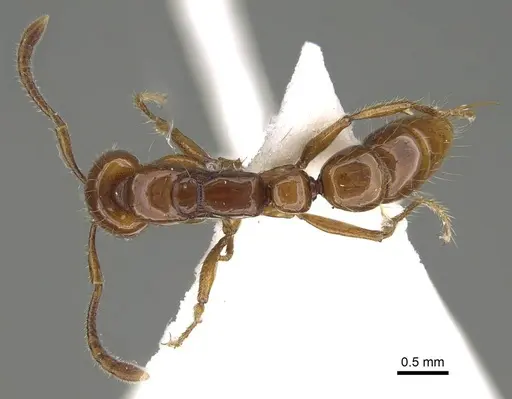
CASENT0923423
View on AntWeb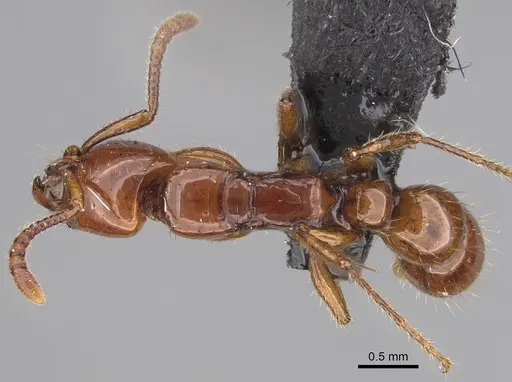
ZRC
View on AntWeb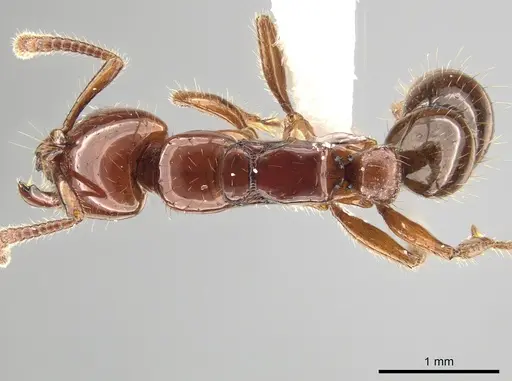
Literature
Loading distribution map...Loading products...