
Hartmann's Fungus-farming Ant
Mycetosoritis hartmanni
- Sci. Name
- Mycetosoritis hartmanni
- Tribe
- Attini
- Subfamily
- Myrmicinae
- Author
- Wheeler, 1907
- Common Name
- Hartmann's Fungus-farming Ant
- Distribution
- Found in 3 countries
Introduction
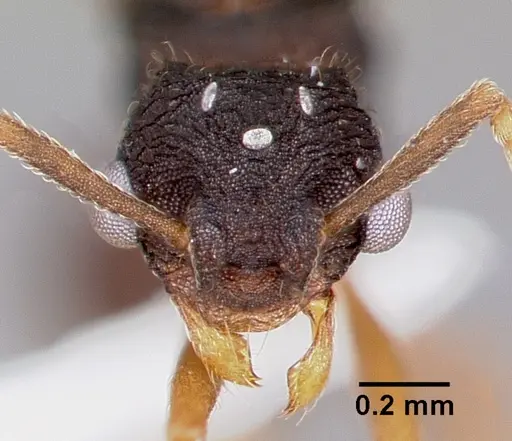
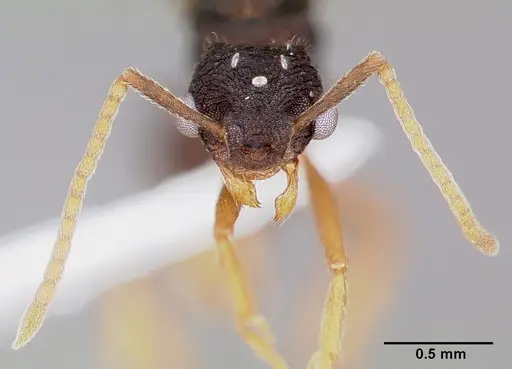
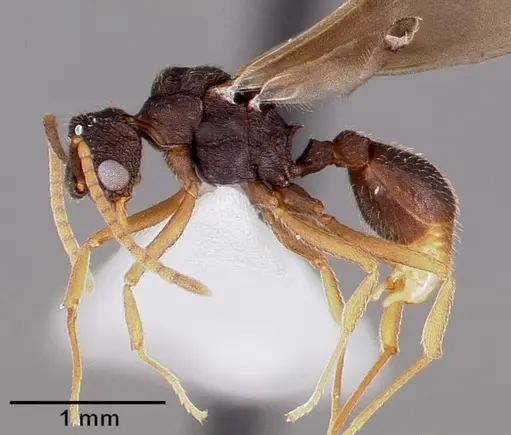
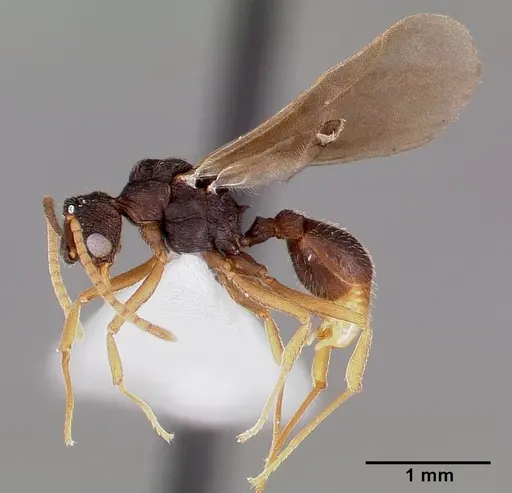
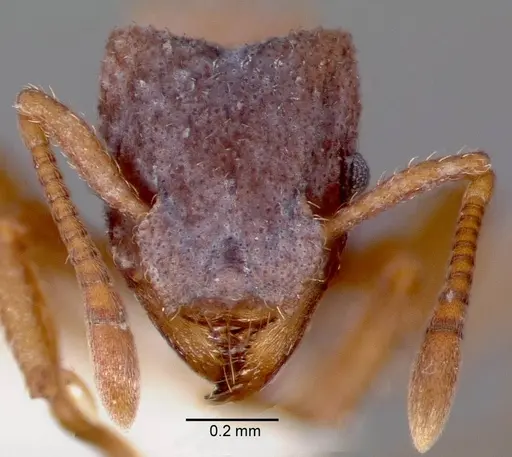
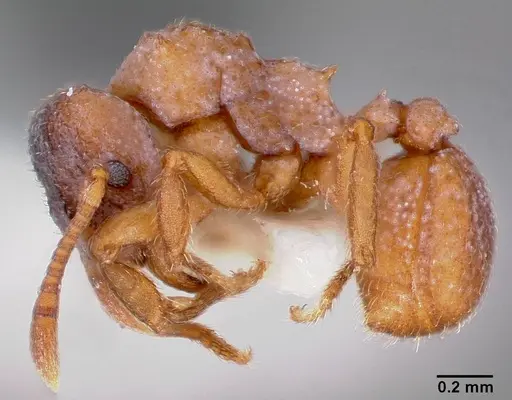
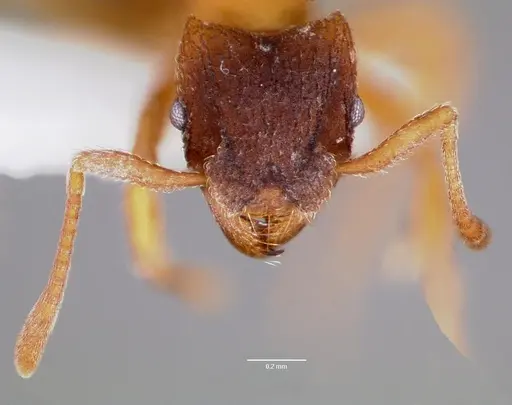
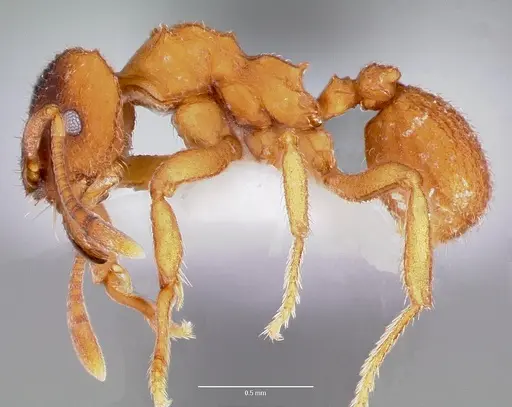
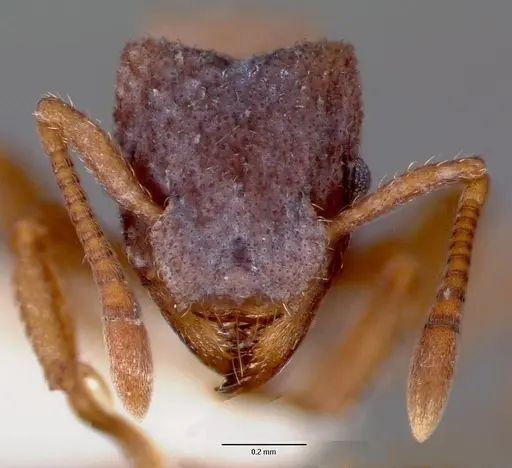
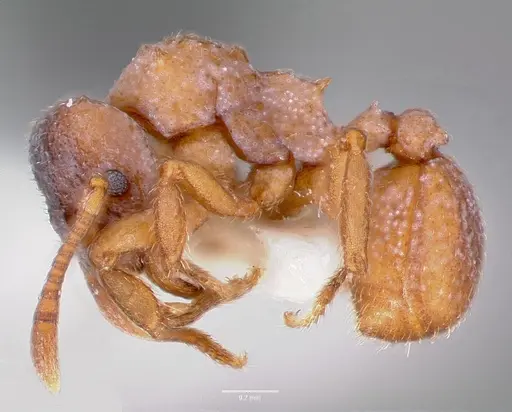
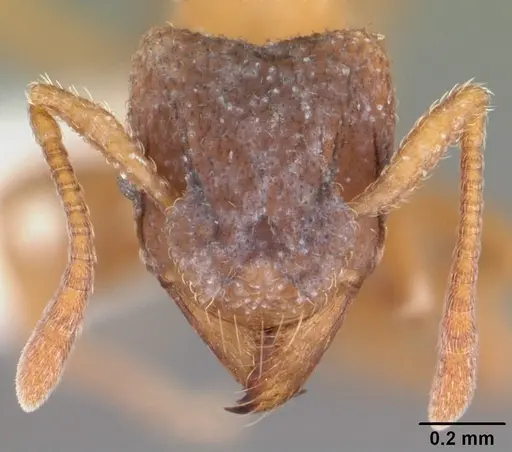
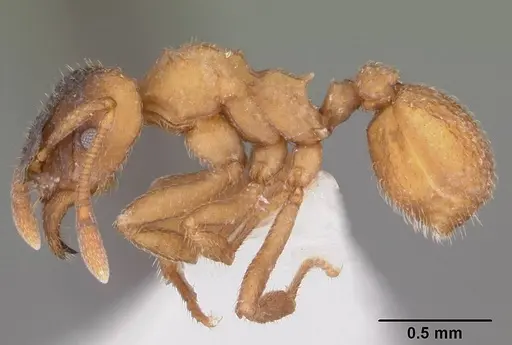
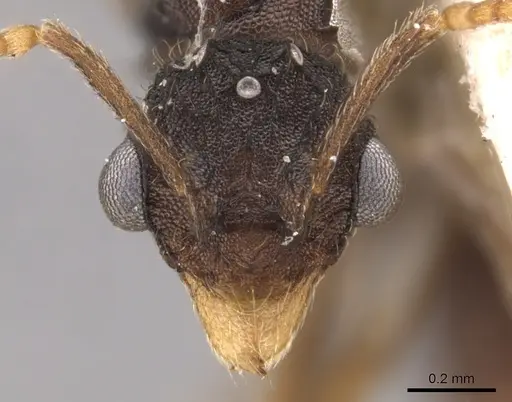
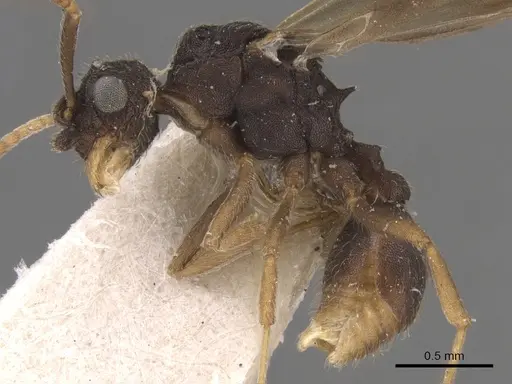
Mycetosoritis hartmanni is a tiny, cryptic fungus-growing ant belonging to the lower-attine group of the tribe Attini . It is native to the southern United States and Central America, ranging from Louisiana and Texas across eastern Mexico to at least Honduras . In the USA, it is almost exclusively found in white sand, sun-exposed areas with sparse vegetation, building distinctive steep sandy craters (turriform mounds) around its nest entrance – a diagnostic feature in Texas . Workers are timid and, when disturbed, defend themselves by curling into a motionless ball (feigning death) . Colonies are small, typically containing fewer than 100 workers, with a single queen that mates only once (monandrous) . The species is an obligate fungivore, cultivating a Leucocoprinus fungus garden on a substrate of plant debris, flower parts, and arthropod frass .
Quick Summary
- Difficulty: Hard
- Origin & Habitat: Nearctic and Neotropical regions: from Louisiana and Texas (USA) through eastern Mexico to at least Honduras [2]. Occupies sun-exposed, well-drained sandy soils – white sand in the USA, rarely red sand [2]. Found in open habitats: fields, clearings among oaks, semi-open pine-oak forest, also disturbed tropical gallery forest and even irrigated agricultural fields with cover crops in Mexico [4]. In Central America it occurs in humid tropical forests [5].
- Colony Type: Monogyne (single-queen colonies). Of 45 queenright nests,44 had only one queen, one had two [6]. Colonies contain a single queen and typically fewer than 100 workers (average 47.6,maximum 148) [2].
- Size & Growth:
- Queen: Size data unavailable – the literature does not provide total length (TL) measurements. Queens are slightly larger than workers. An average wet weight of 0.767 mg is recorded [2].
- Worker: Size data unavailable – the literature does not provide total length (TL) measurements. Workers are described as tiny. Average wet weight not given.
- Colony: Up to 148 workers (average 47.6 per established nest) [2]
- Growth: Slow to moderate – colonies are small and take several years to reach maturity. Maximum lifespan of established nests is about 6 years [2].
- Development: Approximately 8 weeks – eggs laid in April develop into first worker pupae by early June [2] (Timing based on central Texas populations. Egg-laying resumes in April after winter reduction, first worker pupae appear in early June. At 22-26°C, development may be slightly faster.)
- Antkeeping:
- Temperature: Warm conditions (22-26°C) are suitable, but these ants tolerate higher temperatures as they naturally inhabit sun-exposed sand. Provide a temperature gradient so the colony can choose cooler areas for the fungus garden. Avoid extremes that could kill the garden [2].
- Humidity: The fungus garden requires moisture, but the nest as a whole is in well-drained sand. Provide a gradient: keep most of the nest substrate relatively dry, but maintain a moist area (e.g., a small chamber) for the fungus garden. Avoid waterlogging [2].
- Diapause: Partial winter reduction – from November to February, activity decreases but queens and workers remain mobile within the nest (not true hibernation). Keep at 15-18°C during these months to simulate natural conditions [2].
- Nesting: Y-tong (AAC), plaster, or soil nests with vertical depth to accommodate 1-3 garden chambers. Provide a sandy or sandy-loam substrate. Ensure good ventilation and avoid overly humid enclosures. The natural nest has a single vertical tunnel (1.5-2 mm diameter) with chambers at 15-70 cm depth [2].
- Behavior: Timid and non‑aggressive. Primary defense is thanatosis (playing dead) by curling into a motionless ball [2]. They do not aggressively bite or sting. Workers avoid direct sunlight on hot days but are active in shaded areas throughout the day [2]. Poor climbers, but their tiny size (~2 mm) means escape prevention is critical.
- Common Issues: Fungus garden failure is the highest risk – the colony cannot survive without its fungal cultivar. Feed the garden appropriate organic material (plant debris, flower parts, seeds) and maintain stable moisture and temperature., Slow colony growth and small maximum size – do not expect rapid population increase. Colonies rarely exceed 100 workers and may take 2-3 years to reach 50 workers., Winter care requires reduction in activity but not full hibernation – keep at 15-18°C rather than near freezing, the ants will remain active at a low level., Incipient colonies are fragile due to semi‑claustral founding – queens must forage during the founding stage, making them vulnerable to desiccation or starvation. Provide a small outworld with food near the nest entrance., Very small workers can escape through tiny gaps – seal all connections and use fine mesh (≤0.5 mm) on ventilation openings., Invasive fire ants (Solenopsis invicta) are a potential predator in captivity – keep the setup isolated from outdoor ant infestations.
The Fungus Garden: The Heart of the Colony
Mycetosoritis hartmanni is an obligate fungivore – the entire colony depends on its fungal garden for food. The cultivated fungus is an undescribed Leucocoprinus species (sequence‑identical to the fungus grown by the sympatric Cyphomyrmex wheeleri) [2]. The garden hangs in delicate, cream‑colored curtains from the ceiling of underground chambers, never touching the floor or walls [2]. Workers feed the fungus a mixture of plant debris, flower parts (anthers), seed husks, seeds, and arthropod feces [2]. In the interior of the garden, hyphal‑tip swellings (similar to gongylidia of higher attines) develop and serve as the primary food for larvae and supplement adult nutrition [2]. The garden is sensitive to moisture and temperature extremes, in the wild, top chambers are only 15–20 cm deep and experience significant heat and drying in summer [2]. In captivity, you must provide a steady supply of suitable organic material and maintain stable, moderate humidity around the garden itself.
Nest Architecture and Housing
In the wild, M. hartmanni builds a characteristic turriform crater – a steep sandy mound 3–8 cm in diameter and 2–4 cm high around a single entrance hole about 1.5 mm wide [2]. From this entrance, a straight vertical tunnel (1.5–2.0 mm diameter) descends, with 1–3 garden chambers arranged like beads on a thread [2]. The uppermost chamber (vestibule) is near the surface at about 5–6 cm depth and is used for temporary storage of excavated sand or refuse, never for a full garden [2]. The first real garden chamber is at about 15–20 cm depth, the second at 25–35 cm, and the third at 40–60 cm (deepest recorded 75 cm) [2][6]. All chambers are connected only by the main vertical tunnel – no side branches exist [2]. For captivity, use a Y‑tong (AAC), plaster, or soil nest that allows vertical depth (at least 15–20 cm equivalent) and multiple connected chambers. The substrate should be sandy and well‑drained. Because the ants naturally live in sand, a soil‑based nest with a dry surface and a slightly moister deeper section works well. Avoid waterlogging, good ventilation is important.
Seasonal Activity and Winter Care
In central Texas, foragers are active primarily between April and October. From November to February, activity is reduced but the ants do not enter true hibernation – excavations show queens and workers moving freely in the garden matrix, not immobilized [2]. Egg‑laying resumes in April, and the first worker pupae appear in early June [2]. Reproductives (males and females) are produced mainly in July and August, with mating flights from late June through September [2]. The sex ratio is protogynous: more females early in the season (20–30% males in late June/early July) shifting to more males later (60–90% males from late July to September) [2]. Population‑level investment sex ratio is about 50% male, matching Fisherian expectation [2]. In captivity, simulate the natural cycle by keeping the colony at 15–18°C during November–February and reducing feeding, do not cool them below about 10°C. The rest of the year, maintain warm temperatures (22–26°C) and provide long photoperiods.
Reproduction and Colony Growth
M. hartmanni colonies are monogyne and found semi‑claustrally. A foundress queen excavates a small chamber at about 14–15 cm depth and begins a garden, foraging outside for substrate during the initial stage [2]. Colonies need approximately 20 workers before they can produce alates [2]. Mating flights occur from late June to September, probably at dawn, evening, or night [2]. Queens are singly mated (monandrous) [3]. Investment sex ratios across the whole season are about 50% male, but early‑season females are heavier (0.767 mg vs. 0.568 mg for males) [2]. Colony lifespan is relatively short: established nests have an average life expectancy of 1.9–2.5 years, with a maximum of about 6 years [2]. Growth is slow because colonies remain small, the largest recorded nest had 148 workers, but most have fewer than 100 [2].
Behavior and Defense
Outside the nest, workers are timid and rely on thanatosis (feigning death) by curling into a motionless ball when disturbed – a common response in lower‑Attina species [2]. They are not aggressive and do not bite or sting in a defensive manner. Workers avoid full sunlight on hot days but are active in shade throughout the day, they are not truly nocturnal or crepuscular [2]. The species appears to tolerate invasive fire ants (Solenopsis invicta) in the wild because it occupies sandy, sun‑exposed areas where fire ants do not thrive [2][6]. Army ants (Neivamyrmex and Labidus) are likely predators, though direct observation is lacking [2]. In captivity, their small size makes escape a prime concern – all gaps and ventilation points must be sealed with fine mesh.
Frequently Asked Questions
Can I keep Mycetosoritis hartmanni in a test tube?
A test tube is not ideal for established colonies. These ants need multiple underground chambers for their fungus garden (1–3 chambers in the wild). A Y‑tong (AAC), plaster, or soil formicarium with vertical depth and connected chambers is better. For incipient colonies, a small test tube setup can work temporarily, but be prepared to move them once the colony grows beyond a few workers [2].
What do Mycetosoritis hartmanni eat?
They are obligate fungivores – they cannot survive on typical ant foods like sugar water or insects alone. The colony cultivates a Leucocoprinus fungus garden, which they feed with plant debris (flower parts, anthers, seed husks, seeds) and arthropod feces [2]. In captivity, you must provide these materials to sustain the fungus, a diverse dry mix of leaf litter, flowers, and seeds works well. The ants then consume the hyphal‑tip swellings produced by the garden [2].
How long does it take for first workers to appear?
Based on the natural seasonal cycle in central Texas, eggs laid in April develop into first worker pupae by early June, so the egg‑to‑worker period is approximately 8 weeks at typical spring temperatures [2].
Do Mycetosoritis hartmanni hibernate?
They do not undergo true hibernation. Between November and February, activity is greatly reduced but queens and workers remain mobile within the nest, not immobilized [2]. In captivity, keep them at 15–18°C during these months with minimal disturbance. Do not cool them to near‑freezing temperatures [2].
Are Mycetosoritis hartmanni good for beginners?
No. They are not recommended for beginners. The obligate dependence on a live fungus garden, combined with semi‑claustral founding, small colony size, and specific nesting requirements, makes them a challenging species for experienced antkeepers only [2].
How big do Mycetosoritis hartmanni colonies get?
Colonies remain small – typically less than 100 workers, with an average of about 48 workers per established nest. The largest colony recorded had 148 workers [2].
Can I keep multiple queens together?
No – M. hartmanni is monogyne. Of 45 queenright nests examined,44 had a single queen, only one had two queens [6]. They do not form polygyne colonies.
What temperature do Mycetosoritis hartmanni need?
Maintain warm conditions, roughly 22–26°C (72–79°F), but provide a gradient. They can tolerate higher temperatures because their natural habitat includes sun‑exposed sand [2]. Avoid overheating the fungus garden – keep it below 30°C if possible.
Why is my fungus garden dying?
F
Report an Issue
The current care sheet is based fully on literature. See inconsistencies, or something that's incorrect? Please , it will be resolved after review from an admin. Contributing to the blogs tab also helps providing information, to make us be able to further improve the caresheets. Thank you for your support!
References

This caresheet is licensed under CC BY-SA 4.0 .
Community Blogs
CASENT0003199
View on AntWeb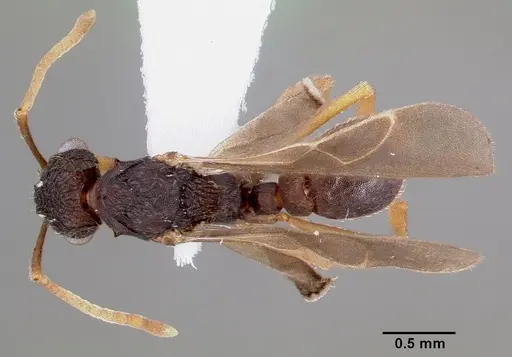
CASENT0003200
View on AntWeb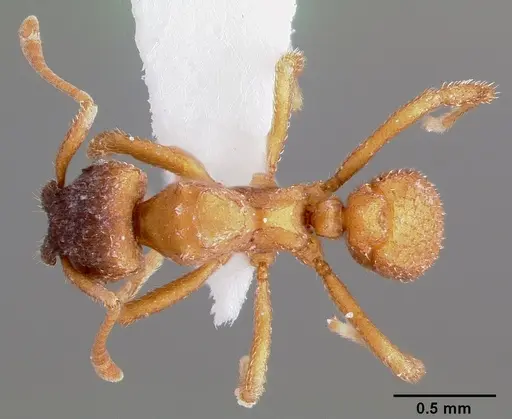
CASENT0003201
View on AntWeb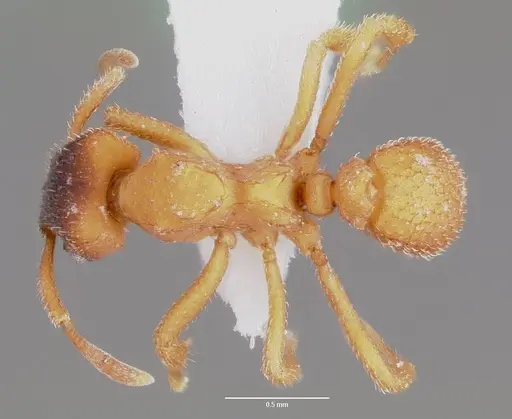
CASENT0006066
View on AntWeb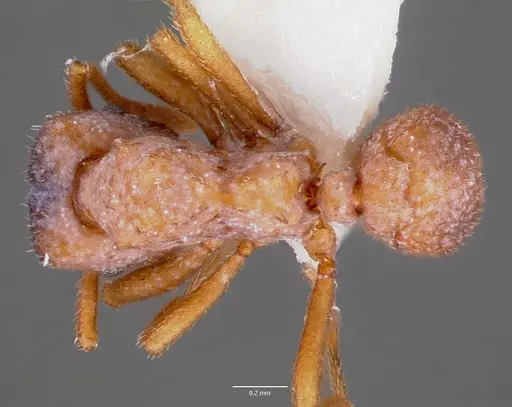
CASENT0104060
View on AntWeb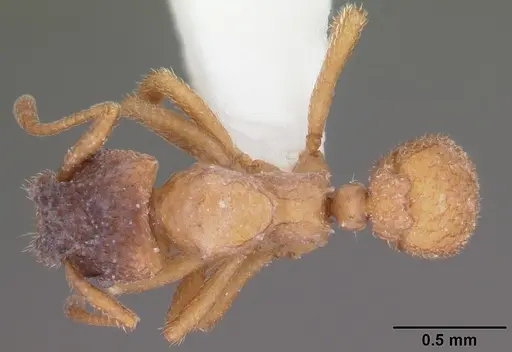
CASENT0904986
View on AntWeb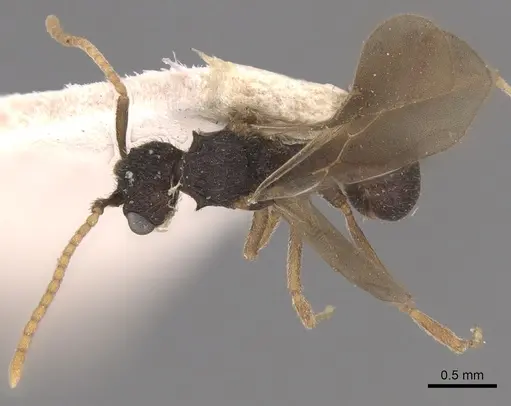
Literature
Loading distribution map...Loading products...