
Mycetophylax faunulus
- Sci. Name
- Mycetophylax faunulus
- Tribe
- Attini
- Subfamily
- Myrmicinae
- Author
- Wheeler, 1925
- Distribution
- Found in 6 countries
Introduction
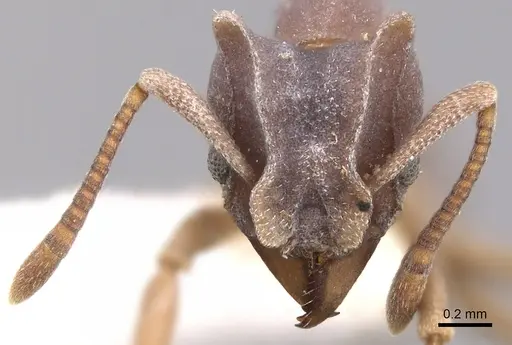
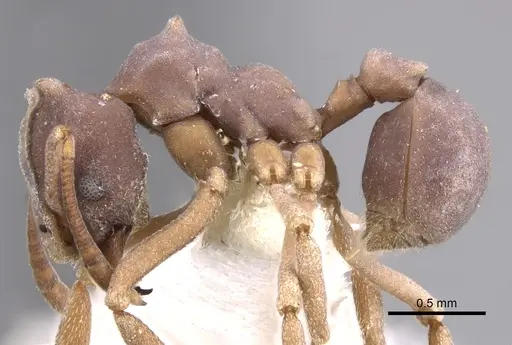
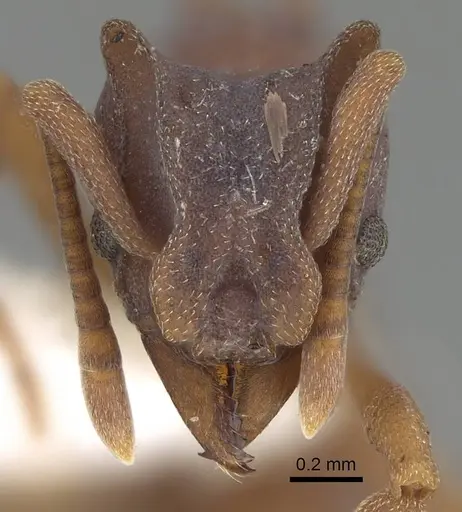
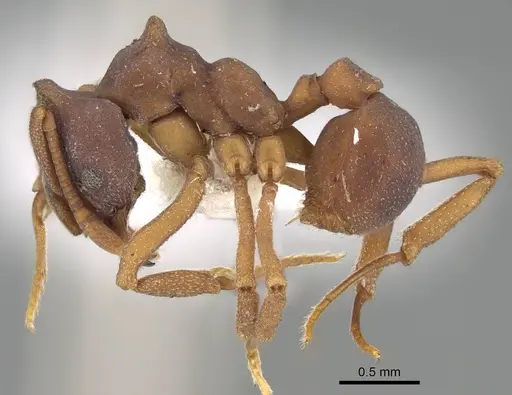
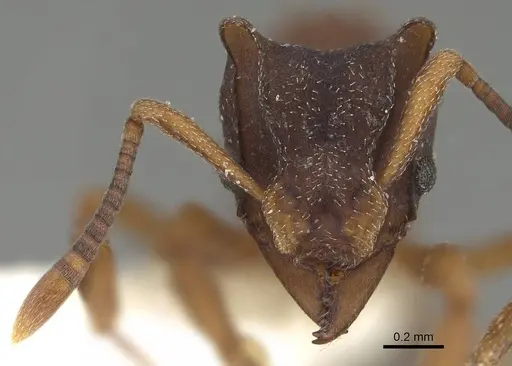
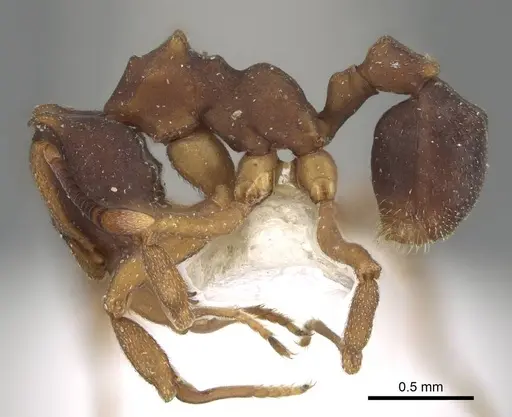
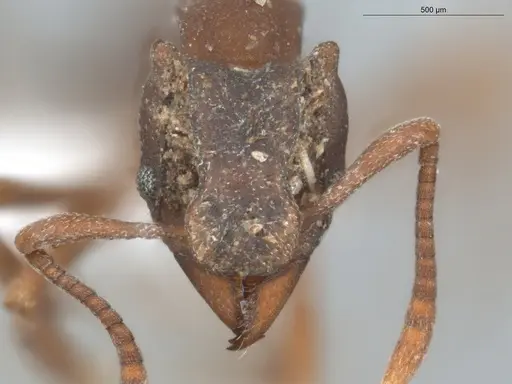
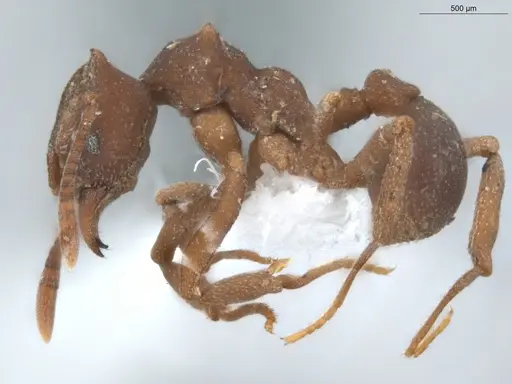
Mycetophylax faunulus is a small fungus-farming ant from the rainforests of northern South America. Workers measure 3.4-4.0mm and queens reach 4.2-4.8mm, with a yellowish-brown to reddish-brown color . This species belongs to the tribe Attini and practices lower agriculture, cultivating a specific fungal cultivar (clade F) for food . Colonies are small, typically containing fewer than 30 workers, and in the wild they sometimes share their nests with another fungus-growing ant species, Apterostigma urichii, in a relationship called parabiosis where both species cultivate the same fungus garden without aggression . This peaceful coexistence is unusual among ants and makes this species particularly interesting for keepers who want to observe complex social interactions.
Quick Summary
- Difficulty: Medium
- Origin & Habitat: Rainforests of northern South America, ranging from Trinidad and the Guianas through the Amazon river valley to Bolivia [1]. In the wild, colonies nest in rotting wood, epiphytic root tangles, abandoned termite mounds, and even in the clay soil of Atta mounds [1].
- Colony Type: Small colonies with single queens being common, though multiple queens are occasionally encountered in the Amazonian basin [6]. The colony structure appears flexible, with single-queen colonies documented and occasional polygynous finds.
- Size & Growth:
- Queen: 4.2-4.8 mm [1]
- Worker: 3.4-4.0 mm [1]
- Colony: Small colonies, typically under 30 workers in observed nests [4][5]
- Growth: Slow, small colonies grow gradually
- Development: Timeline unconfirmed for this species (Development data is not directly documented. Lower attines typically develop slower than higher attines due to their smaller colony sizes and simpler fungus gardens.)
- Antkeeping:
- Temperature: Keep at 24-28°C. As a tropical rainforest species, they need warm, stable temperatures. A heating cable on one side of the nest creates a gentle gradient [1].
- Humidity: High humidity is essential, aim for 70-85%. These ants come from damp rainforest environments and their fungus garden needs consistent moisture. Keep the nest substrate moist but not waterlogged, and provide a water tube for drinking water [1].
- Diapause: No, as a tropical species, they do not require hibernation. Keep temperatures stable year-round.
- Nesting: In captivity, they do well in Y-tong nests or plaster nests with chambers scaled to their small size. The nest should have a chamber for the fungus garden and narrow passages. Use damp substrate (like soil or sand) to maintain humidity. Avoid dry, airy conditions.
- Behavior: Workers are docile and non-aggressive. They feign death when disturbed, a defensive behavior documented in the wild [1]. They possess a functional stinger but it is less medically significant to humans than fire ants. Foraging occurs primarily at night. Their small size (under 4mm) means escape prevention should be taken seriously, use fine mesh barriers and tight-fitting lids. The most fascinating behavior is their tolerance of other ant species in parabiosis, though this is a wild behavior and not something to replicate in captivity.
- Common Issues: Fungus garden failure is the biggest risk, without their cultivar, the colony cannot survive. Never remove or contaminate the fungus garden., Low humidity kills colonies quickly, their rainforest origin means they need constant moisture., Small size makes escape likely without proper barriers, use fine mesh and check connections regularly., Feeding mistakes can be fatal, they rejected most dry foods in tests and need appropriate fungal substrate or fresh organic matter., Wild-caught colonies may have parasites or fail to adapt to captivity, established colonies from other keepers are more reliable.
The Fungus Garden: The Heart of the Colony
Mycetophylax faunulus is a fungus-farming ant, meaning the colony's survival depends entirely on maintaining a living fungal garden. This species cultivates cultivar clade F, a specific Lepiotaceae fungus that serves as their primary food source [2][3][5]. In the wild, the fungus garden is tended by workers and fed organic matter including insect excrements, vegetable debris, seeds, and woody fibers. The ants also add ant body parts (from Ponerinae and Cephalotini) as structural framework for the garden [1]. In captivity, you must provide appropriate substrate for the fungus to grow on. This can include small pieces of organic matter, dead leaves, or specialized fungal substrate. The most reliable approach is to obtain a small piece of fungal garden from another established colony or purchase cultivated fungal material. Never let the fungus garden dry out or become contaminated.
Feeding Your Colony
In captivity, M. faunulus has shown specific food preferences. They rejected dry chemical foods including hemoglobin, blood fibrin, egg albumen, dextrin, gelatin, peptose, maltose, and diastase in laboratory tests [1]. However, they readily accepted bromatia (fungal gongylidia) from Cyphomyrmex rimosus gardens grown on flour, and they eagerly lapped up the body juices of crushed mosquitoes [1]. This tells you that live or fresh prey items work better than prepared foods. Feed small insects like fruit flies, pinhead crickets, or aphids. You can also offer small amounts of organic matter like dead insects, leaf fragments, or specialized fungal substrate. Sugar water may be accepted but is not a primary food source. The key is providing fresh, moist organic material that supports fungal growth, the ants consume the fungal hyphae, not dry commercial ant foods.
Housing and Nest Setup
In the wild, M. faunulus nests in cavities within rotting wood, epiphytic root tangles, abandoned termite mounds, and even in the clay stratum of Atta mounds [1]. Cavity sizes range from approximately 5-50 cubic centimeters, quite small. For captivity, use a nest with chambers scaled to their tiny size. Y-tong nests or plaster nests work well. The nest must maintain high humidity, so choose a design that holds moisture well. Include a water tube or moisture reservoir to prevent drying. A small outworld for foraging completes the setup. Because workers are only 3-4mm and can squeeze through tiny gaps, use fine mesh (at least 0.5mm) for any ventilation and ensure all connections are secure. A naturalistic setup with damp soil and rotting wood pieces can also work if you can maintain proper humidity levels.
Temperature and Humidity Requirements
As a rainforest species from tropical South America, M. faunulus requires warm and humid conditions. Keep temperatures in the range of 24-28°C, this matches their natural environment in Trinidad, the Guianas, and the Amazon basin. A heating cable placed on one side of the nest creates a temperature gradient while avoiding direct heat that could dry out the fungus garden. Humidity is critical: aim for 70-85% relative humidity. The nest substrate should feel consistently damp to the touch. Use a water tube in the outworld so workers can access drinking water. Avoid both stagnant air (which promotes mold) and excessive airflow (which dries everything out). Good ventilation with moisture retention is the goal. Monitor the fungus garden health as an indicator, if the fungus looks dry or discolored, increase humidity immediately. [1]
Understanding Their Social Behavior
One of the most fascinating aspects of M. faunulus is its tolerance of other ant species. In the wild, researchers have documented parabiosis, a peaceful sharing of nests, with Apterostigma urichii [4][5]. In observed cases, both species shared the same fungus garden, with apparent division in the arrangement of larvae and pupae. Workers of both species antennated each other without aggression, and they even helped transport each other's immatures to reorganized fungus masses after disturbance [4]. This remarkable tolerance is rare among ants and suggests M. faunulus has a relatively docile temperament. Workers also exhibit thanatosis, feigning death when disturbed, which is a passive defense mechanism rather than aggression [1]. In captivity, this means they are handleable and unlikely to bite or sting, making them suitable for observation-focused keepers.
Frequently Asked Questions
How long does it take for Mycetophylax faunulus to produce first workers?
The exact timeline is not documented for this species. Expect development to be slow compared to many common ant species, and colonies remain small even when established.
What do Mycetophylax faunulus eat?
They are fungus-farming ants that primarily consume their cultivated fungal garden. In captivity, they accept fresh insect prey (like fruit flies and small crickets), mosquito body juices, and organic matter that supports fungal growth. They reject most dry commercial foods.
Can I keep multiple queens together?
While multiple queens have been occasionally found in wild colonies in the Amazonian basin, this appears to be occasional rather than standard. It is not recommended to combine unrelated foundresses, stick to single-queen colonies for best success.
How big do colonies get?
Colonies remain small. Wild colonies typically contain under 30 workers, with cavity sizes of only 5-50 cubic centimeters. Maximum colony size is likely under 100 workers.
What temperature do they need?
Keep them at 24-28°C. As a tropical rainforest species from northern South America, they need warm, stable temperatures year-round. A heating cable on one side of the nest can provide this.
Do they need hibernation?
No. As a tropical species from Trinidad, the Guianas, and the Amazon, they do not require hibernation or winter cooling. Maintain warm temperatures throughout the year.
Why is my fungus garden dying?
The fungus garden is essential, without it, the colony cannot survive. Common causes include: low humidity (must be 70-85%), contamination from mold, temperature extremes, or using inappropriate substrate. Never remove or disturb the garden unnecessarily.
Are they good for beginners?
They are rated Medium difficulty. While docile and fascinating, their dependence on a living fungus garden and high humidity requirements make them more challenging than species that eat standard ant foods. They are better suited for keepers who want to observe unique fungus-farming behavior.
When should I move them to a formicarium?
Keep them in a test tube setup initially with a small piece of fungal garden if possible. Once the colony reaches 15-20 workers and you can maintain proper humidity in a nest, you can move them to a Y-tong or plaster formicarium with a chamber scaled to their tiny size.
Report an Issue
The current care sheet is based fully on literature. See inconsistencies, or something that's incorrect? Please , it will be resolved after review from an admin. Contributing to the blogs tab also helps providing information, to make us be able to further improve the caresheets. Thank you for your support!
References

This caresheet is licensed under CC BY-SA 4.0 .
Community Blogs
CASENT0281763
View on AntWeb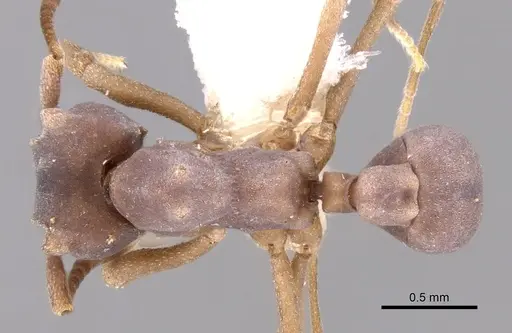
CASENT0922142
View on AntWeb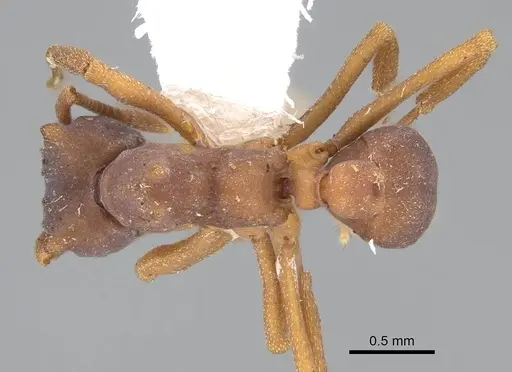
CASENT0922143
View on AntWeb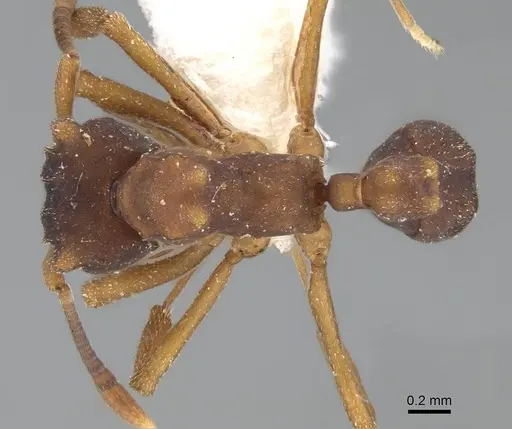
ECOFOG-TR17-0199-02
View on AntWeb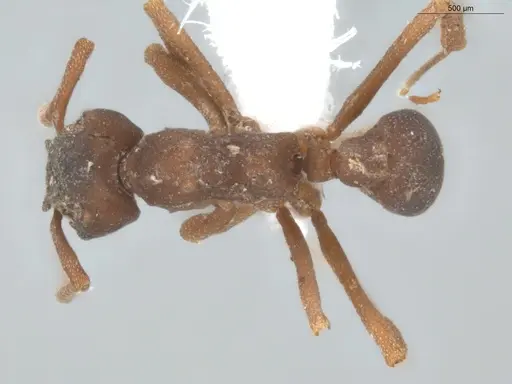
Literature
Loading distribution map...Loading products...