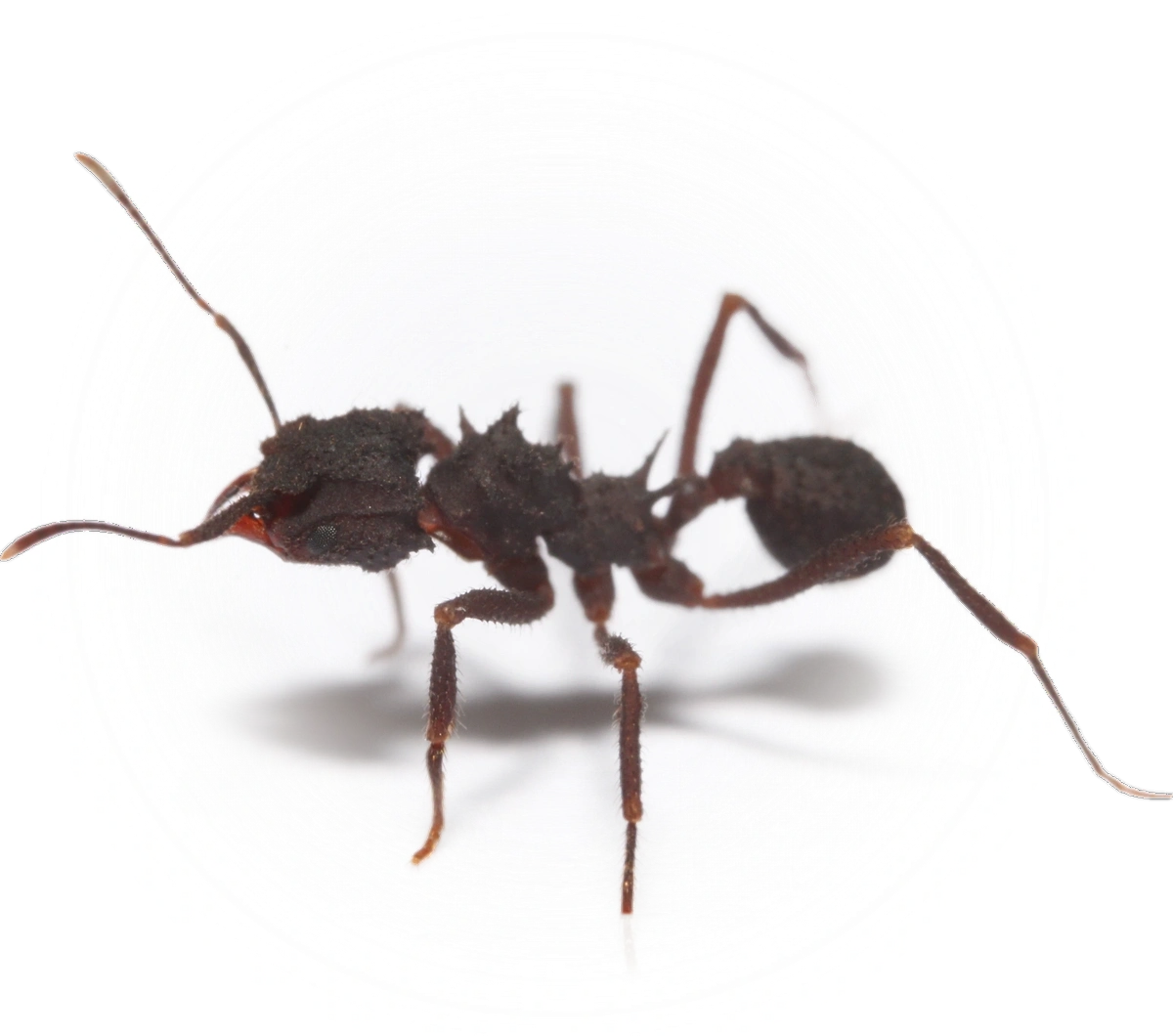
Mycetomoellerius urichii
- Sci. Name
- Mycetomoellerius urichii
- Tribe
- Attini
- Subfamily
- Myrmicinae
- Author
- Forel, 1893
- Distribution
- Found in 3 countries
Introduction
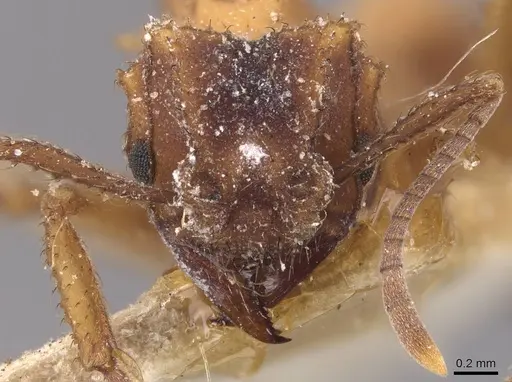
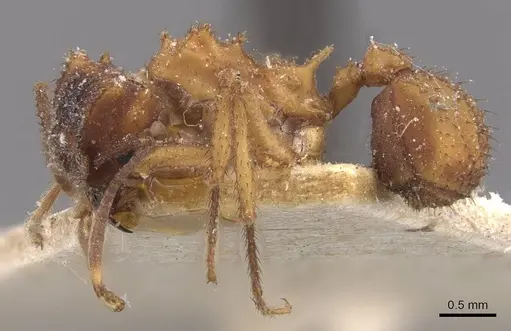
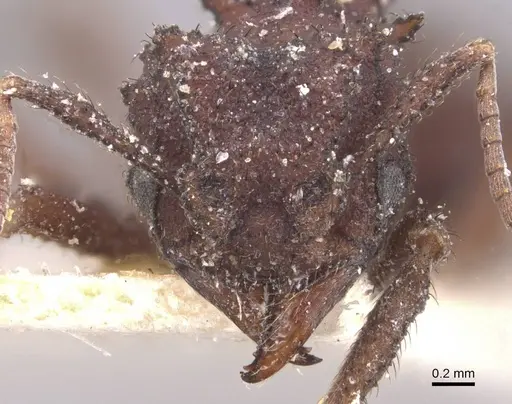
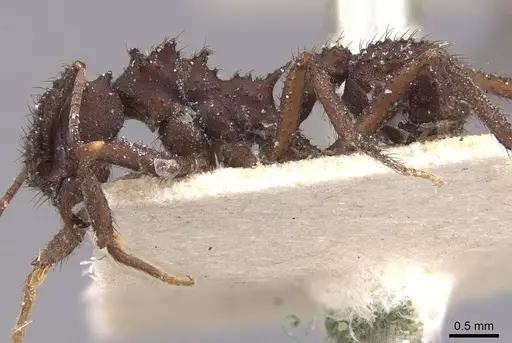
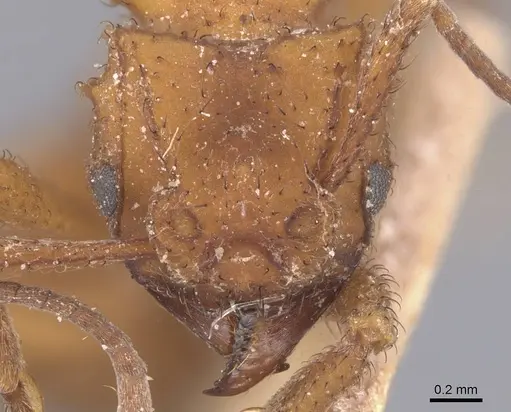
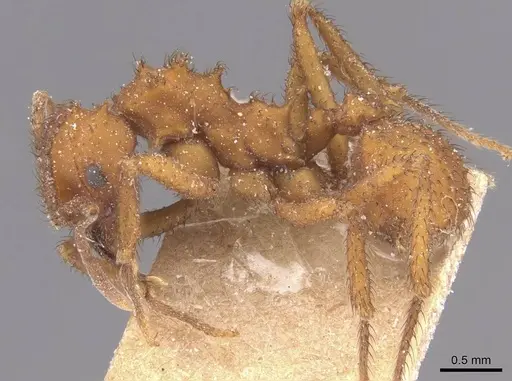
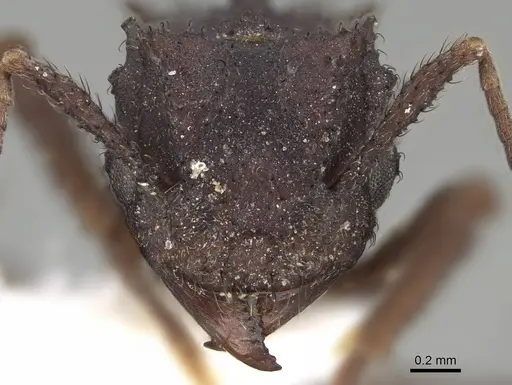
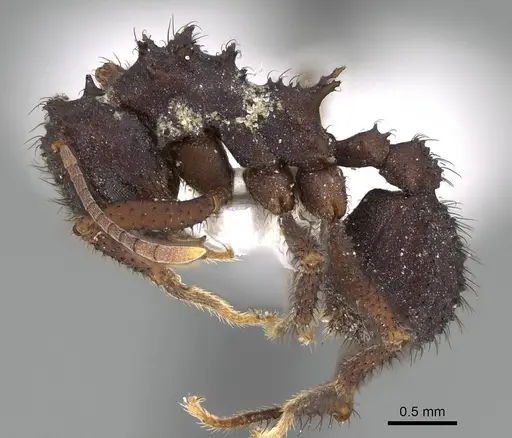
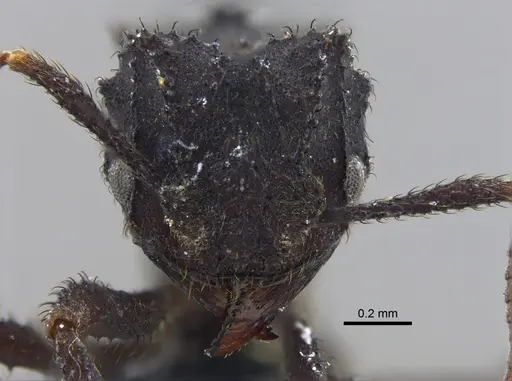
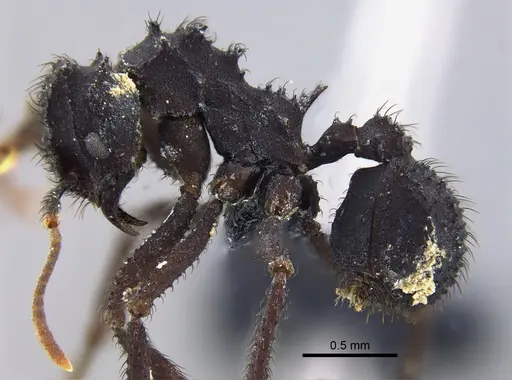
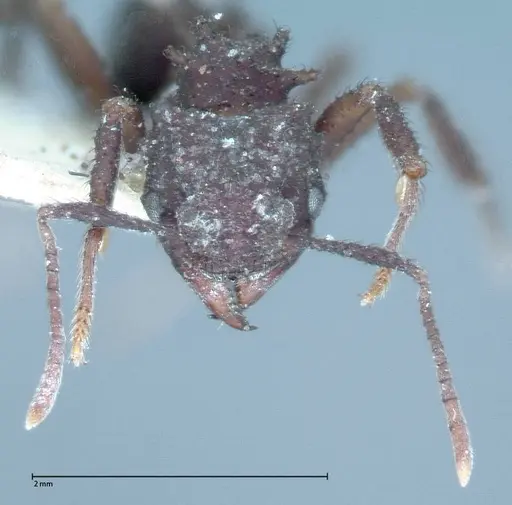
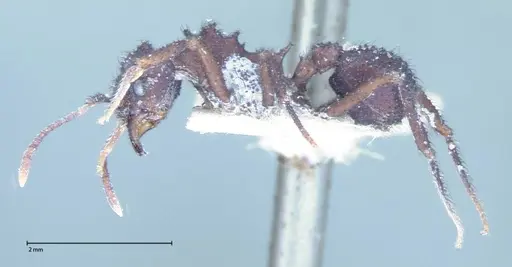
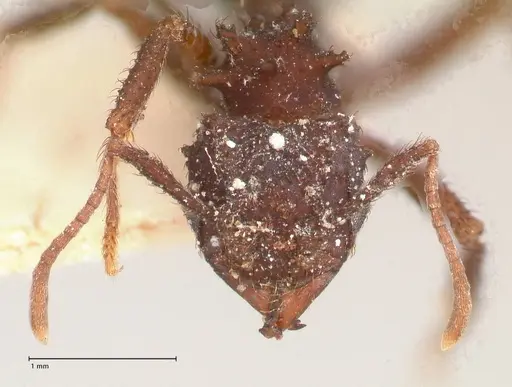
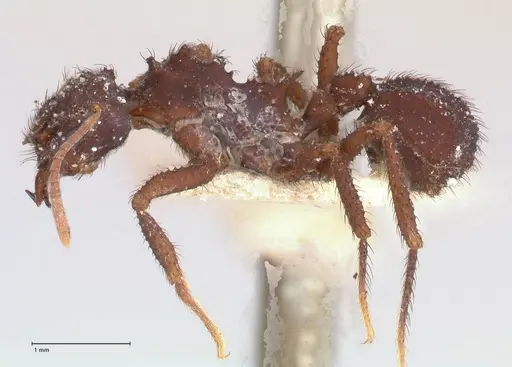
Mycetomoellerius urichii is a small fungus-farming ant native to the Neotropical region, ranging from Panama through Colombia, French Guiana, Guyana, Suriname, Venezuela, and much of Brazil . Workers are small, dark brown to black ants with distinctive spiny projections on the thorax - they have median pronotal spines, lateral pronotal spines, mesonotal spines, and propodeal spines . This species is part of the Attini tribe, meaning it cultivates a mutualistic fungus for food . The species is currently considered problematic by taxonomists, as it likely represents a species complex with multiple cryptic species hidden under one name . They are peaceful ants that possess a stinger but rarely use it, making them an interesting choice for antkeepers interested in fungus cultivation biology.
Quick Summary
- Difficulty: Medium
- Origin & Habitat: Neotropical region, found in Brazil, Colombia, French Guiana, Guyana, Panama, Suriname, Trinidad and Tobago, and Venezuela [1]. In Colombia, recorded in Magdalena region at around 250m altitude [1]. Inhabits tropical and subtropical environments.
- Colony Type: Colony structure is unconfirmed. The species has ergatoid (wingless) replacement reproductives, but this does not automatically indicate polygyne status.
- Size & Growth:
- Queen: size data unavailable
- Worker: size data unavailable
- Colony: up to several hundred workers (estimated from related Trachymyrmex species)
- Growth: Moderate
- Development: development time unconfirmed (Development timing has not been specifically studied for this species.)
- Antkeeping:
- Temperature: Keep at 24-28°C. Use a heating cable on one side of the nest to create a gentle gradient.
- Humidity: High humidity required, keep nest substrate consistently moist but not waterlogged. Aim for 70-80% relative humidity.
- Diapause: No, this is a tropical species that does not require hibernation. Keep temperatures stable year-round.
- Nesting: Y-tong (AAC) nests or plaster nests work well. They prefer tight chambers and humid conditions. Provide a foraging area with access to their fungal garden.
- Behavior: Peaceful temperament, they possess a stinger but rarely sting. Workers are active foragers that tend to their fungal cultivar. Escape risk is moderate due to their small size, use standard barrier methods.
- Common Issues: maintaining the fungal culture, the symbiotic fungus is their primary food source and can die if conditions are wrong, humidity fluctuations, too dry and the fungus dies, too wet and mold becomes a problem, temperature drops, being tropical, they are sensitive to cold and may decline in cool conditions, small colony fragility, founding colonies are slow to grow and vulnerable to stress, escape risk, workers are small and can squeeze through small gaps
The Fungus-Farming Lifestyle
Mycetomoellerius urichii belongs to the Attini tribe, the fungus-farming ants. This is one of the most fascinating mutualistic relationships in the ant world. The ants cultivate a specific fungus as their primary food source, tending it carefully in their nest [2]. The fungal cultivar for M. urichii is likely conspecific with the fungus grown by Xerolitor explicatus, as determined by molecular phylogenetic analysis [4]. In captivity, you will need to provide appropriate fungal substrate for them to cultivate. This typically involves providing organic material like leaf litter, flower petals, or specialized fungal substrate that the ants can use to grow their garden. The ants feed not on the leaves themselves but on the specialized structures (gongylidia) the fungus produces specifically for them. This makes M. urichii fundamentally different from most ant species, they don't eat typical ant foods like sugar water or insects as a primary diet. Instead, their entire colony depends on maintaining a healthy fungal culture.
Housing and Nest Setup
For Mycetomoellerius urichii, you'll want a setup that prioritizes humidity control and space for fungal cultivation. Y-tong (AAC) nests or plaster nests work well because they hold moisture consistently. The nest chambers should be appropriately sized for their small worker size, tight chambers help them feel secure. Provide a water tube attached to the nest to maintain humidity without constant misting. The foraging area should be spacious enough for them to tend their fungal garden and dispose of waste. Use a barrier like fluon on the foraging area walls to prevent escapes. Because they are small, ensure all connections and gaps are sealed, they can squeeze through surprisingly small openings. A layer of substrate in the foraging area can help maintain humidity and provide material for the ants to use in fungus cultivation.
Feeding Your Colony
Feeding Mycetomoellerius urichii is unlike keeping most other ant species. Their primary food is the fungus they cultivate, so your main task is providing appropriate substrate for them to grow their garden. Offer organic materials like dried leaf litter, flower petals, or small pieces of plant material, the ants will use these to cultivate their fungus. Some keepers report success with specialized fungal substrate or even small pieces of commercial mushroom. Beyond the fungus, you can occasionally offer very small amounts of protein like tiny insects or protein paste, but the fungus should remain their primary food source. Do not offer sugar water or honey as a primary food, these ants are specialized fungivores, not sugar-seekers. The fungal garden must remain healthy for the colony to survive, so prioritize conditions that support fungus growth: high humidity, warm temperatures, and appropriate organic substrate.
Temperature and Humidity
Being a tropical species from Central and South America, Mycetomoellerius urichii requires warm, humid conditions. Keep the nest at 24-28°C, this is the ideal range for both the ants and their fungal cultivar [5]. Use a heating cable on one side of the nest to create a gentle temperature gradient if your room temperature is below this range. Never let temperatures drop below 20°C or exceed 30°C. For humidity, aim for 70-80% relative humidity inside the nest. The substrate should feel consistently moist but never waterlogged. A water tube connected to the nest chamber helps maintain steady humidity through evaporation. Check regularly that the fungal garden is healthy, if the fungus looks dry or discolored, increase humidity immediately. Unlike temperate species, these ants do not require any diapause or winter rest, maintain stable tropical conditions year-round.
Colony Development
Colony founding behavior is unconfirmed for this species. The queen may seal herself in a chamber and raise first workers alone on stored fat reserves, but this has not been specifically documented. Founding colonies grow slowly at first because the queen must establish the fungal culture while raising her first brood. The colony will remain small for the first several months as the fungus garden establishes itself. Once established, growth becomes more steady as more workers can tend the expanding fungal colony. Maximum colony size is estimated at several hundred workers based on related species in the genus. Be patient with founding colonies, the dual task of raising brood AND cultivating fungus means growth is inherently slower than most ant species.
Behavior and Temperament
Mycetomoellerius urichii is a peaceful species with a non-aggressive temperament. Workers are active foragers that spend much of their time tending the fungal garden and collecting organic material for substrate. They are diurnal and maintain steady activity during daylight hours. They possess a stinger but rarely use it, their small size also means any sting would be very mild. Escape prevention should be moderate, while not strong climbers, their small size allows them to squeeze through tiny gaps. Use standard barrier methods like fluon on smooth surfaces. The most interesting behavior to observe is how the ants carefully tend their fungal garden, adding substrate, pruning the fungus, and harvesting the gongylidia (specialized food structures) it produces. This fungiculture behavior is unique to the Attini tribe and makes these ants fascinating to watch.
Frequently Asked Questions
What do Mycetomoellerius urichii ants eat?
They are fungus-farming ants, they cultivate a mutualistic fungus as their primary food source. Provide organic materials like dried leaf litter, flower petals, or small plant matter for them to use as fungal substrate. The ants eat the specialized gongylidia structures the fungus produces for them. Do not rely on sugar water or insects as primary foods.
How long does it take for first workers to emerge?
Development time is unconfirmed for this specific species. Based on patterns from related Trachymyrmex species, expect several months from egg to first worker at optimal temperature (24-28°C). Founding colonies grow slowly because the queen must establish both brood and fungal garden simultaneously.
Can I keep Mycetomoellerius urichii in a test tube setup?
Test tubes can work for founding colonies, but you will need to transition them to a more substantial setup once the colony grows, as they need space for their fungal garden. A Y-tong or plaster nest with a water tube is more suitable for established colonies.
Do these ants need hibernation?
No, being a tropical species from Central and South America, they do not require hibernation or diapause. Keep temperatures stable at 24-28°C year-round. Cold temperatures can stress the colony and harm the fungal culture.
Are Mycetomoellerius urichii good for beginners?
They are rated as medium difficulty. While peaceful and not dangerous, the specialized fungus-farming requirement makes them more challenging than typical ants. You must maintain the fungal culture for the colony to survive. They are best suited for antkeepers interested in the unique biology of fungus-farming ants.
How big do colonies get?
Based on related Trachymyrmex species, colonies likely reach several hundred workers at maximum. Growth is slow to moderate, and the fungal garden size often limits colony population.
Why is my fungus garden dying?
The fungal culture is sensitive to conditions. Common causes include: too low humidity (keep substrate moist), temperatures outside 24-28°C, contaminated substrate, or disturbance. Ensure stable humidity, appropriate temperature, and use clean organic material for substrate.
Can I keep multiple queens together?
Colony type (monogyne/polygyne) is unconfirmed for this species. While ergatoid replacement reproductives are known, their social structure has not been specifically documented. It is not recommended to combine unrelated foundress queens in captivity as they may fight.
What temperature range is ideal?
Keep nest at 24-28°C. Use a heating cable on one side of the nest to create a gradient if needed. Never let temperatures drop below 20°C or exceed 30°C. Warm, stable conditions are essential for both the ants and their fungal cultivar.
Is this species hard to keep?
Medium difficulty. The main challenge is maintaining the symbiotic fungal culture, without healthy fungus, the colony cannot survive. This requires more attention to humidity and substrate than typical ants. However, they are peaceful, non-aggressive, and fascinating to observe.
Where is this species found in the wild?
They are found across the Neotropical region: Panama, Colombia, French Guiana, Guyana, Suriname, Venezuela, and much of Brazil. In Colombia, they have been recorded in the Magdalena region at around 250m altitude.
Report an Issue
The current care sheet is based fully on literature. See inconsistencies, or something that's incorrect? Please , it will be resolved after review from an admin. Contributing to the blogs tab also helps providing information, to make us be able to further improve the caresheets. Thank you for your support!
References

This caresheet is licensed under CC BY-SA 4.0 .
Community Blogs
CASENT0904990
View on AntWeb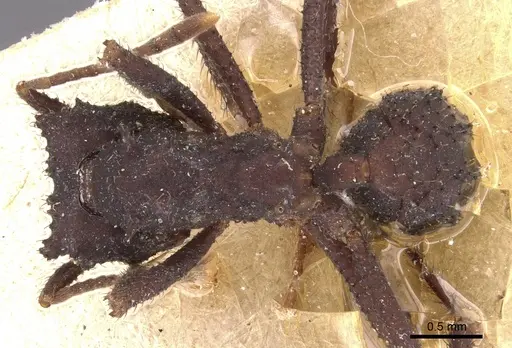
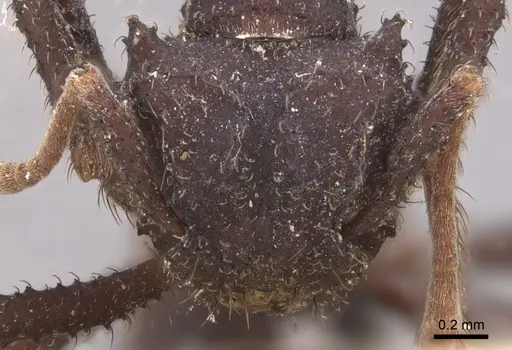
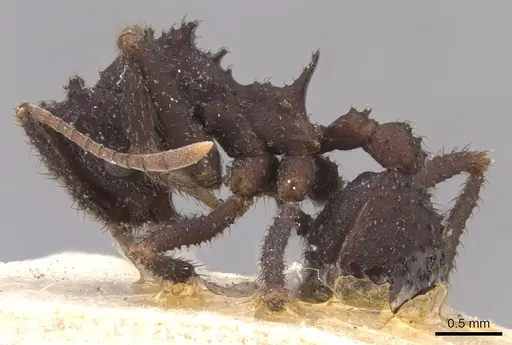
CASENT0909396
View on AntWeb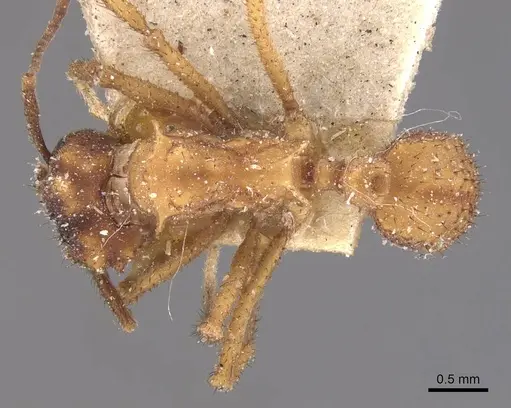
CASENT0909397
View on AntWeb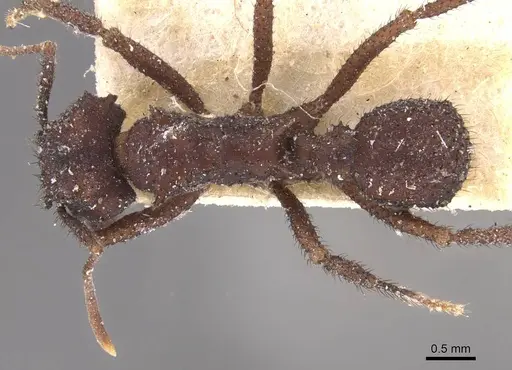
CASENT0912532
View on AntWeb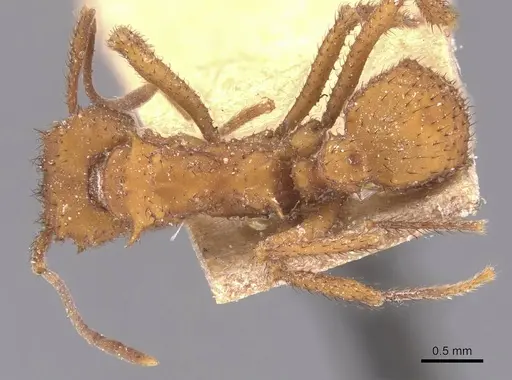
CASENT0919982
View on AntWeb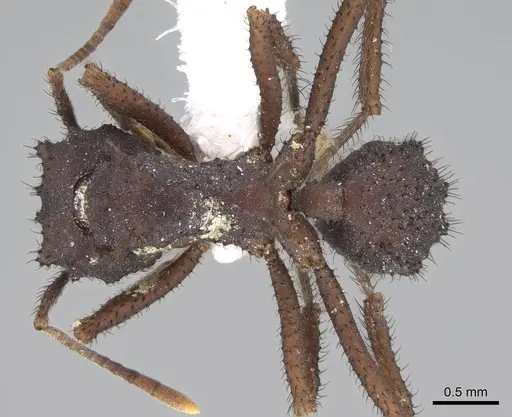
CBUMAGENT41975
View on AntWeb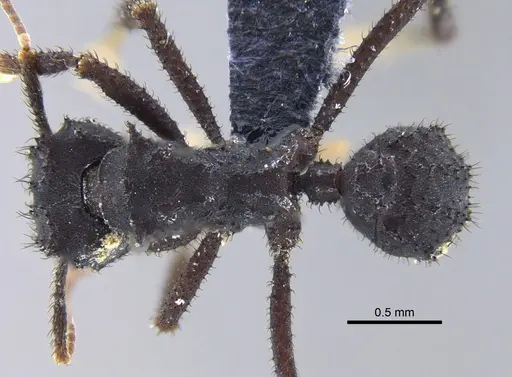
FOCOL0070
View on AntWeb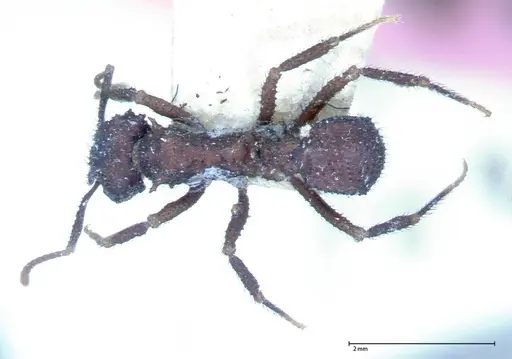
FOCOL0709
View on AntWeb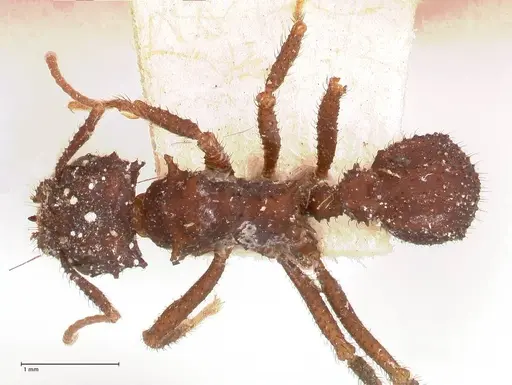
Literature
Loading distribution map...Loading products...