
Mycetomoellerius cirratus
- Sci. Name
- Mycetomoellerius cirratus
- Tribe
- Attini
- Subfamily
- Myrmicinae
- Author
- Mayhé-Nunes & Brandão, 2005
- Distribution
- Found in 1 countries
Introduction
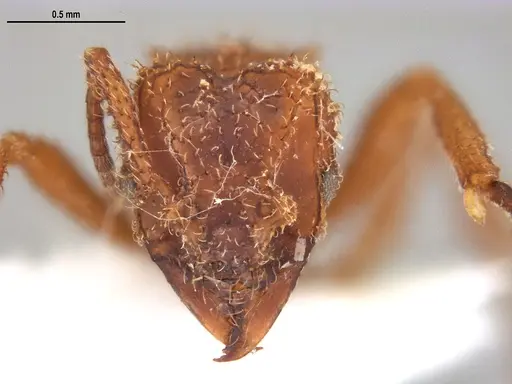
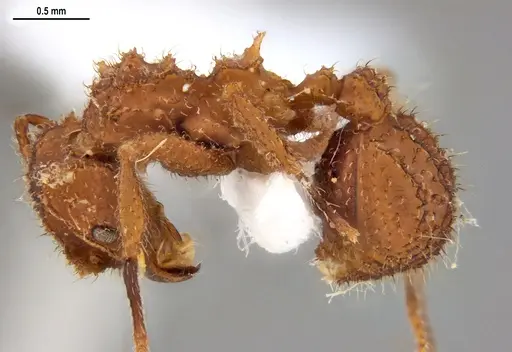
Mycetomoellerius cirratus is a small fungus-growing ant native to Brazil's Cerrado ecosystem. Workers are about 3.2-3.4 mm in total length , with a reddish-brown body and a darker spot on the head. The species nests in soil and is part of the Attini tribe, which cultivates fungus for food . This ant was formerly classified as Trachymyrmex cirratus. Unlike most ants, M. cirratus cultivates fungus on organic material like leaf litter, and the colony feeds on the fungal tissue itself.
Quick Summary
- Difficulty: Medium
- Origin & Habitat: Native to Brazilian Cerrado, a tropical savanna ecosystem, nesting in soil [1][3].
- Colony Type: Colony structure is unconfirmed, no specific data on queen number or social structure.
- Size & Growth:
- Antkeeping:
- Temperature: Keep warm, around 24-28°C, based on tropical habitat.
- Humidity: Keep nest substrate moist but not waterlogged, as fungus-growing ants need high humidity.
- Diapause: No, as a tropical species.
- Nesting: Soil nests are preferred [1].
- Behavior: Workers are small and peaceful, escape risk is moderate due to size. They cultivate fungus rather than foraging for typical ant food. Primary defense is stinging, as typical for Myrmicinae ants.
- Common Issues: fungal garden failure due to dry conditions can kill the colony., overfeeding can cause mold, damaging the fungus., escapes are possible through small gaps due to worker size., slow growth requires patience during fungal establishment.
Fungal Farming: The Essential Care Difference
Mycetomoellerius cirratus is a fungus-growing ant in the Attini tribe, which means the most critical aspect of care is the fungal garden. Unlike typical ants, these ants cultivate fungus and feed on the fungal tissue. You must provide organic material for the fungus, not direct food for the ants. Without a healthy fungal garden, the colony will starve [2].
Feeding Your Fungus Garden
Offer small pieces of leaf litter or dead plant matter for the fungus to grow. Avoid fresh green leaves, use partially decomposed material. Remove uneaten material before it molds. Do not feed sugar water or insects, as these can harm the fungus [2].
Nest Setup and Humidity
Use a test tube setup for founding colonies with a water reservoir. For established colonies, provide a soil-based nest to mimic natural soil nesting [1]. Keep the substrate moist but not waterlogged to support the fungal garden.
Temperature and Seasonal Care
As a tropical species, keep the nest warm, around 24-28°C, based on inferred needs. No hibernation is required. Maintain stable temperatures year-round.
Growth and Patience
Fungus-growing ants grow slowly due to fungal garden establishment. Colonies may take months to show significant growth. Be patient and avoid overfeeding to prevent mold.
Frequently Asked Questions
What do Mycetomoellerius cirratus ants eat?
They eat fungal tissue from their cultivated garden. Provide organic material like leaf litter for the fungus, not direct ant food [2].
How long does it take for first workers to emerge?
Unknown for this species, based on related fungus-growing ants, expect several months from founding to first workers.
Can I keep Mycetomoellerius cirratus in a test tube?
Yes, test tubes work well for founding colonies with a water reservoir [1].
What temperature do they need?
Keep them warm, around 24-28°C, based on their tropical habitat.
Do they need hibernation?
No, as a tropical species, they do not require hibernation.
Why is my colony declining despite feeding?
The fungal garden may be failing due to dry conditions or mold from overfeeding. Check humidity and remove uneaten material promptly.
Are these ants good for beginners?
They are more challenging due to fungal farming requirements, so beginners may prefer simpler species first.
How big do colonies get?
Estimated up to several hundred workers over time, based on related Attini species.
Report an Issue
The current care sheet is based fully on literature. See inconsistencies, or something that's incorrect? Please , it will be resolved after review from an admin. Contributing to the blogs tab also helps providing information, to make us be able to further improve the caresheets. Thank you for your support!
References

This caresheet is licensed under CC BY-SA 4.0 .
Community Blogs
UFV-LABECOL-005105
View on AntWeb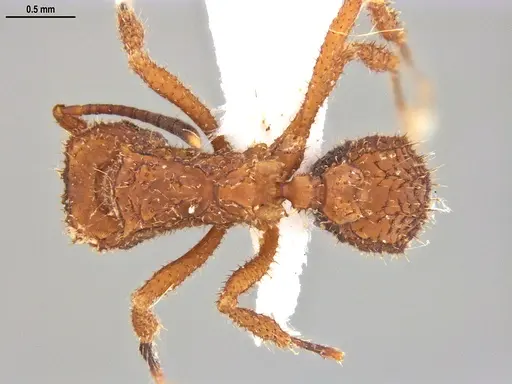
Literature
Loading distribution map...Loading products...