
Mycetomoellerius atlanticus
- Sci. Name
- Mycetomoellerius atlanticus
- Tribe
- Attini
- Subfamily
- Myrmicinae
- Author
- Mayhé-Nunes & Brandão, 2007
- Distribution
- Found in 1 countries
Introduction
Mycetomoellerius atlanticus is a small fungus-growing ant native to the Atlantic coast of Brazil. Workers measure 4.3–5.6 mm total length and have a distinctive light yellow to yellowish-brown coloration with darker spots on the head, mesosoma, and gaster, giving them a smudged appearance . Like all Attini ants, they cultivate a fungus garden as their primary food source. This species belongs to the Jamaicensis group, characterized by antennal scrobes that reach the posterior margin of the head and spiny projections on the pronotum and mesonotum . They are found exclusively in coastal restinga habitats in eastern Brazil, where they nest in sandy soils within coastal dunes .
Quick Summary
- Difficulty: Expert
- Origin & Habitat: Eastern Brazil (Bahia, Espírito Santo, Rio de Janeiro), specifically coastal restinga habitats and sandy coastal dunes [1][2]. This species is endemic to the Atlantic Forest domain [1].
- Colony Type: Colony structure is unconfirmed. Only the worker caste has been described – queens and males remain unknown [3]. As a fungus-growing ant in the Attini tribe, colonies likely develop similarly to other Mycetomoellerius species, but specific details have not been documented.
- Size & Growth:
- Queen: Unknown – queen caste has not been described [3]
- Worker: 4.3–5.6 mm total length (workers) [1]
- Colony: Unknown – no colony size data available
- Growth: Unknown – growth rate has not been documented
- Development: Unknown – development timeline has not been studied for this species (Based on typical Attini patterns, development likely takes several months, but this is an estimate.)
- Antkeeping:
- Temperature: As a tropical species from coastal Brazil, they need warm conditions year-round. Aim for 24–28°C if possible, but no specific data exists for this species. Avoid prolonged temperatures below 22°C to protect the fungus garden.
- Humidity: They nest in sandy dunes, so keep the nest substrate moist but well-draining – not waterlogged. Provide a humidity gradient with a drier area for the ants and a moister section for the fungus garden.
- Diapause: No – this is a tropical species that does not experience cold winters. They do not require hibernation or diapause.
- Nesting: In the wild, workers build nests in sandy soils in coastal dunes [1]. In captivity, use a naturalistic setup with moist sandy substrate or a well-humidified plaster or Y-tong (AAC) nest with a dedicated chamber for the fungus garden.
- Behavior: These ants are not aggressive and rely on their fungal cultivar for food. They possess a functional stinger, but it is not medically significant to humans. Workers forage for plant material to feed their fungus. Escape risk is moderate – they are small ants (around 5 mm) but standard fluon or PTFE barriers work well.
- Common Issues: fungus garden maintenance is critical – the colony depends entirely on their fungal cultivar, which can fail if conditions are wrong, wild-caught colonies may carry Escovopsis fungal parasites that can destroy the fungus garden [4], unknown queen and mating biology makes captive breeding challenging, limited availability – this species is rarely available in the antkeeping hobby, specific humidity and temperature requirements are poorly documented, requiring careful observation
Fungus-Growing Biology
Mycetomoellerius atlanticus belongs to the Attini tribe, commonly known as fungus-growing ants. These ants have a unique agricultural symbiosis – they cultivate a specific fungus as their primary food source. Workers forage for plant material (dead leaves, flowers, fruit) and feed it to the fungus, which they tend in a specialized garden chamber within their nest [4]. This species is associated with Escovopsis, a fungal parasite that can attack the ant's fungal cultivar, and also carries beneficial Pseudonocardia actinobacteria on their cuticle that help protect the fungus garden from parasites [4]. Keeping this species requires understanding and maintaining this delicate fungal symbiosis.
Natural Habitat and Distribution
This species is endemic to the Atlantic Forest domain of eastern Brazil, found in the states of Bahia, Espírito Santo, and Rio de Janeiro [1]. It is the most common Mycetomoellerius species in the Restinga da Marambaia area [1]. Restinga is a unique coastal habitat with sandy soils and scrub vegetation. Workers build their nests in sandy soils within coastal dunes [1]. This coastal distribution suggests they are adapted to humid, warm conditions with access to abundant plant material for their fungus garden.
Feeding and Nutrition
As fungus-growing ants, they do not eat typical ant foods like sugar water or insects directly. Instead, they require a constant supply of fresh plant material to feed their fungal cultivar. Offer small pieces of fresh leaves, flower petals, fruit, or other organic plant matter regularly. The quality and variety of plant material directly affects the health of the fungus garden. Avoid feeding directly to the ants – they will process plant material and feed it to the fungus. Remove any uneaten plant material before it molds, as mold can destroy the fungus garden. Do not offer sugar water or honey, as this is not part of their natural diet.
Nest Setup and Housing
In captivity, these ants need a nest setup that accommodates both the colony and their fungus garden. A naturalistic setup with a chamber filled with moist sandy substrate works well, mimicking their natural coastal dune nesting behavior [1]. Alternatively, a well-humidified plaster or Y-tong (AAC) nest with a dedicated garden chamber can work. The nest should maintain high humidity without becoming waterlogged. Provide an outworld area where workers can forage for plant material you add. Use standard escape prevention (fluon or PTFE) – their small size (around 5 mm) means barriers must be clean and free of debris.
Temperature and Seasonal Care
As a tropical species from coastal Brazil, Mycetomoellerius atlanticus requires warm temperatures year-round. Keep the nest at 24–28°C for optimal fungus and colony health. Use a heating cable placed on one side of the nest to create a temperature gradient, allowing the ants to choose their preferred zone. They do not require hibernation or diapause – maintain tropical conditions throughout the year. Room temperature in most homes may be too cool, so monitor with a thermometer and adjust heating accordingly. Avoid temperature drops below 22°C, as this can harm the fungus garden.
Challenges and Common Problems
This species presents significant challenges for antkeepers. The primary difficulty is maintaining the fungal symbiosis – the colony depends entirely on their fungus garden, which can fail due to incorrect humidity, temperature, or parasite infection. Escovopsis fungal parasites are known to attack these ants' fungal cultivars [4], and wild-caught colonies may introduce these parasites. Additionally, this species is rarely available in the antkeeping hobby since only workers have been described and nothing is known about their queen biology or nuptial flights. Captive breeding has not been documented. Expect a steep learning curve and be prepared for the possibility of colony failure while learning their requirements.
Legal and Ethical Considerations
Mycetomoellerius atlanticus is native to Brazil. If you obtain a colony, ensure it was acquired legally and ethically. Never release this species or any non-native ant outside its natural range, as it could disrupt local ecosystems. This species is not established in the antkeeping hobby, so prospective keepers should research thoroughly and only source from reputable breeders who can verify their stock was captive-bred.
Frequently Asked Questions
What do Mycetomoellerius atlanticus ants eat?
They are fungus-growing ants that cultivate fungus as their food source. You should provide fresh plant material like leaf fragments, flower petals, or fruit for the ants to feed their fungus garden. Do not offer sugar water or insects directly – they do not consume these.
How do I set up a nest for Mycetomoellerius atlanticus?
Use a naturalistic setup with moist sandy substrate or a well-humidified plaster or Y-tong nest with a dedicated chamber for the fungus garden. The nest should maintain high humidity without being waterlogged [1].
What temperature do they need?
Aim for 24–28°C, which matches warm tropical conditions. Use a heating cable if needed to maintain these temperatures. No specific data exists for this species, so monitor your colony and adjust based on the fungus garden's health.
Do they need hibernation?
No, they are tropical ants from Brazil and do not require hibernation or diapause. Maintain warm temperatures year-round.
Are Mycetomoellerius atlanticus good for beginners?
No, this is an expert-level species. They require maintaining a complex fungal symbiosis, and their specific care requirements are poorly documented. They are also rarely available in the hobby.
How big do colonies get?
Colony size is unknown – this species has not been studied in detail, and only workers have been described. Colony size data is not available.
Why is my fungus garden dying?
Fungus gardens can fail due to incorrect humidity (too dry or too wet), temperature outside their preferred range (24–28°C), or parasite infection (Escovopsis fungal parasite) [4]. Ensure proper conditions and avoid introducing contaminants.
Where can I get this species?
This species is extremely rare in the antkeeping hobby. It is not commonly available from breeders, and wild collection would require expertise and permits in Brazil. This is not a species you are likely to find for sale.
Can I keep multiple queens together?
This is unknown – queen biology has not been documented for this species. Only workers have been described, and nothing is known about their colony founding behavior or social structure.
Report an Issue
The current care sheet is based fully on literature. See inconsistencies, or something that's incorrect? Please , it will be resolved after review from an admin. Contributing to the blogs tab also helps providing information, to make us be able to further improve the caresheets. Thank you for your support!
References

This caresheet is licensed under CC BY-SA 4.0 .
Community Blogs
UFV-LABECOL-005151
View on AntWeb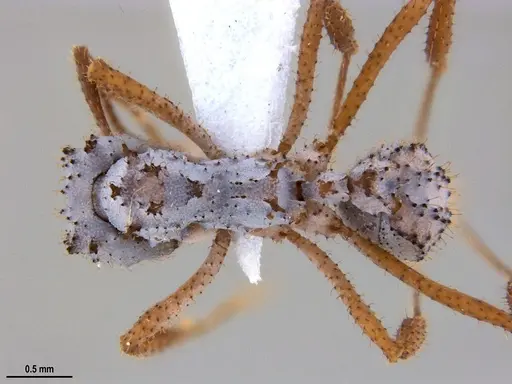
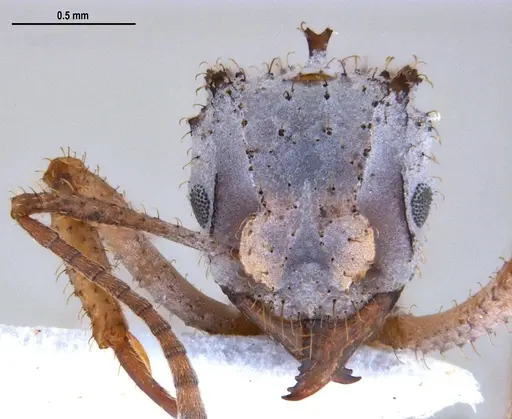
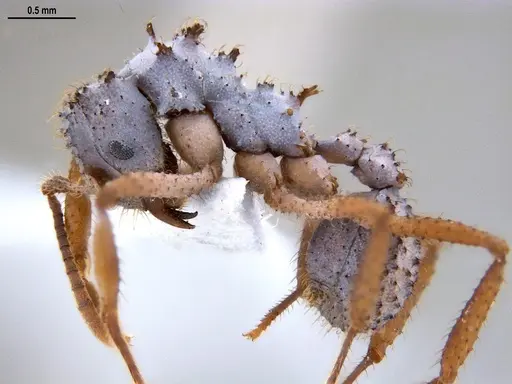
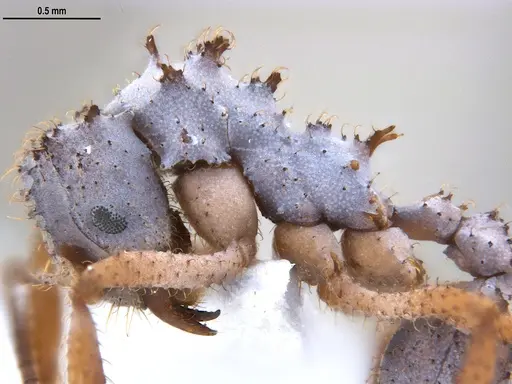
Literature
Loading distribution map...Loading products...