
Monomorium zulu
- Sci. Name
- Monomorium zulu
- Tribe
- Solenopsidini
- Subfamily
- Myrmicinae
- Author
- Santschi, 1914
- Distribution
- Found in 1 countries
Introduction
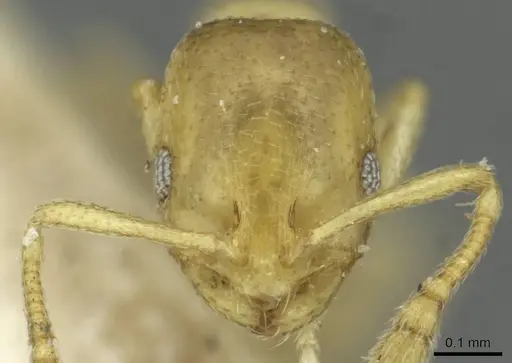
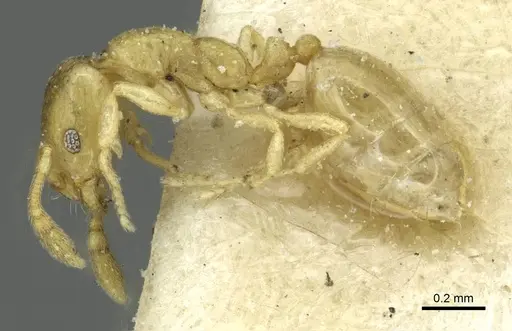
Monomorium zulu is a tiny ant species native to southern Africa, specifically South Africa's Zululand region. Workers measure just 1.7-1.8mm in total length, making them one of the smaller ant species you'll encounter . They belong to the Monomorium salomonis species group (mediocre complex), which includes several similar small ants found across Africa and the Middle East. The species was first described by Santschi in 1914 from specimens collected at the junction of the Umfolozi rivers in Zululand . These ants have a smooth body surface and very small eyes with only 5-6 ommatidia, reflecting their ground-dwelling lifestyle in open habitats . This species has been documented as an indicator species in African savanna fire regime studies, suggesting it thrives in specific ecological conditions related to open woodland habitats . While closely related to Monomorium rabirium, they can be distinguished by eye size and body sculpture differences .
Quick Summary
- Difficulty: Medium
- Origin & Habitat: Native to South Africa (Zululand/Natal region). Found in open woodland habitats across the southern African savanna [1][2].
- Colony Type: Colony structure is unconfirmed. Based on genus patterns, likely single-queen (monogyne) colonies, but this has not been directly documented.
- Size & Growth:
- Queen: Unconfirmed, no documented queen measurements for this species. Related Monomorium species typically have queens around 4-6mm.
- Worker: 1.7-1.8mm [1]
- Colony: Unknown, no colony size data available. Based on related species in the salomonis group, colonies may reach up to 500 workers.
- Growth: Unknown, likely moderate based on genus patterns
- Development: Estimated 6-8 weeks at optimal temperature based on related Monomorium species. (Development timeline is estimated, not directly studied for this species. Very small size may result in faster development compared to larger ants.)
- Antkeeping:
- Temperature: Based on South African origin, aim for warm conditions around 22-28°C. Provide a temperature gradient allowing workers to select their preferred zone. Avoid temperatures below 18°C or above 32°C.
- Humidity: Open woodland species, prefer moderate humidity around 50-70%. Provide a moisture gradient with a damp test tube or nest area and drier areas available. Avoid waterlogging.
- Diapause: Unknown for this species. Southern African ants may reduce activity during cooler winter months but likely do not require true hibernation. Consider a cool period (15-18°C) for 2-3 months during winter if colony shows reduced activity.
- Nesting: Natural nesting in open woodland soil or under stones. In captivity, standard test tubes or small nests work well. Their tiny size requires tight-fitting lids and fine mesh barriers to prevent escapes. Y-tong nests with narrow chambers are suitable.
- Behavior: These are tiny, ground-dwelling ants with very small eyes, suggesting limited visual capability. They likely rely more on chemical trails and tactile senses. Workers are probably generalist foragers, collecting nectar, small insects, and honeydew like other Monomorium species. Their small size means escape prevention must be excellent, they can squeeze through remarkably small gaps. Handle gently as their small size makes them fragile. As members of the Solenopsidini tribe, they possess a sting but due to their tiny size, they are unlikely to penetrate human skin.
- Common Issues: escape prevention is critical, their tiny 1.7mm size means they can squeeze through standard mesh and lid gaps, limited data means care requirements are estimated from genus patterns rather than direct observation, wild-caught colonies may carry parasites or diseases that can cause captive failures, overheating risk is higher due to small body mass, avoid direct heat sources, colonies may be slow to establish due to unknown founding behavior
Housing and Nest Setup
Monomorium zulu requires careful housing due to their extremely small size. Workers measure only 1.7-1.8mm, which means they can escape through gaps that would hold back larger ants. Use test tubes with tight-fitting cotton plugs, or if using formicariums, ensure all connections are sealed and use fine mesh (at least 0.5mm) for any ventilation. A small Y-tong or acrylic nest with narrow chambers scaled to their tiny size works well. Provide an outworld area for foraging that is also escape-proof, these ants are surprisingly good climbers despite their small size. Keep nesting areas dark as they prefer dim conditions like their natural open woodland habitat. [2][1]
Feeding and Diet
Like other Monomorium species, these ants are likely generalist feeders. Offer sugar water or honey water as a constant energy source, they will readily accept sweet liquids. For protein, provide small prey items like fruit flies, pinhead crickets, or other tiny insects. Given their very small size, prey should be appropriately sized, small ants need small prey. They may also tend aphids for honeydew if given the opportunity. Feed small amounts every 2-3 days and remove uneaten food to prevent mold. Fresh protein is likely important for colony growth.
Temperature and Seasonal Care
As a southern African species from the Zululand region, Monomorium zulu prefers warm conditions. Aim for temperatures between 22-28°C in the nest area, with a slight gradient so workers can choose their preferred zone. Room temperature in most homes (20-24°C) should be suitable. Provide a heat source like a heating cable or mat on one side of the nest if your room is cooler. During winter, if the colony shows reduced activity, consider providing a cool period around 15-18°C for 2-3 months, but this is optional as true diapause may not be required. Monitor colony behavior, active, foraging ants indicate suitable temperatures.
Colony Establishment and Growth
Establishing Monomorium zulu colonies requires patience. If you obtain a founding queen, she is likely claustral (seals herself in and raises first workers alone on stored fat reserves), though this is estimated from genus patterns rather than confirmed. Expect the first nanitic (first-generation) workers to emerge smaller than normal workers. Growth rate is unknown but likely moderate, small colonies of this genus typically take several months to reach 20-30 workers. Avoid disturbing the queen during founding. Once established, colonies may grow steadily but are unlikely to reach massive sizes based on related species patterns.
Frequently Asked Questions
How long does it take for Monomorium zulu to produce first workers?
The egg-to-worker timeline is estimated at 6-8 weeks based on related Monomorium species. This is not directly documented for M. zulu, so actual timing may vary. The first workers (nanitics) will be smaller than fully-grown workers.
What size colony does Monomorium zulu reach?
Colony size is not documented in scientific literature. Based on related species in the salomonis group, colonies likely reach up to 500 workers at maturity. They are not large colony formers.
Can I keep Monomorium zulu in a test tube?
Yes, test tubes work well for founding colonies. However, their tiny size requires excellent escape prevention, ensure cotton plugs are packed tightly and consider adding a thin layer of fluon to tube openings. They can squeeze through surprisingly small gaps.
What temperature do Monomorium zulu need?
Keep them warm at 22-28°C. A heating cable on one side of the nest can provide warmth if your room is cooler. Avoid temperatures below 18°C or above 32°C.
Are Monomorium zulu good for beginners?
This species is rated as Medium difficulty. While small and fascinating, their tiny size makes escape prevention challenging, and limited documented care information exists. Beginners may prefer larger, more documented species.
Do Monomorium zulu need hibernation?
Diapause requirements are unknown for this species. Based on their southern African origin, true hibernation is likely not required. A cool period (15-18°C) for 2-3 months during winter may be beneficial if the colony shows reduced activity.
What do Monomorium zulu eat?
They likely accept sugar sources (honey water, sugar water) and small protein prey (fruit flies, tiny insects). Feed small amounts every 2-3 days and remove uneaten food.
How do I prevent Monomorium zulu from escaping?
Escape prevention is critical due to their tiny 1.7mm size. Use fine mesh (0.5mm or smaller), ensure all lids fit tightly, and consider applying fluon to barrier edges. Check connections between nest and outworld regularly.
Where is Monomorium zulu found in the wild?
This species is native to South Africa's Zululand and Natal regions. They live in open woodland habitats across the southern African savanna.
Report an Issue
The current care sheet is based fully on literature. See inconsistencies, or something that's incorrect? Please , it will be resolved after review from an admin. Contributing to the blogs tab also helps providing information, to make us be able to further improve the caresheets. Thank you for your support!
References

This caresheet is licensed under CC BY-SA 4.0 .
Community Blogs
CASENT0257216
View on AntWeb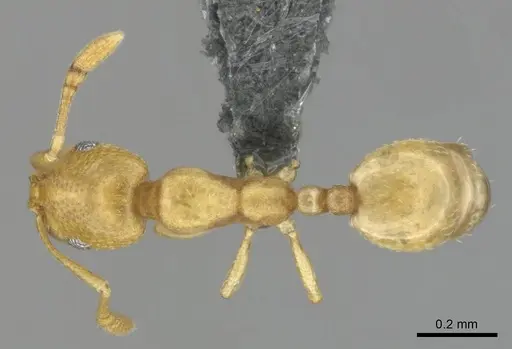
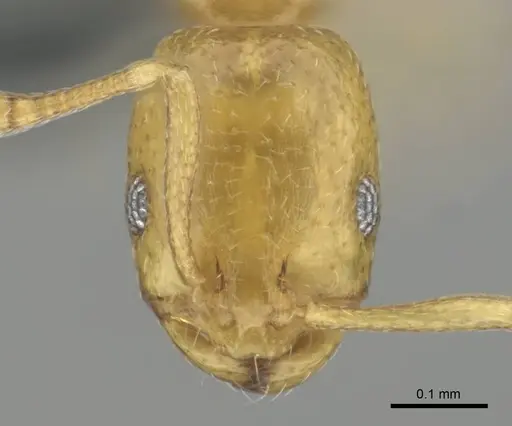
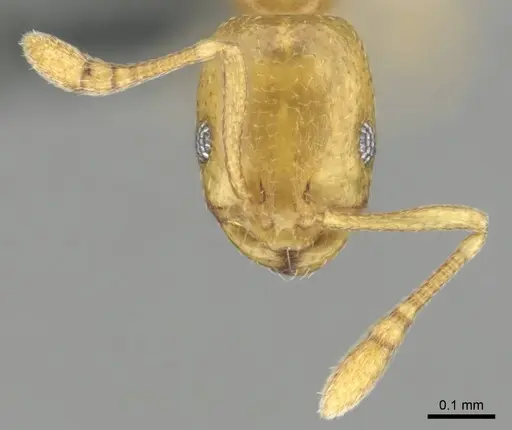
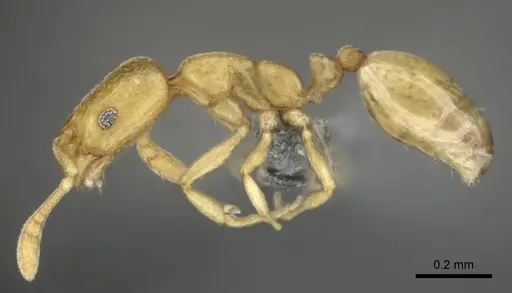
CASENT0913866
View on AntWeb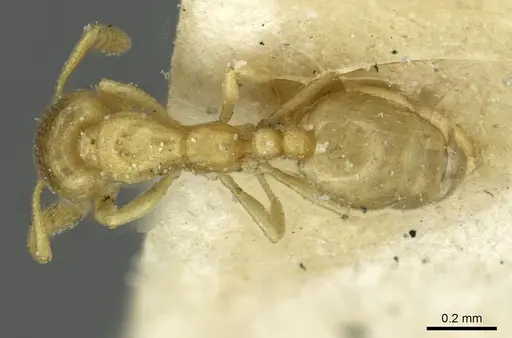
Literature
Loading distribution map...Loading products...