
Monomorium termitobium
- Sci. Name
- Monomorium termitobium
- Tribe
- Solenopsidini
- Subfamily
- Myrmicinae
- Author
- Forel, 1892
- Distribution
- Found in 5 countries
Introduction
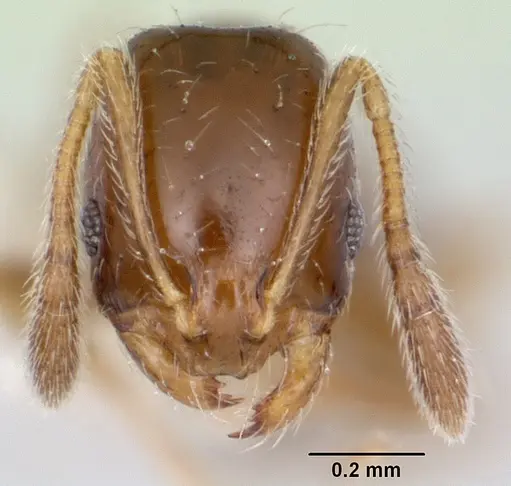
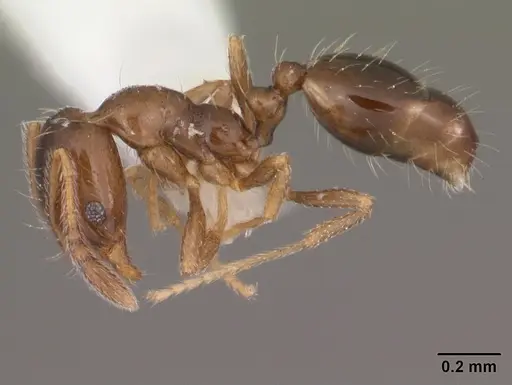
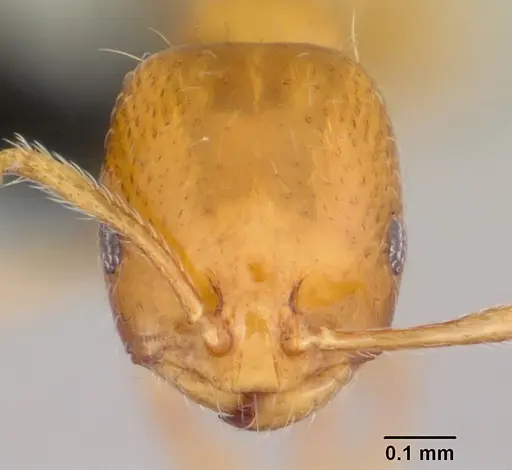
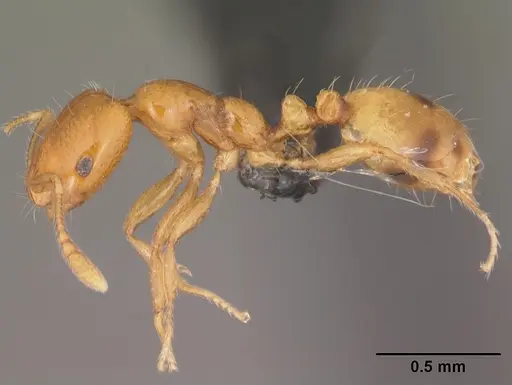
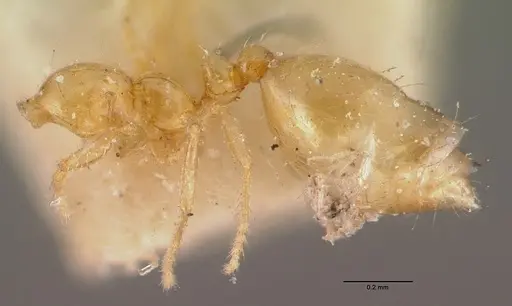
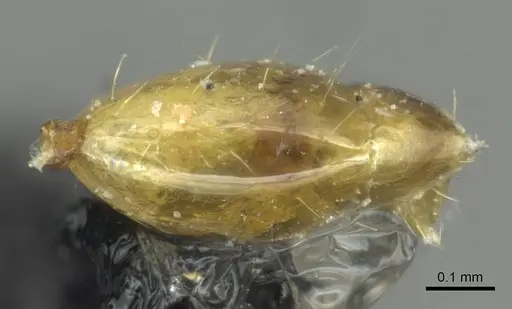
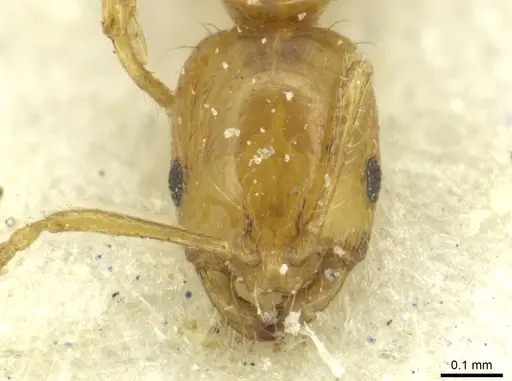
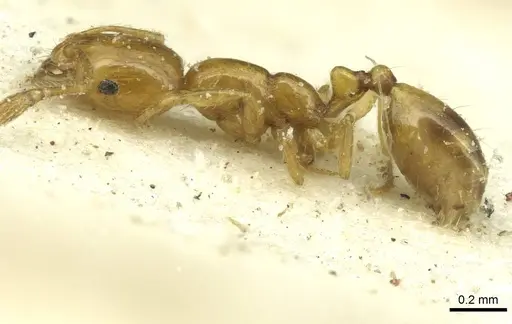
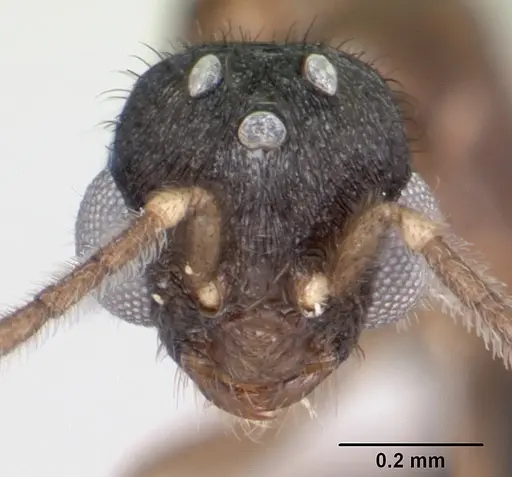
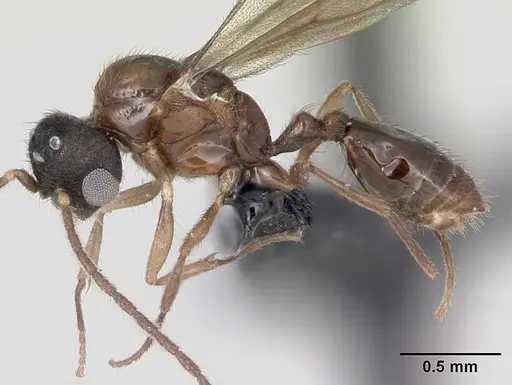
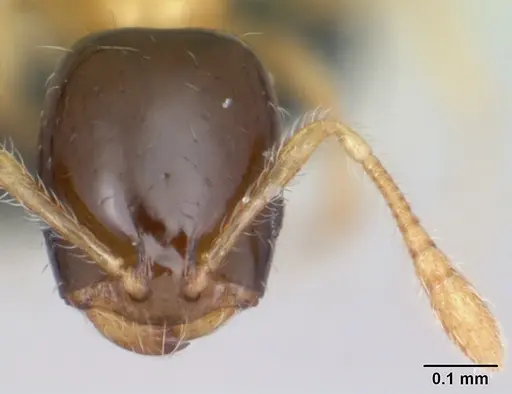
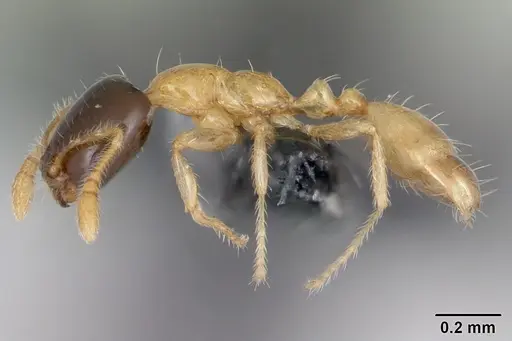
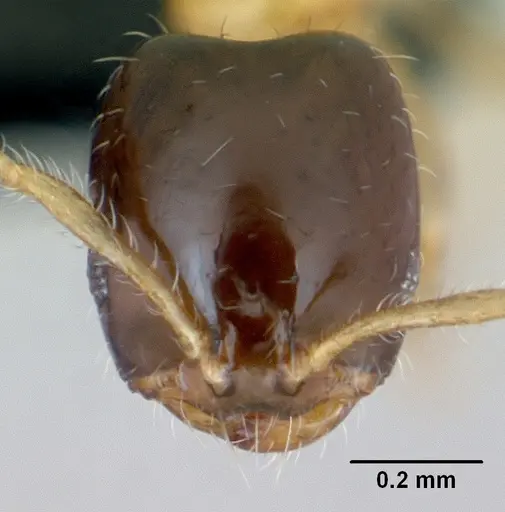
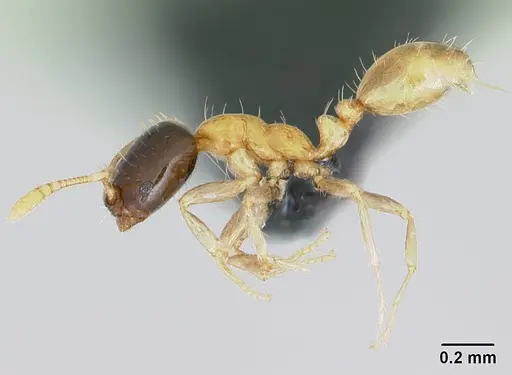
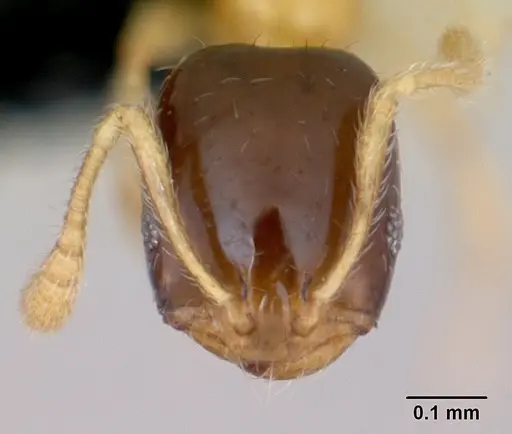
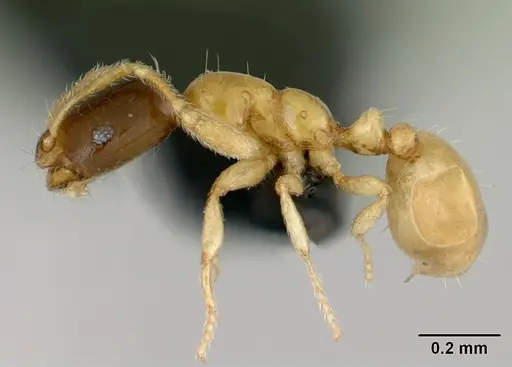
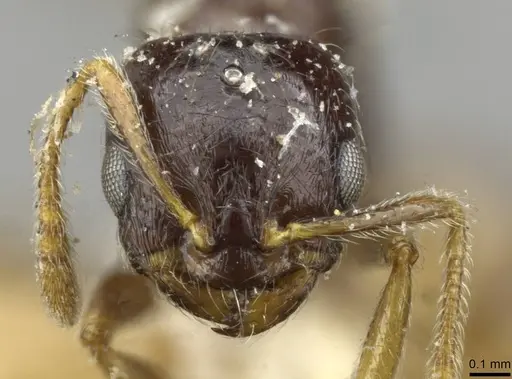
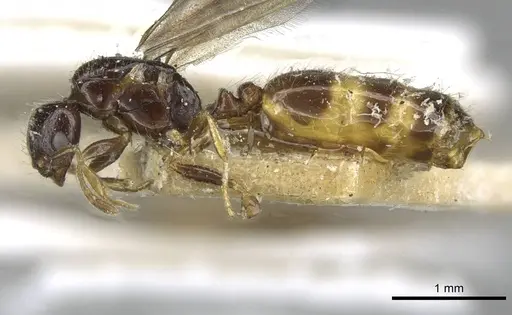
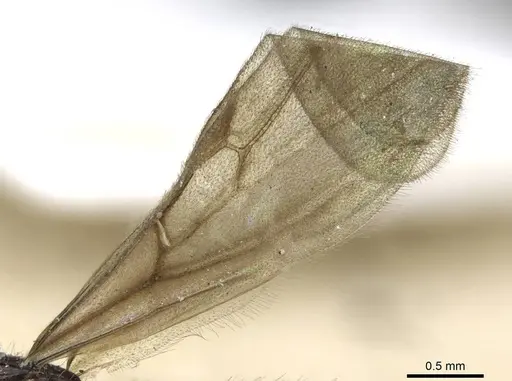
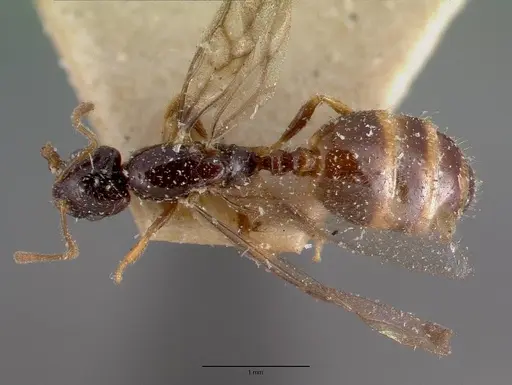
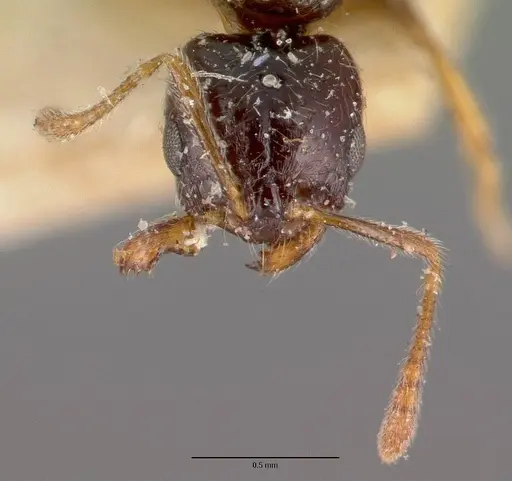
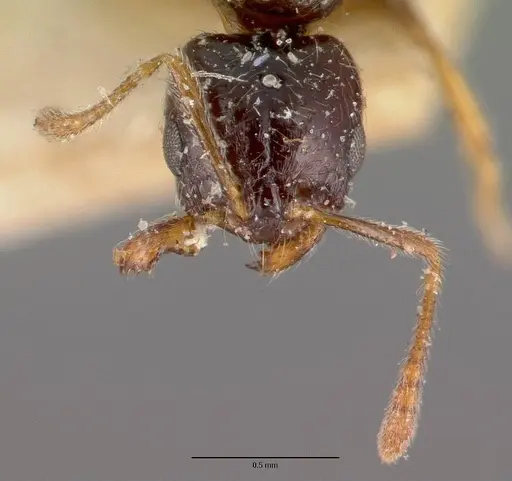
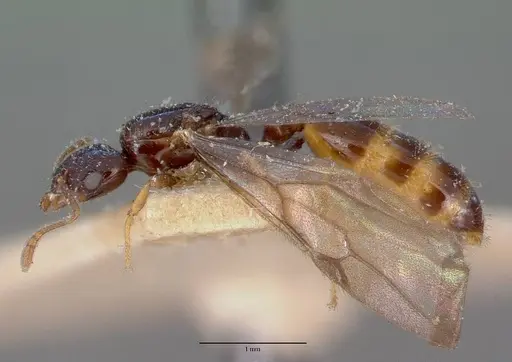
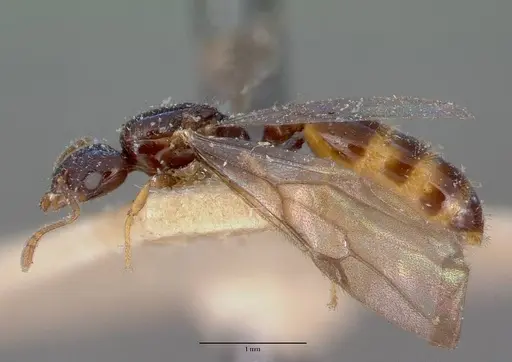
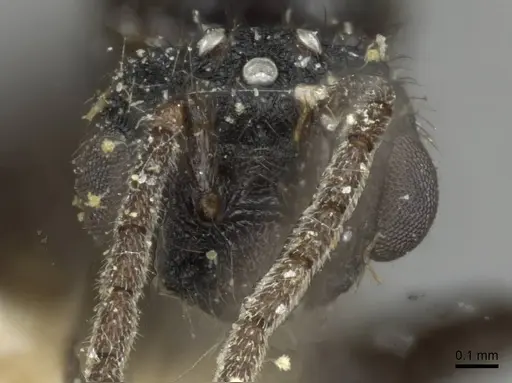
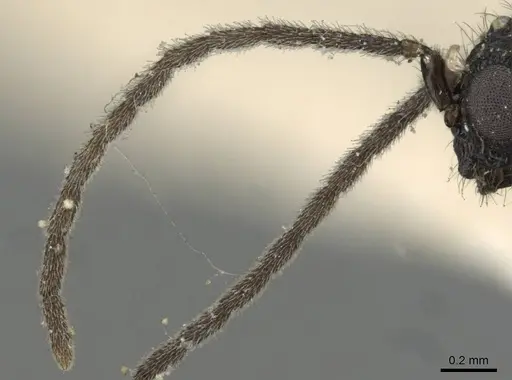
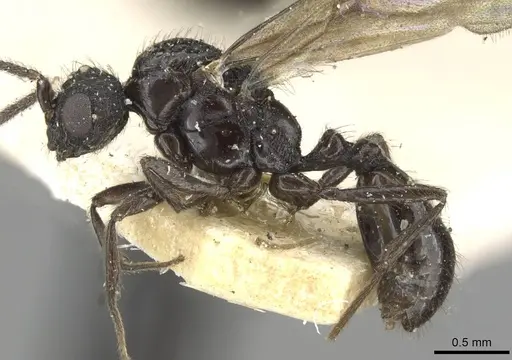
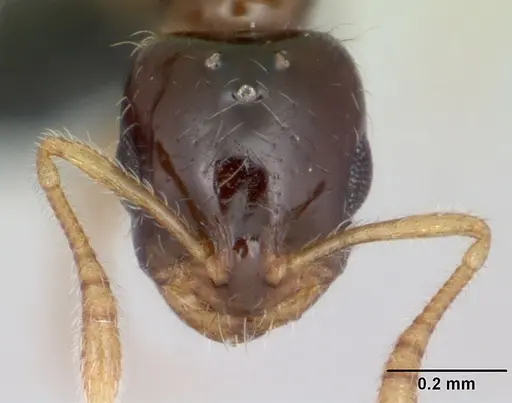
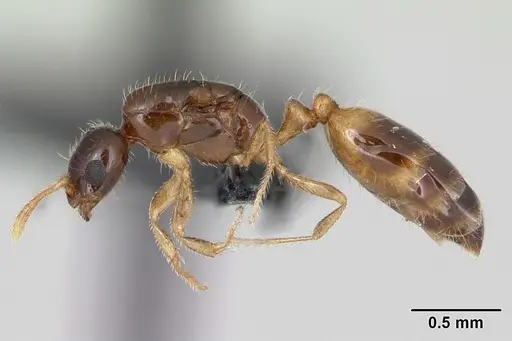
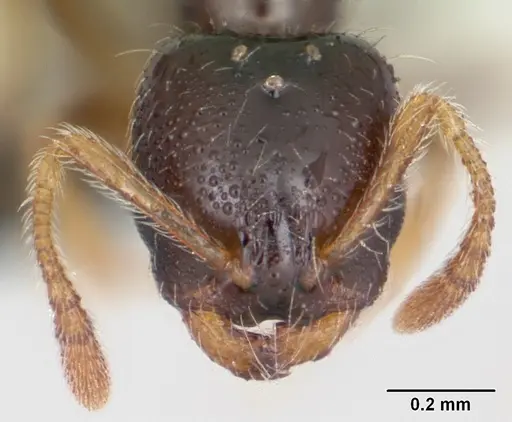
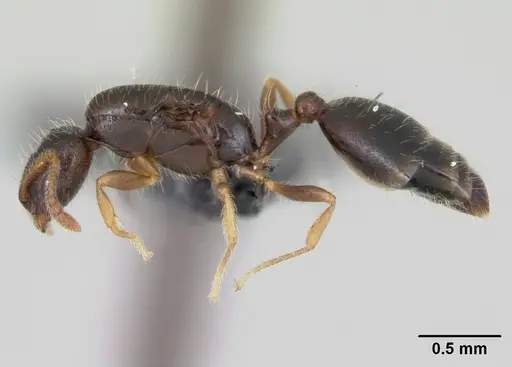
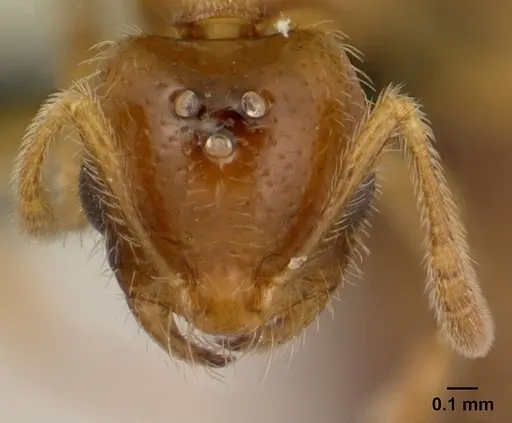
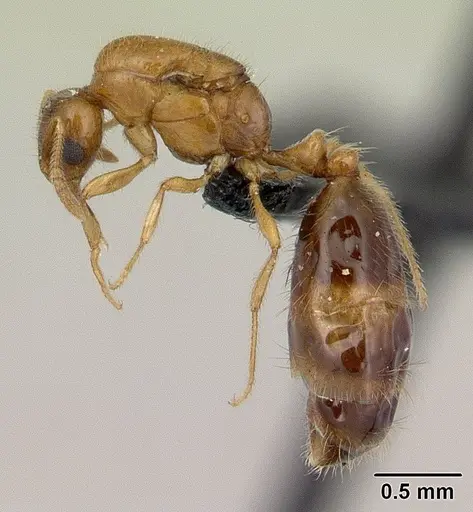
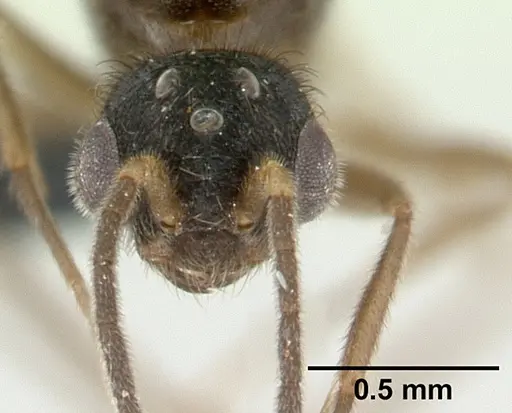
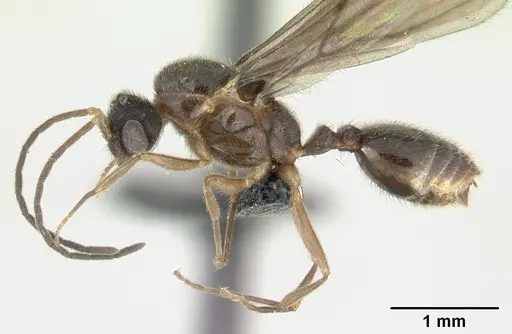
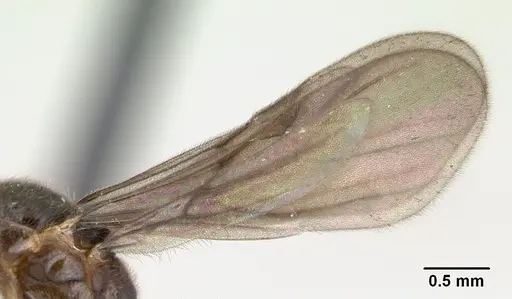
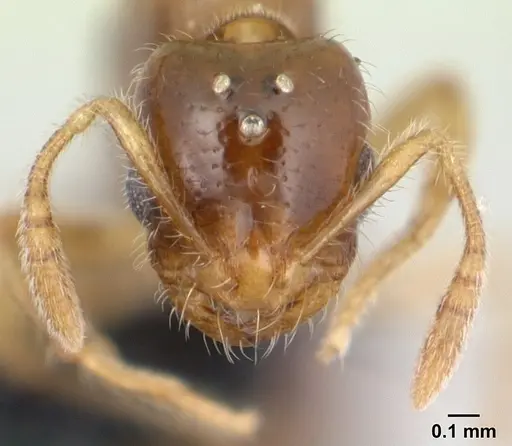
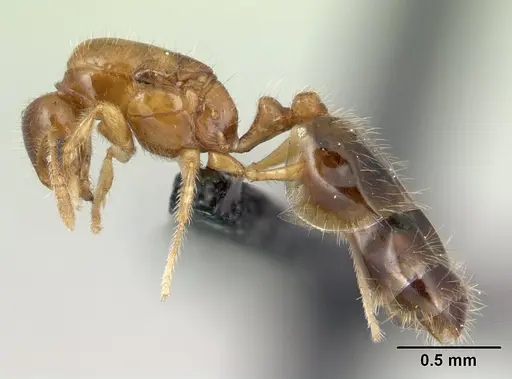
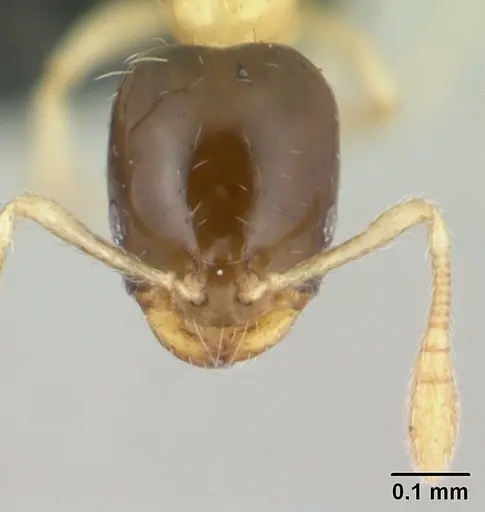
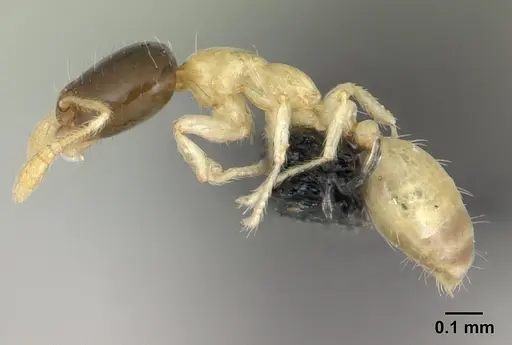
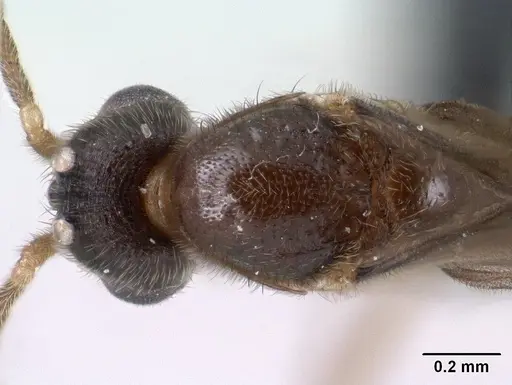
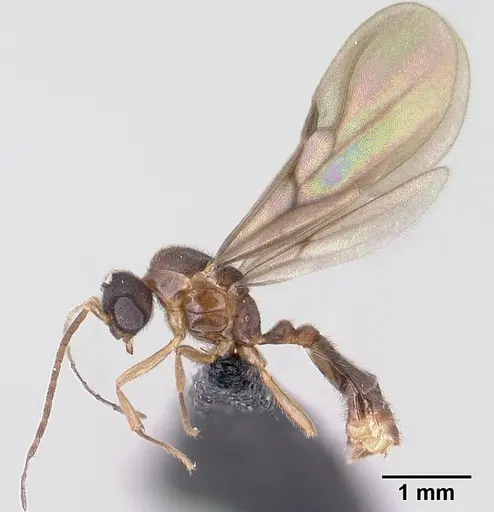
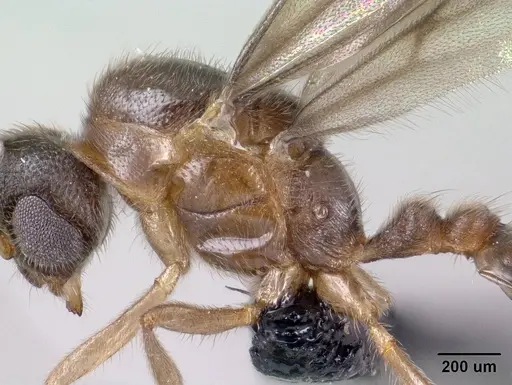
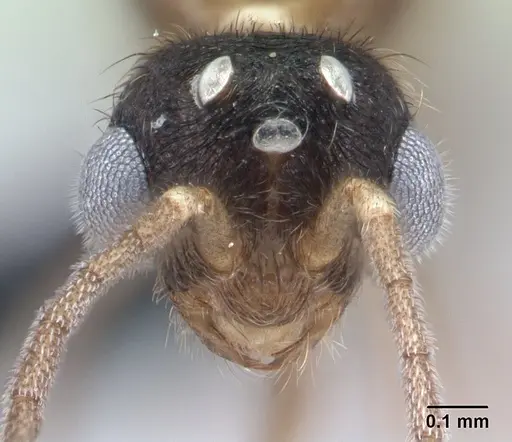
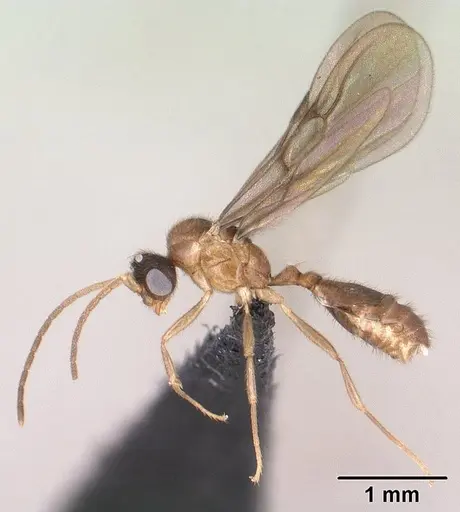
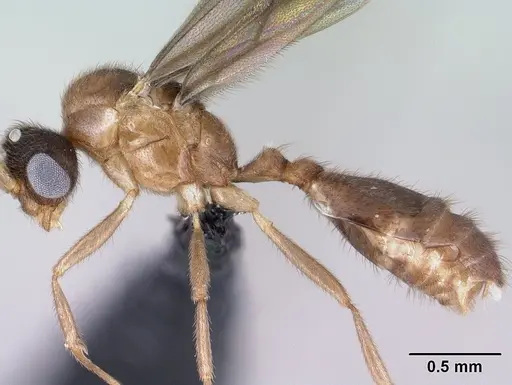
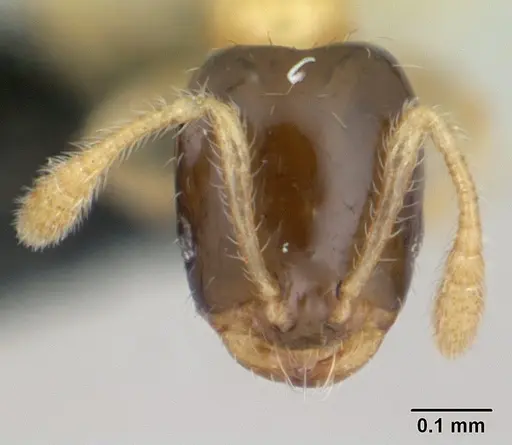
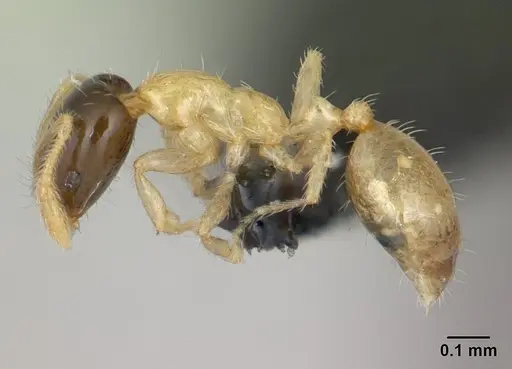
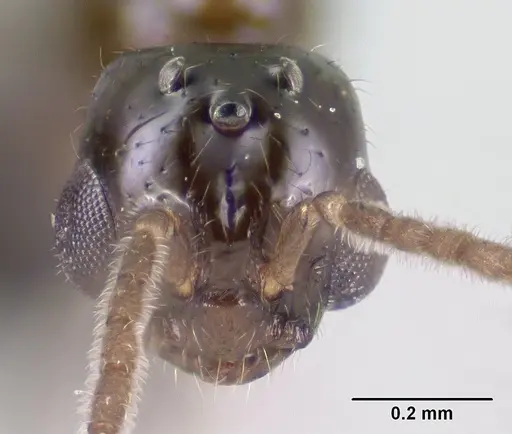
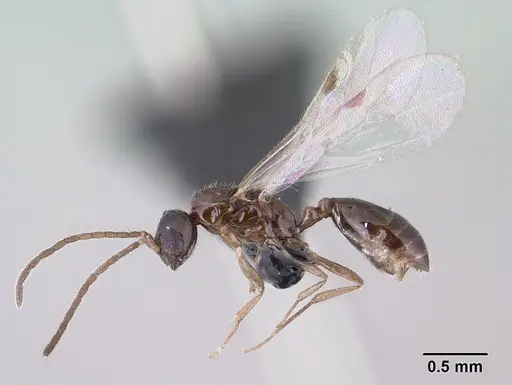
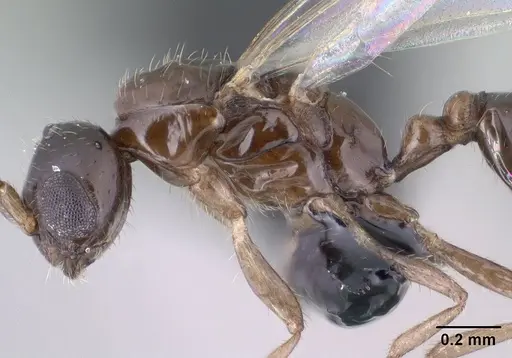
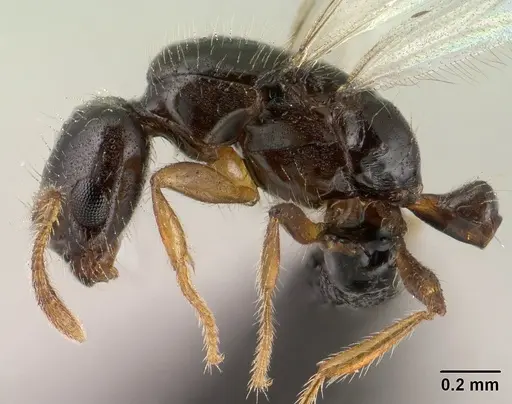
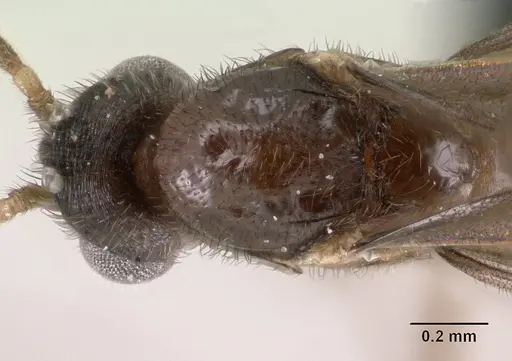
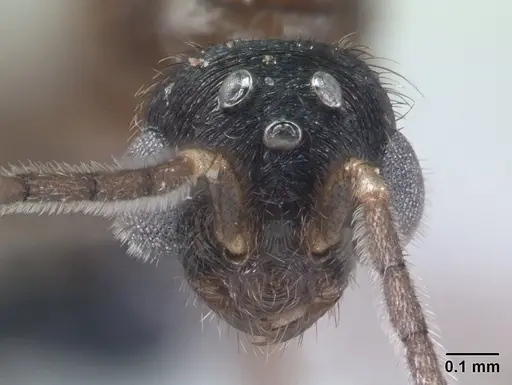
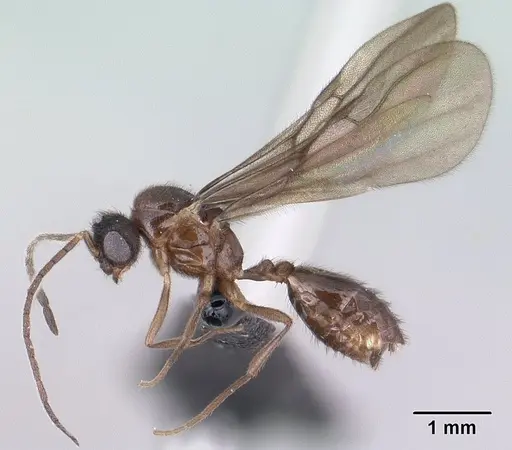
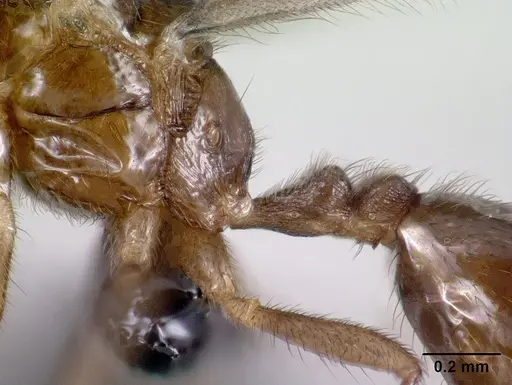
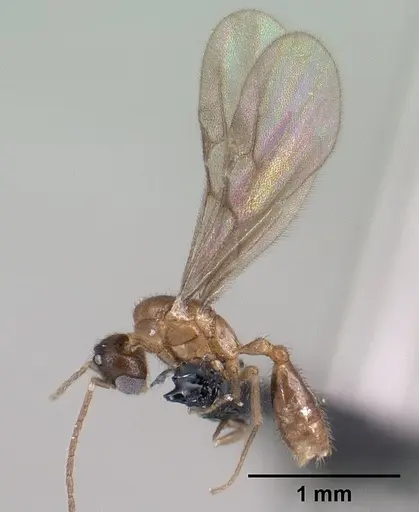
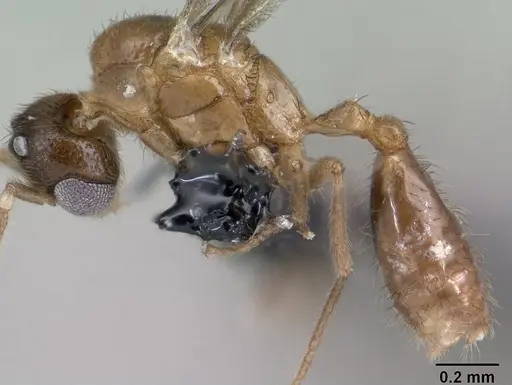
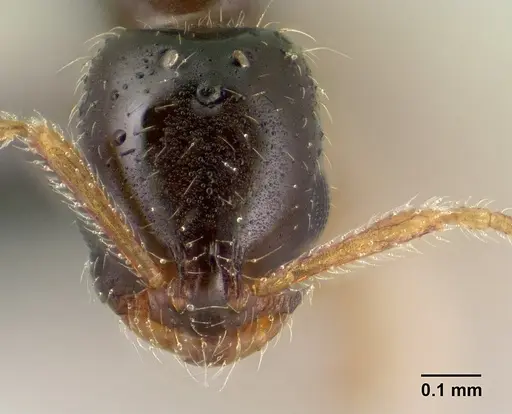
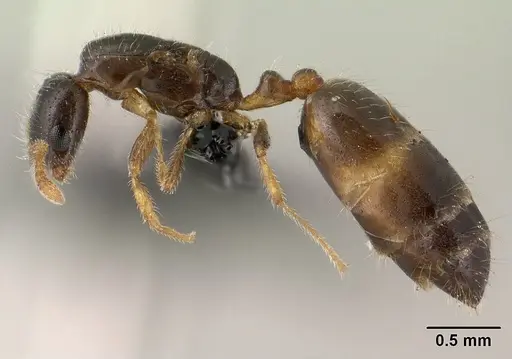
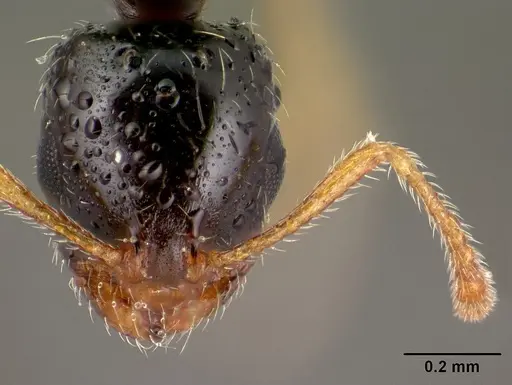
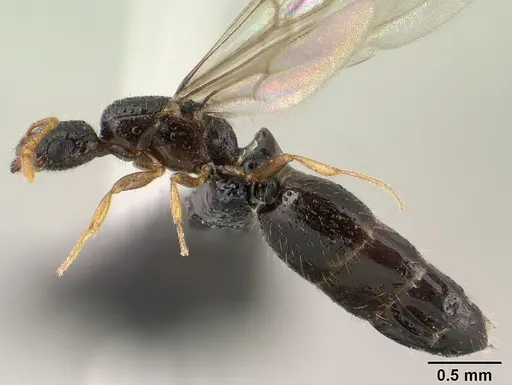
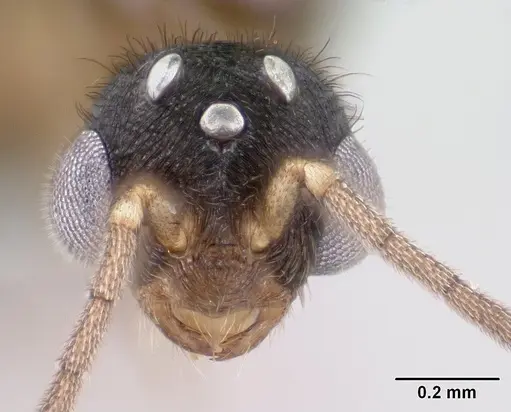
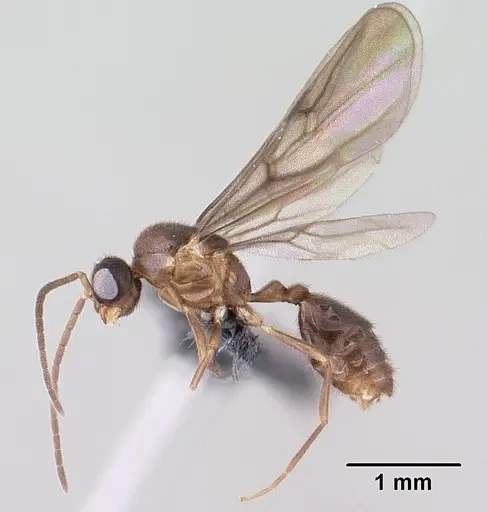
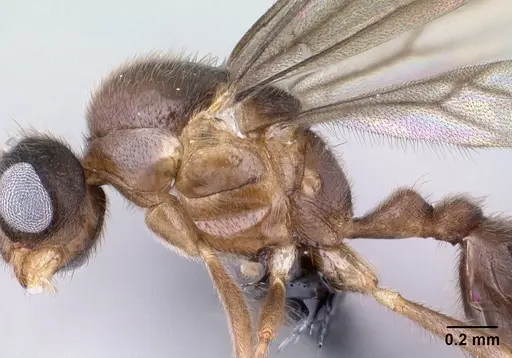
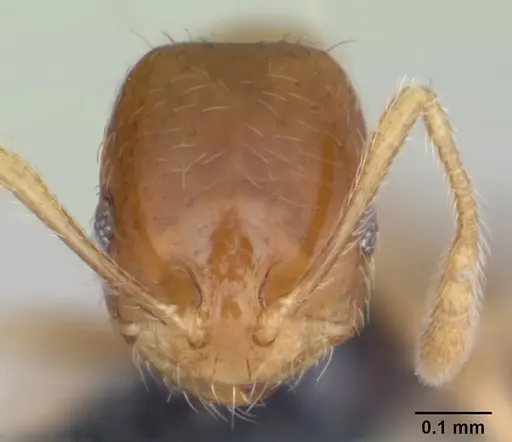
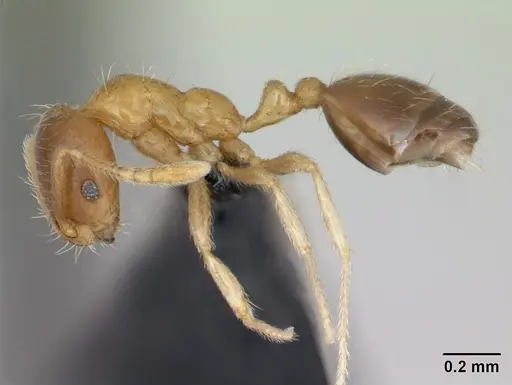
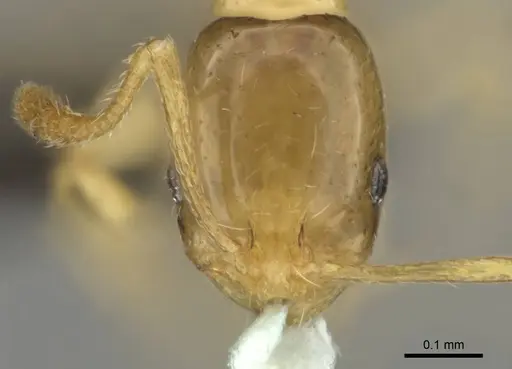
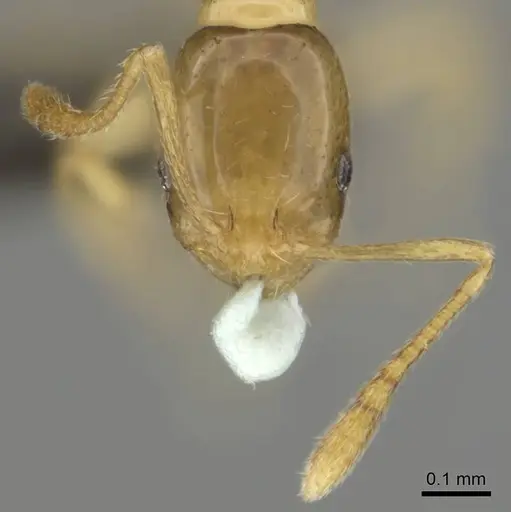
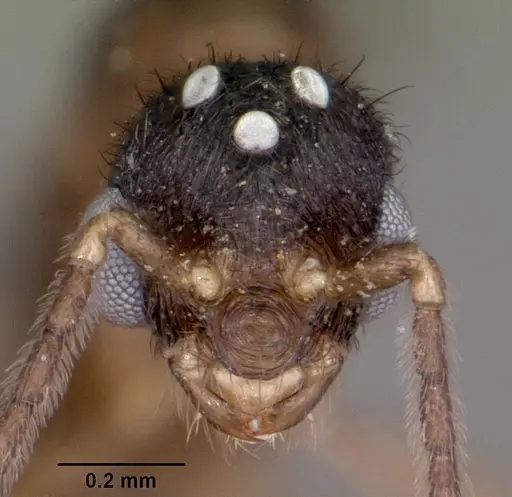
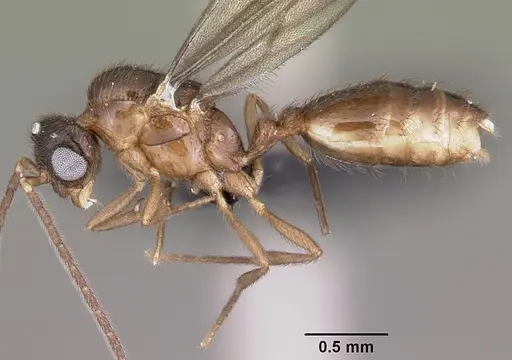
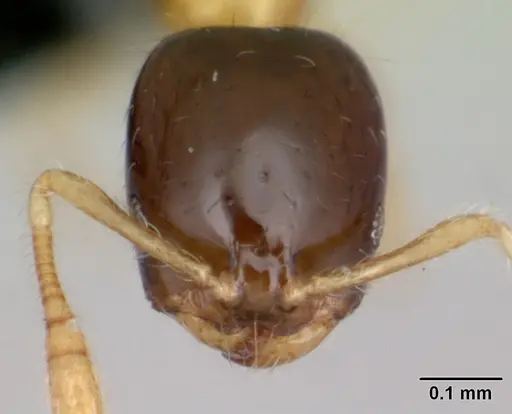
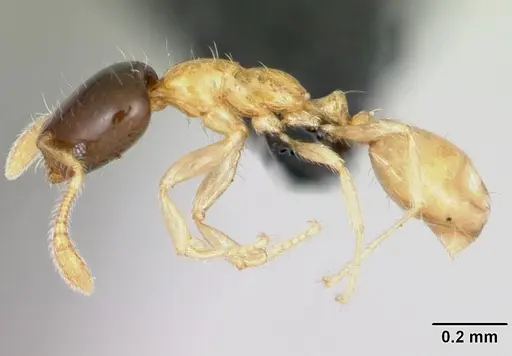
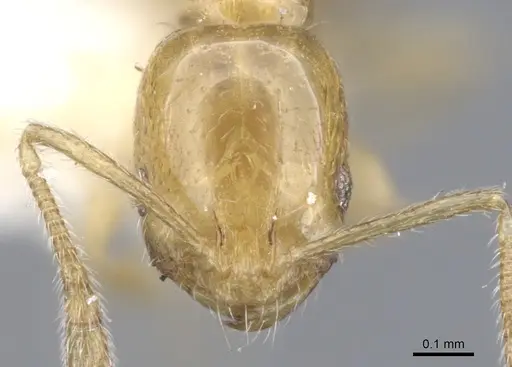
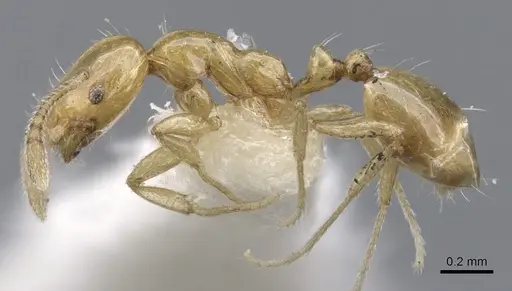
Monomorium termitobium is a tiny ant species native to Madagascar and surrounding African regions. Workers are among the smaller ant species, measuring roughly 1mm in body length. This species is remarkably variable in appearance - color ranges from bright yellow to deep chocolate, and head shape, body proportions, and hairiness can differ significantly between specimens . Monomorium termitobium is the most abundant Monomorium species on Madagascar, often representing 80-90% of Monomorium specimens in any given sample . Queens can be either fully winged or ergatoid (wingless replacement queens), giving colonies flexibility in reproduction . The species nests in rotting tree stumps, under stones, and in various ground habitats across its range .
Quick Summary
- Difficulty: Medium
- Origin & Habitat: Madagascar and surrounding African regions including South Africa, Botswana, Comoros, Democratic Republic of Congo, Zimbabwe, Mayotte, and recently recorded in Rwanda. Found in all habitat types across its range, from dry deciduous forest to grassland [1][3][4].
- Colony Type: Likely single-queen colonies with documented ergatoid (wingless) replacement queens present in colonies [1].
- Size & Growth:
- Queen: size data unavailable, body length measurements not provided in research data, queens measured at 1.61-2.53mm head-mesosoma length [1]
- Worker: size data unavailable, body length measurements not provided in research data, workers measured at 0.86-1.54mm head-mesosoma length [1]
- Colony: Colony size unconfirmed for this species
- Growth: Growth rate unconfirmed
- Development: Development time unconfirmed for this species (Temperature range of 22-28°C likely supports normal development based on Madagascar climate.)
- Antkeeping:
- Temperature: Keep at 22-28°C. Madagascar is tropical to subtropical, so these ants prefer warmth. A heating cable on one side of the nest creates a suitable gradient.
- Humidity: Moderate humidity around 50-70%. They nest in rotting wood and under stones in the wild, so keep the nest substrate slightly moist but not waterlogged.
- Diapause: No, Madagascar doesn't experience true winters. Keep colony active year-round.
- Nesting: In captivity, they do well in test tubes, Y-tong nests, or plaster nests with small chambers scaled to their tiny size. Provide some damp substrate material. Avoid large, open spaces.
- Behavior: These ants are small and generally non-aggressive. Workers are active foragers but due to their tiny size, escape prevention must be excellent, they can squeeze through remarkably small gaps. They feed on small insects, honeydew, and sugary liquids like other Monomorium species. Ergatoid queens mean colonies can recover if the primary queen dies [1]. This species defends itself using a sting that injects piperidine alkaloids, typical of the Solenopsidini tribe.
- Common Issues: escape prevention is critical due to their very small size, use fine mesh and tight-fitting barriers, slow founding phase, queens may take months to raise first workers, wild-caught colonies may have parasites that kill them in captivity, overheating can kill colonies quickly, avoid temperatures above 32°C, test tube setups can flood if water reservoirs are too large for such tiny ants
Housing and Nest Setup
Monomorium termitobium is a tiny ant species, so your housing needs to reflect that. Test tubes work well for founding colonies, use a small water reservoir (about 1-2cm) to maintain humidity without flooding the chamber. For established colonies, Y-tong nests or small acrylic formicaria with narrow chambers work better than large, open setups. The nest material should be kept slightly moist, mimicking their natural habitat of rotting wood and underground spaces under stones [2]. Because they are so small, even standard test tube barriers may not be enough, consider using fluon on the rim and fine mesh on any ventilation holes.
Feeding and Diet
Like other Monomorium species, these ants are omnivorous. They forage for small insects and tend aphids for honeydew in the wild. In captivity, offer small protein sources like fruit flies, pinhead crickets, or tiny mealworms. Sugar water, honey, or diluted jam provides essential carbohydrates. Feed small amounts every few days and remove uneaten food to prevent mold. Because workers are so tiny, prey items should be appropriately sized, anything larger than the workers themselves will be ignored or only partially consumed.
Temperature and Seasonal Care
As a Madagascar species, Monomorium termitobium prefers warm conditions. Keep the nest area between 22-28°C. You can achieve this with a heating cable placed on top of the nest (never under it, as that can dry out the substrate too quickly). Room temperature in most homes is acceptable if it falls within this range. Unlike temperate species, these ants do not require hibernation or diapause, they remain active year-round. However, avoid temperatures above 32°C as this can be fatal. The species has been found across various elevations in Madagascar, suggesting some temperature flexibility, but consistent warmth supports best colony growth.
Colony Structure and Queen Biology
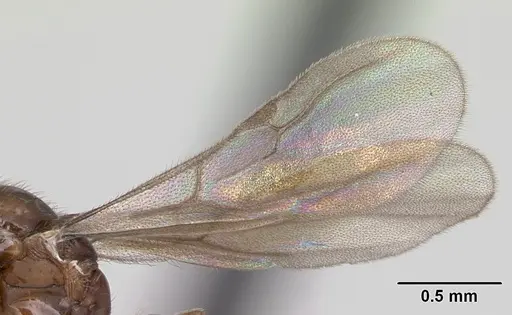
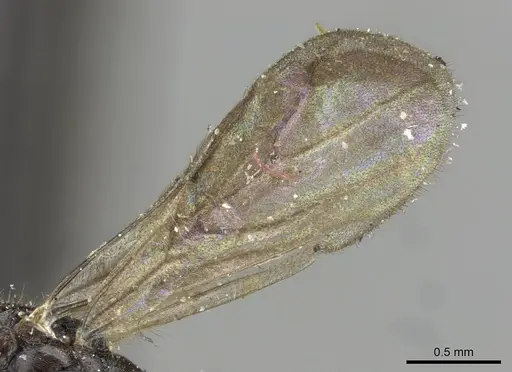
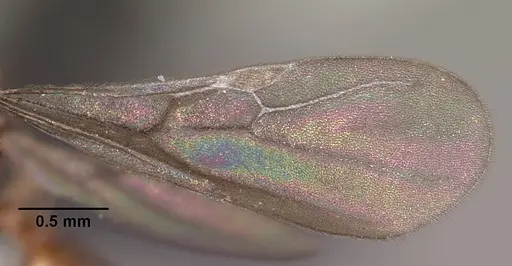
This species is remarkable for its colony structure flexibility. While primarily appearing to be single-queen, colonies also produce ergatoid females, wingless queens that can serve as replacement reproductives if the primary queen dies [1]. This means your colony has a better chance of surviving queen loss than species without this trait. Queens can be either normal winged reproductives or the ergatoid form. The species also shows significant size variation, workers and queens vary considerably in body proportions, with color highly variable from yellow to chocolate [1]. This flexibility likely helps the species adapt to different conditions across its wide range.
Handling and Observation
Due to their tiny size, direct handling of Monomorium termitobium is challenging and rarely necessary. If you need to move them, use soft brushes or let them walk into transfer containers. They are not aggressive and unlikely to sting humans effectively, their stingers are too small to penetrate human skin. They defend using their sting primarily against prey and colony threats. Observation is best done through the nest material. Their small size makes them interesting to watch, you can see detailed foraging behavior and social interactions that larger species might obscure. Use good lighting and a magnifying glass if needed to appreciate their behaviors.
Frequently Asked Questions
How long does it take for Monomorium termitobium queens to raise first workers?
Exact timing is unconfirmed for this species. Based on related Monomorium species, expect several months from founding to first worker. Be patient and avoid disturbing the queen during this critical period.
What do Monomorium termitobium ants eat?
They are omnivorous like other Monomorium species. Offer small insects (fruit flies, tiny crickets, springtails) for protein and sugar water, honey, or diluted jam for carbohydrates. Remove uneaten food promptly to prevent mold.
Can I keep multiple Monomorium termitobium queens together?
This species appears to be primarily single-queen in the wild. Combining unrelated queens is not recommended as they would likely fight. However, ergatoid (wingless) replacement queens may coexist with the primary queen in established colonies [1].
What temperature do Monomorium termitobium ants need?
Keep them warm at 22-28°C. Madagascar is tropical, so they prefer consistent warmth. A heating cable on the nest can help maintain optimal temperature, but avoid overheating above 32°C.
How big do Monomorium termitobium colonies get?
Colony size is not specifically documented for this species. Based on related species, expect dozens to a few hundred workers at maturity.
Do Monomorium termitobium ants need hibernation?
No. As a Madagascar species, they do not experience true winters and do not require diapause. Keep them active year-round at normal temperatures.
Why are my Monomorium termitobium ants dying?
Common causes include: escape through tiny gaps (use fine mesh barriers), overheating above 32°C, drowning in test tube water reservoirs (use small reservoirs), mold from overfeeding or poor ventilation, and parasites from wild-caught colonies. Ensure proper humidity without overwatering and remove uneaten food promptly.
When should I move my colony to a formicarium?
Move them once the colony reaches 20-30 workers and the test tube setup is becoming cramped. For these tiny ants, a small Y-tong or acrylic nest with appropriately sized chambers works better than large formicaria designed for bigger species.
Are Monomorium termitobium good for beginners?
They are moderate difficulty. While hardy once established, their tiny size makes escape prevention challenging and founding can be slow. Beginners might find larger, more established species easier to care for, but patient keepers can succeed with this species.
Report an Issue
The current care sheet is based fully on literature. See inconsistencies, or something that's incorrect? Please , it will be resolved after review from an admin. Contributing to the blogs tab also helps providing information, to make us be able to further improve the caresheets. Thank you for your support!
References

This caresheet is licensed under CC BY-SA 4.0 .
Community Blogs
BLF1070(40)-9
View on AntWeb-9_1.webp)
-9_2.webp)
-9_3.webp)
CASENT0003327
View on AntWeb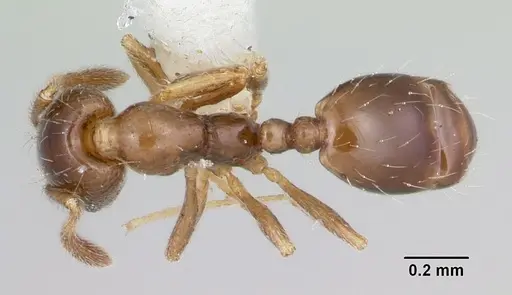
CASENT0003992
View on AntWeb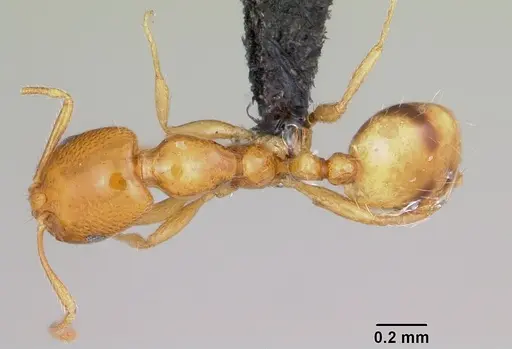
CASENT0010765
View on AntWeb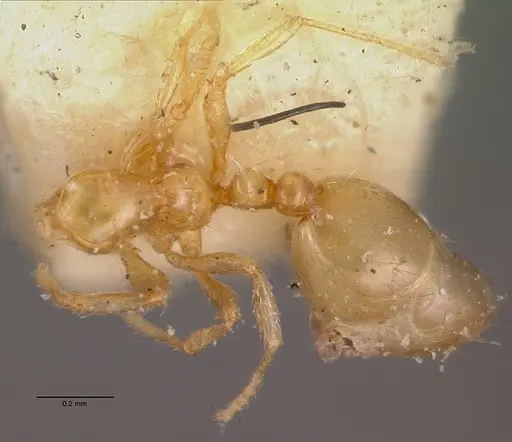
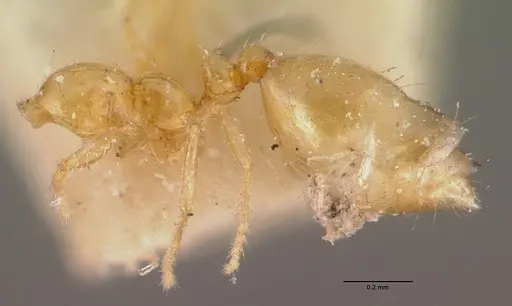
CASENT0010882
View on AntWeb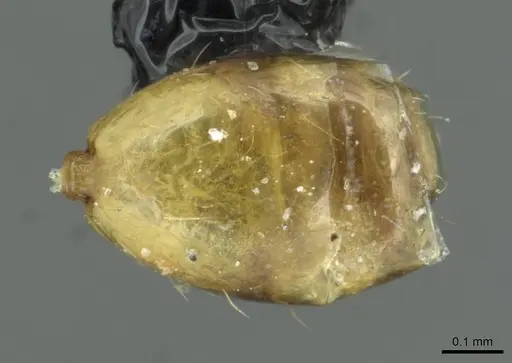
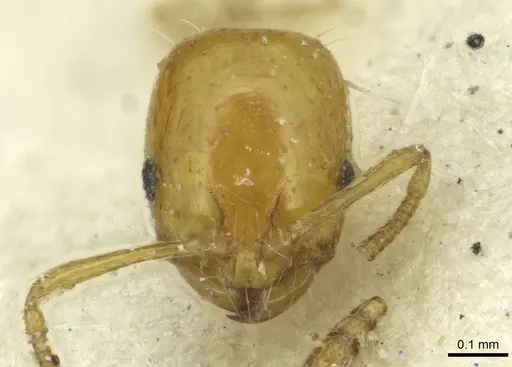
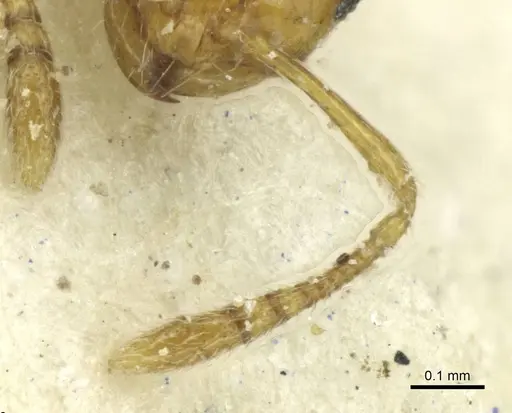
CASENT0010891
View on AntWeb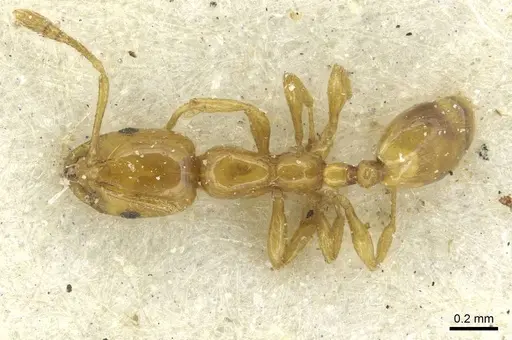
CASENT0049558
View on AntWeb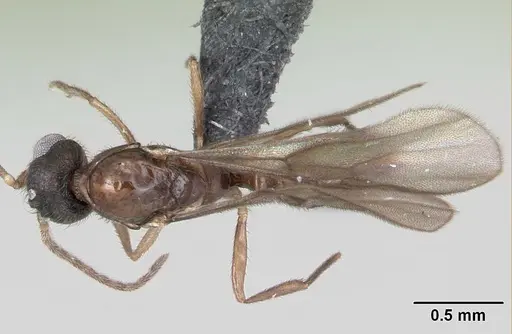
CASENT0052480
View on AntWeb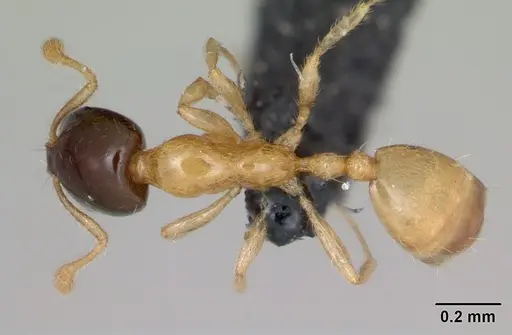
CASENT0076204
View on AntWeb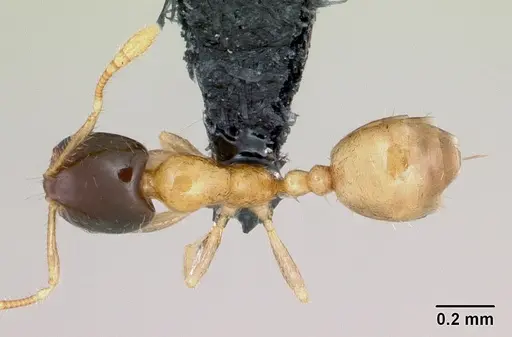
CASENT0078587
View on AntWeb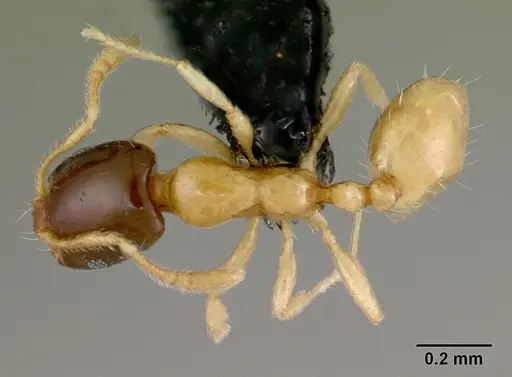
CASENT0101646
View on AntWeb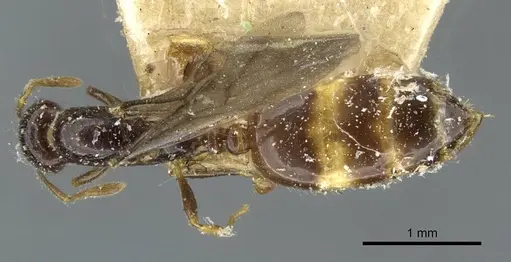
CASENT0101741
View on AntWeb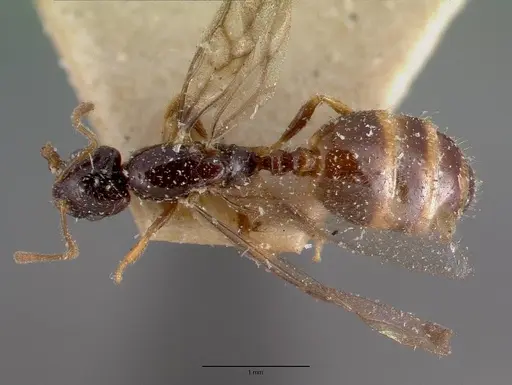
CASENT0101885
View on AntWeb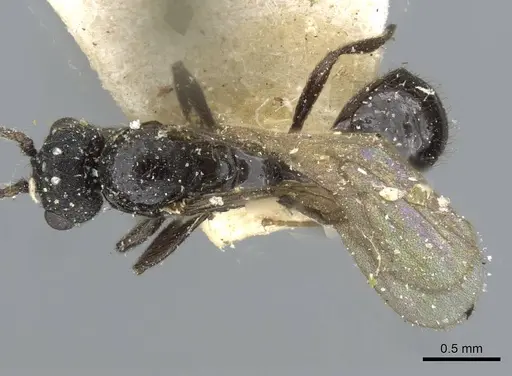
CASENT0107081
View on AntWeb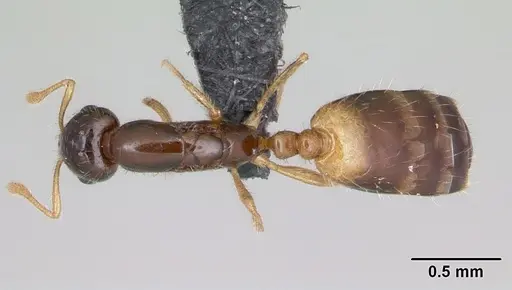
CASENT0109632
View on AntWeb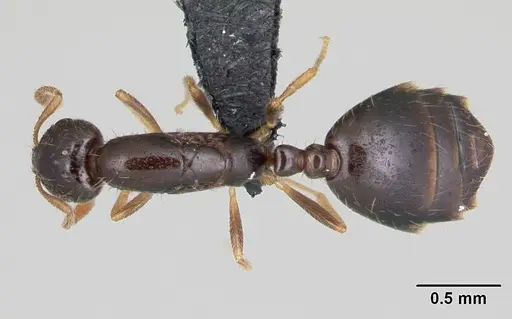
CASENT0132542
View on AntWeb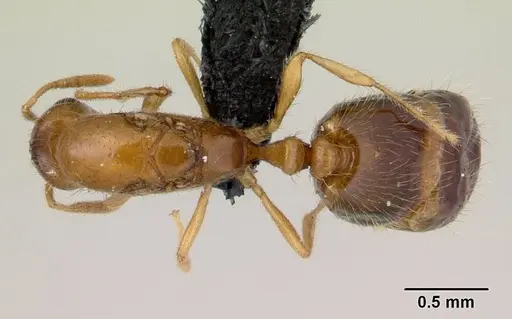
CASENT0133428
View on AntWeb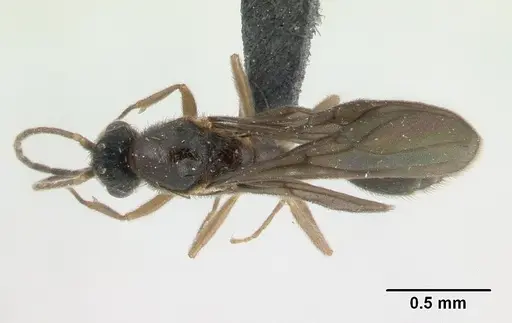
CASENT0133892
View on AntWeb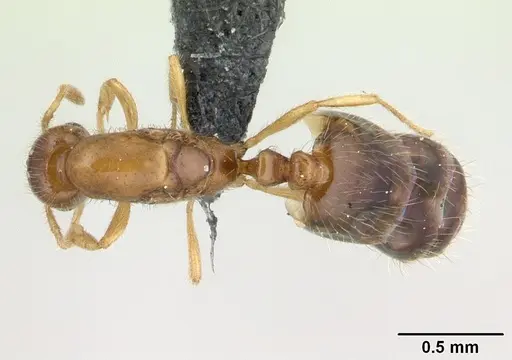
CASENT0134914
View on AntWeb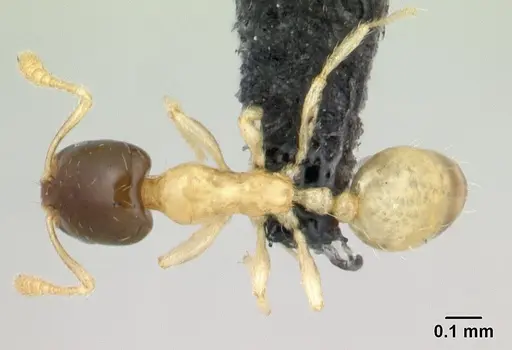
CASENT0135673
View on AntWeb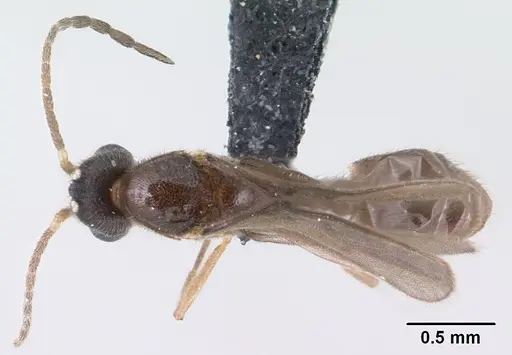
CASENT0135952
View on AntWeb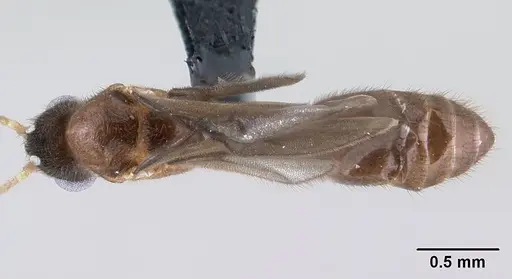
CASENT0136785
View on AntWeb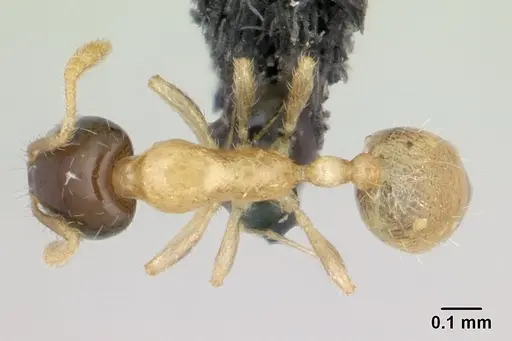
CASENT0138444
View on AntWeb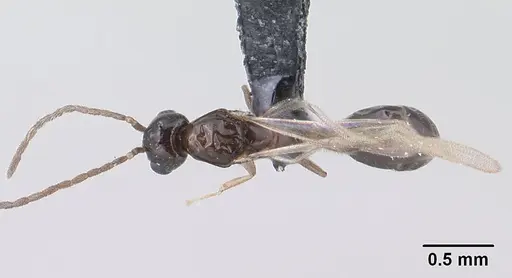
CASENT0138456
View on AntWeb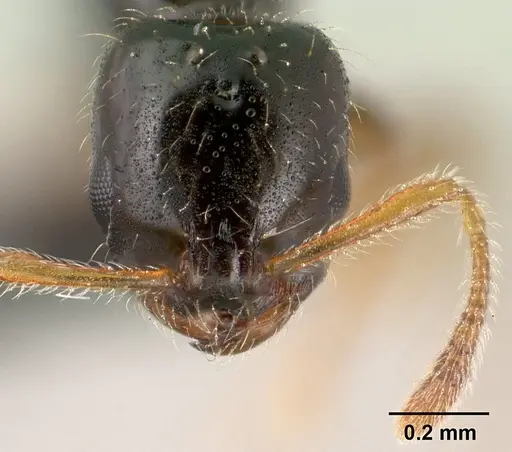
CASENT0138475
View on AntWeb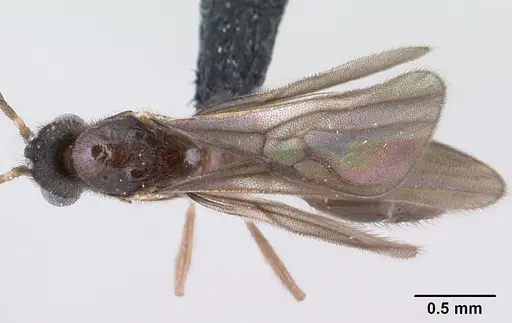
CASENT0138525
View on AntWeb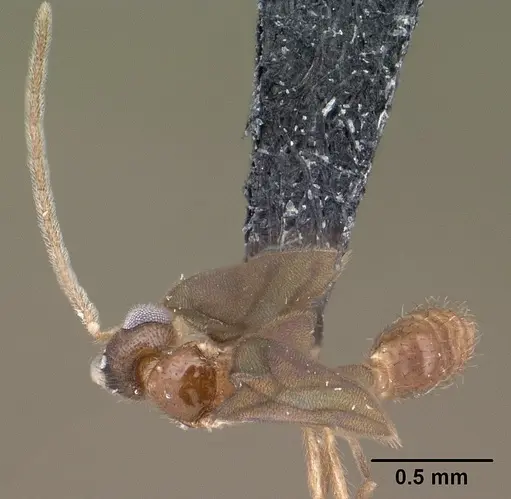
CASENT0143601
View on AntWeb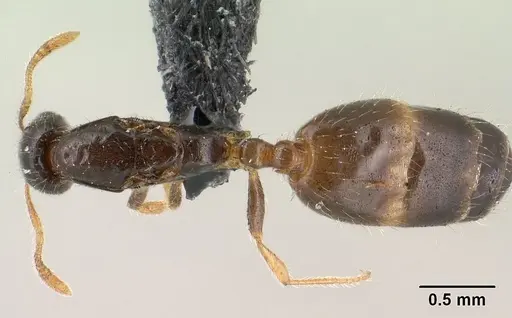
CASENT0143743
View on AntWeb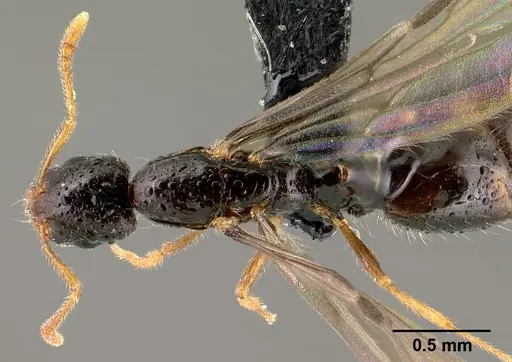
CASENT0147606
View on AntWeb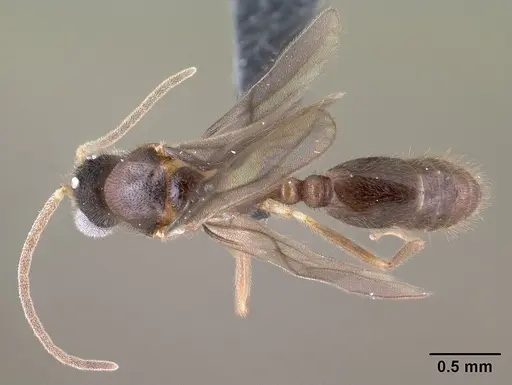
CASENT0173320
View on AntWeb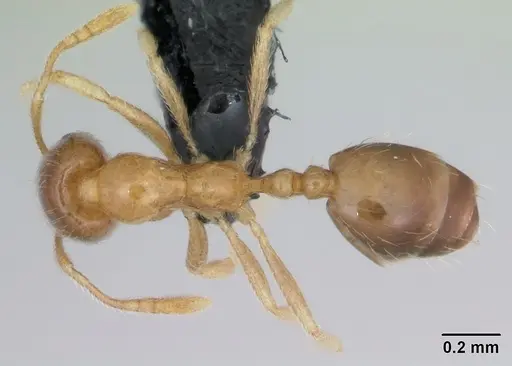
CASENT0256598
View on AntWeb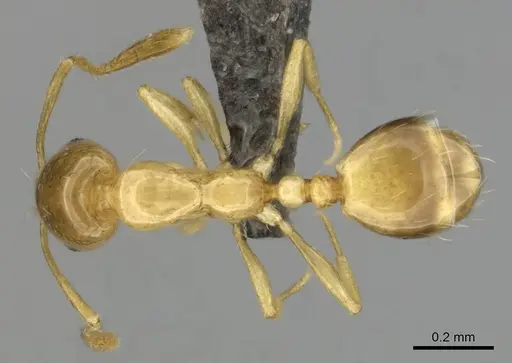
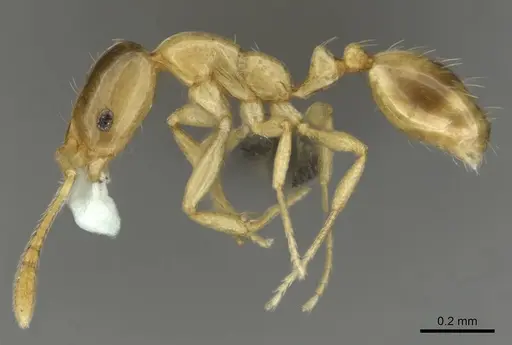
CASENT0412167
View on AntWeb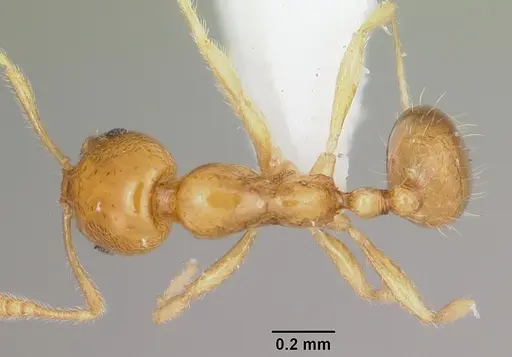
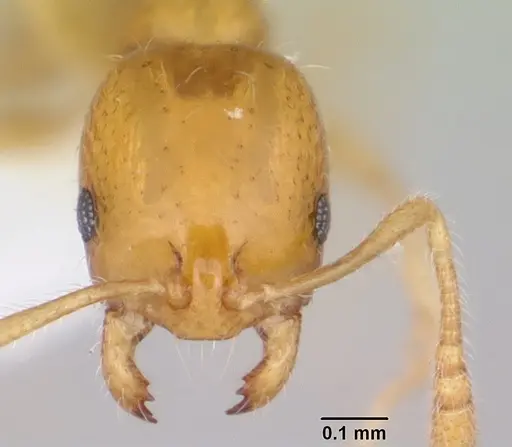
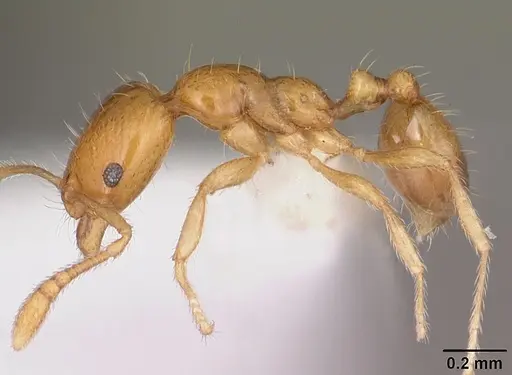
CASENT0460162
View on AntWeb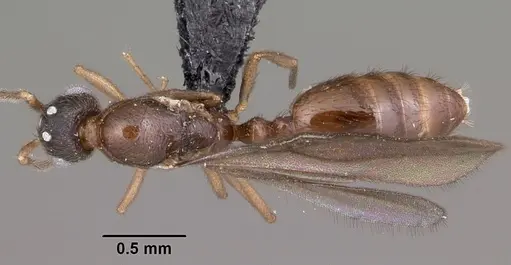
CASENT0470383
View on AntWeb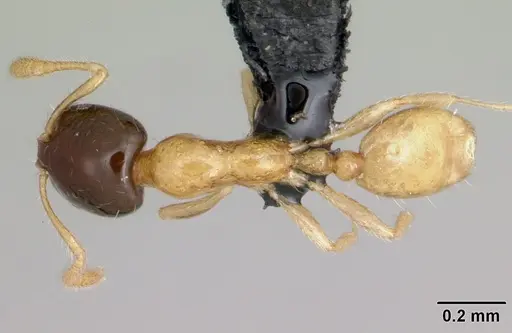
CASENT0902236
View on AntWeb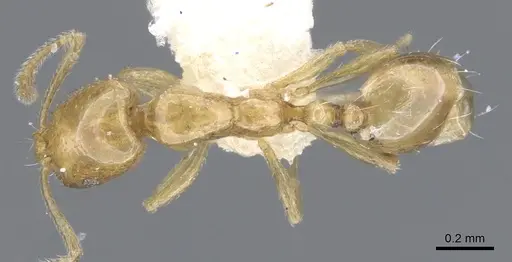
Literature
Loading distribution map...Loading products...