
Monomorium taedium
- Sci. Name
- Monomorium taedium
- Tribe
- Solenopsidini
- Subfamily
- Myrmicinae
- Author
- Bolton, 1987
- Distribution
- Found in 1 countries
Introduction
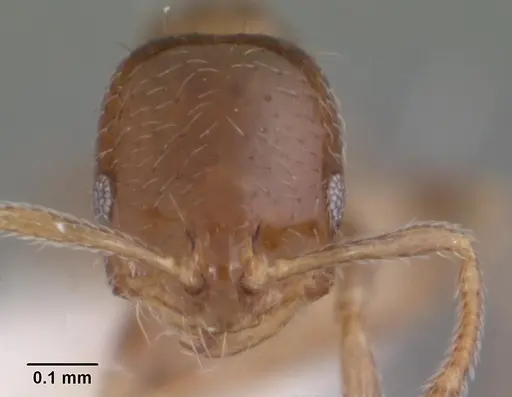
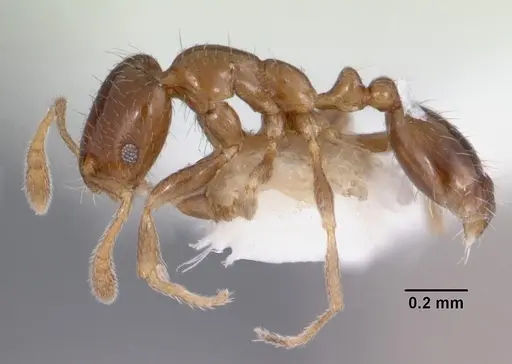
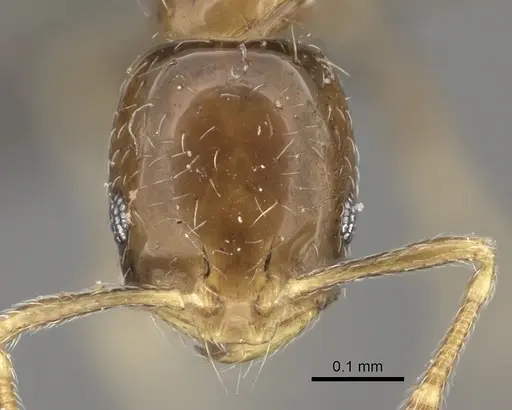
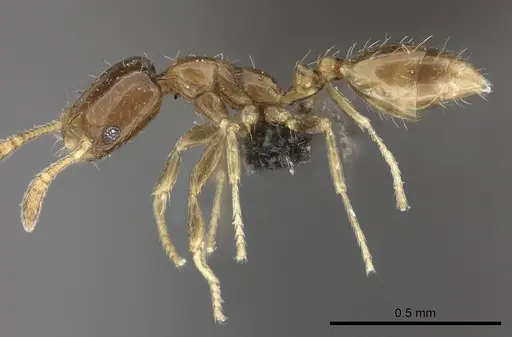
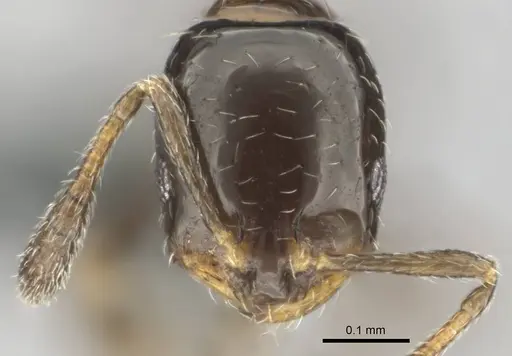
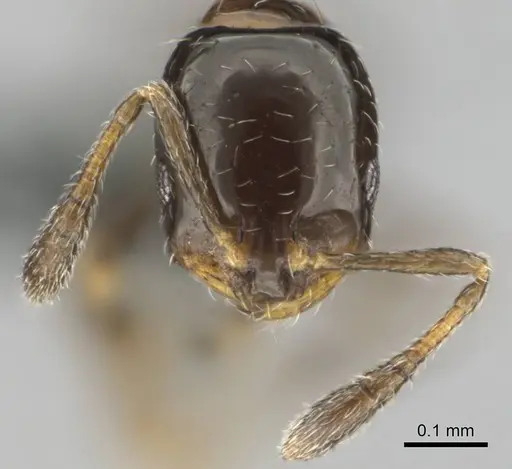
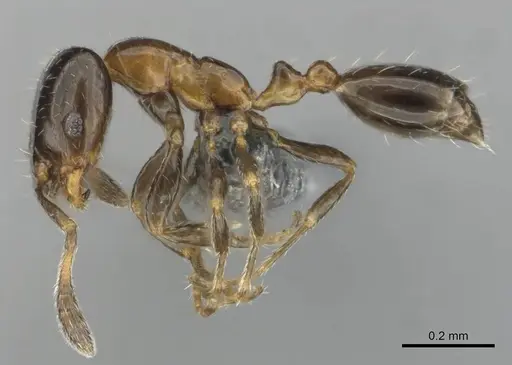
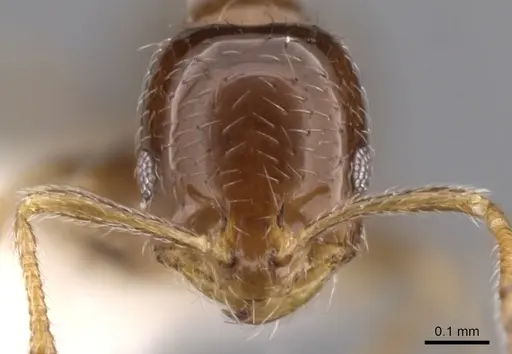
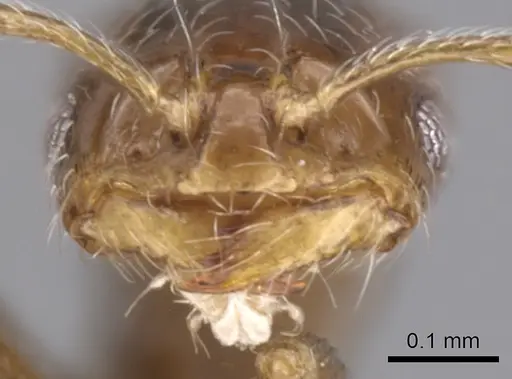
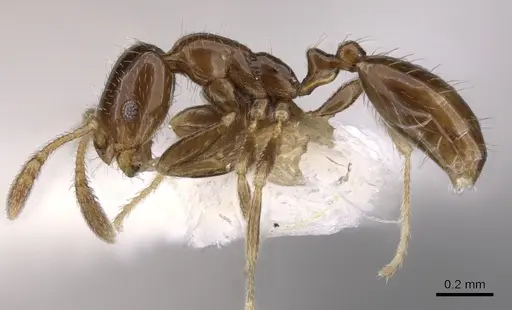
Monomorium taedium is a tiny ant species native to South Africa, measuring approximately 1.7mm in total length . Workers are a glossy medium brown color with relatively large eyes for their size - a key identification feature. This species belongs to the Monomorium monorium species group, specifically the exiguum complex. They have 11 antennal segments, which helps distinguish them from related species. In the wild, they inhabit grasslands, semi-open areas, and closed Acacia woodland habitats. Research shows they are sensitive to habitat disturbance - one study found them present in control grassland sites but absent from rehabilitated areas, suggesting they make useful bioindicators for ecosystem health .
Quick Summary
- Difficulty: Medium
- Origin & Habitat: South Africa (Natal/Umlalazi area). Found in grasslands, semi-open habitats, and closed Acacia woodland [1].
- Colony Type: Unconfirmed. Colony structure (single-queen vs multi-queen) has not been documented for this species.
- Size & Growth:
- Queen: Unknown, not described in available literature
- Worker: ~1.7mm [1]
- Colony: Unknown, no colony size data available
- Growth: Unknown, no development timing data available
- Development: Unknown, no specific measurements available for this species (Development times have not been studied for M. taedium.)
- Antkeeping:
- Temperature: Keep at room temperature, roughly 22-26°C. No specific thermal studies exist for this species, but related Monomorium species thrive in moderate warmth.
- Humidity: Moderate humidity. In the wild they inhabit grassland to woodland areas, suggesting they prefer conditions that aren't too dry but also not saturated. Keep nest substrate lightly moist.
- Diapause: Unknown for this species. South African ants may have seasonal activity patterns, but specific hibernation requirements have not been documented.
- Nesting: Natural nesting occurs in soil and leaf litter. In captivity, a small test tube setup or Y-tong nest with fine chambers works well. Their tiny size means you need appropriately scaled nesting spaces.
- Behavior: These are tiny, non-aggressive ants. They possess a sting but due to their minute size, any sting would be negligible to humans. Workers forage at ground level in leaf litter and grass. Their large eyes may indicate some visual foraging behavior. Escape prevention is critical, at around 1.7mm, they can squeeze through remarkably small gaps. Use fine mesh barriers and ensure all connections are sealed.
- Common Issues: escape prevention is critical due to their very small size, they can slip through gaps that seem impossible, no documented development timeline means patience is essential, no established husbandry guidelines means you are essentially pioneering captive care, wild-caught colonies may be stressed from habitat disturbance, they may not adapt well to captivity, their sensitivity to habitat change in the wild suggests they need stable conditions in captivity
Housing and Nest Setup
Because Monomorium taedium workers are only about 1.7mm, you need to use appropriately scaled housing. A small test tube setup works well for founding colonies, use a test tube with a cotton plug and small water reservoir. The chamber size should be tight, these tiny ants feel exposed in large spaces. A Y-tong nest with narrow chambers or a small plaster nest can work for established colonies. Whatever setup you choose, escape prevention must be excellent. Apply Fluon or similar barrier to the edges of any formicarium, and use fine mesh on any ventilation holes. Check all connection points regularly, these ants will find gaps you did not know existed. [1]
Feeding and Diet
The natural diet of M. taedium is not well documented, but related Monomorium species are generalist feeders that consume small insects, honeydew, and nectar. For captive colonies, offer small prey items like fruit flies, pinhead crickets, or tiny mealworms. They will likely accept sugar water or honey as an energy source. Feed small amounts every few days, removing any uneaten prey after 24 hours to prevent mold. Because they are so small, even tiny prey items represent a meaningful meal. Observe your colony's acceptance of different foods and adjust accordingly.
Temperature and Seasonal Care
No specific temperature requirements have been documented for this species. Based on related Monomorium species and their South African origin, room temperature (22-26°C) should be suitable. Avoid temperatures below 18°C or above 30°C. You can create a gentle temperature gradient by placing the nest on one side of a heating cable set on low, but this is optional if your room is already in the right range. Whether they require a winter diapause period is unknown. If your colony shows reduced activity in winter, you might try a slight cooldown to around 15-18°C for 2-3 months, but this has not been confirmed as necessary.
Defense Mechanism
Monomorium taedium belongs to the subfamily Myrmicinae and tribe Solenopsidini. Like other species in this group, they possess a sting and can inject venom composed of piperidine alkaloids. However, given their extremely small size, any sting would be negligible to humans. Most Monomorium species are docile and unlikely to sting unless directly threatened.
Behavior and Colony Dynamics
Monomorium taedium is a docile, non-aggressive species. Workers are small and forage quietly through leaf litter and grass in their natural habitat. Their relatively large eyes suggest they may rely more on vision than some other ant species, though this has not been studied. There is no documented evidence of stinging behavior being a concern for keepers. The main behavioral concern is their tendency to escape through tiny gaps. [1]
Frequently Asked Questions
How long does it take for Monomorium taedium to produce first workers?
The egg-to-worker timeline is unknown for this species, it has not been specifically studied. Be patient with small ant species as development can take time.
Are Monomorium taedium ants good for beginners?
This species is not ideal for beginners. They are very small (around 1.7mm), which makes housing and escape prevention challenging. Additionally, there is almost no established captive care information for this species, so you will be essentially pioneering its husbandry. If you are experienced with tiny Myrmicinae species, it can be a rewarding challenge.
Can I keep multiple queens together in a Monomorium taedium colony?
It is unknown whether this species is monogyne (single queen) or polygyne (multiple queens). Combining unrelated queens is not recommended since this has not been documented as successful. If you obtain a wild-caught colony, it may already have one or more reproductive queens.
What do Monomorium taedium ants eat?
While not directly studied for this species, related Monomorium ants are generalists. Offer small protein sources like fruit flies, tiny crickets, or small mealworms. They will likely accept sugar water or honey. Feed small amounts every few days and remove uneaten food promptly.
How big do Monomorium taedium colonies get?
Colony size is unknown, no published data exists for this species. Do not expect the large colonies seen in species like Formica or Camponotus.
What temperature should I keep Monomorium taedium at?
No specific requirements exist, but room temperature (22-26°C) should be suitable based on their South African origin and related species. Avoid temperatures below 18°C or above 30°C. A gentle gradient is ideal but not strictly required if your room stays in this range.
Do Monomorium taedium need hibernation?
Diapause requirements are unconfirmed for this species. South Africa has mild winters, so a true hibernation may not be necessary. If your colony slows in winter, a slight cooldown to around 15-18°C for a few months may be appropriate, but this is speculative.
Why are my Monomorium taedium escaping?
At around 1.7mm, they are expert escape artists. You need excellent escape prevention: apply Fluon to all edges, use fine mesh on ventilation, check all seams and connections regularly, and ensure any gaps in tubing are sealed. Even seemingly impossible gaps can be traversed by ants this small.
Where is Monomorium taedium found in the wild?
This species is native to South Africa, specifically the Natal/Umlalazi area. They inhabit grasslands, semi-open areas, and closed Acacia woodland. They are ground-nesting ants found in leaf litter and soil samples.
Report an Issue
The current care sheet is based fully on literature. See inconsistencies, or something that's incorrect? Please , it will be resolved after review from an admin. Contributing to the blogs tab also helps providing information, to make us be able to further improve the caresheets. Thank you for your support!
References

This caresheet is licensed under CC BY-SA 4.0 .
Community Blogs
CASENT0010946
View on AntWeb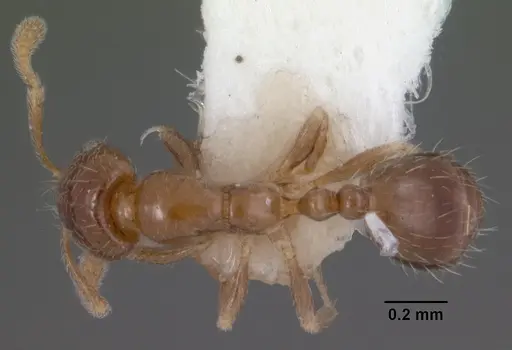
CASENT0235929
View on AntWeb
CASENT0258849
View on AntWeb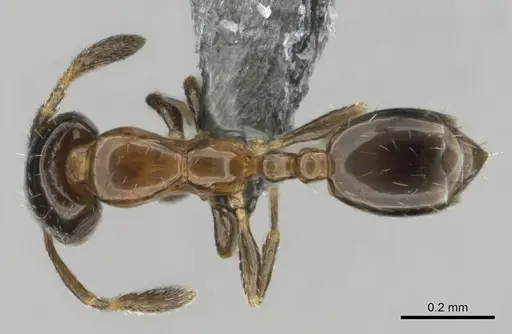
CASENT0901220
View on AntWeb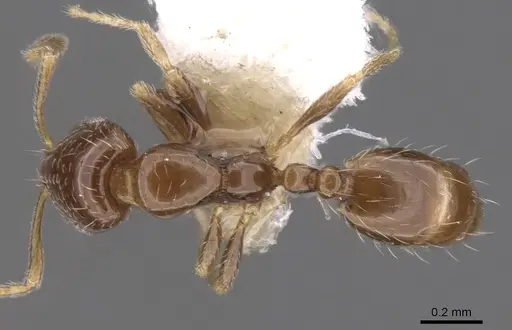
Literature
Loading distribution map...Loading products...