
Monomorium subopacum
- Sci. Name
- Monomorium subopacum
- Tribe
- Solenopsidini
- Subfamily
- Myrmicinae
- Author
- Smith, 1858
- Distribution
- Found in 13 countries
Introduction
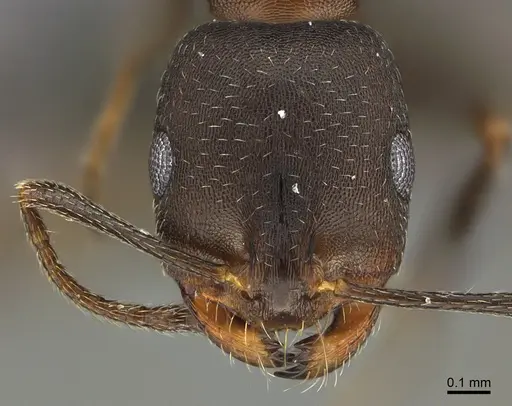
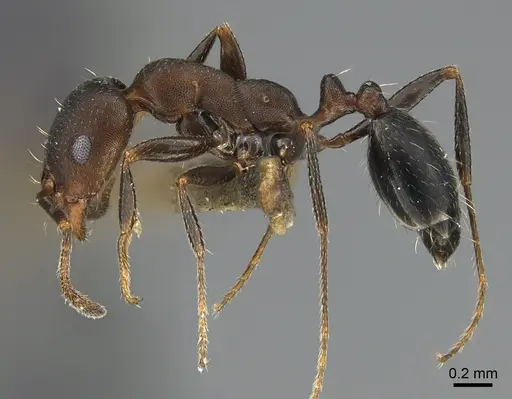
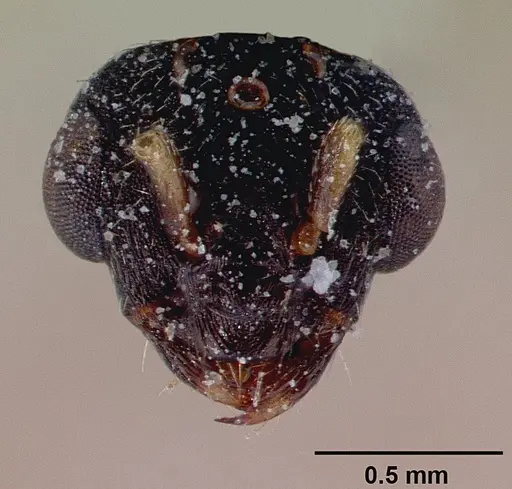
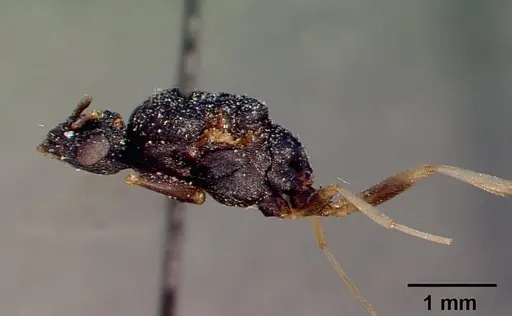
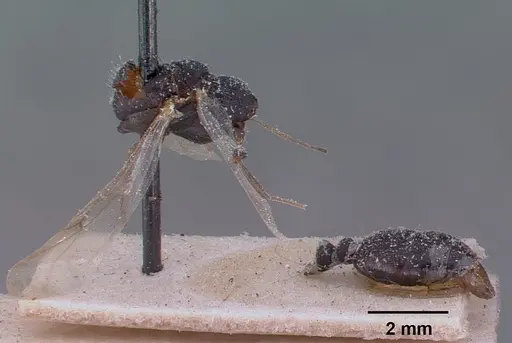
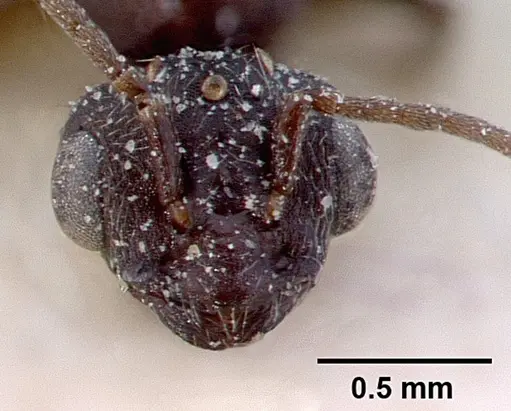
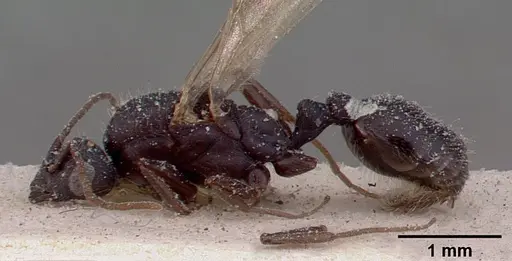
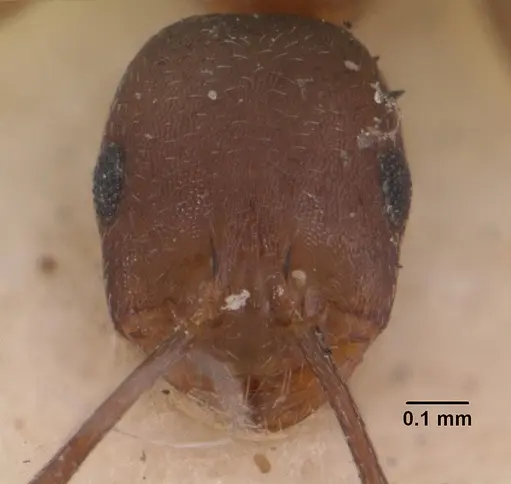
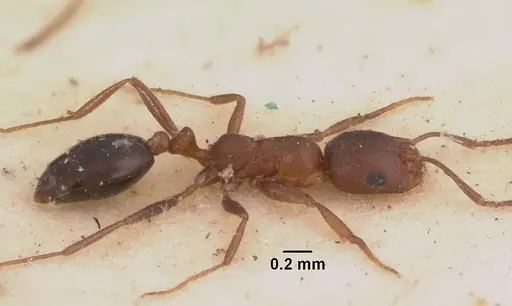
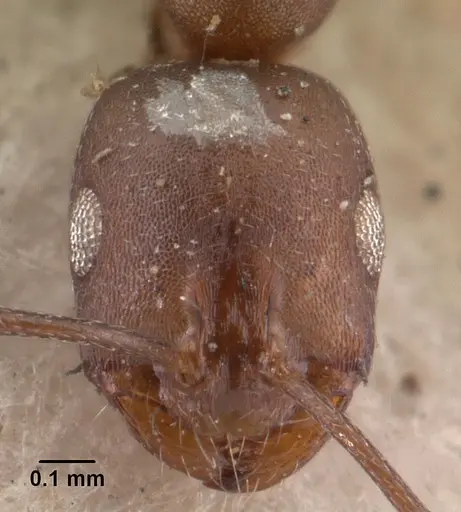
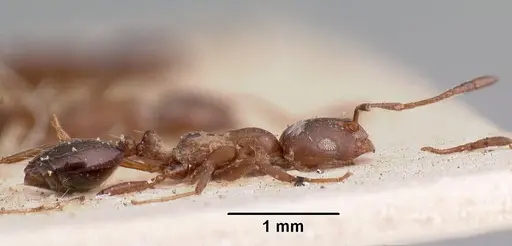
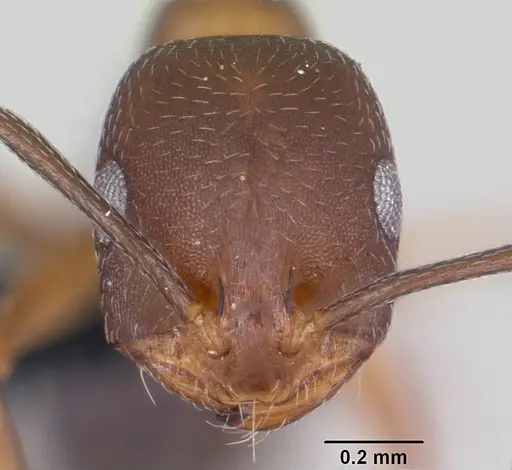
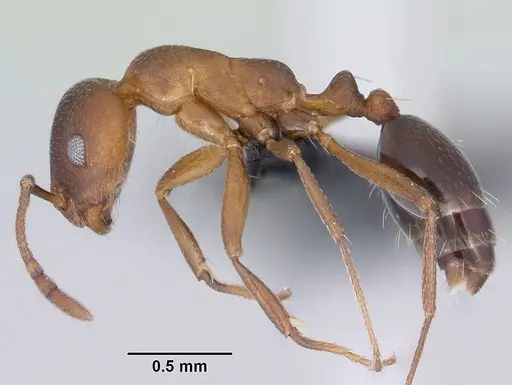
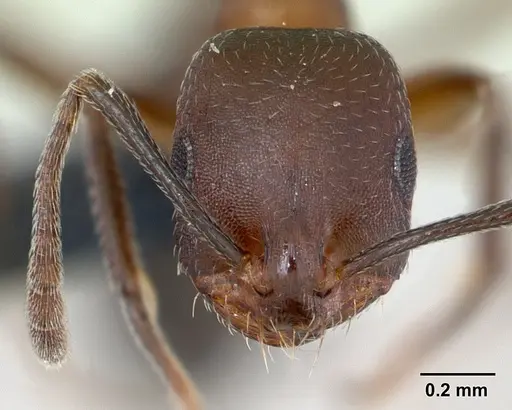
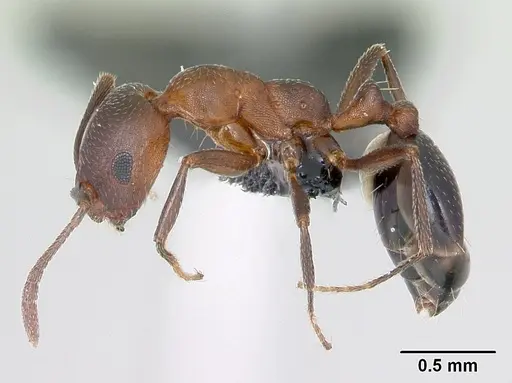
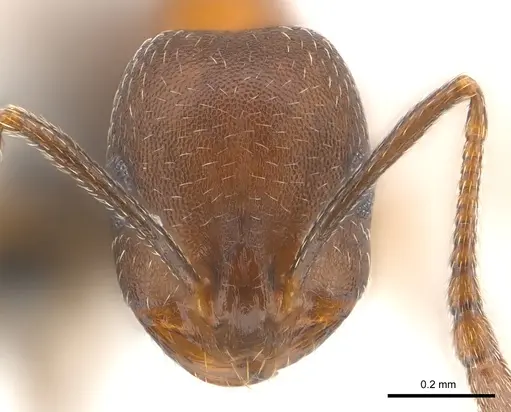
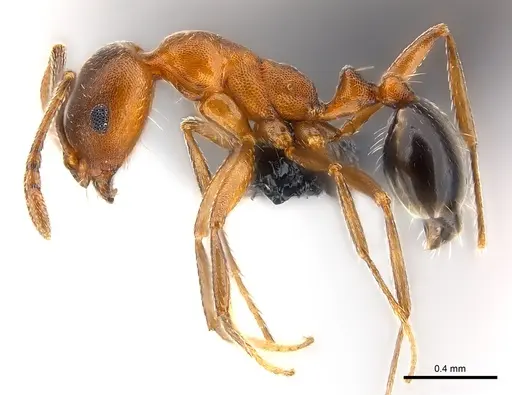
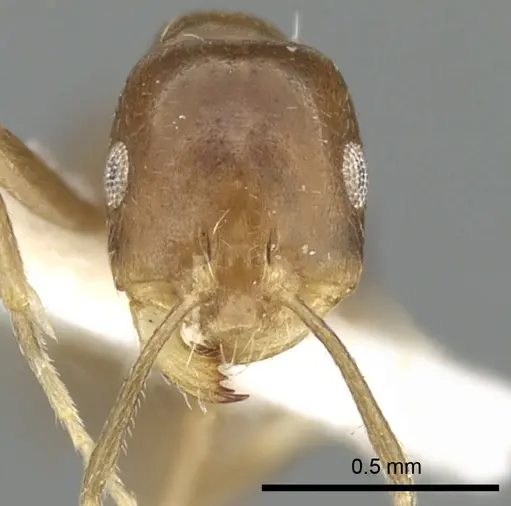
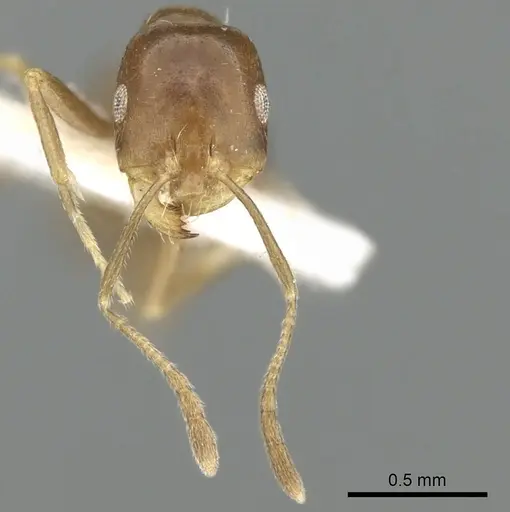
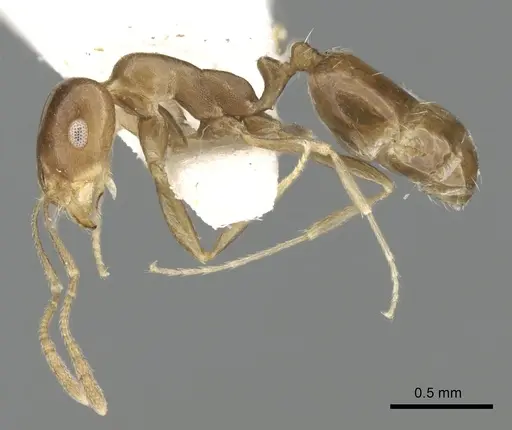
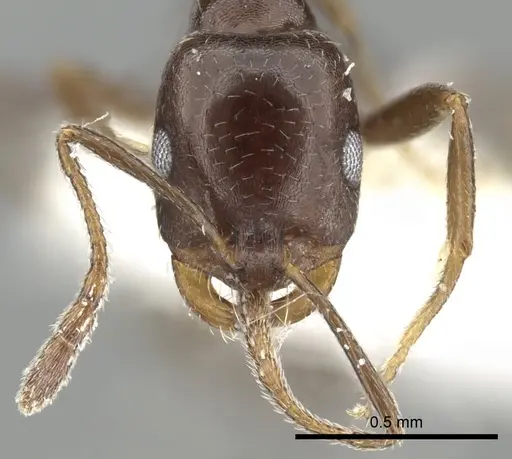
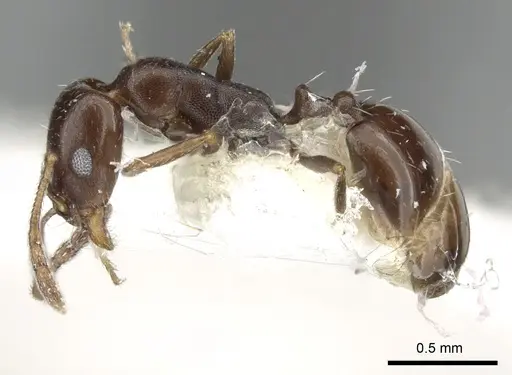
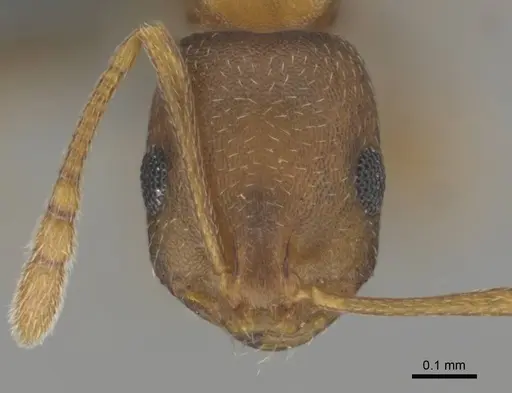
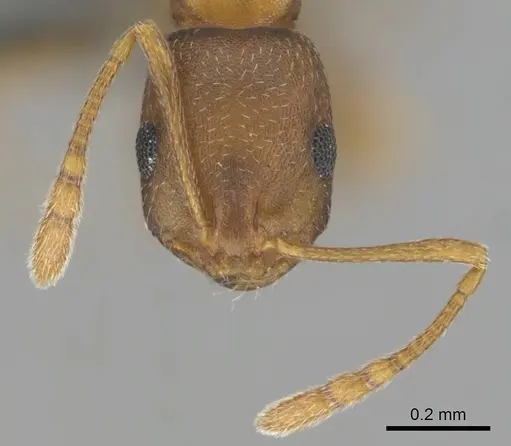
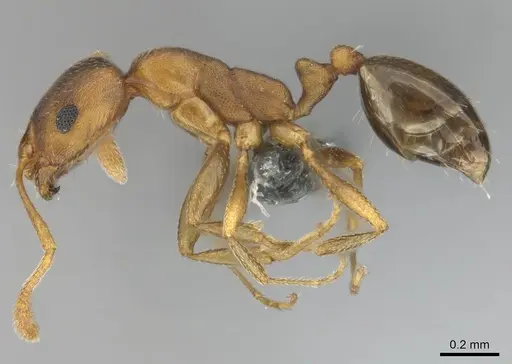
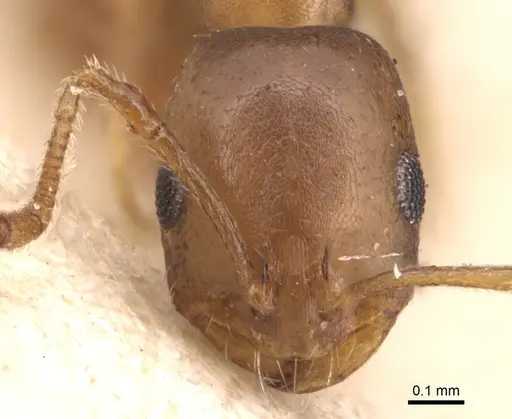
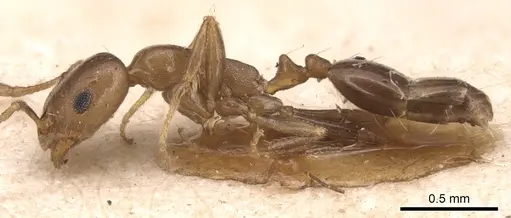
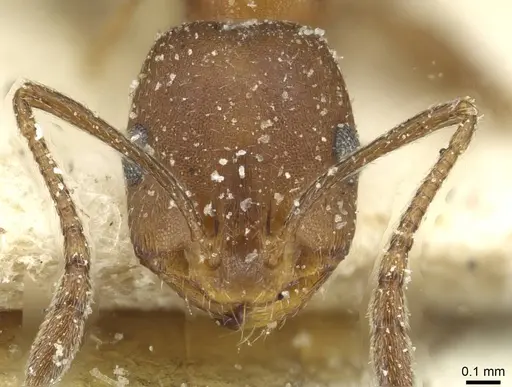
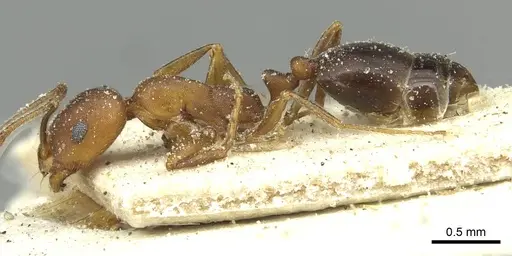
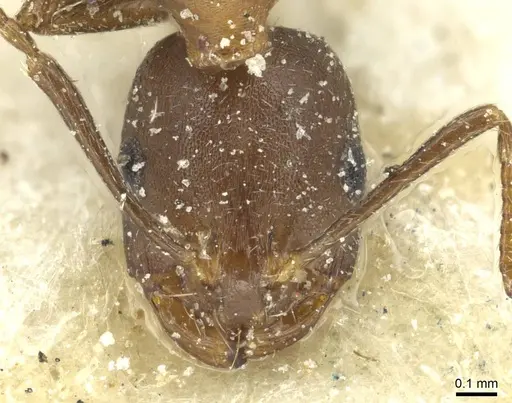
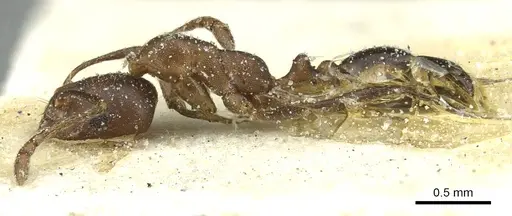
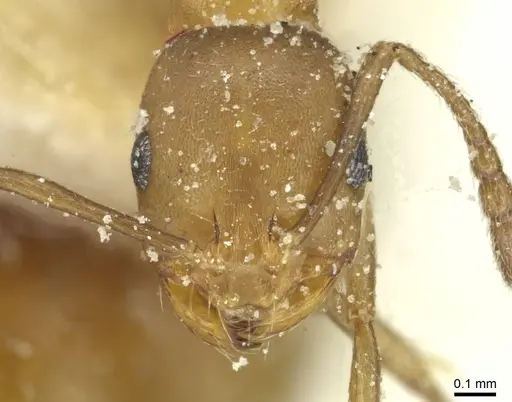
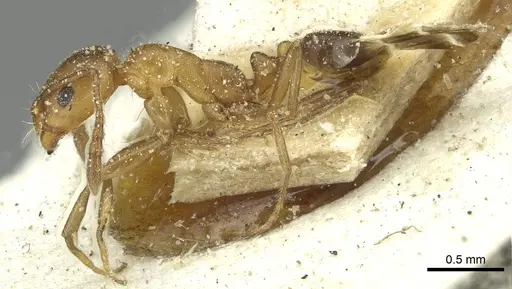
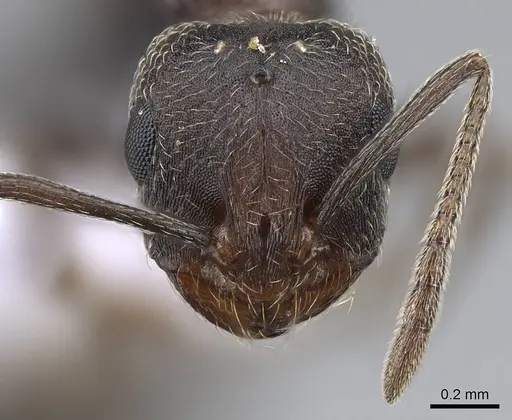
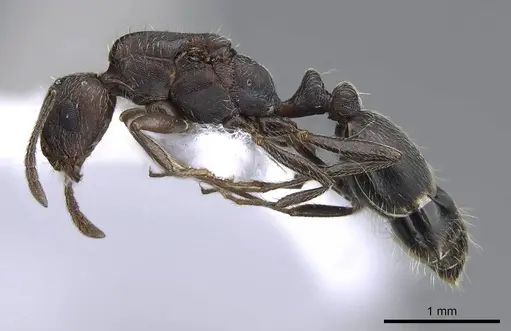
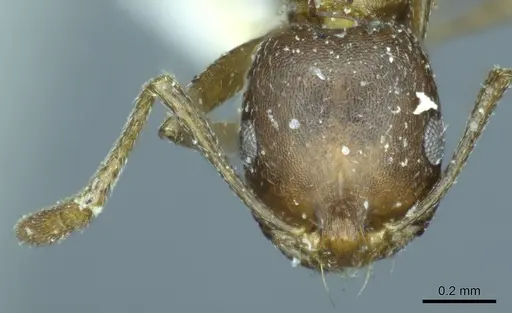
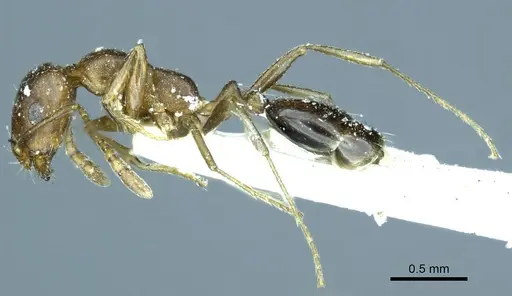
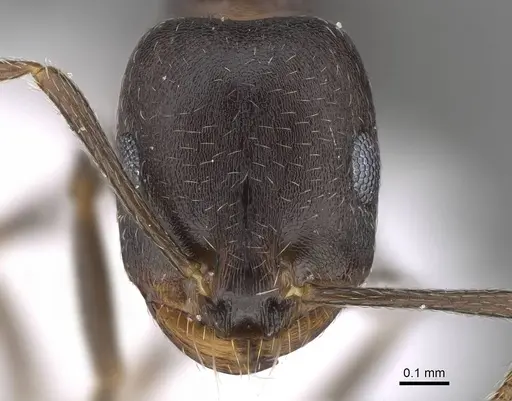
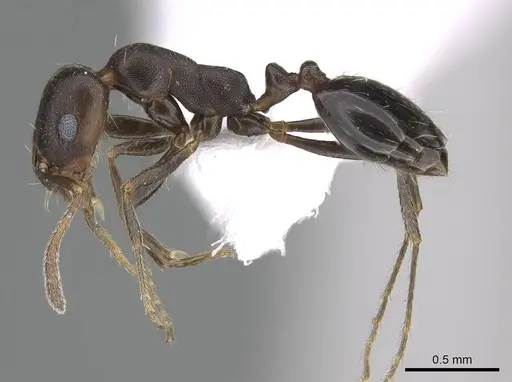
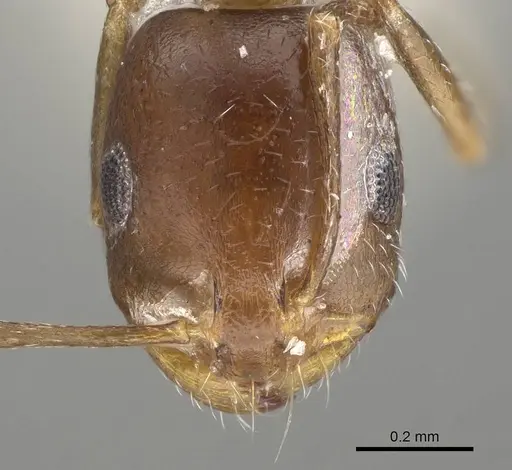
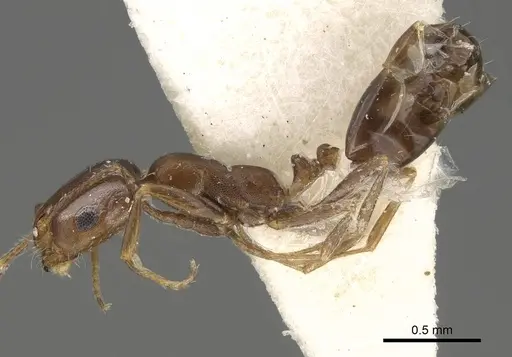
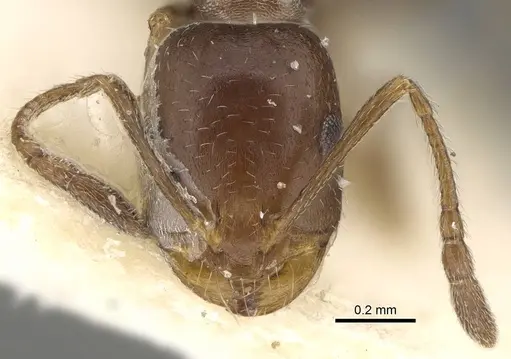
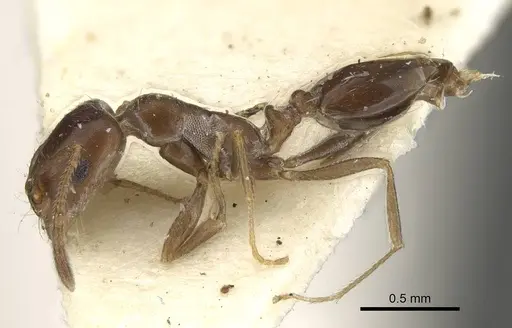
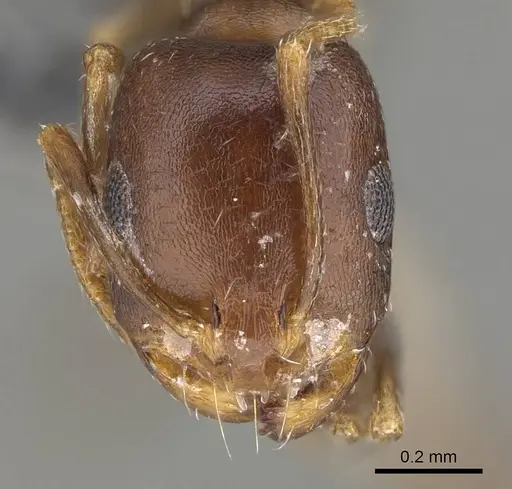
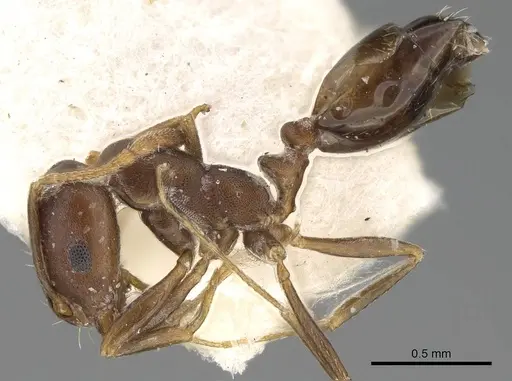
Monomorium subopacum is a small, slender ant native to the Mediterranean region that has spread across much of the world as a tramp species. Workers have a distinctive color pattern: the mesosoma, nodes, and legs are orange-yellow while the head and antennae are brown, and the gaster is dark brown . The species is part of the Monomorium salomonis group and is very similar to related species like Monomorium willowmorense, distinguished by its longer antennal scape and finely granulate-reticulate frons . This ant has become a widespread tramp species, likely spread through human commerce from its native Mediterranean range to Africa, Madagascar, the Caribbean, Mexico, and southern Asia . It thrives in open, arid, and sunny habitats, nesting under flat stones, in rock rubble, or dry litter . Colonies are polygynous, meaning they have multiple queens . Workers are active during the day, especially during the hottest periods, and are efficient predators of small insects like medfly larvae .
Quick Summary
- Difficulty: Expert
- Origin & Habitat: Native to the Mediterranean Basin (Portugal/Madeira, Spain, Italy, Greece, North Africa, Middle East). Found across southern Europe, North Africa, and the Middle East, with introduced populations in Madagascar, the Caribbean, Mexico, and southern Asia [7][2]. Inhabits open, arid, sunny areas, nests under flat stones, in rock rubble, or dry litter [4][5].
- Colony Type: Polygynous, colonies contain multiple queens working together [4][5]. This is a tramp species that has spread widely through human activity.
- Size & Growth:
- Queen: size data unavailable
- Worker: size data unavailable
- Colony: Unknown, no specific data on maximum colony size
- Growth: Moderate
- Development: Unknown, no specific data available (Development likely fast given warm climate origin)
- Antkeeping:
- Temperature: Keep at 22-28°C. These ants are adapted to warm Mediterranean conditions and are most active during peak daytime heat [4][5].
- Humidity: Low to moderate. They prefer dry, arid conditions typical of their Mediterranean and desert-edge habitat. Keep substrate relatively dry, not waterlogged [4][5].
- Diapause: Unknown, no specific data on hibernation requirements.
- Nesting: Nests naturally under stones, in rock rubble, or dry litter [4][5]. In captivity, they do well in Y-tong nests, plaster nests, or naturalistic setups with dry substrate.
- Behavior: Workers are active foragers, primarily hunting small insects and larvae during the warmest parts of the day [6][4][5]. They are efficient predators, in studies, they attacked 97% of medfly larvae they discovered and could recruit up to 20 nestmates to transport prey [6]. Their venom contains alkaloids that immobilize prey within minutes. They are not particularly aggressive toward humans but will defend their nest. Workers are small so escape prevention should be considered. They are known to gather in large numbers around food remains or animal corpses [5].
- Common Issues: warning: monomorium subopacum is an invasive species in many regions. it is not recommended to keep this species in countries where it is not native. if kept, extreme precautions must be taken to prevent escape., colonies can become very populous, monitor for escape risk when feeding or moving to larger setups, polygynous colonies mean multiple queens, this is normal and not a problem to address, small size means they can squeeze through small gaps, use fine mesh and tight-fitting lids, they prefer dry conditions, overwatering can cause mold issues and colony stress
Housing and Nest Setup
Monomorium subopacum is a small ant that does well in various captive setups. In the wild, they nest under flat stones, in rock rubble, or dry litter [4][5]. For captivity, Y-tong nests or plaster nests work well, these provide the dark, tight chambers they prefer. Naturalistic setups with a layer of dry sandy soil and flat stones on top also mimic their natural nesting sites. Because they are small, ensure any connections between outworld and nest have no large gaps. They do not need high humidity, keep the nest substrate relatively dry. A small water tube for moisture is sufficient, but avoid creating damp, mold-prone conditions.
Feeding and Diet
These ants are effective predators that actively hunt small insects and larvae. In studies, they were the most efficient ant predator in their habitat, attacking 97% of medfly larvae they discovered [6]. They use their venom to immobilize prey within minutes, then recruit nestmates to transport the catch. In captivity, offer small live prey like fruit flies, small crickets, and wax moth larvae. They will also accept protein-based commercial ant feeds. Sugar sources are likely accepted given their active foraging lifestyle, though they are primarily predatory. Feed them protein 2-3 times per week and provide a constant sugar water source. Remove uneaten prey after 24-48 hours to prevent mold.
Temperature and Seasonal Care
Monomorium subopacum originates from warm Mediterranean climates and thrives at temperatures between 22-28°C. They are most active during the hottest periods of the day, so providing a warm area in the outworld (around 26-28°C) will encourage natural foraging behavior [4][5]. A heating cable or mat on one side of the nest creates a temperature gradient they can choose from. They do not require true hibernation, but cooler winter temperatures (15-18°C) may slow their activity naturally. Given their broad global distribution including introduced tropical populations, they are adaptable to various conditions but prefer warmth. Avoid temperatures below 15°C for extended periods.
Colony Structure and Growth
This species forms polygynous colonies with multiple queens [4][5]. This is unusual among ants and means your colony can grow faster than single-queen species since multiple egg-layers are producing workers simultaneously. Queens are winged when virgin. The colony structure is stable with multiple reproductive queens working together, this is normal for this species and not something to worry about. Growth rate is moderate, expect several months to reach significant worker numbers. As the colony grows, they may need more space and larger outworlds to accommodate their foraging activity.
Behavior and Defense
Workers are active, diurnal foragers that hunt during the warmest parts of the day [4][5]. They are efficient predators with powerful venom containing 17-carbon alkaloids that can immobilize small prey like fly larvae within 4 minutes [6]. When a worker finds prey, it can recruit up to 20 nestmates to help transport it back to the nest [6]. They are not particularly aggressive toward humans and rarely sting. If they do sting, it is mild due to their small size. Workers may gather in numbers around food remains or animal corpses in the wild [5]. They are not territorial in an aggressive sense but will defend their nest if threatened.
Frequently Asked Questions
How long does it take for Monomorium subopacum to produce first workers?
The time to first workers is unknown for this species. Based on typical Monomorium patterns, it may take 5-7 weeks at warm temperatures, but no specific data is available [7].
Can I keep multiple queens together in one colony?
Yes, this species is naturally polygynous, meaning colonies have multiple queens. Unlike many ants, you do not need to separate queens. Multiple queens can coexist and all contribute to egg production, leading to faster colony growth [4][5].
What temperature do Monomorium subopacum need?
Keep them warm at 22-28°C, with 24-26°C being ideal. They are most active during peak daytime heat in the wild, so providing a warm foraging area (around 26-28°C) will encourage natural behavior [4][5].
Are Monomorium subopacum good for beginners?
No, this species is invasive and should only be kept by experienced keepers with extreme precautions to prevent escape. It is not recommended for beginners due to its invasive potential [2][3].
How often should I feed Monomorium subopacum?
Feed protein (small insects or commercial feed) 2-3 times per week. Provide a constant sugar water source. Remove uneaten prey after 24-48 hours to prevent mold. Adjust based on colony size, larger colonies will need more frequent feeding [6].
Do they need hibernation?
Unknown, no specific data on hibernation requirements. Given their warm climate origin, they likely do not require true hibernation, but cooler temperatures may slow activity [7].
Why are my Monomorium subopacum dying?
Common causes include: overwatering (they prefer dry conditions), temperatures below 15°C, mold from uneaten prey, or stress from too frequent disturbances. They are generally hardy, ensure warm temperatures, dry nesting area, and remove uneaten food promptly [4][5].
When should I move them to a formicarium?
You can move them to a larger setup once the colony has multiple workers. However, they do well in test tube setups longer than many species. Watch for signs they need more space: workers constantly exploring outside the nest area, or the water tube running low frequently. A Y-tong or plaster nest works well for this species [7].
Report an Issue
The current care sheet is based fully on literature. See inconsistencies, or something that's incorrect? Please , it will be resolved after review from an admin. Contributing to the blogs tab also helps providing information, to make us be able to further improve the caresheets. Thank you for your support!
References

This caresheet is licensed under CC BY-SA 4.0 .
Community Blogs
ANTWEB1041896
View on AntWeb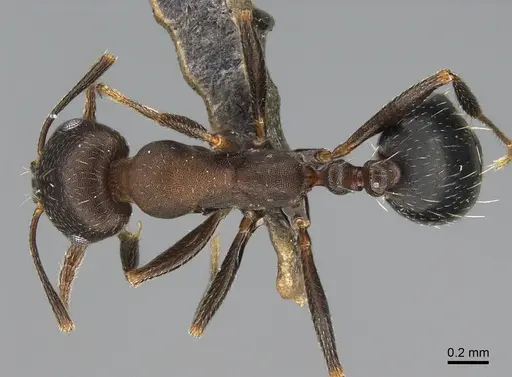
CASENT0010820
View on AntWeb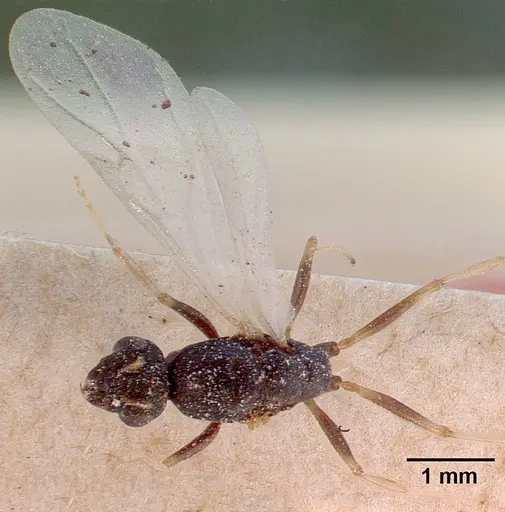
CASENT0010821
View on AntWeb
CASENT0010823
View on AntWeb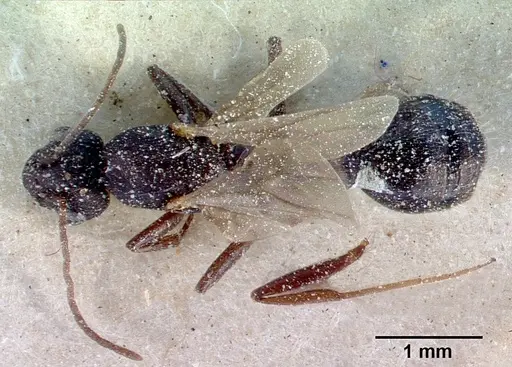
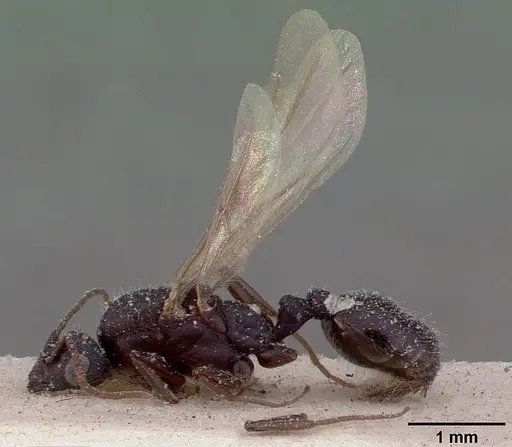
CASENT0010881
View on AntWeb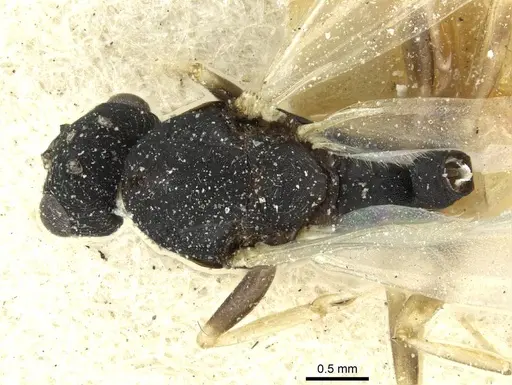
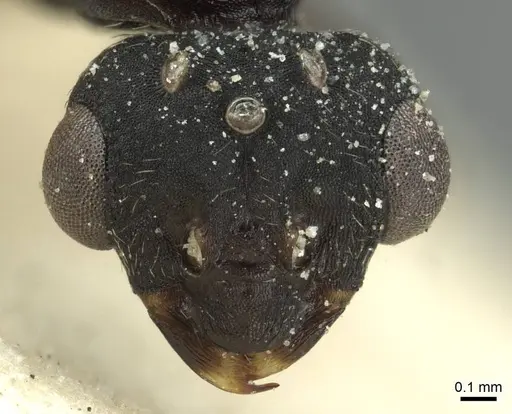
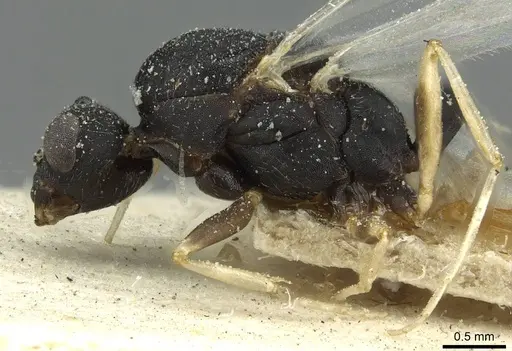
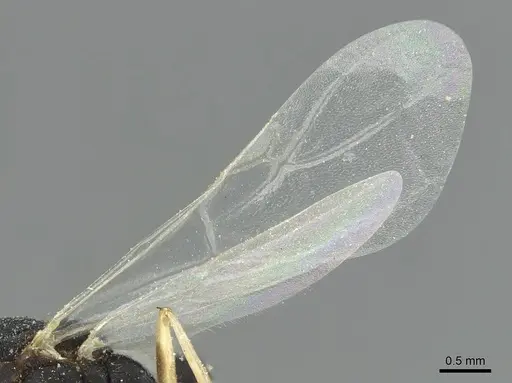
CASENT0010892
View on AntWeb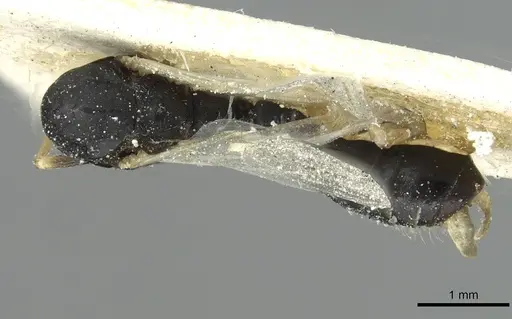
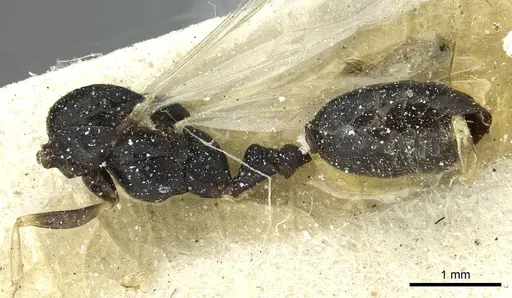
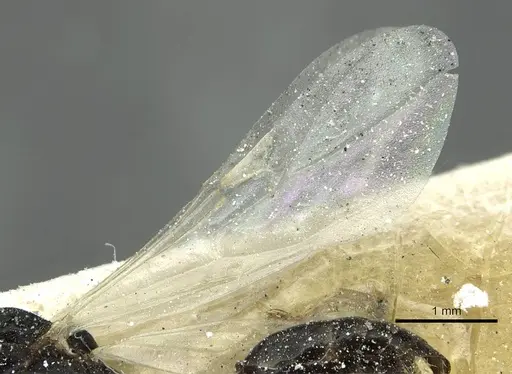
CASENT0010948
View on AntWeb


CASENT0010949
View on AntWeb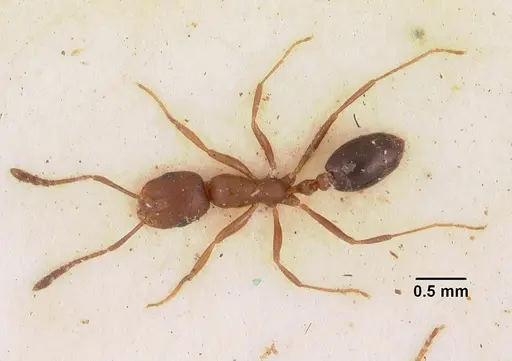
CASENT0010950
View on AntWeb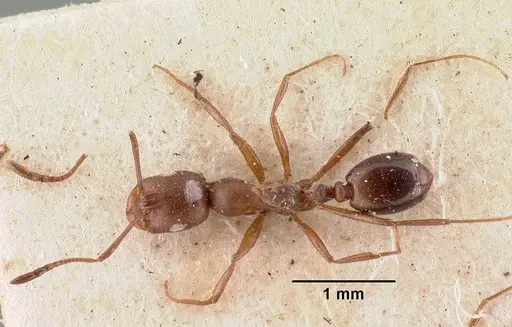
CASENT0010951
View on AntWeb


CASENT0064820
View on AntWeb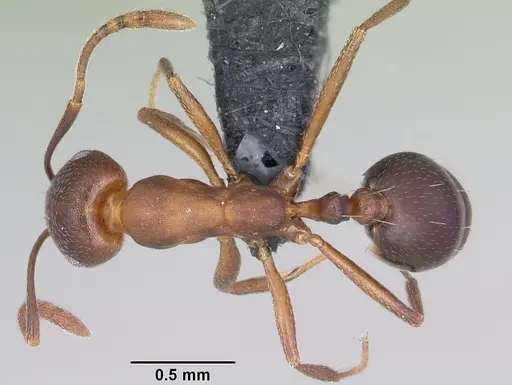
CASENT0068113
View on AntWeb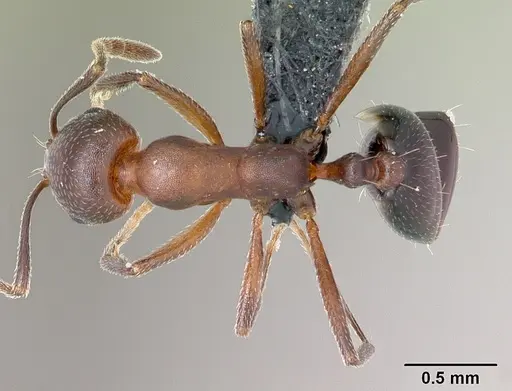
CASENT0147107
View on AntWeb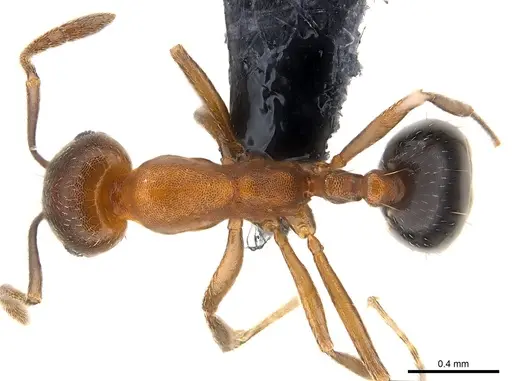
CASENT0249835
View on AntWeb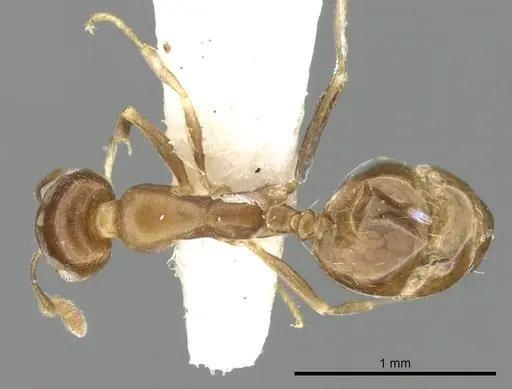
CASENT0249857
View on AntWeb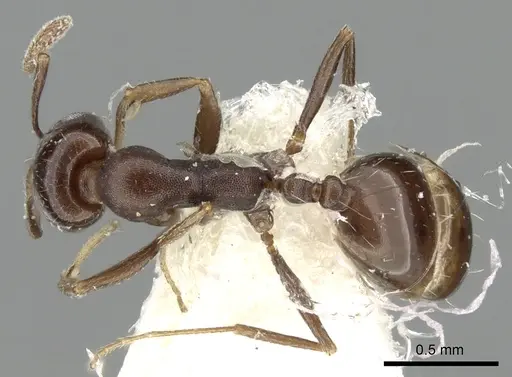
CASENT0252770
View on AntWeb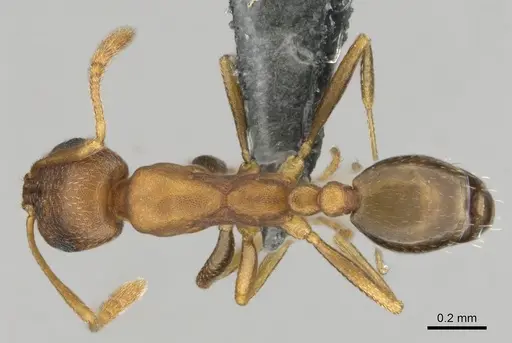
CASENT0264297
View on AntWeb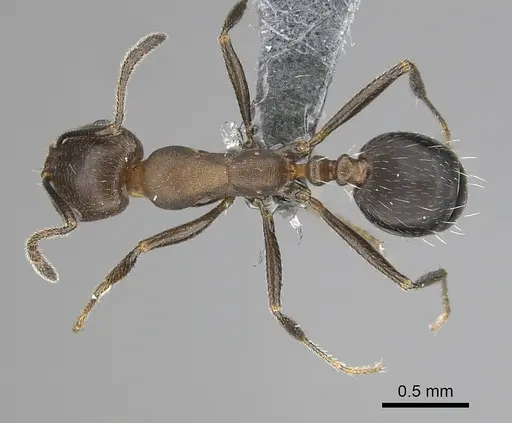
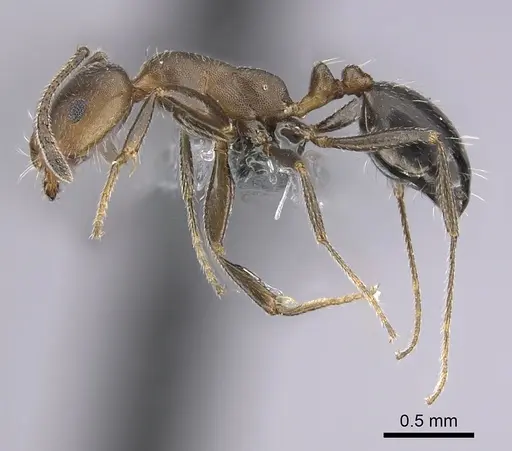
CASENT0281550
View on AntWeb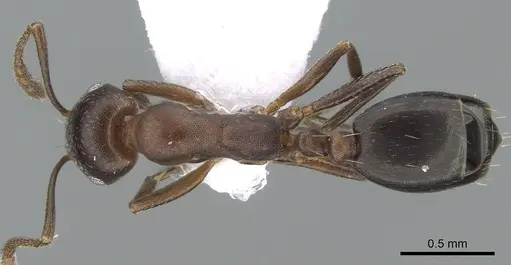
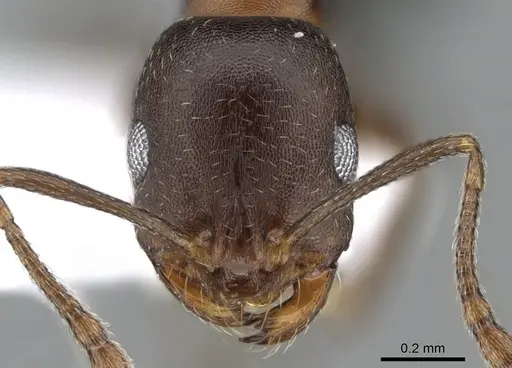
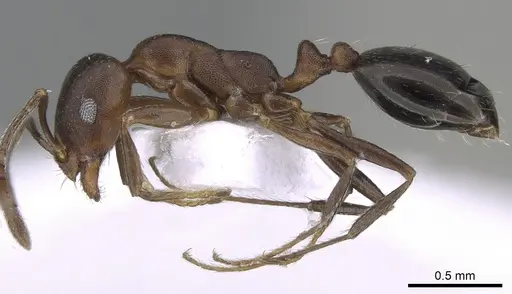
CASENT0904597
View on AntWeb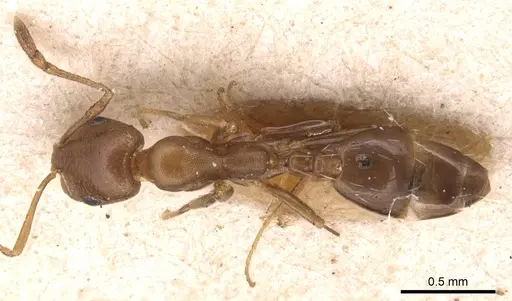
CASENT0913857
View on AntWeb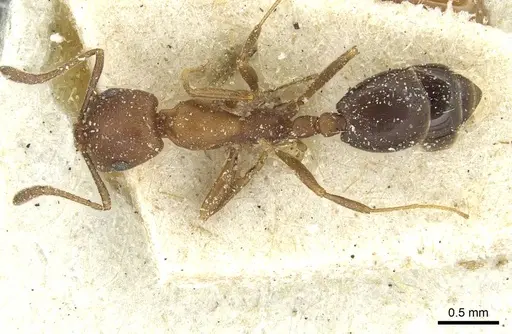
CASENT0913858
View on AntWeb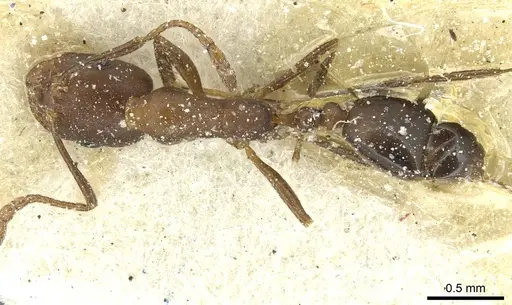
CASENT0913859
View on AntWeb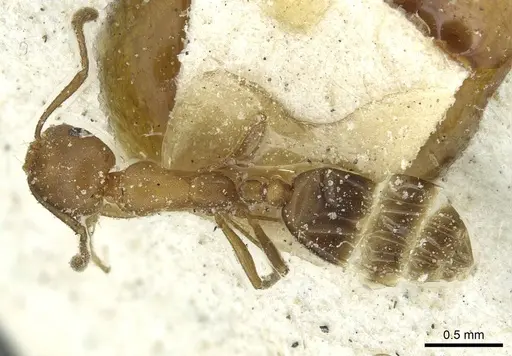
CASENT0914823
View on AntWeb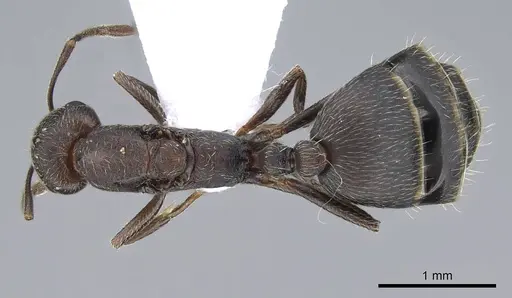
CASENT0916009
View on AntWeb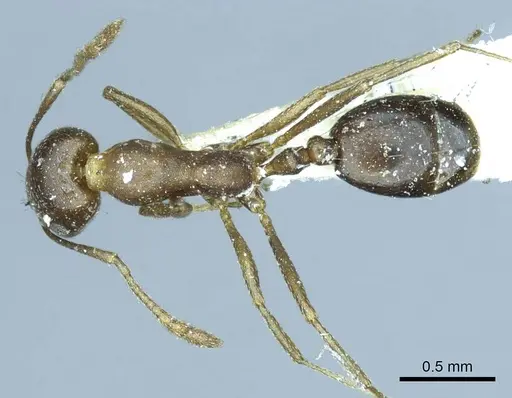
CASENT0922305
View on AntWeb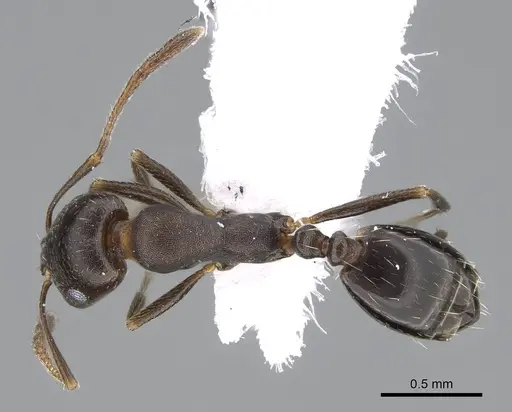
CASENT0922332
View on AntWeb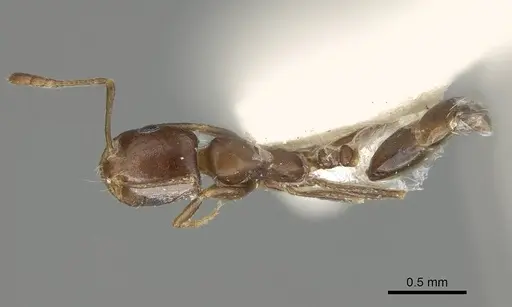
CASENT0922333
View on AntWeb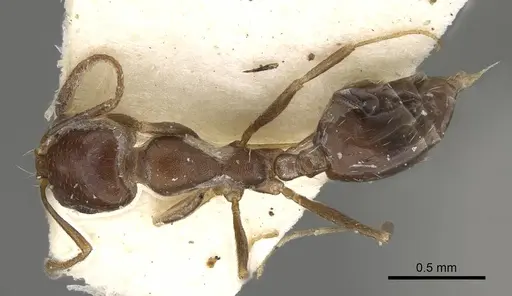
CASENT0922334
View on AntWeb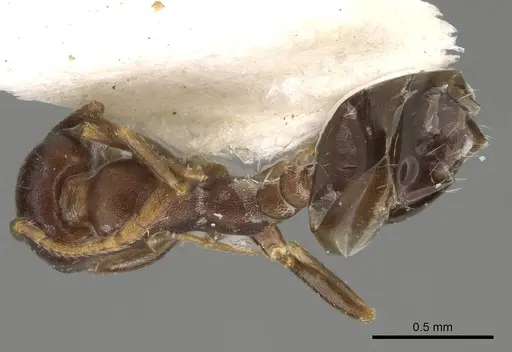
Literature
Loading distribution map...Loading products...