
Monomorium sahlbergi
- Sci. Name
- Monomorium sahlbergi
- Tribe
- Solenopsidini
- Subfamily
- Myrmicinae
- Author
- Emery, 1898
- Distribution
- Found in 9 countries
Introduction
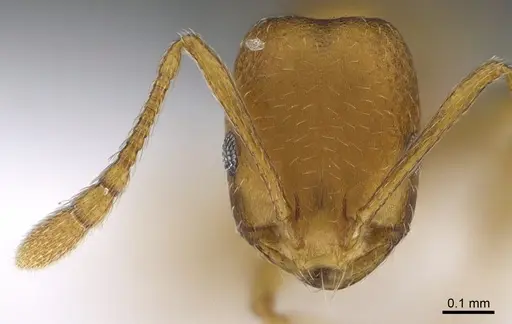
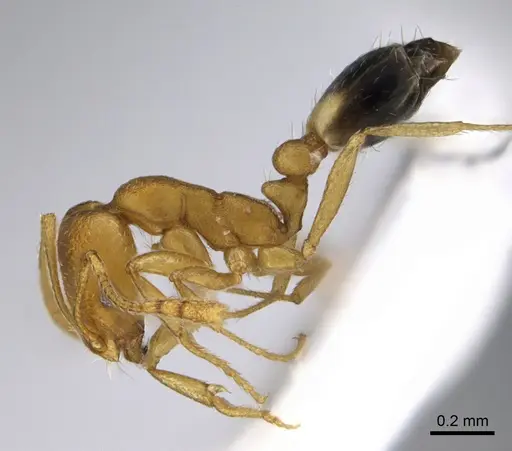
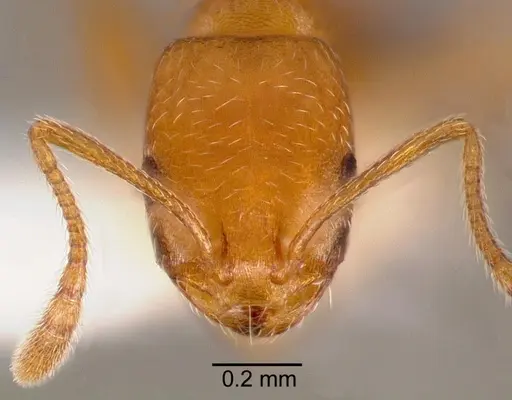
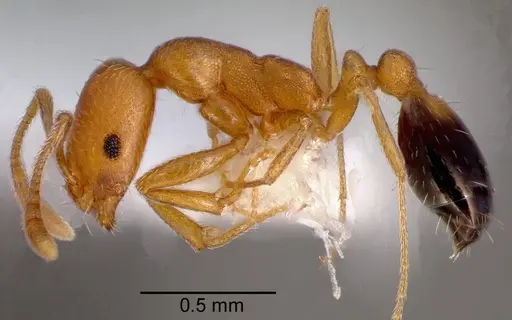
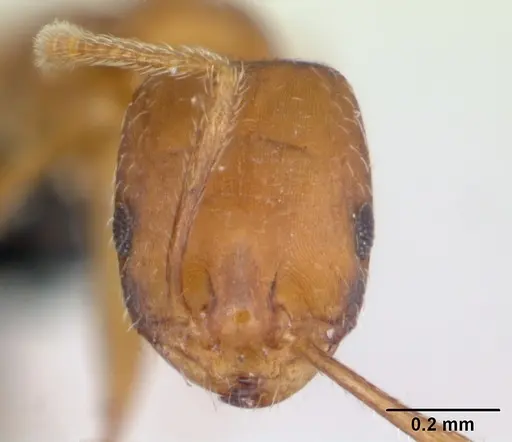
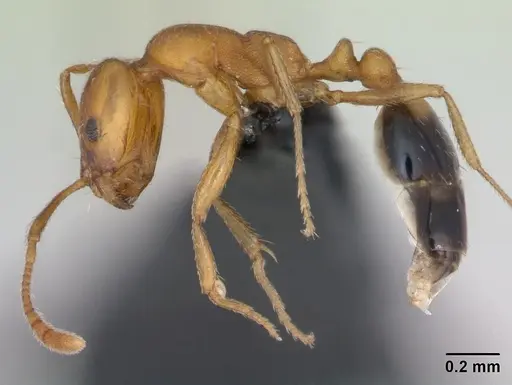
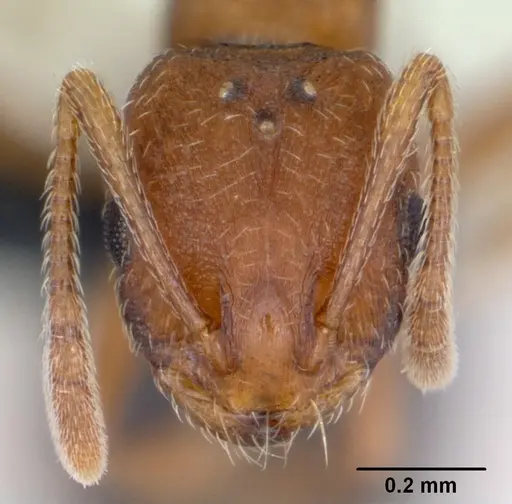
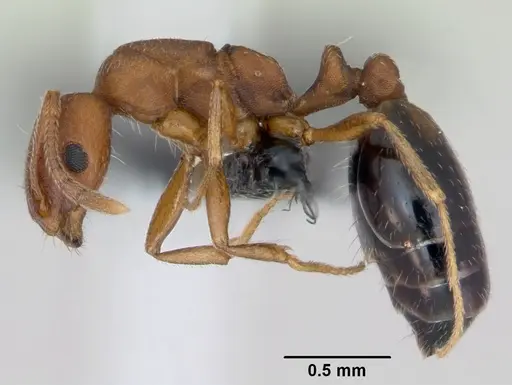
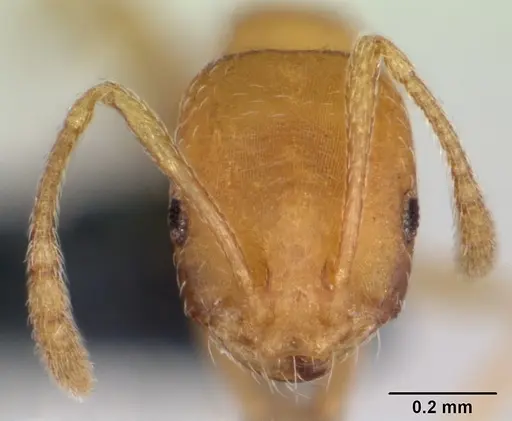
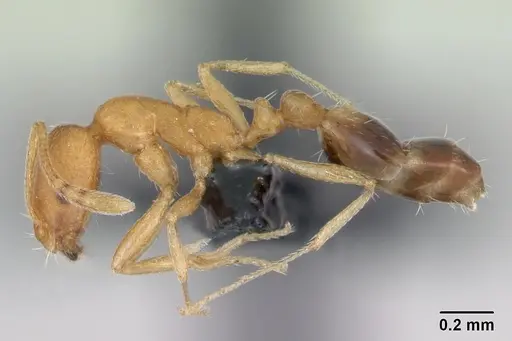
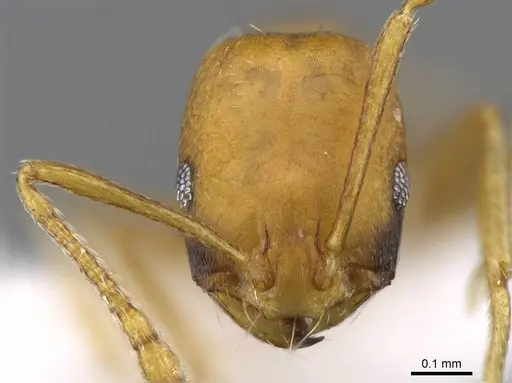
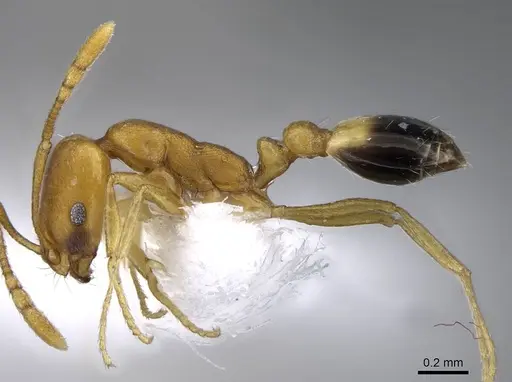
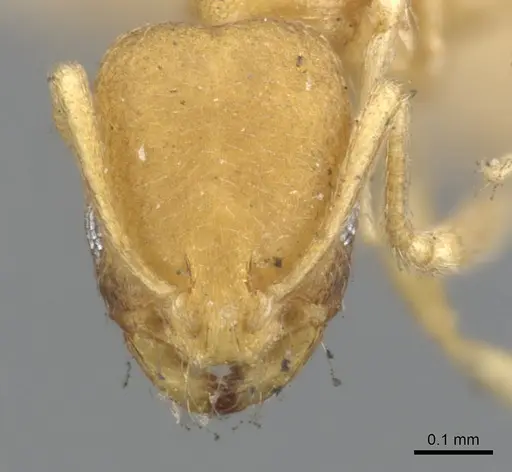
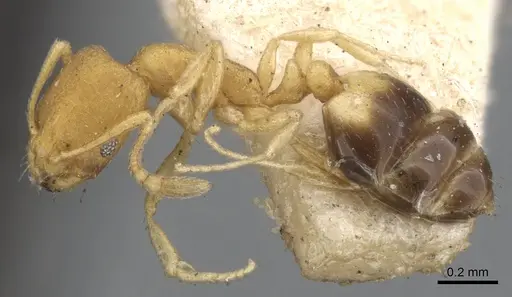
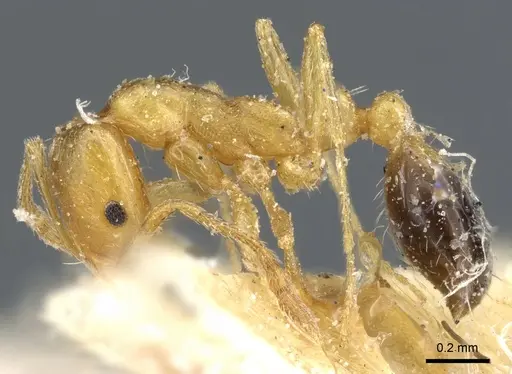
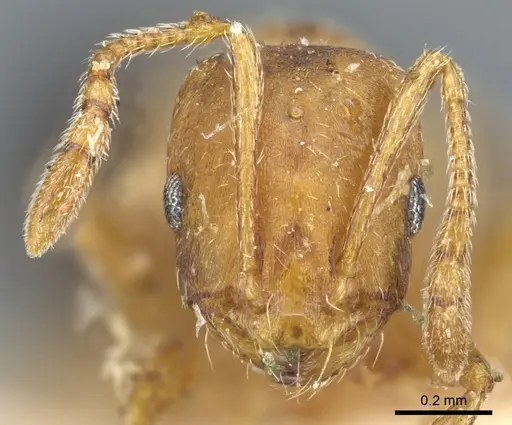
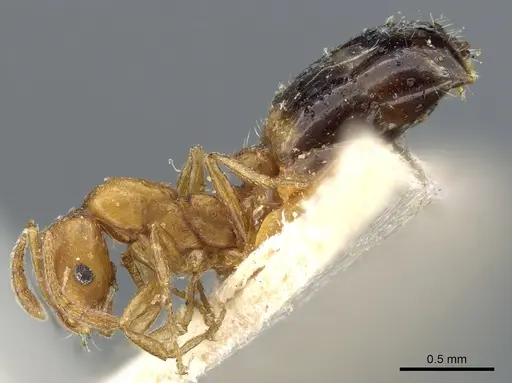
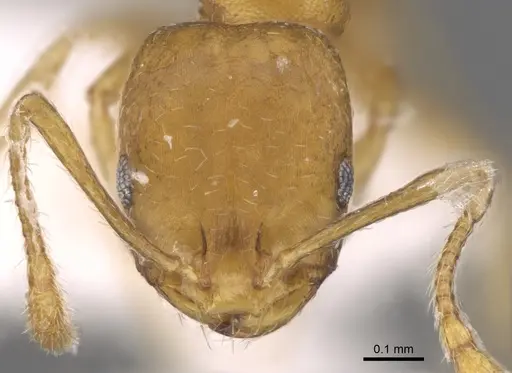
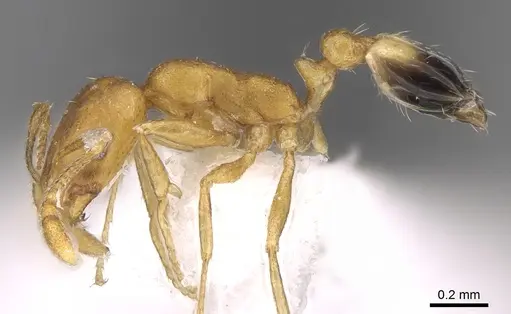
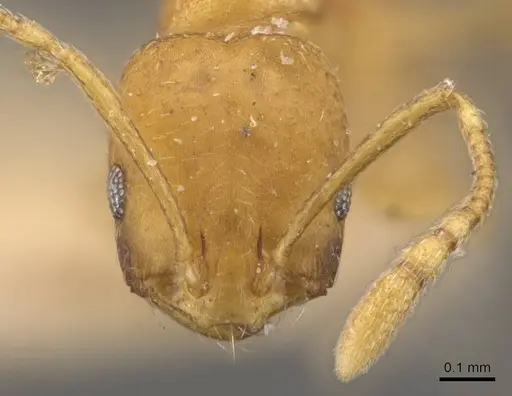
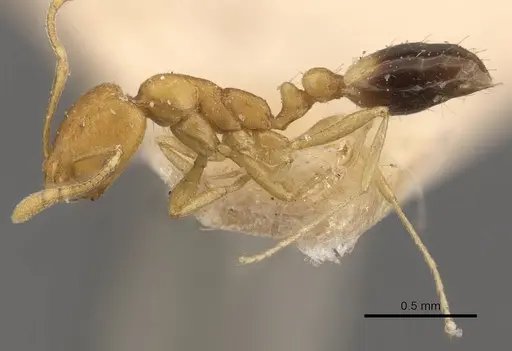
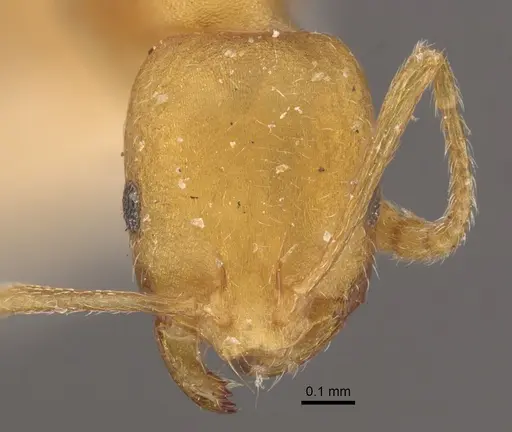
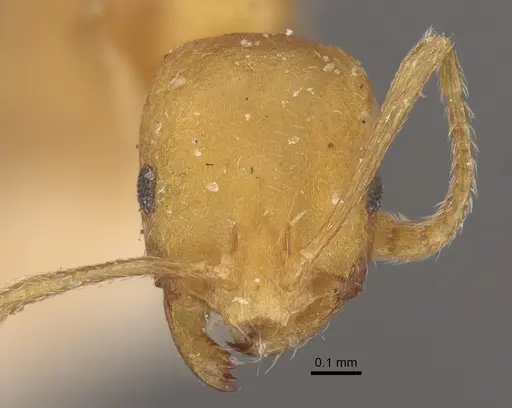
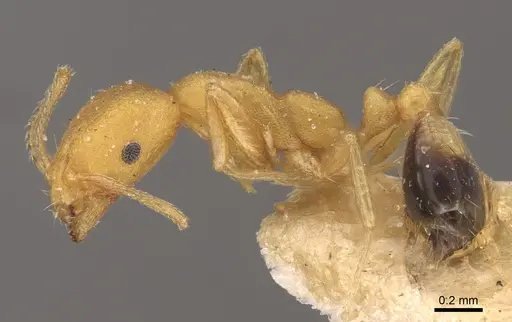
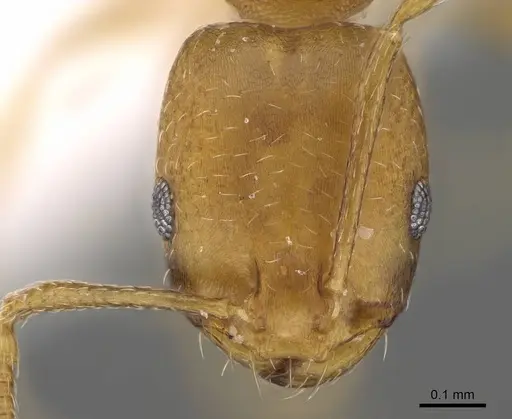
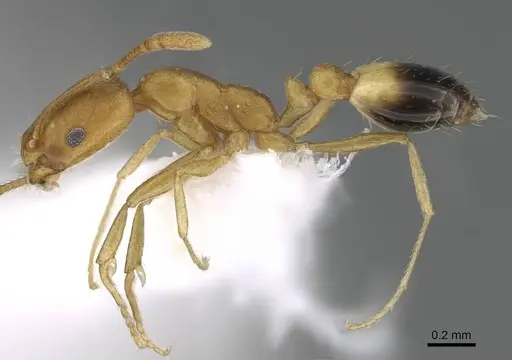
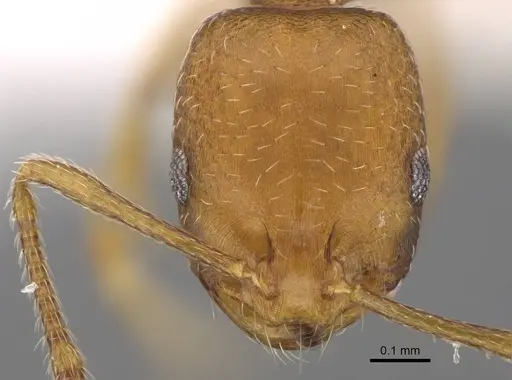
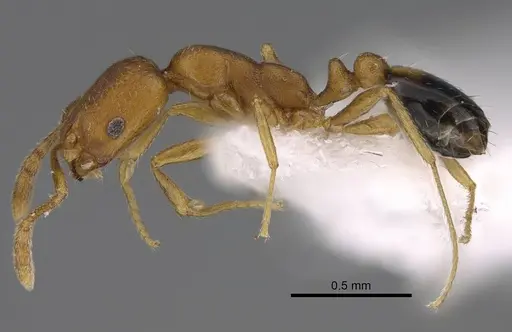
Monomorium sahlbergi is a tiny ant species, with workers measuring 2-2.5mm and queens at 3-4mm . Workers are yellowish with a distinctive black abdomen featuring a light-colored patch at the base, while queens are reddish-brown to brown. This species is nearly identical in appearance to the Pharaoh ant (Monomorium pharaonis), but can be distinguished by the finely striated surface of its head and the dark patches in front of its eyes . Originally described from Israel, genetic evidence suggests the species is native to the Indomalaya region (India, Nepal, Thailand), but it has spread globally through human trade and is now established in many tropical and subtropical areas worldwide .
Quick Summary
- Difficulty: Medium
- Origin & Habitat: Native to the Indomalaya region (India, Nepal, Thailand), but now found worldwide through human-assisted introduction. In the wild, they nest in moist soil in agricultural areas like banana farms, and have been collected from urban, industrial, and military areas from sea level to 1800m elevation [2][3][4].
- Colony Type: Single-queen colonies with ergatoid (wingless) replacement queens documented. Both winged queens and ergatoid queens are produced, allowing for colony reproduction if the primary queen dies [3][1].
- Size & Growth:
- Queen: 3-4mm [1]
- Worker: 2-2.5mm [1]
- Colony: Colony size data unavailable, estimated up to several hundred workers based on similar tramp ant species
- Growth: Moderate
- Development: Development time unconfirmed for this species (Based on related Monomorium species, expect several months to first workers at warm temperatures)
- Antkeeping:
- Temperature: Keep at 24-28°C. This species thrives in warm conditions similar to other tropical tramp ants. A heating cable on one side of the nest creates a temperature gradient they can choose from.
- Humidity: Moderate humidity. They prefer moist soil substrates, in the wild they have been collected from moist agricultural soils. Provide a water tube for drinking water [2][4].
- Diapause: No, as a tropical species, they do not require hibernation. Keep at stable warm temperatures year-round.
- Nesting: Use test tubes for founding colonies. For established colonies, Y-tong (AAC) nests or plaster nests work well. They prefer tight, small chambers scaled to their tiny size. Avoid large, open spaces.
- Behavior: These are small, active ants that will readily forage for food. They have a sting as their defense mechanism (subfamily Myrmicinae), though their small size means sting potency is limited. Because of their very small size, escape prevention must be excellent, use fine mesh barriers and tight-fitting lids. They are not aggressive and can be handled gently.
- Common Issues: escape prevention is critical due to their tiny 2mm size, they can squeeze through standard mesh, wild-caught colonies may carry parasites that can kill them in captivity, test tube setups can flood if water reservoirs are overfilled, confusion with Pharaoh ants (M. pharaonis) means proper identification matters, this species is invasive in many regions, do not release outdoors in introduced range
Identification and Similar Species
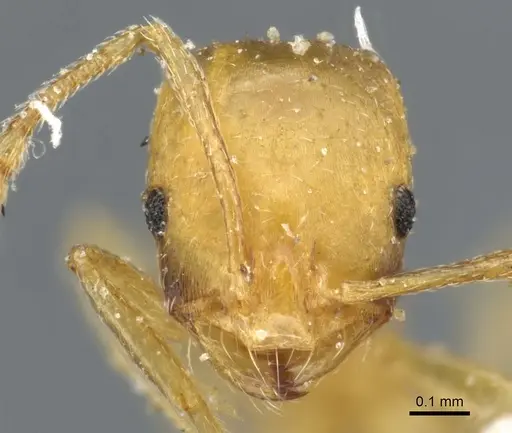
Monomorium sahlbergi is nearly identical to the famous Pharaoh ant (Monomorium pharaonis), which is one of the most widespread tramp ant species in the world. Telling them apart requires careful examination under magnification. Workers of M. sahlbergi have a finely longitudinally striated (strigulate) head surface, while M. pharaonis has a reticulate (net-like) surface structure. Additionally, M. sahlbergi has dark patches in front of the eyes, and only about 1/4 of the first gastral tergite is light-colored compared to 2/3 in Pharaoh ants. The mesonotal groove is shallower, and promesonotal setae are completely absent in M. sahlbergi while M. pharaonis has 2-6 of these bristles [3][2]. This identification challenge is why specimens were previously misidentified on AntWeb as M. pharaonis_nr and M. bicolor complex [3]. If you obtain what you believe is M. sahlbergi, verify the identification through these morphological characters.
Distribution and Invasive Status
This species has an introduced distribution across the globe. Genetic analysis confirms it belongs to the salomonis group and originated from the Indomalaya region. It has been recorded from seven global biogeographic regions: Palearctic (China, Israel, Netherlands), Australian (New Zealand), Nearctic (USA), Neotropical (Panama, Galapagos), Afrotropical (Reunion, Madagascar), and Oceania (Hawaii) [3]. The species has been intercepted in quarantine, notably in the Netherlands in a shipping container filled with glycine from China [3]. Established outdoor populations exist in the Galapagos Islands, urban areas of Texas (USA), Panama City, Hawaii, Madagascar, and Reunion [3]. In its introduced range, it should not be released outdoors as it could become invasive. In its native range (India, Nepal, Thailand), release is appropriate.
Natural Habitat and Nesting
In the wild, Monomorium sahlbergi shows a preference for moist, disturbed agricultural areas. In Yemen's Socotra Archipelago, they were collected from a banana farm where the soil was moist and rich in decaying livestock faeces, a habitat also shared with pselaphine beetles [2]. In Oman, workers were found in leaf litter under a date palm tree where the soil was soft and dry [4]. This flexibility suggests they can adapt to various moisture conditions. They have been collected from sea level up to 1800m elevation, and from desert-like areas to urban environments [3]. For captive care, provide a moist but not waterlogged substrate. A test tube setup with a water reservoir works well for founding colonies.
Feeding and Diet
Like other Monomorium species and tramp ants, M. sahlbergi has an omnivorous diet. They feed on honeydew from aphids, small insects, and various food scraps in urban environments. In captivity, offer sugar water or honey as a constant energy source, and protein foods like small mealworms, fruit flies, or other tiny insects. Given their small size, prey items should be appropriately sized, fruit flies and springtails are ideal. They are not specialized predators and should accept a variety of foods. Feed protein 2-3 times per week and keep sugar water available at all times.
Temperature and Colony Care
As a tropical species with a current distribution in warm regions worldwide, Monomorium sahlbergi prefers warm temperatures. Keep the nest area at 24-28°C for optimal colony development. Unlike temperate species, they do not require diapause or hibernation, maintain stable temperatures year-round. A heating cable on one side of the nest creates a gradient allowing workers to self-regulate their temperature preference. Because they are tiny, they are sensitive to drying out, maintain moderate humidity with a water tube and occasional misting of the outworld. Their small size requires attention to escape prevention. [3]
Queen Types and Colony Structure
One interesting aspect of M. sahlbergi is its queen system. The species produces both winged (alate) queens and ergatoid queens, wingless queens that develop from the worker caste [3][1]. Ergatoid queens serve as replacement reproductives if the primary queen dies or leaves, allowing the colony to continue. This means your colony has a built-in backup system for reproduction. The colony structure is monogyne, a single queen heads each colony. This differs from some other tramp ants that can have multiple queens. When starting a colony, you will typically receive one founding queen who will seal herself in and raise the first workers alone (claustral founding).
Frequently Asked Questions
Is Monomorium sahlbergi a good beginner ant?
This species is suitable for beginners with some experience. They are small and relatively docile. They do not require hibernation. The main challenge is their tiny size requiring excellent escape prevention with fine mesh barriers.
How long does it take for the first workers to emerge?
Development time has not been specifically documented for this species. Based on related Monomorium species, expect first workers in several months at warm temperatures (around 26°C).
Can I keep multiple queens together?
This species is monogyne, colonies have a single queen. While ergatoid (wingless) replacement queens exist within established colonies, combining unrelated founding queens is not recommended as they would likely fight. Stick with single-queen colonies.
What do Monomorium sahlbergi eat?
They are omnivorous. Offer sugar water or honey constantly for energy, and protein sources like small insects (fruit flies, pinhead crickets, mealworms) 2-3 times per week. Their small size means prey should be appropriately sized.
Do they need hibernation?
No, as a tropical species they do not require hibernation. Keep them at warm temperatures (24-28°C) year-round. Do not expose them to cold temperatures as this could harm the colony.
How big do colonies get?
Colony size data is unavailable for this species. Based on similar tramp ant species, colonies likely reach several hundred workers.
Why are my ants escaping?
Their tiny 2mm size means they can squeeze through standard mesh and small gaps. Use fine mesh (at least 0.5mm or finer), tight-fitting lids, and apply Fluon or another barrier to the rim of the outworld. Check all connections and seams regularly.
Report an Issue
The current care sheet is based fully on literature. See inconsistencies, or something that's incorrect? Please , it will be resolved after review from an admin. Contributing to the blogs tab also helps providing information, to make us be able to further improve the caresheets. Thank you for your support!
References

This caresheet is licensed under CC BY-SA 4.0 .
Community Blogs
ANTWEB1041895
View on AntWeb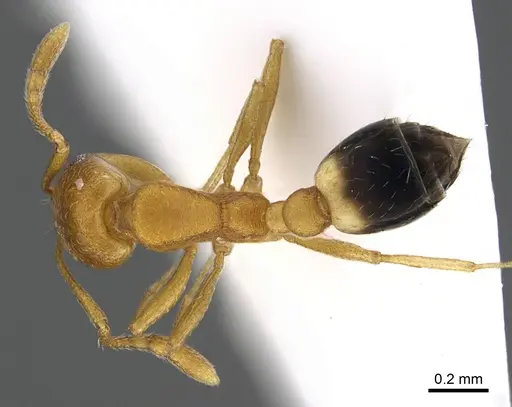
CASENT0005783
View on AntWeb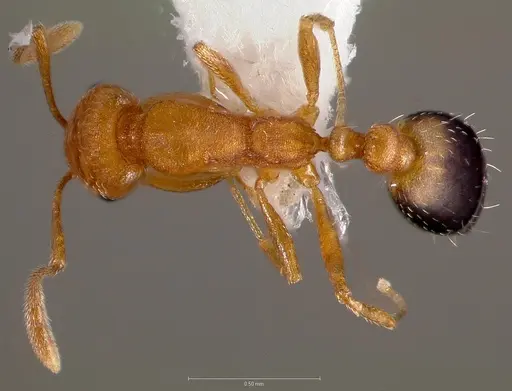
CASENT0125194
View on AntWeb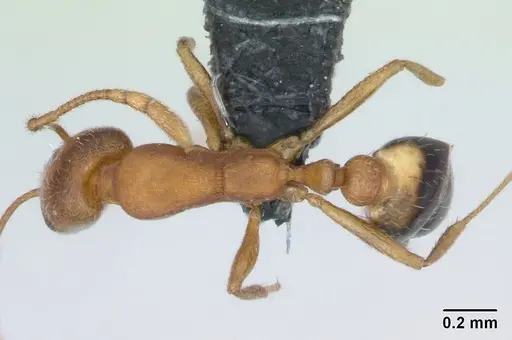
CASENT0125334
View on AntWeb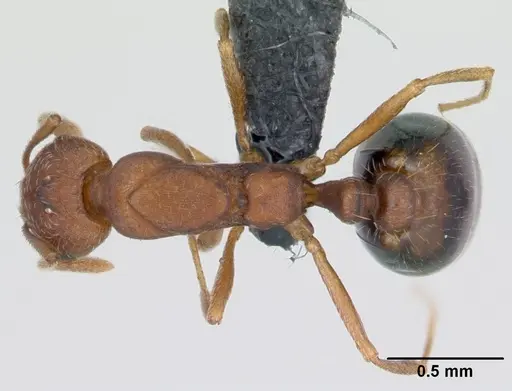
CASENT0173319
View on AntWeb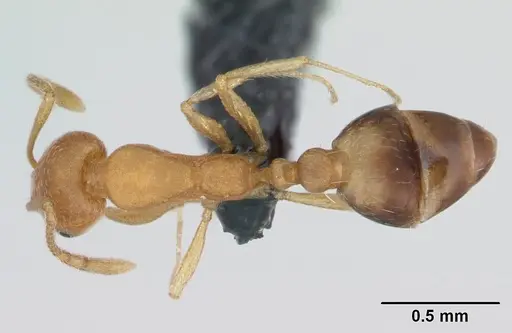
CASENT0746622
View on AntWeb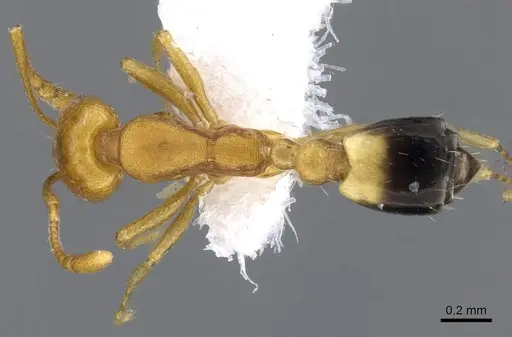
CASENT0902222
View on AntWeb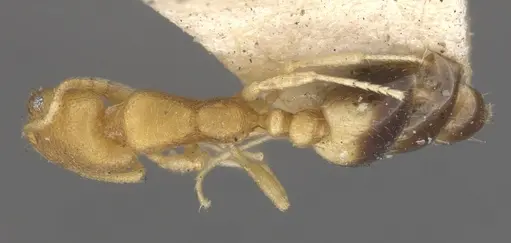
CASENT0904576
View on AntWeb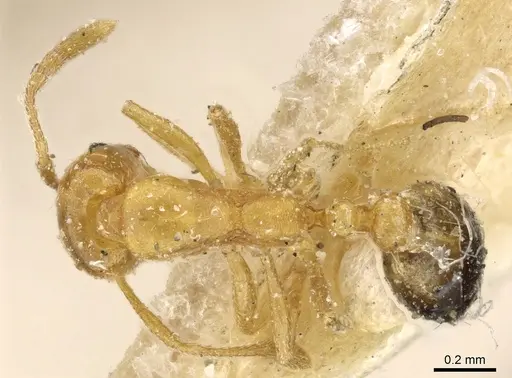
CASENT0904577
View on AntWeb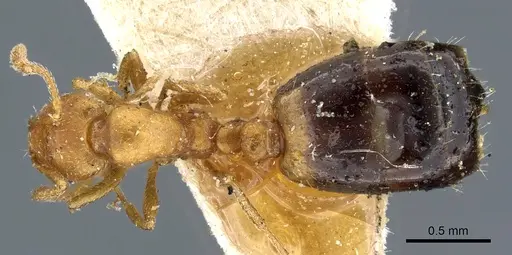
CASENT0906492
View on AntWeb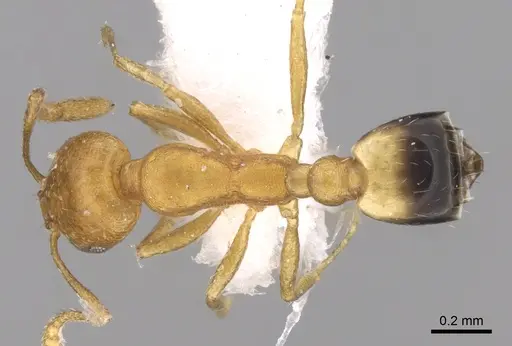
CASENT0908718
View on AntWeb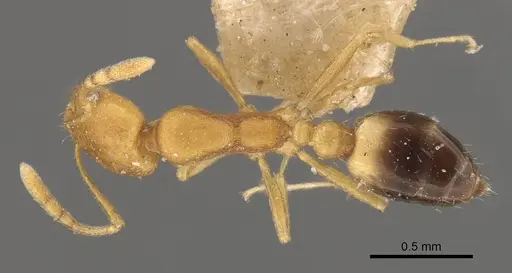
CASENT0917812
View on AntWeb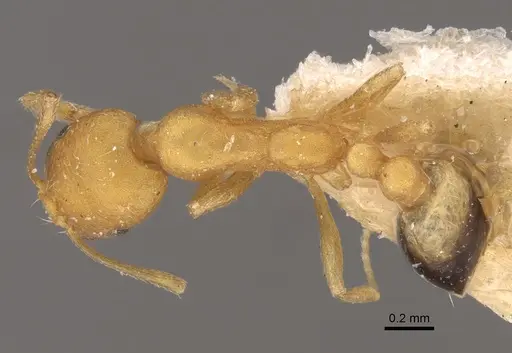
CASENT0922304
View on AntWeb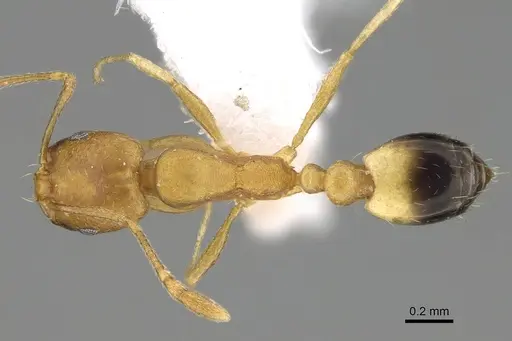
CASENT0922875
View on AntWeb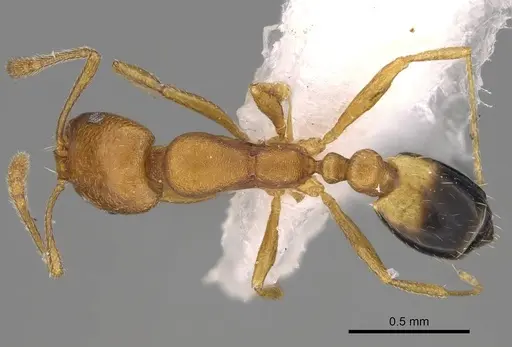
Literature
Loading distribution map...Loading products...