
Monomorium rufulum
- Sci. Name
- Monomorium rufulum
- Tribe
- Solenopsidini
- Subfamily
- Myrmicinae
- Author
- Stitz, 1923
- Distribution
- Found in 3 countries
Introduction
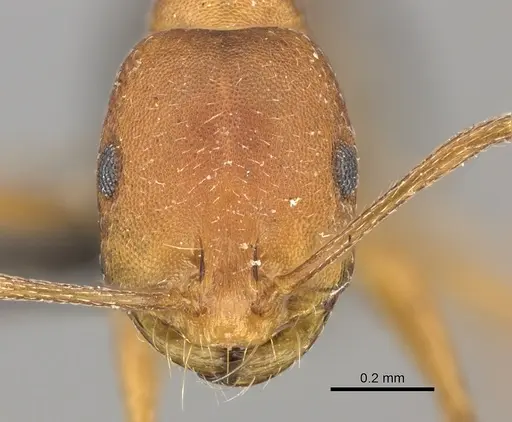
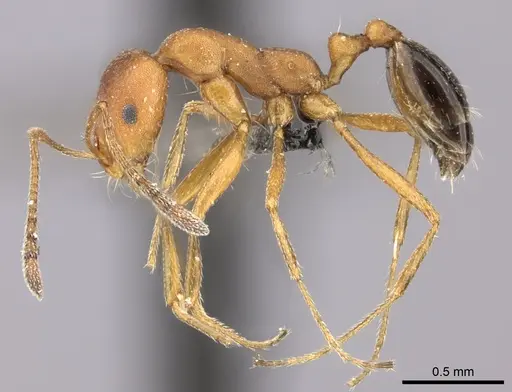
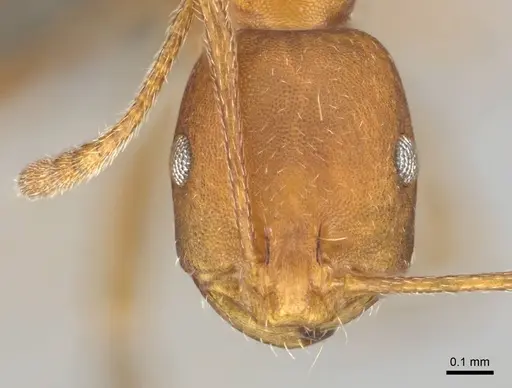
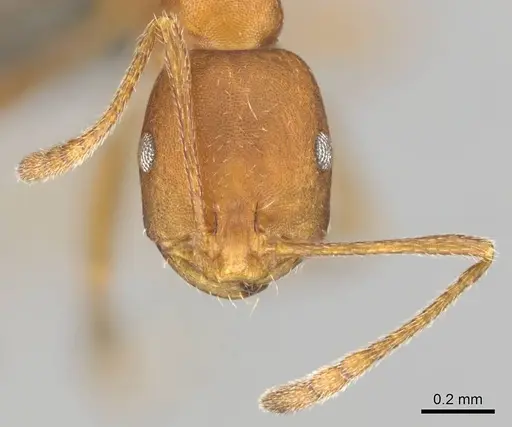
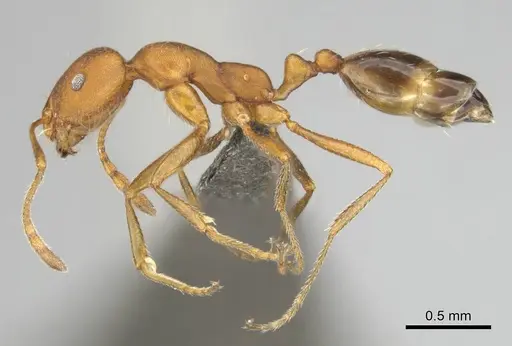
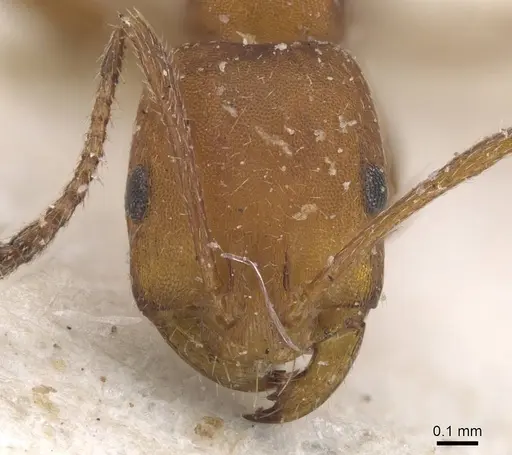
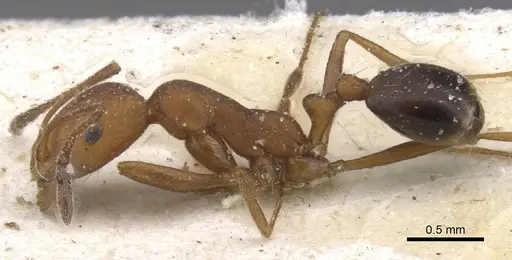
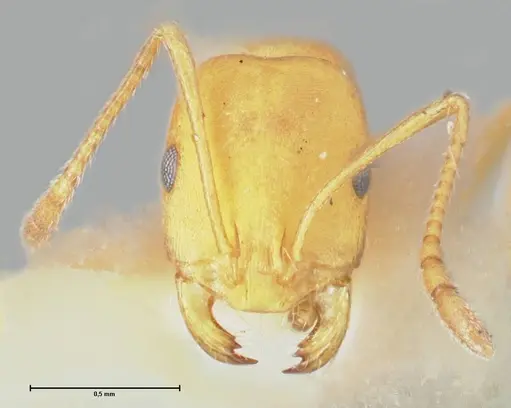
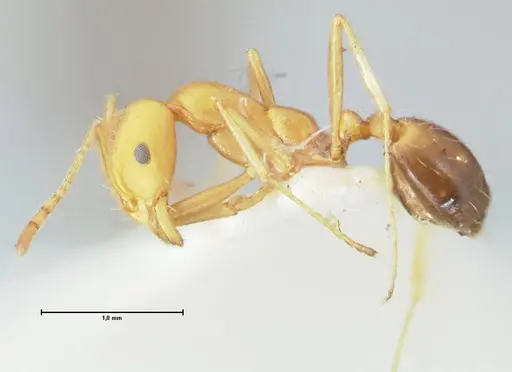
Monomorium rufulum is a small ant species native to southern Africa, found in Namibia, Botswana, South Africa, Angola, and Zimbabwe. Workers measure 3.0-3.6mm in total length and have a distinctive appearance: a dull orange to reddish-orange head, alitrunk, petiole and postpetiole, contrasting with a much darker brown to blackish-brown gaster. They are immediately recognizable by their densely hairy first gastral tergite and the hairless dorsal alitrunk. This species belongs to the Monomorium salomonis species group and nests in loose sandy soil in warm savannah habitats . This species shows remarkable dominance in savannah ground habitats, being present at nearly two-thirds of ground baits and monopolizing nearly 80% of them. They are highly agile and fast-moving, making them active foragers. A notable trait is their queen dimorphism - they produce both winged (alate) queens and wingless (ergatoid) queens, which can serve as replacement reproductives if the primary queen dies .
Quick Summary
- Difficulty: Medium
- Origin & Habitat: Southern Africa (Namibia, Botswana, South Africa, Angola, Zimbabwe), savannah and desert habitats with loose sandy soil [1][2]
- Colony Type: Queen dimorphic species, colonies can have either winged (alate) queens or wingless (ergatoid) replacement queens. Likely monogyne (single queen) in most established colonies, with ergatoid queens serving as backup reproductives [3].
- Size & Growth:
- Queen: Size data unavailable, queen measurements not specifically documented in available literature
- Worker: 3.0-3.6mm total length [1]
- Colony: Maximum colony size not specifically documented, typical for the genus likely reaches several hundred workers [1]
- Growth: Moderate, based on typical Monomorium development patterns
- Development: 6-8 weeks (estimated based on related Monomorium species development at warm temperatures) (Development time estimated from genus-level data since species-specific development has not been documented. Warmer temperatures within their range will accelerate development.)
- Antkeeping:
- Temperature: Keep at 24-28°C, they are adapted to warm African savannah conditions. A heating cable on one side of the nest creates a temperature gradient they can regulate themselves [2].
- Humidity: Low to moderate, they nest in loose sandy soil in arid to semi-arid habitats. Allow the nest substrate to dry partially between waterings. Provide a water tube but avoid constant saturation [1].
- Diapause: Likely reduced activity during cooler months but true hibernation is not required, they are adapted to a warm climate with year-round activity potential. If colony shows slowdown in winter, reduce temperatures to around 18-20°C for a few months rather than full hibernation.
- Nesting: They naturally nest in loose sandy soil. In captivity, a Y-tong (AAC) nest or plaster nest with sand-filled chambers works well. Provide a mix of sand and soil substrate if using a naturalistic setup. They prefer dry to moderately humid nest conditions.
- Behavior: Very agile and fast-moving ants, they are active foragers and quickly discover food sources. They show strong dominance at food baits in the wild. Workers are not particularly large or aggressive, but their speed and numbers make them effective competitors. They have a functional stinger but due to their small size, stings are rarely noticeable to humans. Their small size (under 4mm) means escape prevention is important, use fine mesh and tight-fitting lids [2].
- Common Issues: escape prevention is critical due to their tiny size, they can squeeze through the smallest gaps, fast movement makes them difficult to contain when the outworld is opened, work carefully and have barriers ready, colonies may struggle if kept too humid, their arid natural habitat means they prefer drier conditions, wild-caught colonies may have parasites that can decimate the colony in captivity, overheating is a greater risk than cold, keep temperatures stable and avoid exceeding 32°C
Nest Preferences and Housing
Monomorium rufulum naturally nests in loose sandy soil in warm African savannah habitats. In captivity, they adapt well to several nest types. A Y-tong (acrylic) nest works excellently, the dark chambers help them feel secure and the material is easy to maintain. Plaster nests with sand-filled chambers also mimic their natural conditions well. For a naturalistic setup, use a container filled with a sand and soil mix, keeping it relatively dry rather than constantly moist. The key is providing dry to moderately humid conditions, these ants come from arid regions and do not need high humidity. Ensure the nest has chambers sized appropriately for their small 3-4mm workers, with narrow passages that make them feel secure. Always provide an outworld (foraging area) connected to the nest via tubing. [1]
Feeding and Diet
In the wild, Monomorium rufulum is a dominant ground-foraging species that monopolizes food baits, indicating they are generalist foragers with a strong protein preference. They likely feed on small insects, honeydew from aphids, and sugary secretions. In captivity, offer a varied diet: sugar water or honey as a constant energy source, and protein-rich foods like small crickets, mealworms, fruit flies, or other tiny insects. Feed protein 2-3 times per week, removing any uneaten prey after 24 hours. Their small size means prey items should be appropriately sized, fruit flies and pinhead crickets work well. They are agile foragers, so place food in the outworld where they can easily discover it. Remove sugary foods that spoil quickly, but a small honey smear can be left for several days. [2]
Temperature and Seasonal Care
Being native to southern Africa, Monomorium rufulum thrives in warm conditions. Keep the nest area at 24-28°C for optimal colony health and development. A heating cable placed on one side of the nest creates a temperature gradient, allowing ants to regulate their own temperature by moving between warmer and cooler areas. This is especially important for brood development, warmer temperatures speed up the development of eggs, larvae, and pupae. Avoid temperatures above 32°C, as this can stress or kill the colony. During winter, if your room temperature drops significantly, you may see reduced activity. Rather than full hibernation, a slight cool-down period (around 18-20°C for 2-3 months) can be beneficial, mimicking their natural seasonal cycle. Monitor colony behavior, if they remain active year-round, maintaining warm conditions is fine. [1][2]
Behavior and Colony Dynamics
This species is characterized by its exceptional agility and dominance at food sources. In the wild, they dominate savannah ground habitats, being present at nearly two-thirds of baits and monopolizing nearly 80% of them. This tells you they are competitive, active foragers that quickly discover and defend food resources. Workers are small but numerous, and their speed makes them effective foragers. The colony will likely have one primary queen (likely an ergatoid, or wingless queen, based on the queen dimorphism documented), with potential replacement reproductives available if she dies. This is a queen dimorphic species, they produce both winged alate queens and wingless ergatoid queens. The ergatoid queens can take over if the primary queen is lost, making the colony more resilient. Workers are not particularly aggressive toward humans and their small size means their stinger rarely penetrates skin. [2][3]
Escape Prevention and Handling
Due to their very small worker size (3.0-3.6mm total length), escape prevention is critical for Monomorium rufulum. These ants can squeeze through remarkably small gaps, even tiny cracks around lid seals or tubing connections. Use fine mesh (at least 0.5mm or smaller) on any ventilation holes. Ensure all connections between the nest and outworld are secure and snug-fitting. When working with the colony, do so over a white surface so you can easily spot any escapes. Have a barrier like Fluon (insect barrier glue) ready around potential escape points. Their fast movement also means you need to be quick and careful when opening the outworld for feeding, have a barrier or second container ready to catch any escapees. A well-designed setup with proper barriers will keep your colony secure. [1]
Growth and Development
The development timeline for Monomorium rufulum has not been specifically documented, but based on related Monomorium species, you can expect approximately 6-8 weeks from egg to first worker (nanitic) at optimal warm temperatures. The first workers will be smaller than normal workers (nanitics) and the colony will grow gradually as more workers emerge. Growth rate is moderate, not the fastest species, but steady under good conditions. The colony will likely remain relatively small compared to some genera, probably reaching several hundred workers at maturity. Brood development is temperature-dependent: warmer temperatures (within the 24-28°C range) accelerate development, while cooler temperatures slow it down significantly. Ensure consistent warmth and proper nutrition for fastest growth. The queen dimorphism (alate vs ergatoid queens) means the colony has built-in resilience through potential replacement reproductives. [1]
Frequently Asked Questions
How long does it take for Monomorium rufulum to produce first workers?
Expect first workers (nanitics) to emerge in approximately 6-8 weeks at optimal temperatures of 24-28°C. This is an estimate based on related Monomorium species, as species-specific development data is not available. Warmer temperatures within this range will speed development, while cooler temperatures will slow it down.
What size nest do I need for Monomorium rufulum?
A small to medium-sized nest is appropriate. Y-tong (AAC) nests or plaster nests work well. They prefer dry to moderately humid conditions, so avoid setups that retain excessive moisture. The chambers should be appropriately sized for their tiny 3-4mm workers, with narrow passages that make them feel secure.
What do Monomorium rufulum ants eat?
They are generalist foragers. Offer sugar water or honey as a constant energy source, and protein-rich foods like small crickets, mealworms, or fruit flies 2-3 times per week. They are dominant foragers in the wild, so they will readily discover and exploit food sources in captivity.
Are Monomorium rufulum good for beginners?
They are rated as Medium difficulty. They are small and fast-moving, requiring excellent escape prevention. They also prefer warmer, drier conditions than some common species, which may require more attention to heating and humidity control. However, they are not overly demanding once basic needs are met.
Do Monomorium rufulum need hibernation?
True hibernation is not required. They are adapted to warm African climates with year-round activity potential. If your room temperature drops significantly in winter, a slight cool-down period (around 18-20°C for 2-3 months) can be beneficial, but full hibernation temperatures are not necessary and could harm them.
How big do Monomorium rufulum colonies get?
Based on typical Monomorium patterns, colonies likely reach several hundred workers at maturity. They are not among the largest ant species, but they make up for their small size with agility and dominance at food sources.
Why is my Monomorium rufulum colony dying?
Common causes include: too high humidity (they prefer dry conditions), escape of workers due to inadequate barriers, temperatures that are too cold (below 20°C slows metabolism dangerously), or parasites from wild-caught colonies. Ensure proper escape prevention, keep them warm (24-28°C), and maintain drier nest conditions. If the colony was wild-caught, parasites are a common cause of colony failure.
Can I keep multiple queens together?
This species is likely monogyne (single queen) in established colonies, with ergatoid (wingless) queens serving as replacement reproductives. Combining unrelated foundress queens has not been documented and is not recommended. If you acquire a colony, assume it is single-queen and do not attempt to add additional queens.
When should I move Monomorium rufulum to a formicarium?
Keep them in a founding setup (test tube or small container) until the colony has at least 20-30 workers. Once they outgrow the initial setup, you can move them to a proper nest. They do well in Y-tong or plaster nests. Always ensure the transition includes their existing nest material so they can relocate brood easily.
What temperature is best for Monomorium rufulum?
Keep the nest at 24-28°C. Use a heating cable on one side of the nest to create a gradient, allowing ants to regulate their own temperature. Avoid temperatures above 32°C. Room temperature within this range is acceptable without additional heating.
Are Monomorium rufulum invasive anywhere?
This species is native to southern Africa (Namibia, Botswana, South Africa, Angola, Zimbabwe) and has not been documented as invasive in other regions. As with all ant species, never release them outside their native range.
Report an Issue
The current care sheet is based fully on literature. See inconsistencies, or something that's incorrect? Please , it will be resolved after review from an admin. Contributing to the blogs tab also helps providing information, to make us be able to further improve the caresheets. Thank you for your support!
References

This caresheet is licensed under CC BY-SA 4.0 .
Community Blogs
CASENT0235927
View on AntWeb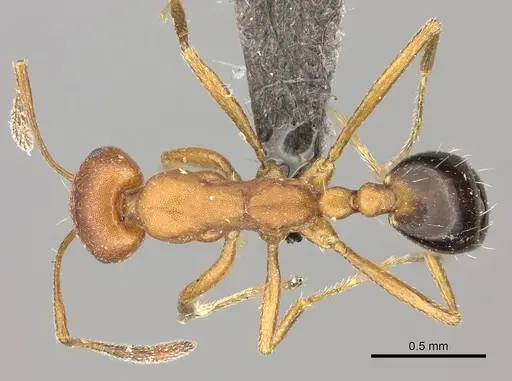
CASENT0253786
View on AntWeb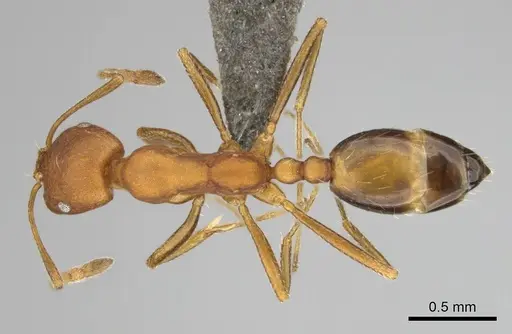
CASENT0913833
View on AntWeb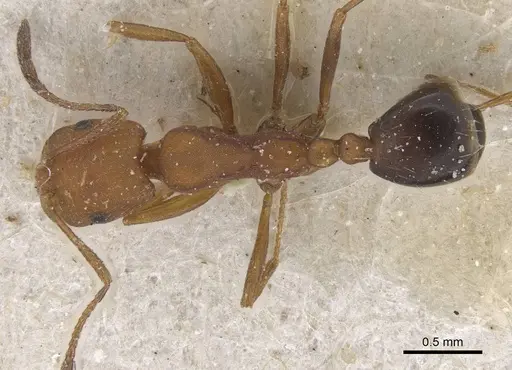
FOCOL1735
View on AntWeb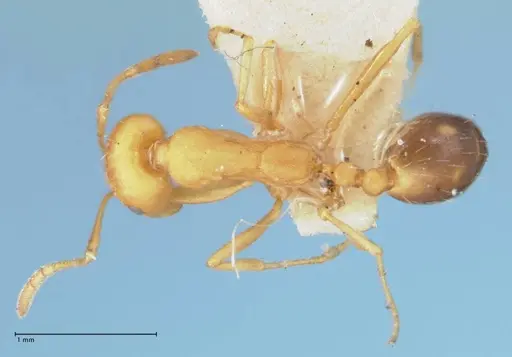
Literature
Loading distribution map...Loading products...