
Monomorium pallidipes
- Sci. Name
- Monomorium pallidipes
- Tribe
- Solenopsidini
- Subfamily
- Myrmicinae
- Author
- Forel, 1910
- Distribution
- Found in 1 countries
Introduction
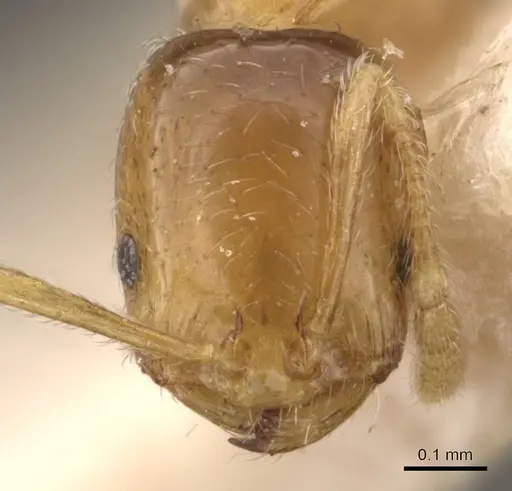
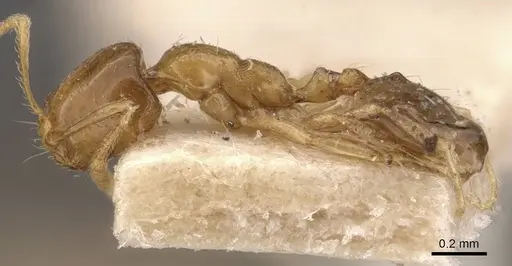
Monomorium pallidipes is a minute ant species measuring just 1.5mm in total length, making it one of the smaller ants you can keep . Workers are a uniform medium to dark brown color, though some specimens can appear yellow-brown . This African species belongs to the Monomorium genus and is part of the leopoldinum species complex within the larger Monomorium monomorium group . The species was originally described from Eritrea and has since been recorded across the Afrotropical region including Ethiopia and Kenya . These tiny ants are typically found in closed Acacia woodland habitats and have been collected foraging on Vachellia nilotica (Acacia trees) and Grewia species, suggesting they may forage in vegetation as well as on the ground .
Quick Summary
- Difficulty: Medium
- Origin & Habitat: Afrotropical region, Eritrea, Ethiopia, and Kenya. Found in closed Acacia woodland and savannah habitats [2][1][3].
- Colony Type: Colony structure is unconfirmed, no research specifically documents queen number or colony organization for this species.
- Size & Growth:
- Queen: Size data unavailable, queen measurements are not described in available literature
- Worker: 1.5mm total length [1]
- Colony: Unknown, no colony size data available
- Growth: Unknown, no development data available
- Development: Estimated 4-6 weeks based on typical Monomorium patterns at warm temperatures (Development timeline is not directly studied, estimate based on genus-level data for small Myrmicinae)
- Antkeeping:
- Temperature: Keep at 24-28°C, warm conditions appropriate for an African savannah species. A gentle gradient allows workers to self-regulate.
- Humidity: Moderate humidity. These ants come from relatively dry woodland, allow substrate to dry partially between rehydration.
- Diapause: Unknown, no research on overwintering requirements. African origin suggests they may not need a true diapause, but a cool period during winter months may be beneficial.
- Nesting: Small nests work best for these tiny ants. Test tubes with cotton barriers, small Y-tong nests with narrow chambers are appropriate. They naturally nest in soil and under bark in savannah habitats.
- Behavior: These ants are very small and quite fast-moving. They are likely generalist foragers, collecting honeydew and small prey. Their tiny size makes them excellent escape artists, fine mesh barriers are essential. Workers are not aggressive and likely flee from threats rather than fight. They may show arboreal foraging behavior given their collection from trees [1]. As a Myrmicinae species, they possess a stinger but at 1.5mm they are far too small to penetrate human skin.
- Common Issues: escape prevention is critical, their tiny 1.5mm size means they can squeeze through standard mesh, slow colony growth due to small colony size and minute workers can frustrate beginners, overfeeding leads to mold in small nests, remove uneaten prey promptly, wild-caught colonies may have parasites that are difficult to detect in such small ants, test tube water reservoirs can flood easily with such small setups, use minimal water volumes
Housing and Escape Prevention
Because Monomorium pallidipes workers measure only 1.5mm, escape prevention is your biggest challenge. Standard ant mesh will not contain them, you need fine mesh with very small gaps, or use cotton barriers in test tubes. Test tube setups work well for founding colonies: use a small test tube with a cotton barrier separating the water reservoir from the ants. The water reservoir should be small to prevent flooding. For larger colonies, small Y-tong formicariums with appropriately scaled chambers work well. Avoid tall, open spaces, these tiny ants do best in compact, tight-fitting nests. If using a formicarium, ensure all connections and outworld entrances are sealed with fluon or other barriers appropriate for small ants.
Feeding and Diet
Monomorium pallidipes is likely a generalist forager like other Monomorium species. In the wild, they have been found on Acacia trees collecting from aphids and scale insects (honeydew), and they likely also hunt small prey [1]. For captive care, offer sugar water or honey diluted with water at all times, a small drop on a piece of cotton or in a test tube cap works well. For protein, offer tiny prey items: fruit flies, pinhead crickets, small mealworms, or other small insects. Because of their minute size, prey should be appropriately sized, small fruit flies and springtails are ideal. Remove uneaten prey within 24-48 hours to prevent mold. Feed every 2-3 days for established colonies, with sugar available constantly.
Temperature and Seasonal Care
As an African species from Eritrea, Ethiopia, and Kenya, Monomorium pallidipes prefers warm conditions [3]. Keep the nest area at 24-28°C for optimal activity and brood development. You can achieve this with a small heating cable on one side of the nest, or simply keep the colony in a warm room. A temperature gradient allows workers to self-regulate, place the heat source on one end so they can move to cooler areas if needed. Regarding winter care, there is no research on diapause requirements for this species. The African origin suggests they may not need a true hibernation, but reducing temperatures during winter months may be appropriate and could help synchronize their annual cycle. Observe your colony's activity levels and adjust accordingly.
Colony Establishment and Growth
For founding a colony, begin with a single queen in a test tube setup. Founding behavior is unconfirmed for this specific species, no research documents whether Monomorium pallidipes queens are claustral or semi-claustral. Expect several weeks for the first nanitic workers to emerge, though this is an estimate based on genus patterns rather than species-specific data. The founding chamber should be small and dark, place the test tube in a quiet, dark location during founding. Once workers emerge (nanitics will be very small), you can begin offering tiny amounts of sugar water and small prey. Colony growth will be slow initially, these tiny ants produce small broods. Patience is key. Do not disturb the queen during founding or overfeed the nascent colony.
Observing Their Behavior
These tiny ants are active and fast-moving despite their small size. In the wild, they have been collected from tree bark (Vachellia and Grewia species), suggesting they may show some arboreal foraging behavior or nest in elevated locations [1]. In captivity, they will explore their outworld actively and quickly discover food sources. They are not aggressive and will typically flee from threats rather than engage. Their small size makes them fascinating to observe under magnification. Watch for their foraging patterns, how they communicate about food discoveries, and how they tend to any aphids or scale insects you might provide. Their tiny size also means they dry out quickly, ensure humidity is maintained and they always have access to water.
Frequently Asked Questions
How long does it take for Monomorium pallidipes to produce first workers?
The exact timeline is unconfirmed, but based on typical Monomorium genus patterns, expect 4-6 weeks from egg to first nanitic worker at warm temperatures (24-28°C). This is an estimate, actual development time may vary.
What do Monomorium pallidipes ants eat?
They are generalist foragers. Offer sugar water or honey constantly for energy, and small protein sources like fruit flies, tiny crickets, or small mealworms. Remove uneaten prey within 48 hours to prevent mold.
How do I prevent Monomorium pallidipes from escaping?
Escape prevention is critical due to their tiny 1.5mm size. Use fine mesh with very small gaps, or use cotton barriers in test tubes. Seal all connections and entrances with fluon or appropriate barriers. Check all seams regularly.
What temperature do Monomorium pallidipes ants need?
Keep them warm at 24-28°C. This African species from Eritrea, Ethiopia, and Kenya prefers warm conditions. A gentle temperature gradient allows them to self-regulate.
Do Monomorium pallidipes ants need hibernation?
Diapause requirements are unknown for this species. The African origin suggests they may not need a true hibernation, but a cool period during winter months may be beneficial. Monitor colony activity and adjust accordingly.
How big do Monomorium pallidipes colonies get?
Colony size is not documented in research. Based on their tiny 1.5mm worker size and typical Monomorium patterns, colonies likely reach several hundred workers at most. Growth will be slow.
Are Monomorium pallidipes good for beginners?
They are rated Medium difficulty. While not aggressive, their tiny size makes escape prevention challenging, and slow colony growth requires patience. They are better suited for keepers with some experience with small ant species.
Can I keep multiple Monomorium pallidipes queens together?
Colony structure is unconfirmed, no research documents whether this species is monogyne (single queen) or polygyne (multiple queens). It is not recommended to combine unrelated foundress queens without documented evidence they can coexist.
What size nest do I need for Monomorium pallidipes?
Use small, tight-fitting nests scaled to their tiny 1.5mm size. Test tubes work well for founding colonies. For established colonies, small Y-tong formicariums with narrow chambers are appropriate. Avoid large, open spaces.
Why is my Monomorium pallidipes colony dying?
Common causes include: escape (check for tiny gaps), drying out (maintain humidity), mold from overfeeding (remove uneaten food promptly), or parasites (wild-caught colonies may carry pathogens). Ensure proper humidity, appropriate temperature, and remove uneaten food regularly.
Where is Monomorium pallidipes found in the wild?
This species is native to the Afrotropical region, specifically Eritrea, Ethiopia, and Kenya [2][3]. They inhabit closed Acacia woodland and savannah environments, often found foraging on Vachellia and Grewia trees [1].
Report an Issue
The current care sheet is based fully on literature. See inconsistencies, or something that's incorrect? Please , it will be resolved after review from an admin. Contributing to the blogs tab also helps providing information, to make us be able to further improve the caresheets. Thank you for your support!
References

This caresheet is licensed under CC BY-SA 4.0 .
Community Blogs
CASENT0908702
View on AntWeb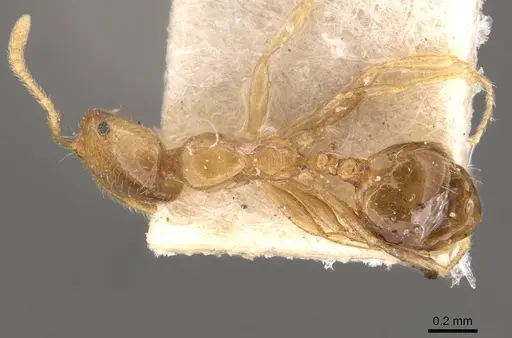
Literature
Loading distribution map...Loading products...