
Monomorium niloticum
- Sci. Name
- Monomorium niloticum
- Tribe
- Solenopsidini
- Subfamily
- Myrmicinae
- Author
- Emery, 1881
- Distribution
- Found in 4 countries
Introduction
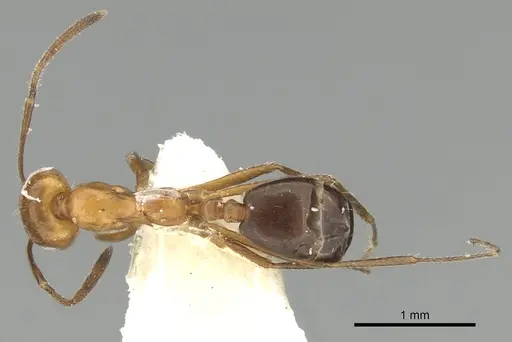
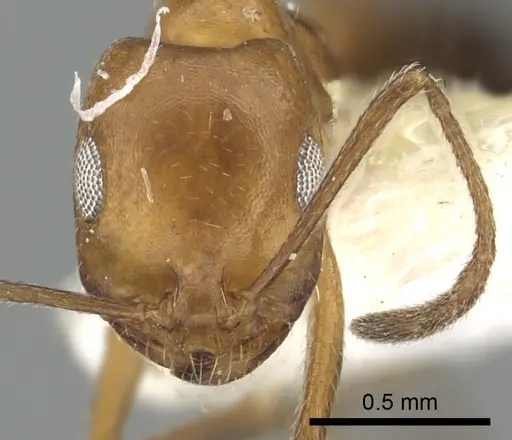
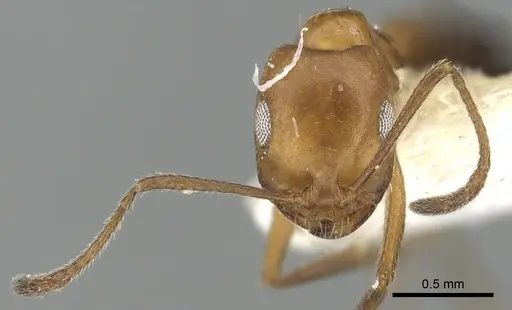
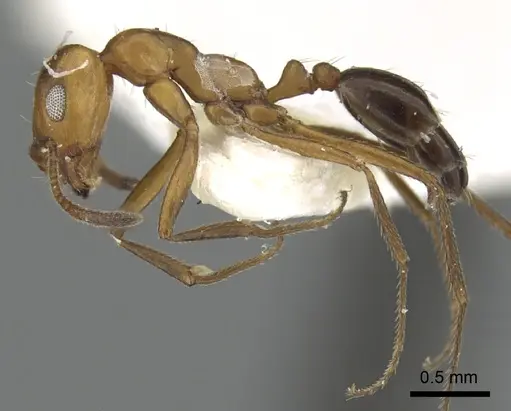
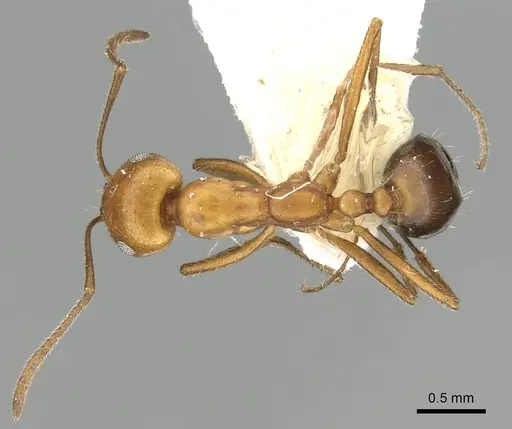
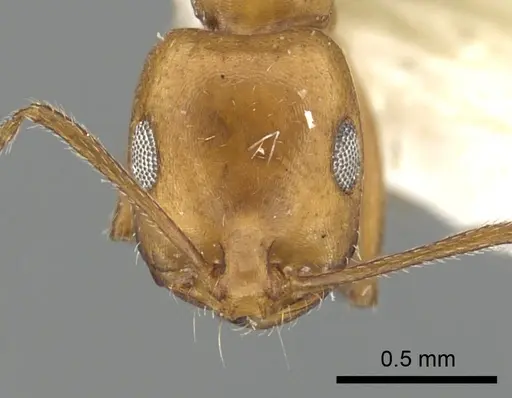
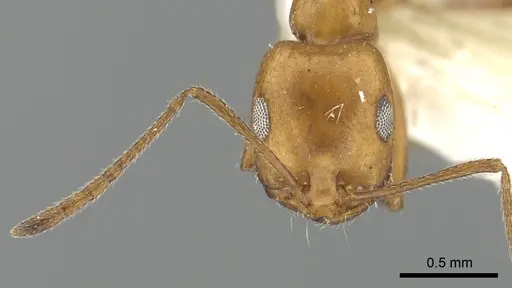
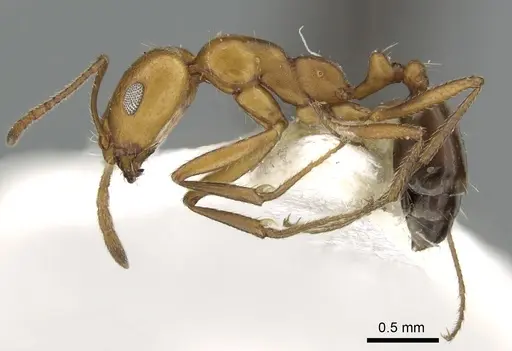
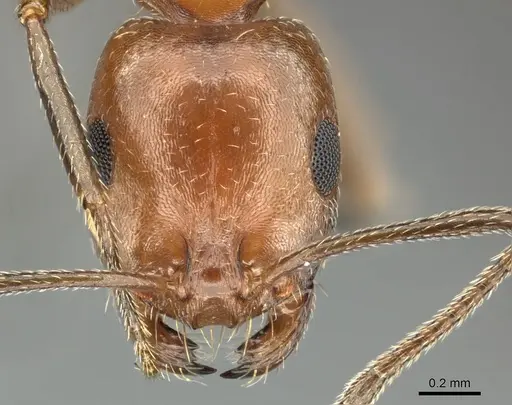
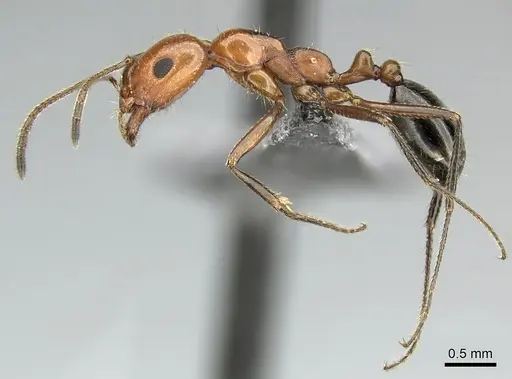
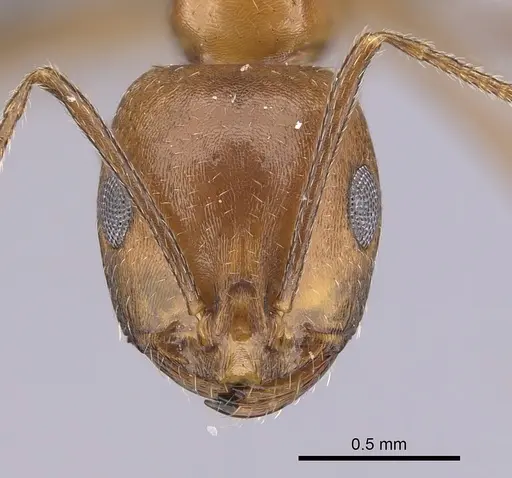
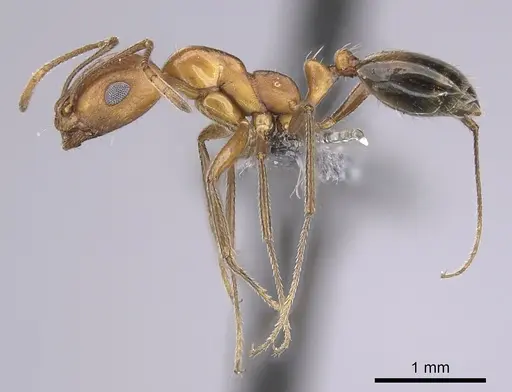
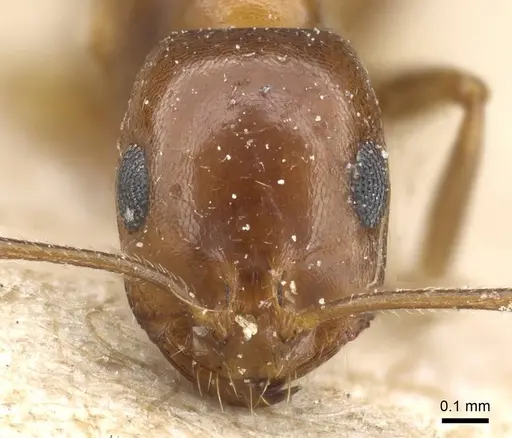
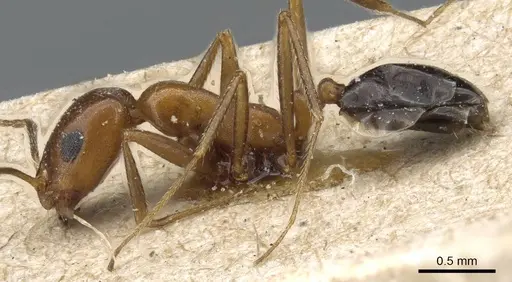
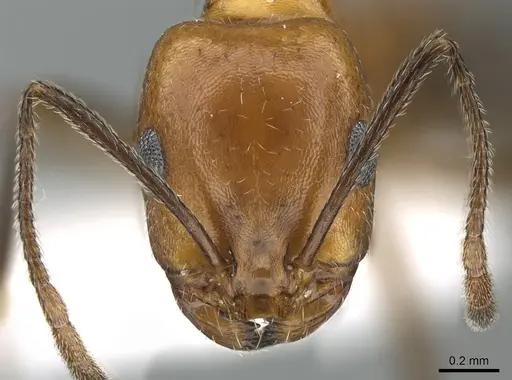
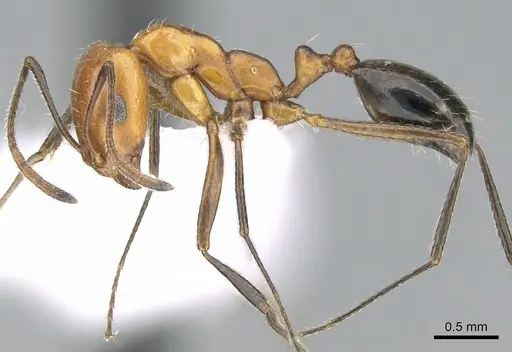
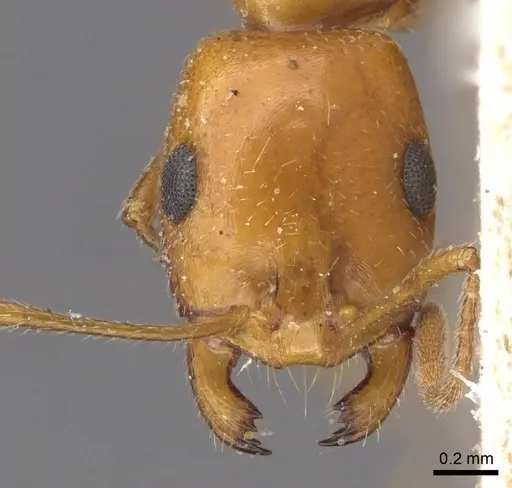
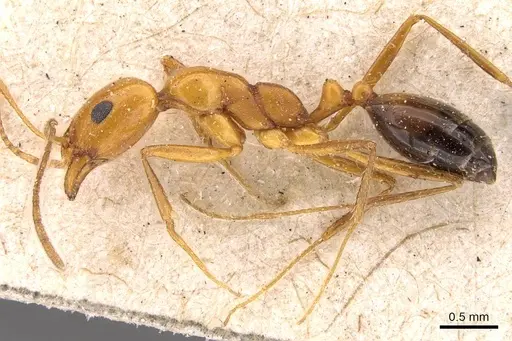
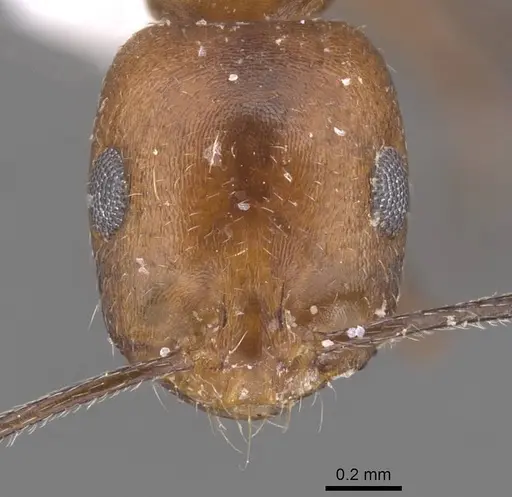
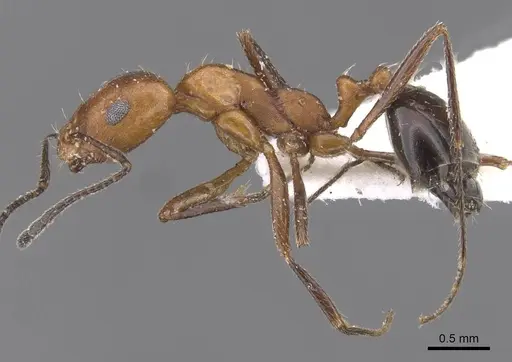
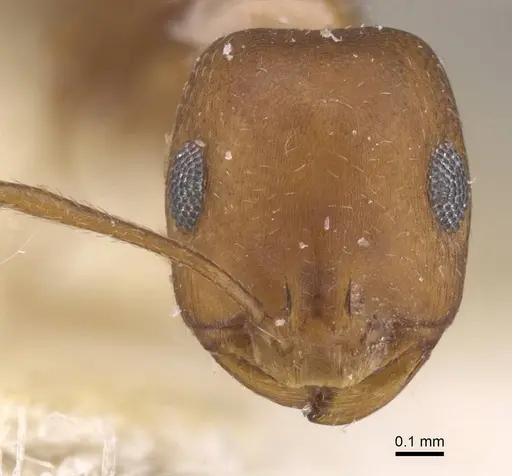
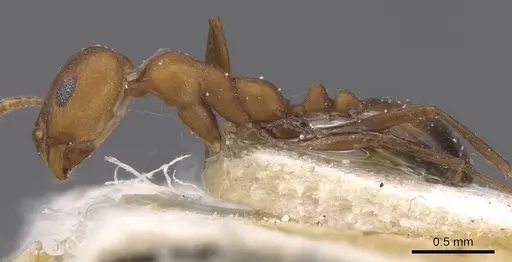
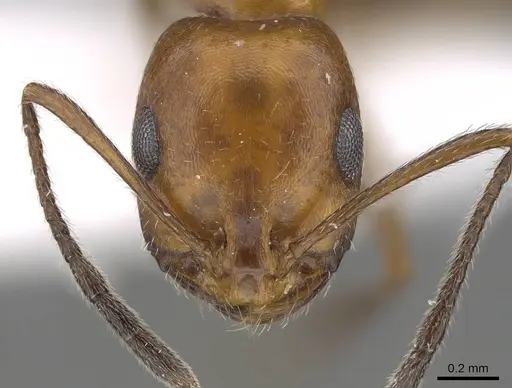
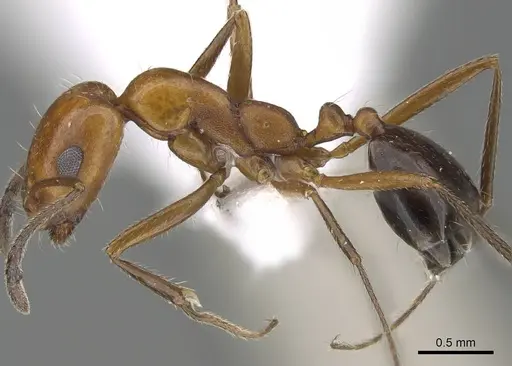
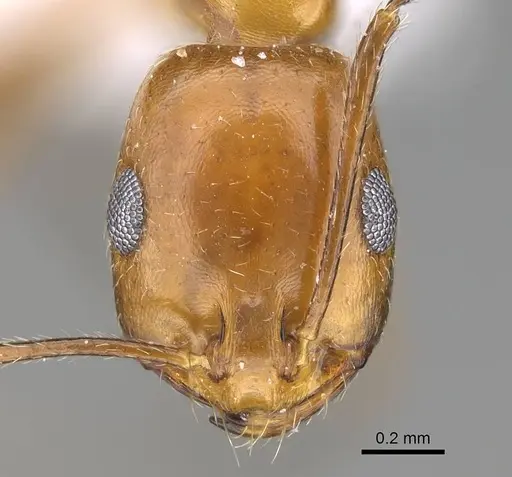
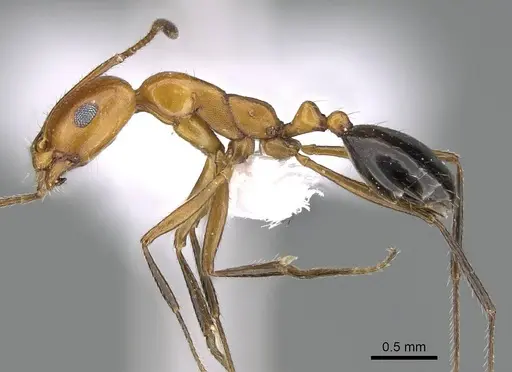
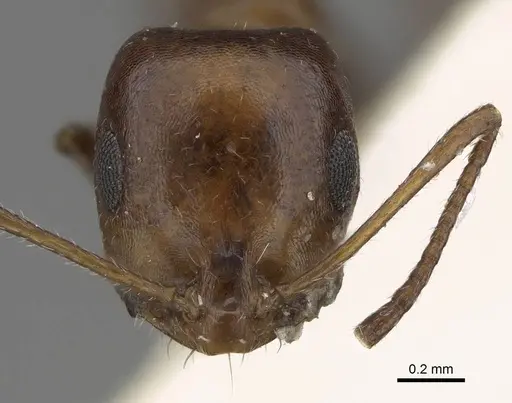
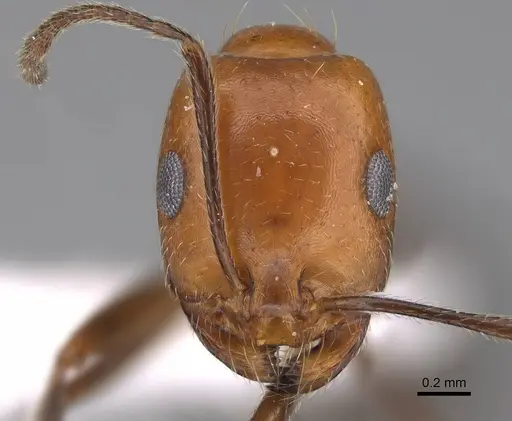
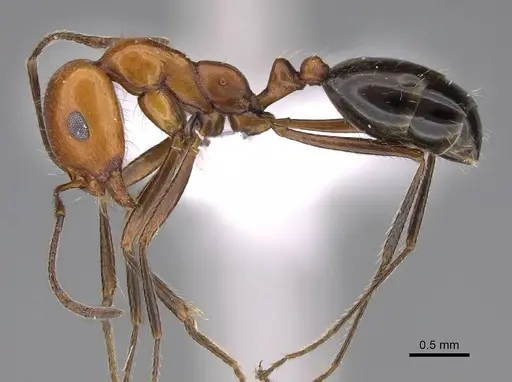
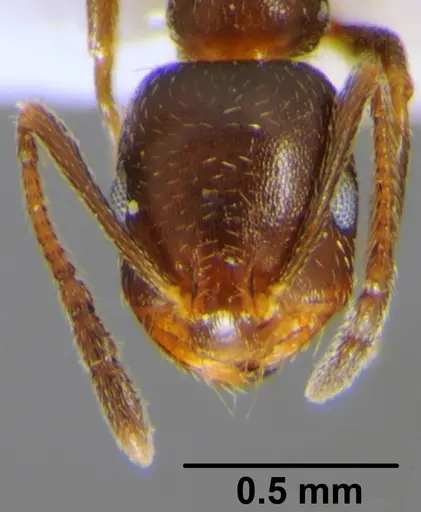
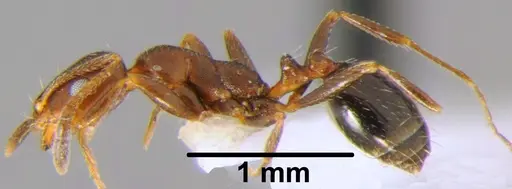
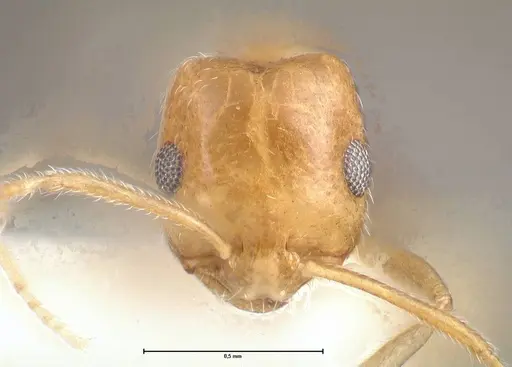
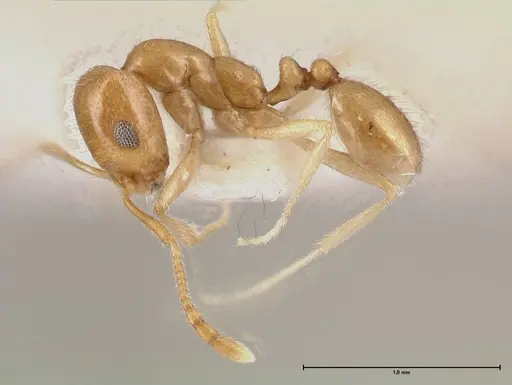
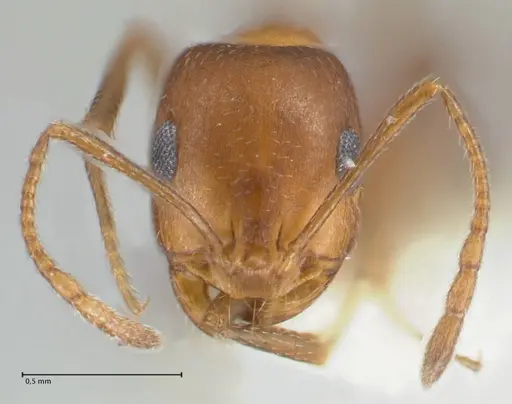
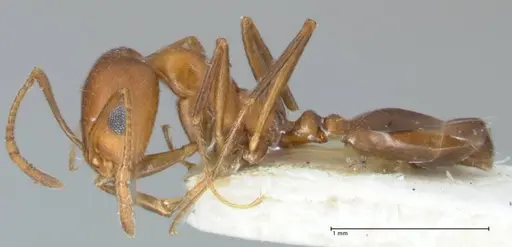
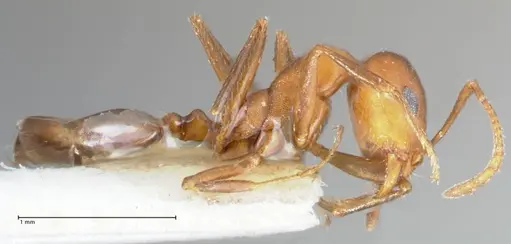
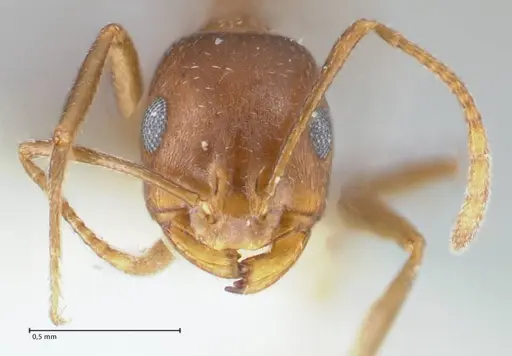
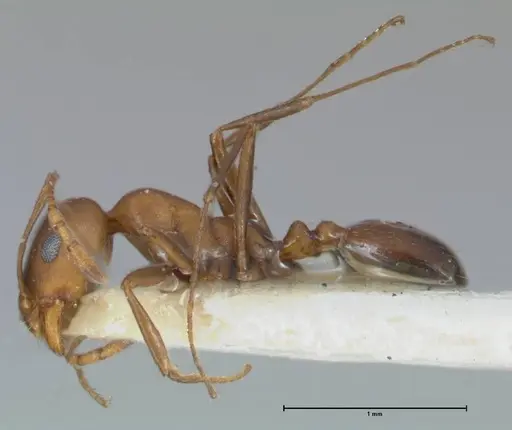
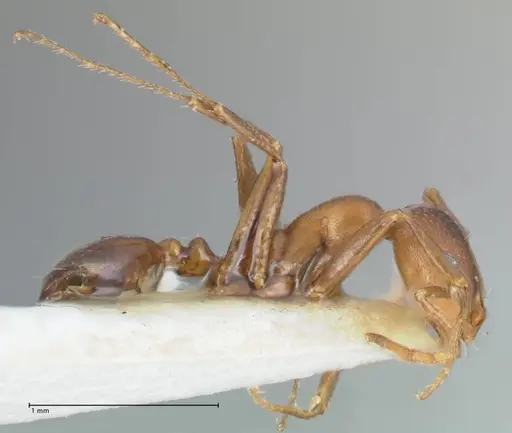
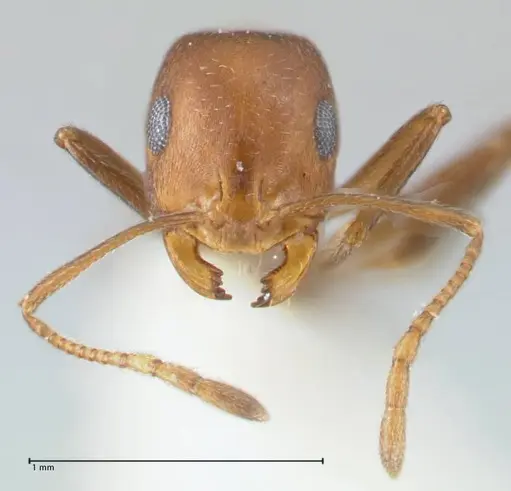
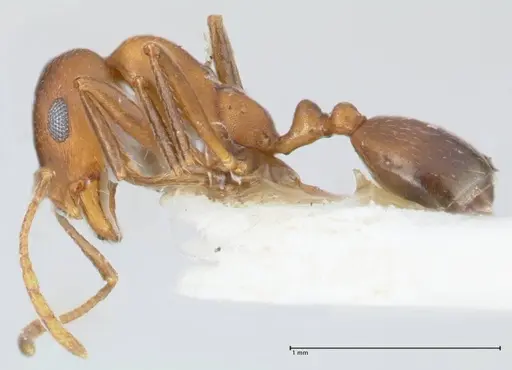
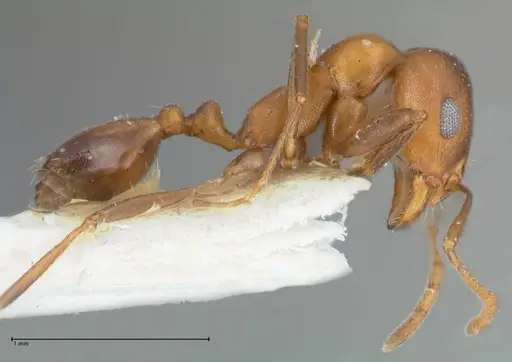
Monomorium niloticum is a small myrmicine ant native to Egypt and the Arabian Peninsula. Workers measure 3.0-3.4mm with a bicolored appearance: the head, mesosoma, and nodes are reddish-brown while the gaster is dark brown to black . This species is the most abundant larger Monomorium throughout western and central Saudi Arabia, Oman, and Yemen . They nest in soil beneath rocks in both dry and humid conditions, often in undisturbed areas near cultivated land and human dwellings .
Quick Summary
- Difficulty: Easy
- Origin & Habitat: Native to Egypt, Israel, Oman, Saudi Arabia, United Arab Emirates, and Yemen. Found in deserts, mountainous regions, and cultivated areas. Nests in soil beneath rocks in both dry and humid conditions [2][4][5].
- Colony Type: Colony structure is not extensively documented in scientific literature.
- Size & Growth:
- Antkeeping:
- Temperature: Keep at 24-30°C. This is a warm-climate species from desert and Mediterranean regions. A heating cable on one side of the nest creates a useful gradient.
- Humidity: Moderate. They nest in both dry and humid soil beneath rocks. Keep the nest substrate lightly moist but allow some drying between waterings.
- Diapause: Unknown for this species. Based on their Middle Eastern origin, they may not require true hibernation.
- Nesting: Y-tong (AAC) nests work well. They naturally nest in soil under rocks, so a naturalistic setup with a soil chamber or plaster nest with some moisture retention is appropriate.
- Behavior: Workers are active foragers that search for food both on the ground and on low vegetation [4]. They are known to be household pests in Saudi Arabia, entering homes in search of food [3]. They use trail pheromones from their poison gland to recruit nestmates to food sources [6]. Workers defend the nest if threatened. Their small size means they can escape through tiny gaps, use fine mesh barriers. They are often found in association with other insects and have been recorded with mites [3]. This species belongs to the subfamily Myrmicinae and uses a stinger for defense, injecting venom composed of piperidine alkaloids.
- Common Issues: escape prevention is critical, their tiny 3mm size means they can squeeze through standard barrier gaps, household pest status means they will readily enter living spaces if given access, wild-caught colonies may carry mites, the species is known to host Forcellinia egyptiaca [3], moderate growth rate may test beginner patience, avoid overfeeding which can lead to mold, test tube setups work but monitor water levels, they prefer some dryness between waterings
Housing and Nest Setup
Monomorium niloticum does well in Y-tong (AAC) nests or plaster formicariums that retain some moisture. They naturally nest in soil under rocks, so a naturalistic setup with a soil chamber works well. Since workers are only 3mm, ensure your setup has no gaps larger than 1mm, these tiny ants are excellent escape artists. A test tube setup can work for founding colonies, but be prepared to move them to a more permanent setup once the colony reaches 20-30 workers. They prefer moderate humidity but can tolerate drier conditions than many species, aim for substrate that feels lightly moist but not waterlogged. [2][4]
Feeding and Diet
This species is an omnivore that forages for both protein and carbohydrates. In the wild, workers have been observed foraging on the ground and on small shrubs [4]. They will readily accept sugar water, honey, or diluted syrup as an energy source. For protein, offer small insects like fruit flies, small mealworms, or cricket pieces. They are known household pests, meaning they will aggressively seek out food in your ant room, keep their enclosure secure. Feed protein 2-3 times per week and provide a constant sugar water source. Remove uneaten food after 24 hours to prevent mold.
Temperature and Seasonal Care
As a species from Egypt, Israel, Saudi Arabia, and the Arabian Peninsula, Monomorium niloticum prefers warm conditions. Keep the nest at 24-30°C for optimal activity and development [5]. A heating cable on one side of the nest creates a temperature gradient that allows ants to regulate their own exposure. They are adapted to desert and semi-arid environments, so they handle warmer, drier conditions better than many tropical species. In winter, if your colony shows reduced activity, you can reduce temperatures to 15-18°C for 2-3 months, this may help maintain natural cycles but is not strictly required based on current knowledge.
Behavior and Colony Dynamics
Workers are active foragers that use chemical trails to recruit nestmates to food sources [6]. The trail pheromone comes from their poison gland, and research shows the optimal concentration is about one gaster equivalent per 30cm of trail, with the trail remaining active for about an hour [6]. Colonies will defend against threats if provoked. This species is known to be a household pest in Saudi Arabia, entering homes in search of food [3]. They can be found nesting in moderately moist clay soil or under stones in dry soil, sometimes in areas with domestic animal feces [4]. Workers are small but numerous, and the colony will expand steadily once established.
Health and Common Problems
The most significant issue with this species is escape prevention, at only 3mm, they can slip through incredibly small gaps. Use fine mesh barriers and check all connections regularly. Wild-caught colonies may carry mites, research shows about 9% of workers in Saudi Arabia carried the mite Forcellinia egyptiaca [3]. If you notice small arachnid-like creatures on your ants, you may need to treat the colony or consider starting with a lab-reared colony. They are not difficult to keep but moderate growth rates mean beginners may lose patience, resist the urge to overfeed, as excess food leads to mold which can be fatal to small colonies.
Frequently Asked Questions
How long does it take for Monomorium niloticum to produce first workers?
Development timeline is not documented in scientific literature for this species. Expect several weeks to a couple months at optimal temperature (around 26-28°C).
Can I keep Monomorium niloticum in a test tube?
Yes, test tubes work well for founding colonies. Use a standard test tube setup with a water reservoir secured with a cotton plug. Once the colony reaches 20-30 workers, consider moving them to a more spacious Y-tong or plaster nest.
What do Monomorium niloticum eat?
They are omnivores. Offer sugar water, honey, or diluted syrup as a constant carbohydrate source. For protein, provide small insects like fruit flies, small mealworms, or cricket pieces 2-3 times per week.
Are Monomorium niloticum good for beginners?
Yes, they are considered an easy species to keep. They are tolerant of drier conditions and warmer temperatures. The main challenge is escape prevention due to their tiny 3mm size.
Do Monomorium niloticum need hibernation?
True hibernation is not confirmed for this species. Based on their Middle Eastern origin, they may not require a cold diapause. However, providing a cooler period (15-18°C) for 2-3 months in winter may help maintain natural cycles if your colony shows seasonal slowing.
How big do Monomorium niloticum colonies get?
Exact colony sizes are not well documented in scientific literature. They are not among the largest ant species.
Why are my Monomorium niloticum escaping?
At only 3mm, this species is an excellent escape artist. They can squeeze through gaps as small as 1mm. Use fine mesh barriers (like 1mm mesh or tighter), apply fluon to barrier edges, and check all connections regularly. Ensure your formicarium has no gaps in the lid or between modules.
What temperature is best for Monomorium niloticum?
Keep them at 24-30°C. They are a warm-climate species from desert and Mediterranean regions and will be most active in this temperature range. A slight gradient allowing cooler areas (around 24°C) and warmer areas (up to 30°C) lets the ants regulate their own temperature.
Report an Issue
The current care sheet is based fully on literature. See inconsistencies, or something that's incorrect? Please , it will be resolved after review from an admin. Contributing to the blogs tab also helps providing information, to make us be able to further improve the caresheets. Thank you for your support!
References

This caresheet is licensed under CC BY-SA 4.0 .
Community Blogs
CASENT0249836
View on AntWeb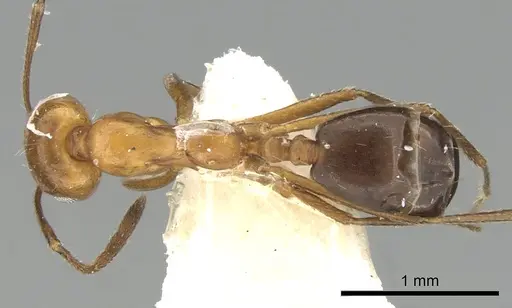
CASENT0249837
View on AntWeb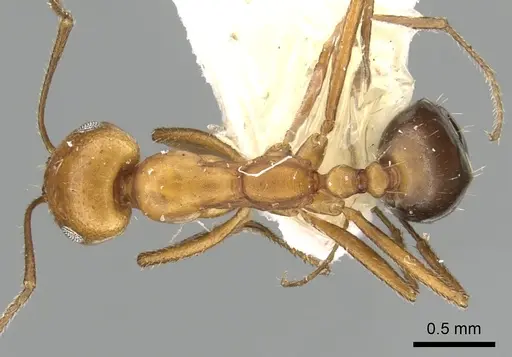
CASENT0260164
View on AntWeb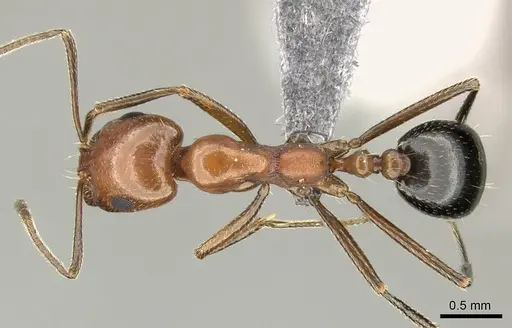
CASENT0264006
View on AntWeb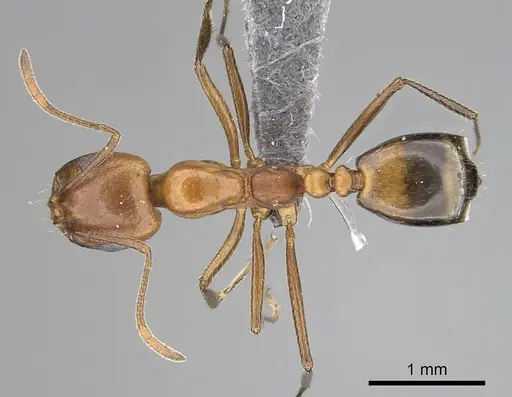
CASENT0905755
View on AntWeb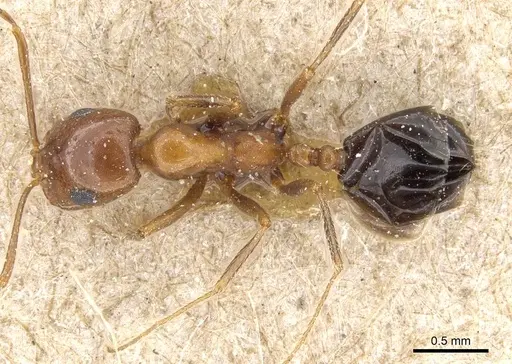
CASENT0906397
View on AntWeb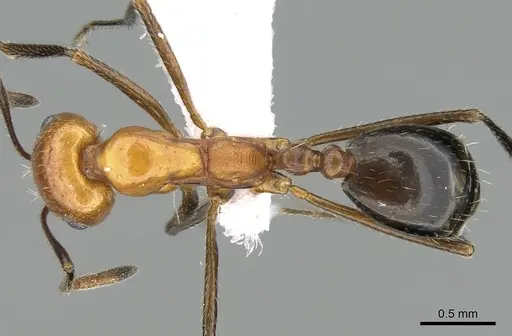
CASENT0908752
View on AntWeb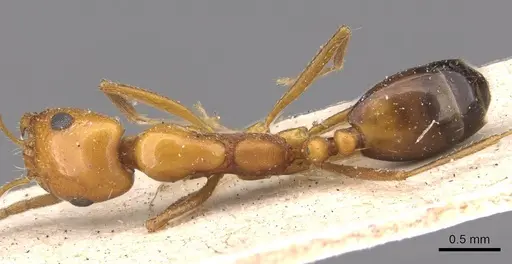
CASENT0913814
View on AntWeb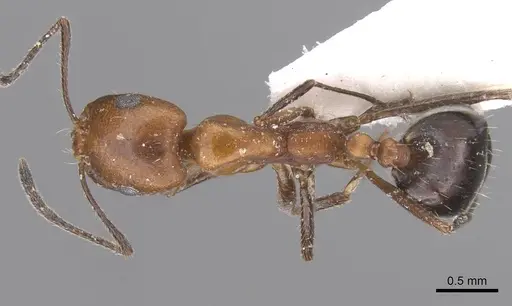
CASENT0913820
View on AntWeb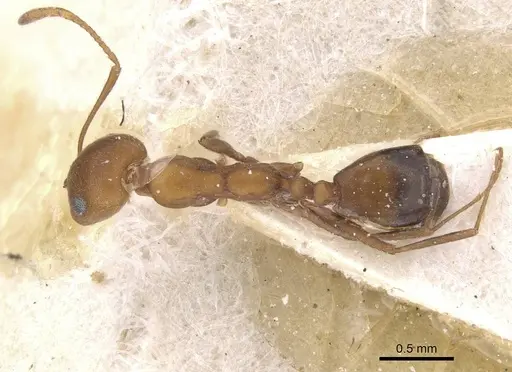
CASENT0919811
View on AntWeb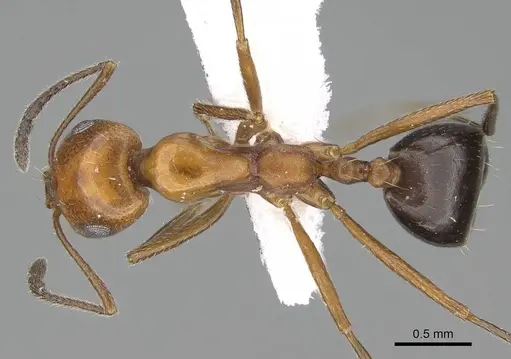
CASENT0922306
View on AntWeb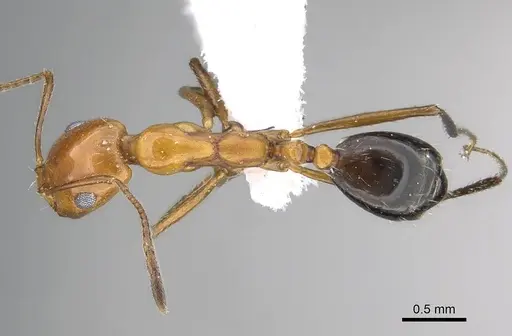
CASENT0922325
View on AntWeb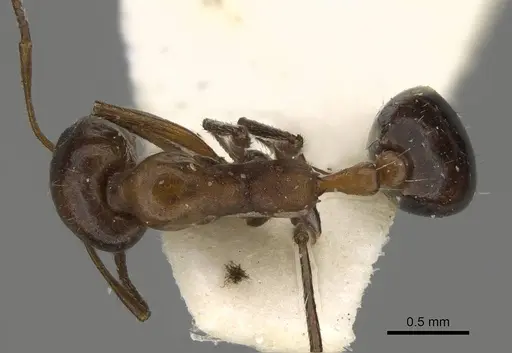
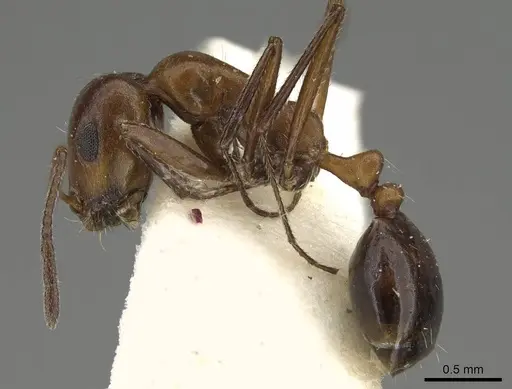
CASENT0922326
View on AntWeb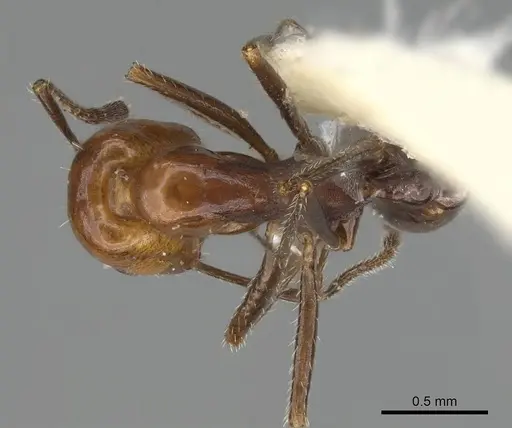
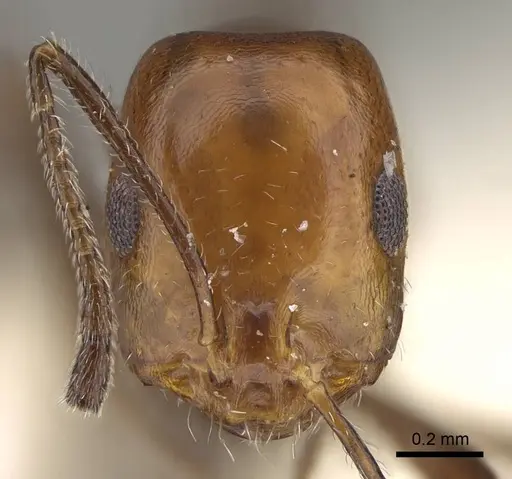
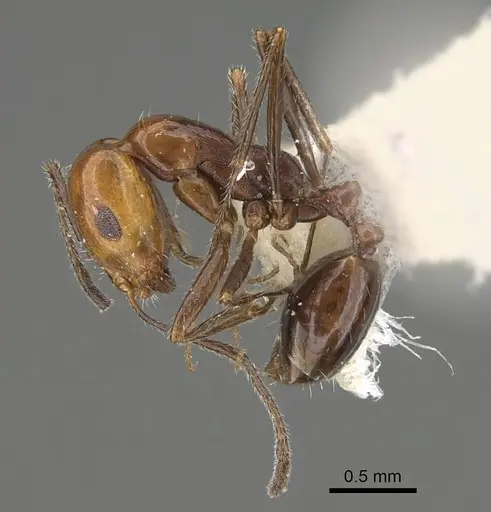
CASENT0922859
View on AntWeb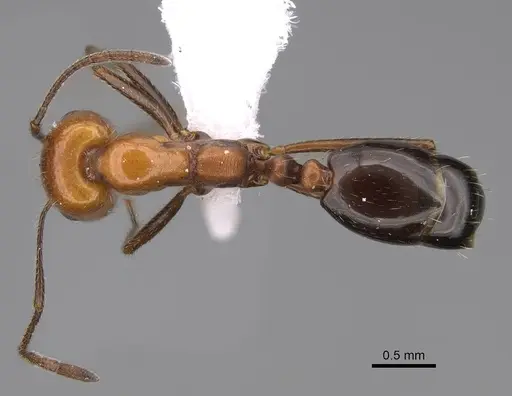
CSH000041
View on AntWeb
FOCOL0515
View on AntWeb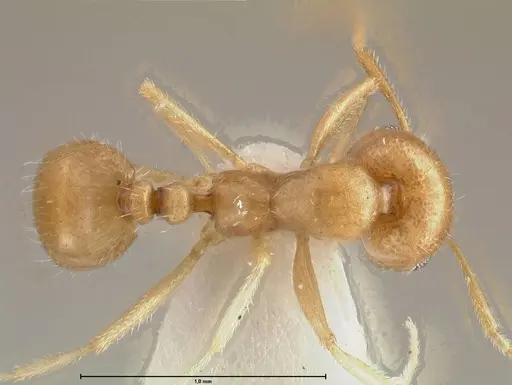
FOCOL1746
View on AntWeb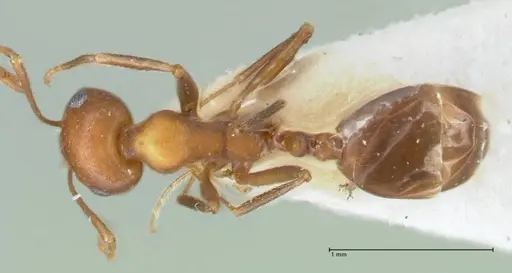
FOCOL1747
View on AntWeb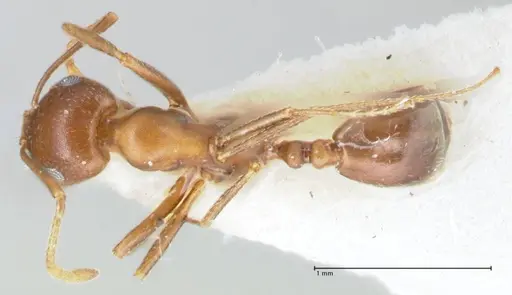
FOCOL1748
View on AntWeb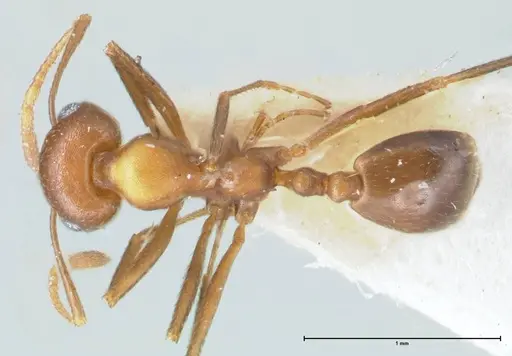
Literature
Loading distribution map...Loading products...