
Monomorium moathi
- Sci. Name
- Monomorium moathi
- Tribe
- Solenopsidini
- Subfamily
- Myrmicinae
- Author
- Sharaf & Collingwood, 2010
- Distribution
- Found in 0 countries
Introduction
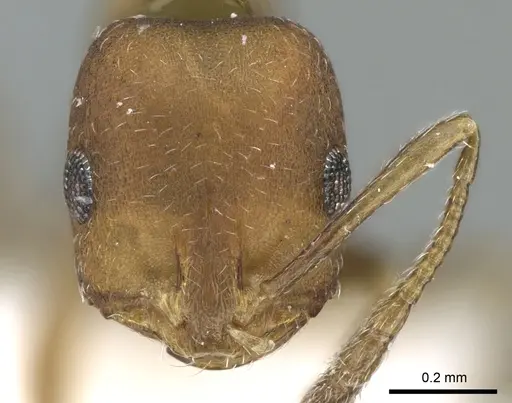
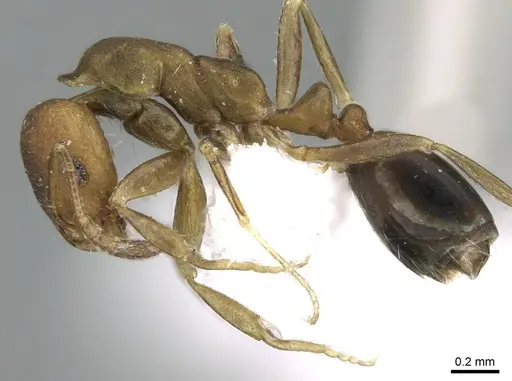
Monomorium moathi is a tiny ant species endemic to Yemen, measuring approximately 2.4-2.5mm in total length . Workers have a brown body with a distinctively dark gaster showing a bluish to violet reflection . The species belongs to the Monomorium salomonis-group and was only described in 2010 . Only the worker caste has ever been documented - no queens, males, or colony structure has been observed or described .
Quick Summary
- Difficulty: Expert
- Origin & Habitat: Monomorium moathi is endemic to Yemen on the Arabian Peninsula [4][5]. The exact natural habitat is unknown, but members of the salomonis-group typically inhabit dry to semi-arid environments.
- Colony Type: Unknown, only worker caste has been described. Colony structure (monogyne, polygyne) is unconfirmed.
- Size & Growth:
- Queen: Unknown, queen caste has never been described [1][3]
- Worker: Approximately 2.4-2.5mm [1][2]
- Colony: Unknown
- Growth: Unknown
- Development: Unknown, no development data exists for this species (Development timeline is unconfirmed. Similar small Myrmicinae typically require several weeks at warm temperatures, but this is speculative.)
- Antkeeping:
- Temperature: Based on Yemen's hot climate: aim for 24-30°C with a warm zone around 28°C. Provide a temperature gradient so ants can self-regulate.
- Humidity: Based on arid origin: keep relatively dry, around 40-60% humidity. Allow substrate to dry between waterings.
- Diapause: Unknown, likely reduced activity during cooler months but not true hibernation
- Nesting: Natural nesting preferences unknown. Based on related species, likely prefers dry nests. Test tubes or small acrylic nests work for founding. Ensure no gaps larger than 1mm due to their tiny size.
- Behavior: Behavior is completely unstudied. Based on related Monomorium species, they are likely generalist foragers that scavenge and may tend aphids for honeydew. Their very small size (under 3mm) means escape prevention must be excellent. Defense mechanism: sting (typical for Myrmicinae, tribe Solenopsidini).
- Common Issues: queen has never been described, establishing a colony from a wild-caught queen is not possible, no biological data exists, all care information is speculative, colony size and structure are completely unknown, development timeline is unconfirmed, very small size makes escape prevention critical, they can squeeze through standard test tube cotton
Why Keep Monomorium moathi?
This species is genuinely one of the least-documented ants available. Described in 2010 from Yemen, no one has ever documented its queen, colony structure, nuptial flights, or development in captivity. If you want to discover and document behavior that has never been observed, this is your opportunity. Care guides and established protocols do not exist because the biology has never been studied.
This makes M. moathi unsuitable for beginners who want species with known requirements. If you choose this species, accept that much of your care will be experimental. The satisfaction comes from discovering what works through observation. [1][2][3]
Housing and Setup
Since natural nesting preferences are unknown, experiment with standard Myrmicinae setups: test tubes for founding colonies, then transition to small nests as the colony grows. Given their tiny size (under 3mm), ensure your setup has no gaps larger than 1mm.
For the outworld, keep it simple, a shallow container with a small water test tube. Temperature can be provided via a heating cable on one side of the nest, creating a gradient from room temperature up to around 28°C.
Humidity should be moderate, not the saturated conditions some tropical ants require. A water tube with cotton provides enough moisture. Watch for mold, which indicates too much humidity.
Feeding and Diet
No direct observations exist of what M. moathi eats. Based on related species in the Monomorium salomonis-group, they are likely generalist omnivores that scavenge for small insects and may tend aphids for honeydew. In captivity, offer:
- Sugar water or honey water (very small amounts in a test tube with a cotton wick)
- Small live prey: fruit flies, pinhead crickets, or springtails
Start with sugar water and observe whether workers drink from it. If they ignore it after a day, try small live prey. Since they are so small, prey items must be tiny, fruit flies are ideal.
Temperature and Seasonal Care
Yemen experiences a hot, arid climate with summer temperatures regularly exceeding 35°C and mild winters around 15-20°C. Based on this, aim for nest temperatures between 24-30°C. A slight gradient allows workers to choose their preferred temperature.
During winter, you may see reduced activity but probably do not need to induce true hibernation. Avoid sudden temperature drops and maintain stability. If workers become less active in winter, reduce feeding and slightly lower temperatures, but do not cold-shock them.
Growth and Development
This is entirely unknown territory. No one has documented Monomorium moathi from egg to worker. The queen has never been described, so we do not know what she looks like or how large she is.
First workers will likely be smaller than mature workers. Your best approach is detailed record-keeping. Note when eggs appear, track development stages, and document how long each takes. This data could be valuable for the antkeeping community since nothing exists yet.
Frequently Asked Questions
Can I keep Monomorium moathi as a beginner?
No. This species is not suitable for beginners. No care information exists, the queen has never been described, and everything about their biology is unknown. You need experience with species where requirements are established so you can recognize when something is wrong.
Where can I get a Monomorium moathi queen?
You likely cannot. The queen caste has never been described scientifically, meaning no one has documented a dealate queen in the wild. Unless a researcher collects and describes the queen, there is no way to reliably identify her. Most 'Monomorium moathi' in the hobby are likely other Monomorium species.
How long does it take for Monomorium moathi to develop from egg to worker?
Unknown, no one has documented this. Development timeline is unconfirmed. Similar small Myrmicinae may require several weeks at optimal temperature, but this is speculative. Your observations could help establish this timeline for future keepers.
What do Monomorium moathi eat?
Unconfirmed, but likely generalist omnivore like related species. Offer sugar water or honey water and small live prey (fruit flies, springtails). Start with sugar water and observe acceptance. Remove uneaten food within 24-48 hours to prevent mold.
What temperature do Monomorium moathi need?
Inferred from Yemen climate: 24-30°C with a warm zone around 28°C. Provide a temperature gradient so ants can self-regulate. Avoid temperatures below 20°C or above 35°C.
How big do Monomorium moathi colonies get?
Unknown. Related species in the salomonis-group may reach dozens to a few hundred workers, but colony size for this species is completely unconfirmed.
Do Monomorium moathi need hibernation?
Unknown. Yemen has mild winters, so they likely do not need true hibernation. They may reduce activity in cooler months. Monitor behavior and adjust care seasonally.
Are Monomorium moathi aggressive?
Unknown, but based on related species, likely not aggressive. They are tiny ants that probably avoid confrontation. No defensive behaviors have been documented.
Why is there no information about this species?
Monomorium moathi was only described in 2010 and is endemic to Yemen, a region with limited ant research. Only the worker caste is known, no queens, males, or biological observations have been published. This is a genuinely frontier species.
Report an Issue
The current care sheet is based fully on literature. See inconsistencies, or something that's incorrect? Please , it will be resolved after review from an admin. Contributing to the blogs tab also helps providing information, to make us be able to further improve the caresheets. Thank you for your support!
References

This caresheet is licensed under CC BY-SA 4.0 .
Community Blogs
CASENT0906399
View on AntWeb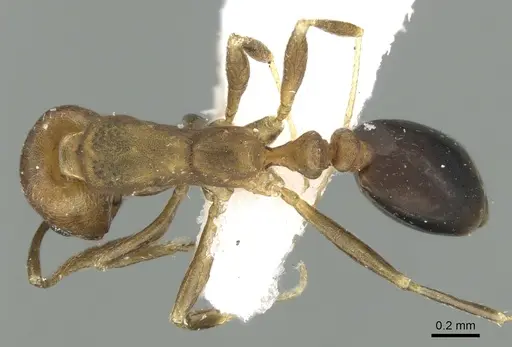
Literature
Loading distribution map...Loading products...