
Monomorium madecassum
- Sci. Name
- Monomorium madecassum
- Tribe
- Solenopsidini
- Subfamily
- Myrmicinae
- Author
- Forel, 1892
- Distribution
- Found in 2 countries
Introduction
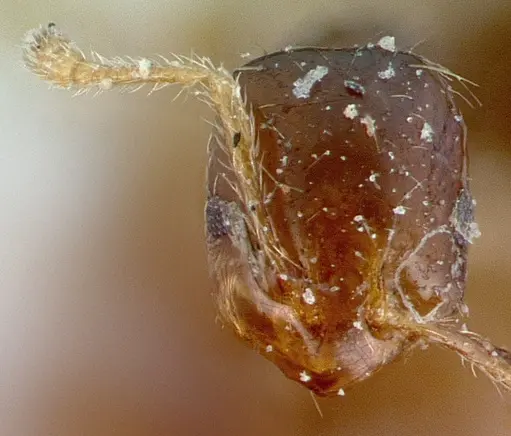
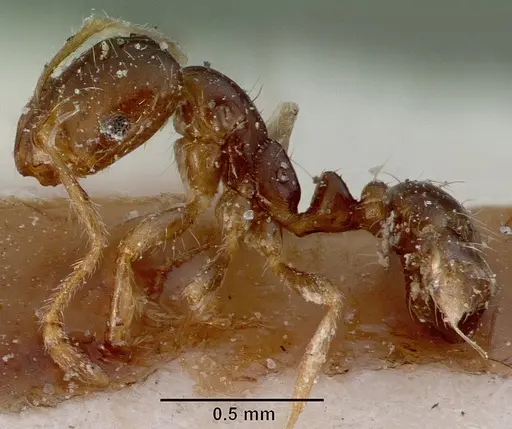
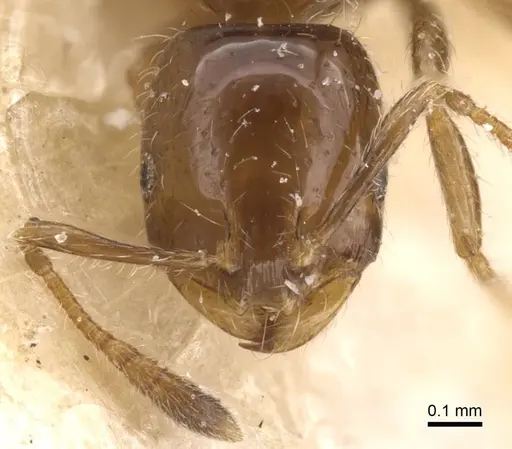
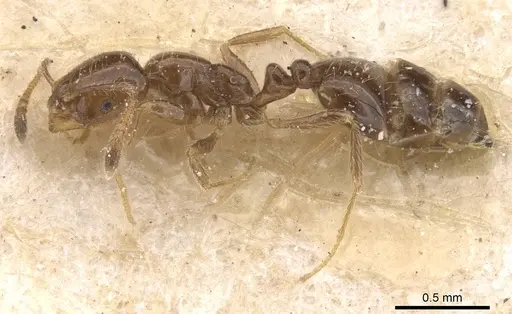
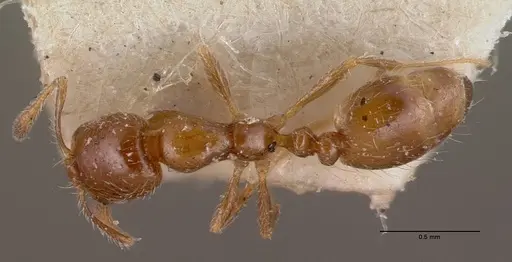
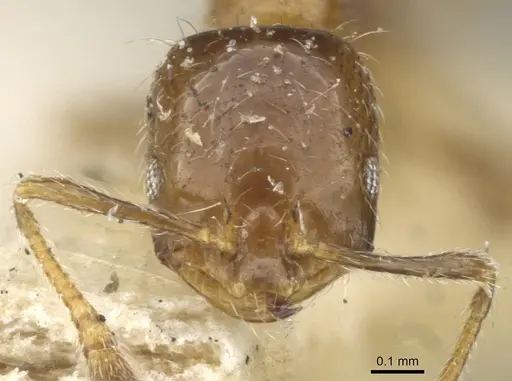
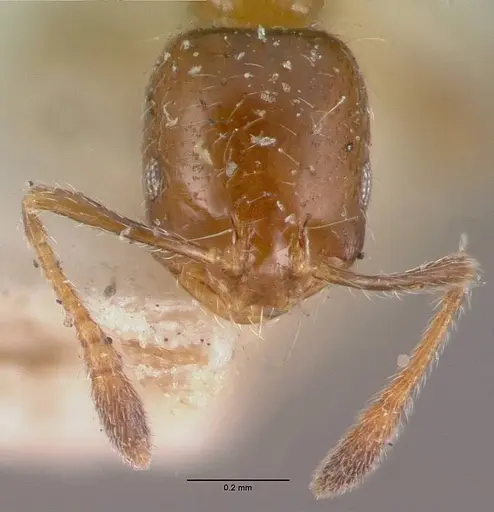
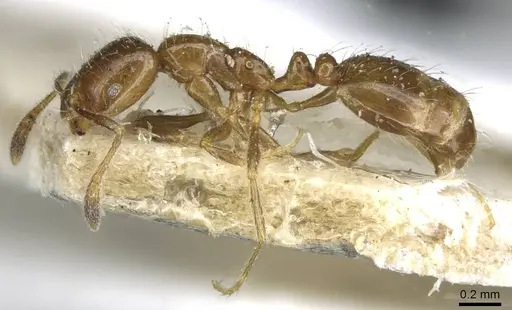
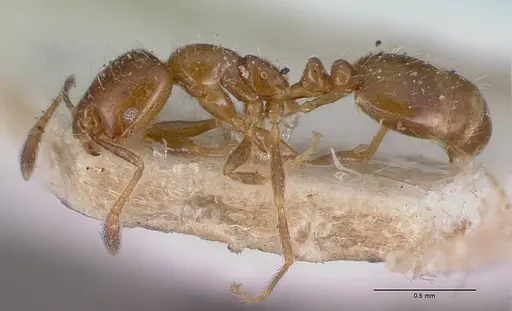
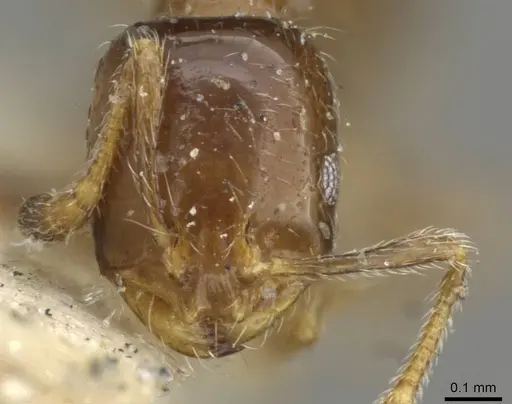
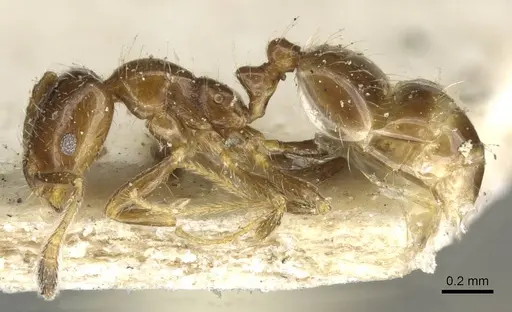
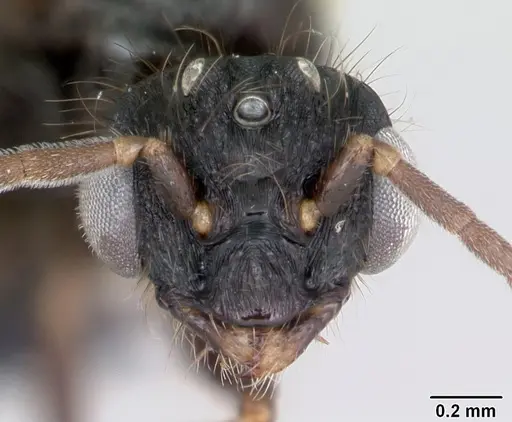
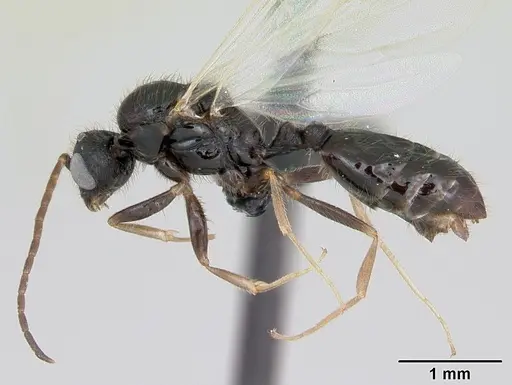
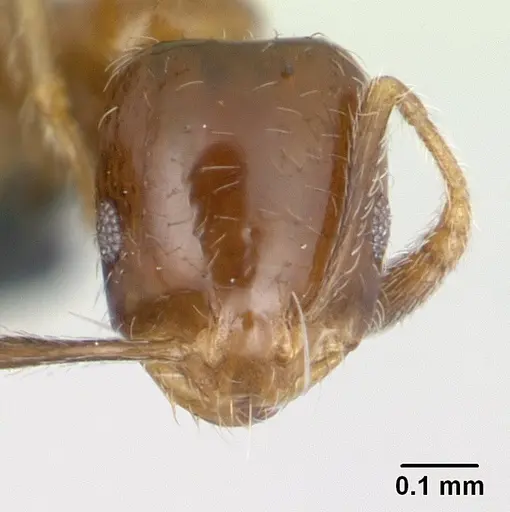
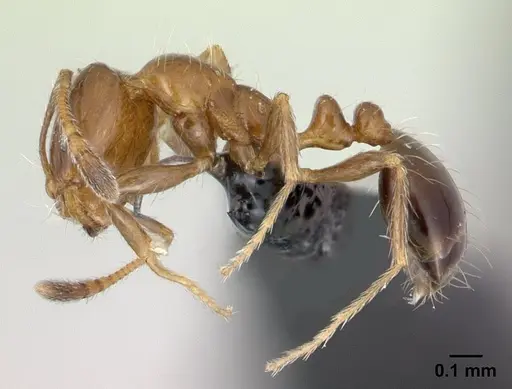
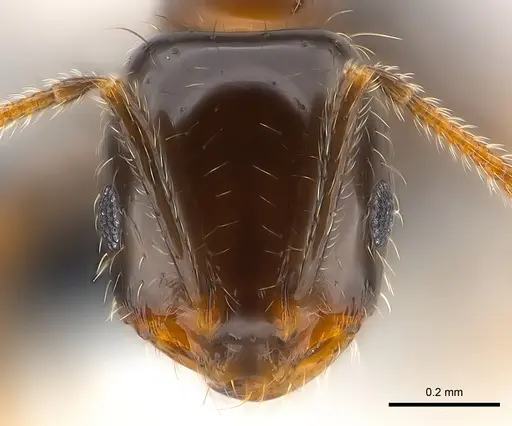
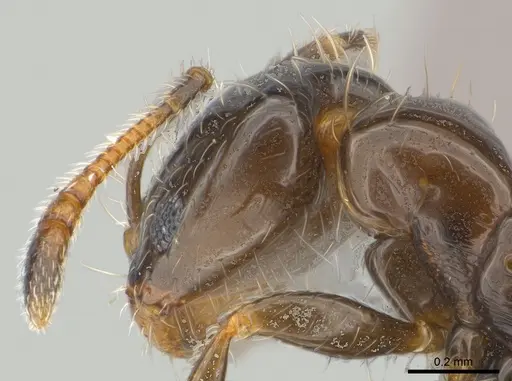
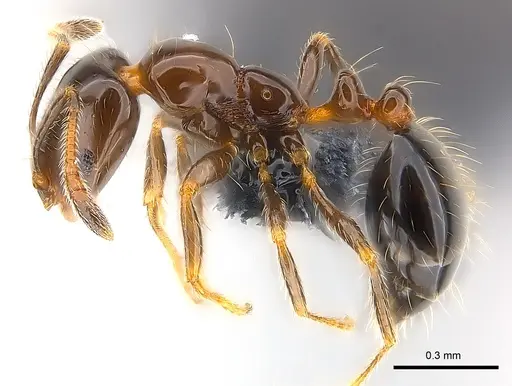
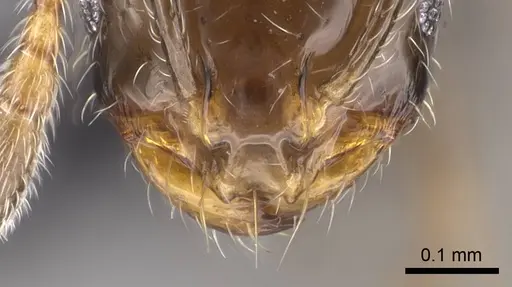
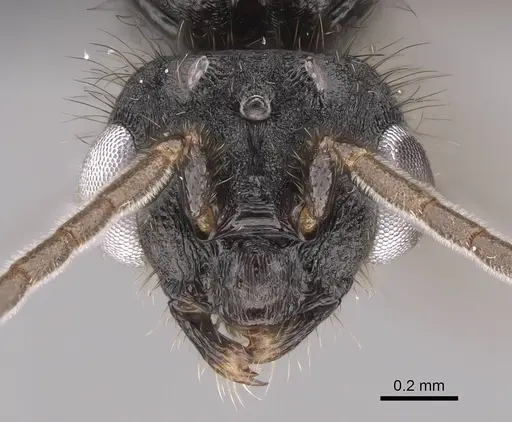
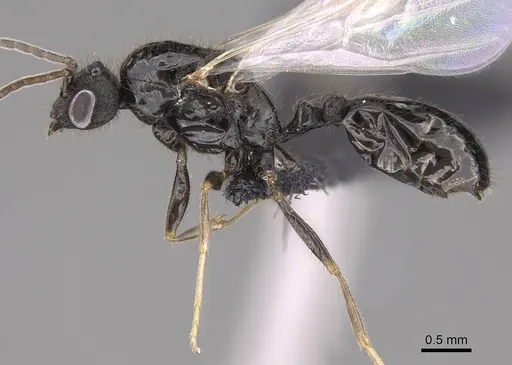
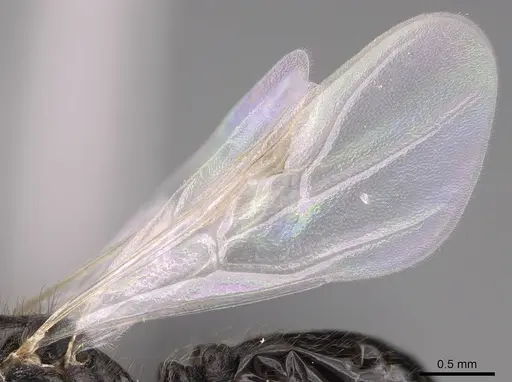
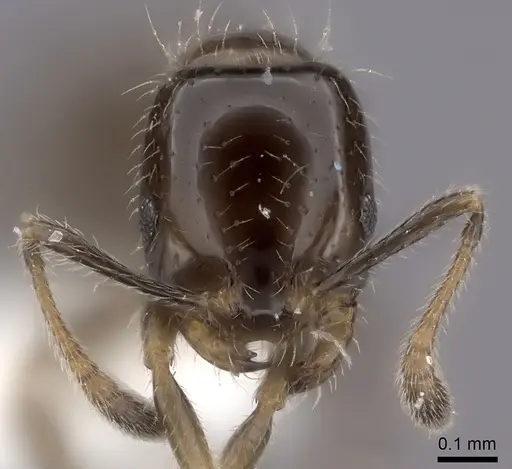
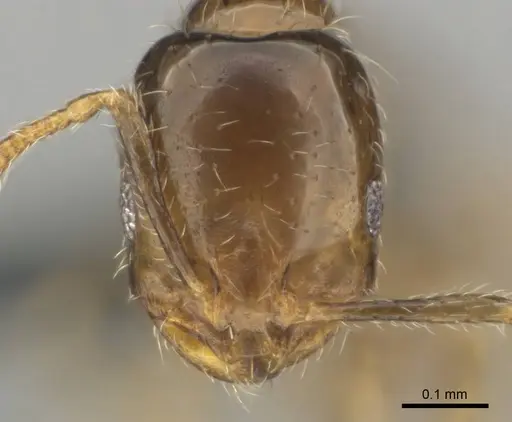
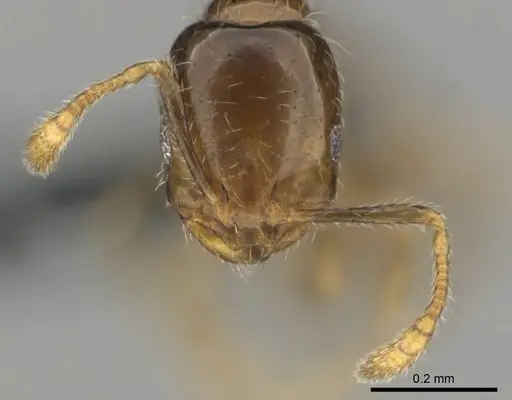
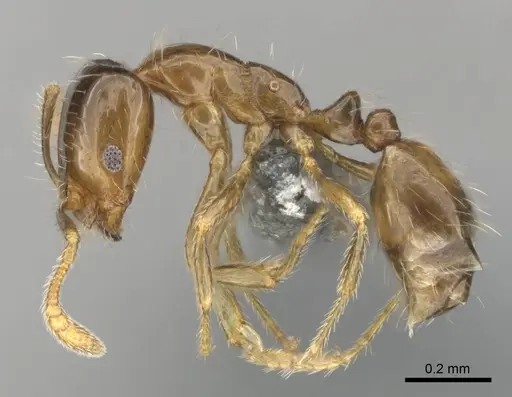
Monomorium madecassum is a small ant species native to Madagascar and parts of mainland Africa. Workers measure approximately 1.2mm, making them one of the smaller ants kept in captivity, while queens are proportionally large at approximately 3mm . The species is instantly recognizable by its very large propodeal spiracle (breathing pore on the back), distinctive clypeal denticles (tiny teeth on the face), and relatively large eyes . Color ranges from light brownish-yellow to brown, with the gaster typically darker . This species belongs to the Monomorium monomorium species group and is the only member of its complex found on Madagascar, where it occurs throughout the island from spiny forest to rainforest . The ants are flexible in their nesting habits, found both in dead branches above ground and under stones, and they forage arboreally as evidenced by their presence in malaise trap samples .
Quick Summary
- Difficulty: Medium
- Origin & Habitat: Madagascar and parts of tropical Africa (Democratic Republic of Congo, Gabon, Kenya, Sudan). Found throughout Madagascar, most commonly in Toliara Province. Inhabits diverse environments from spiny forest to rainforest, and can survive in disturbed forest areas and grassland [1][2].
- Colony Type: Colony structure is unconfirmed. No specific literature documents whether this species is monogyne (single queen) or polygyne (multiple queens).
- Size & Growth:
- Queen: ~3mm, inferred from measurements [1]
- Worker: ~1.2mm, inferred from measurements [1]
- Colony: Colony size data unavailable, estimated several hundred workers based on related Monomorium species
- Growth: Moderate, estimated based on genus patterns
- Development: Development time unconfirmed for this species (Development time is inferred from genus-level data, as species-specific development has not been studied.)
- Antkeeping:
- Temperature: Keep at 22-26°C. As a tropical species from Madagascar, they prefer warm conditions. A gentle temperature gradient allows workers to regulate their exposure.
- Humidity: Moderate to high humidity preferred. Provide a moist nest chamber with some drier areas available. These ants tolerate varied conditions from spiny forest (dry) to rainforest (humid) in the wild [1]
- Diapause: No, being a tropical species, they do not require hibernation. Maintain consistent temperatures year-round
- Nesting: Accepts various nest types. In captivity, they do well in test tubes or Y-tong setups with narrow chambers scaled to their tiny size. Provide some cover and dark spaces. Natural nesting includes dead branches and under stones [1]
- Behavior: Workers are small but active foragers. They are known to forage arboreally in the wild and will search for food throughout the setup. They likely have typical Monomorium temperament, generally not aggressive but will defend their colony. Escape prevention is critical due to their very small size, they can squeeze through tiny gaps. Use fine mesh and tight-fitting barriers. Queens are large relative to workers, which is unusual for the genus and notable for keepers.
- Common Issues: escape prevention is critical, their tiny ~1.2mm size means they can slip through the smallest gaps in equipment, wild-caught colonies may harbor parasites that can decimate the colony in captivity, founding phase may be slow, like many Monomorium, the queen may take time to establish, test tube setups require careful water management to avoid flooding the colony, tropical species are sensitive to temperature drops below 20°C
Nest Preferences and Housing
Monomorium madecassum is flexible in its nesting preferences, which makes captive care relatively straightforward. In the wild, colonies have been found nesting in dead branches above ground and under stones [1]. This arboreal tendency suggests they appreciate some vertical space and climbing opportunities in captivity. For housing, a test tube setup works well for founding colonies, the small workers at only approximately 1.2mm fit comfortably in standard test tube water reservoirs. As the colony grows, you can transition to a small Y-tong formicarium with chambers appropriately sized for their tiny workers. The key requirement is providing chambers that are snug but not cramped, these are small ants but they need room to move brood around. Include some dark areas or cover within the outworld since they may be somewhat shy about foraging in open spaces.
Feeding and Diet
Like other Monomorium species, M. madecassum is likely an omnivore that accepts both sugar sources and protein. In the wild, they forage arboreally and likely collect honeydew from aphids and scale insects, along with small insects. For captive care, offer sugar water or honey water as a constant energy source. For protein, provide small prey items like fruit flies, pinhead crickets, or other tiny insects appropriate to their worker size of just over 1mm. Given their small size, prey items should be appropriately scaled, what would be a normal meal for a larger ant is a feast for these tiny workers. They may also accept small amounts of seeds or plant matter, though protein should form the majority of their diet. Feed small amounts every 2-3 days and remove uneaten prey to prevent mold. [1]
Temperature and Seasonal Care
As a species native to Madagascar and tropical Africa, Monomorium madecassum requires warm conditions year-round. Maintain temperatures between 22-26°C, with a slight gradient allowing workers to self-regulate if needed. They are found in diverse habitats from spiny forest to rainforest, indicating they can tolerate some variation, but consistent warmth is best for colony health and development [1]. Unlike temperate species, they do not require hibernation or diapause, maintaining stable temperatures throughout the year is important. Avoid temperatures below 20°C as this could stress or kill the colony. A small heating cable or mat on one side of the nest can help maintain appropriate temperatures, but ensure there is also a cooler area so workers can escape excess heat.
Behavior and Colony Dynamics
This species shows interesting behavioral traits based on its morphology and ecology. The very large propodeal spiracle is a distinctive feature, this is the breathing pore on the back of the ant, and its large size may indicate specialized respiratory needs or be related to their arboreal lifestyle [1]. Workers are active foragers that will search both the nest area and outworld for food. Their large eyes relative to other Monomorium suggest they may rely more on visual cues than some related species. Colony structure is unconfirmed, no specific literature documents whether they are monogyne or polygyne. The large queen size relative to workers (approximately 3mm queens vs 1.2mm workers) is unusual for the genus and may indicate specialized founding behavior. Workers are not particularly aggressive but will defend the colony if threatened.
Growth and Development
Queen size at approximately 3mm is notably large for the Monomorium monomorium species group, and males are also large at approximately 2.8mm [1]. This size difference between queen and workers is more pronounced than in many related species. Development time from egg to worker is unconfirmed for this species. The large queen size suggests she likely has substantial fat reserves for claustral founding, she seals herself in a chamber and raises the first workers without leaving to forage. First workers (nanitics) will be smaller than normal workers, which is typical in claustral founding. Growth rate is moderate, not as fast as some tropical species but faster than cold-climate ants. Patience is required during the founding phase as the colony establishes itself.
Frequently Asked Questions
How long does it take for Monomorium madecassum to produce first workers?
Development time is unconfirmed for this species. Based on related Monomorium species, it may take 6-10 weeks from egg to first worker. Factors like temperature and feeding can affect development speed.
Can I keep Monomorium madecassum in a test tube?
Yes, test tubes work well for founding colonies. The small worker size of approximately 1.2mm fits comfortably in standard test tube setups. Ensure the water reservoir is not too large to avoid flooding, and provide a dark area for the queen to feel secure.
What do Monomorium madecassum ants eat?
They are omnivores. Offer sugar water or honey water as a constant energy source. For protein, provide small prey like fruit flies, tiny crickets, or other insects scaled to their 1.2mm worker size. Remove uneaten prey after 24-48 hours.
Do Monomorium madecassum ants need hibernation?
No, they do not require hibernation. As a tropical species from Madagascar and tropical Africa, they need warm temperatures year-round (22-26°C). Temperature drops below 20°C can be harmful.
Are Monomorium madecassum good for beginners?
They are rated as Medium difficulty. While not the easiest species, their flexible nesting preferences and tropical requirements are straightforward. The main challenges are their tiny size requiring excellent escape prevention and the need for consistent warmth.
How big do Monomorium madecassum colonies get?
Colony size is not well documented. Based on related Monomorium species, colonies likely reach several hundred workers. They are not among the largest Monomorium but can establish substantial colonies over time.
Why are my Monomorium madecassum escaping?
Their tiny approximately 1.2mm worker size means they can squeeze through remarkably small gaps. Use fine mesh (at least 0.5mm or smaller), ensure all lids fit tightly, and check for any gaps in tubing or connections. Escape prevention is critical for this species.
When should I move my colony to a formicarium?
Move from test tube to a formicarium when the colony reaches 30-50 workers and the test tube is becoming crowded. Ensure the new setup has appropriately sized chambers, too large and the ants may feel insecure. They do well in small Y-tong setups.
Can I keep multiple queens together?
Combining unrelated queens has not been documented for this species and is not recommended. Colony structure is unconfirmed for this species, but based on typical Monomorium patterns, they likely form single-queen colonies. If you obtain a wild colony, it likely has one founding queen.
Report an Issue
The current care sheet is based fully on literature. See inconsistencies, or something that's incorrect? Please , it will be resolved after review from an admin. Contributing to the blogs tab also helps providing information, to make us be able to further improve the caresheets. Thank you for your support!
References

This caresheet is licensed under CC BY-SA 4.0 .
Community Blogs
CASENT0010819
View on AntWeb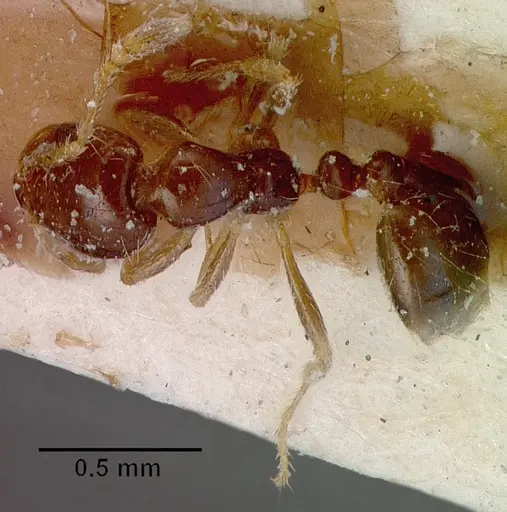
CASENT0010828
View on AntWeb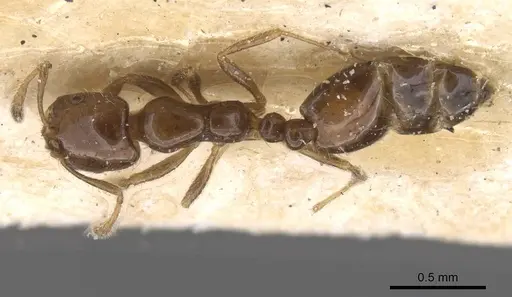
CASENT0101672
View on AntWeb


CASENT0101856
View on AntWeb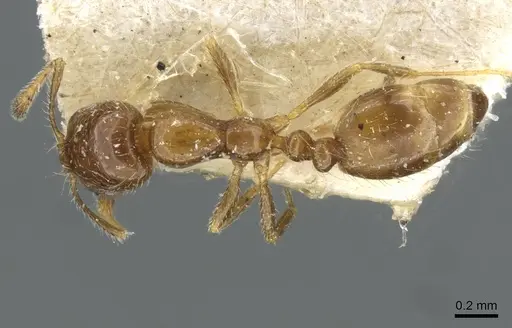
CASENT0101886
View on AntWeb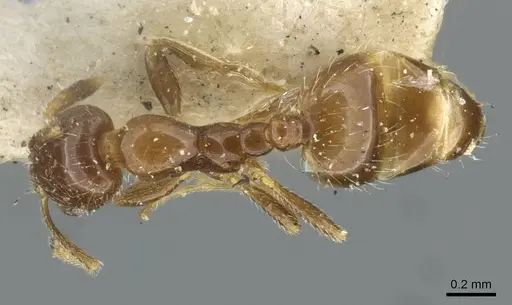
CASENT0101895
View on AntWeb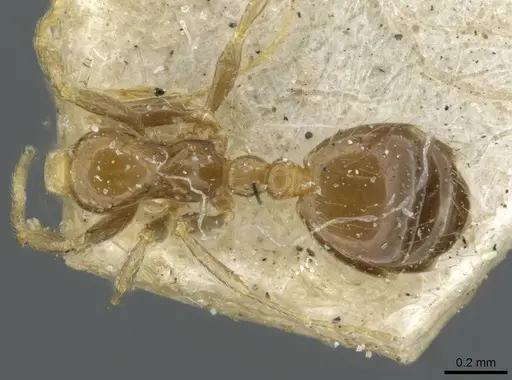
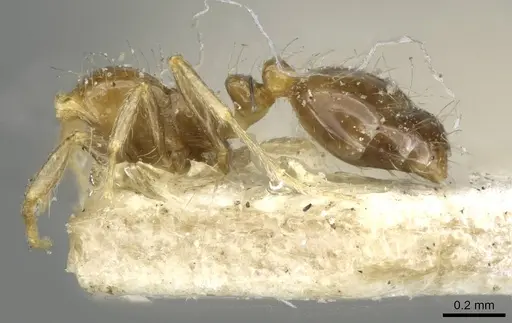
CASENT0101896
View on AntWeb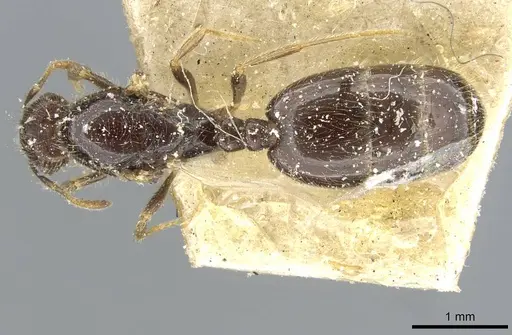
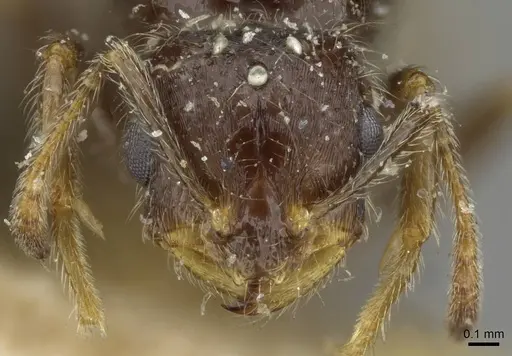
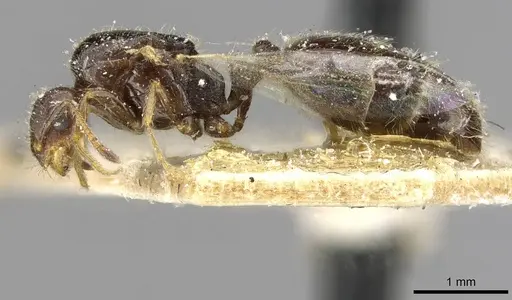
CASENT0115118
View on AntWeb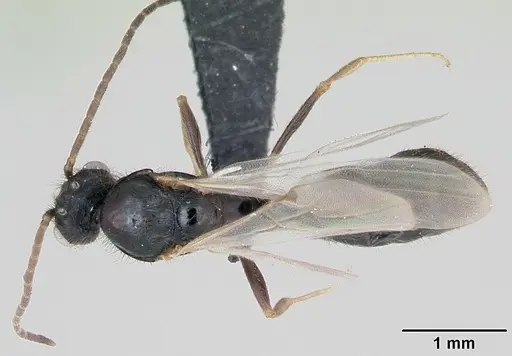
CASENT0122938
View on AntWeb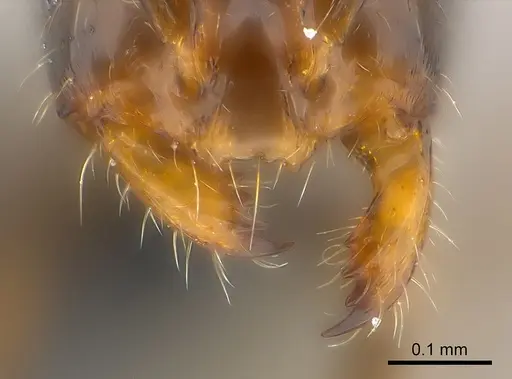
CASENT0133594
View on AntWeb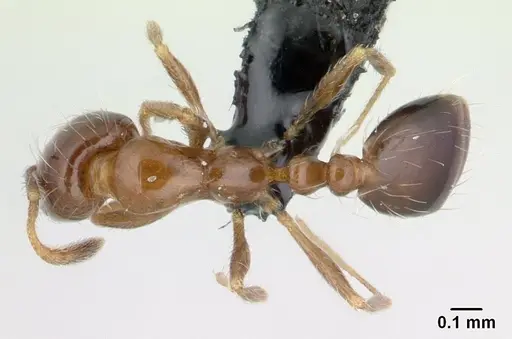
CASENT0147108
View on AntWeb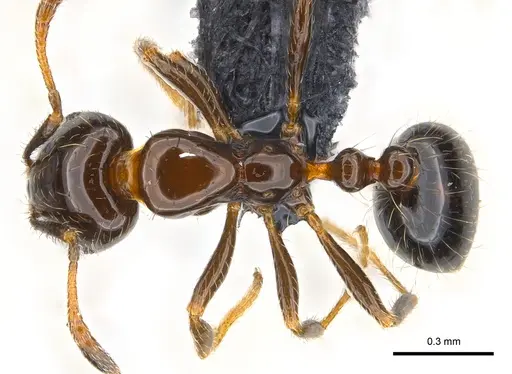
CASENT0148849
View on AntWeb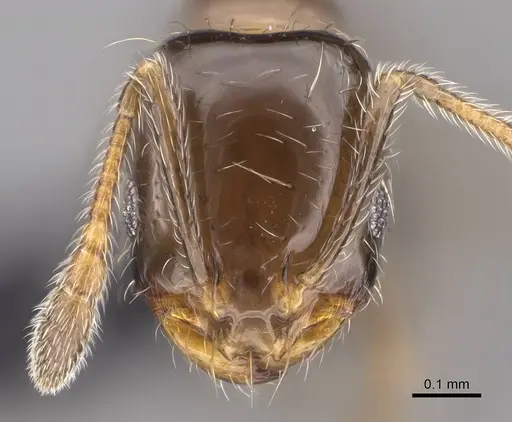
CASENT0209350
View on AntWeb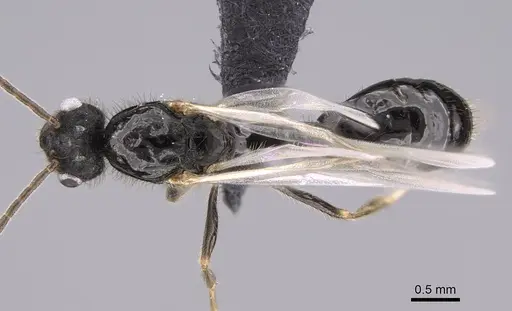
CASENT0217134
View on AntWeb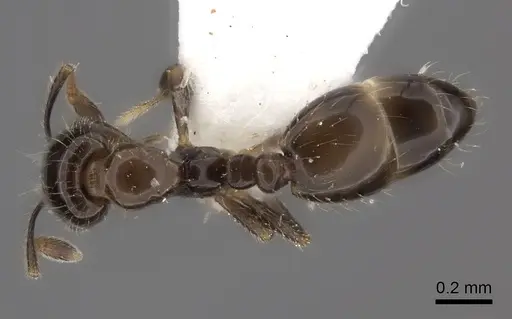
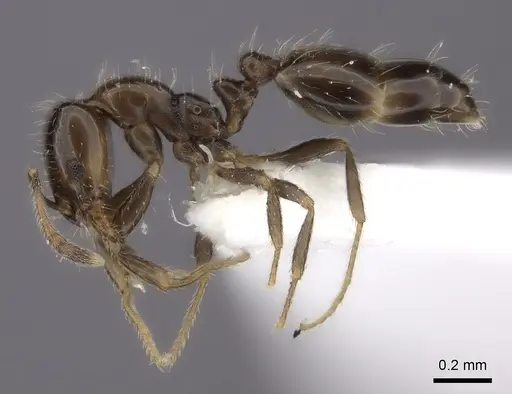
CASENT0490190
View on AntWeb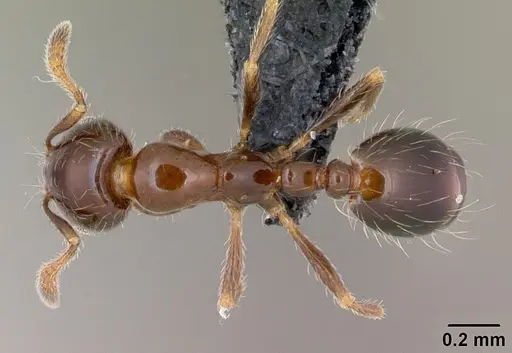
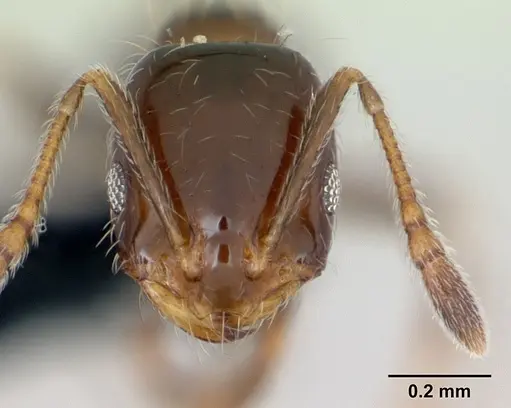
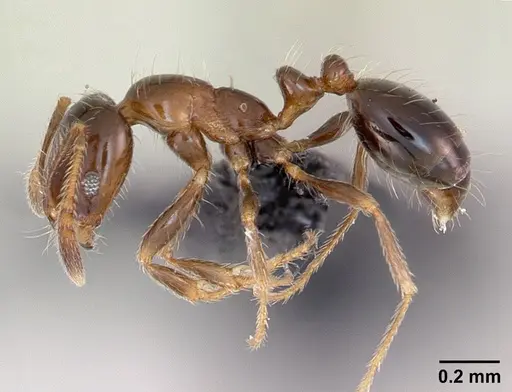
CASENT0812252
View on AntWeb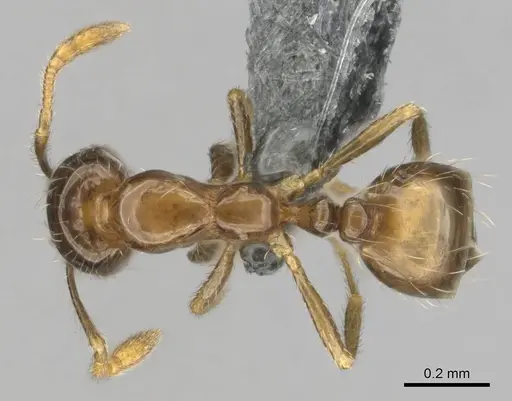
Literature
Loading distribution map...Loading products...