
Monomorium liliuokalanii
- Sci. Name
- Monomorium liliuokalanii
- Tribe
- Solenopsidini
- Subfamily
- Myrmicinae
- Author
- Forel, 1899
- Distribution
- Found in 4 countries
Introduction
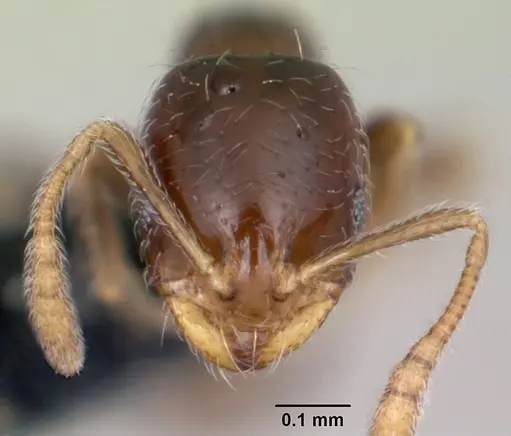
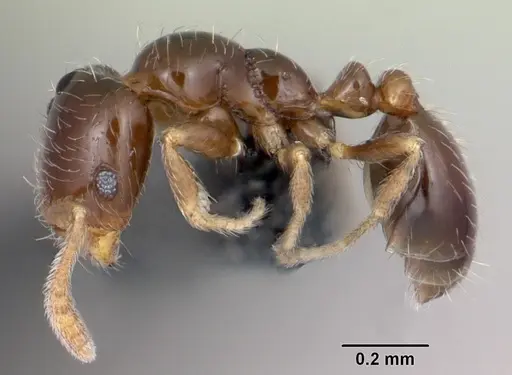
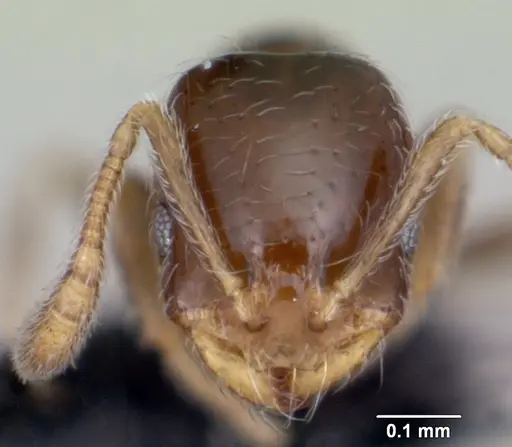
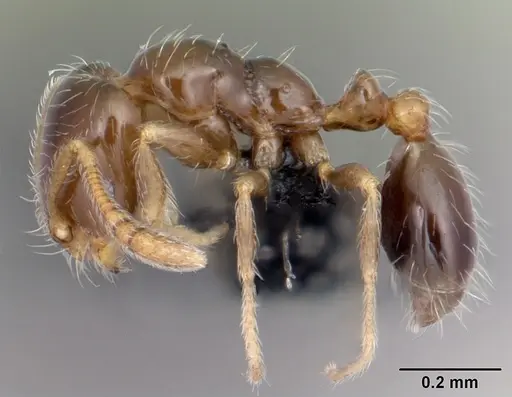
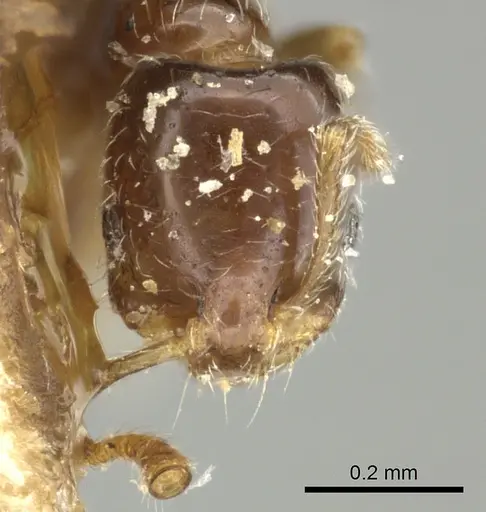
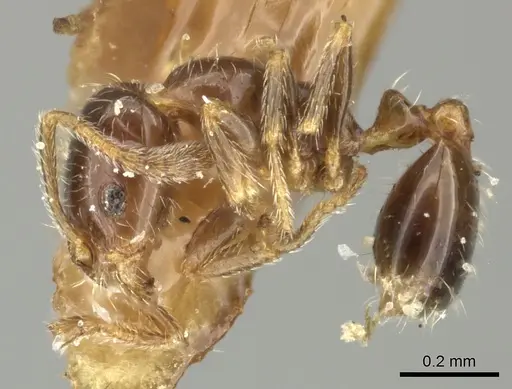
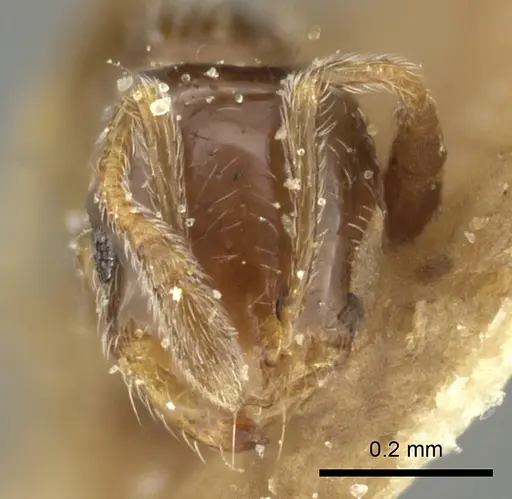
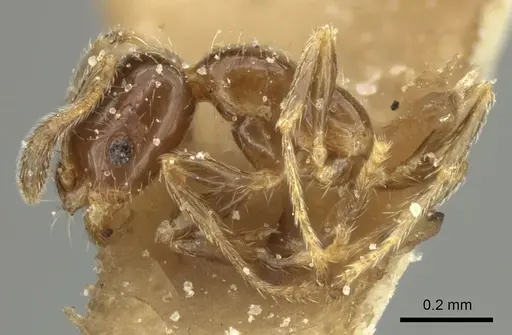
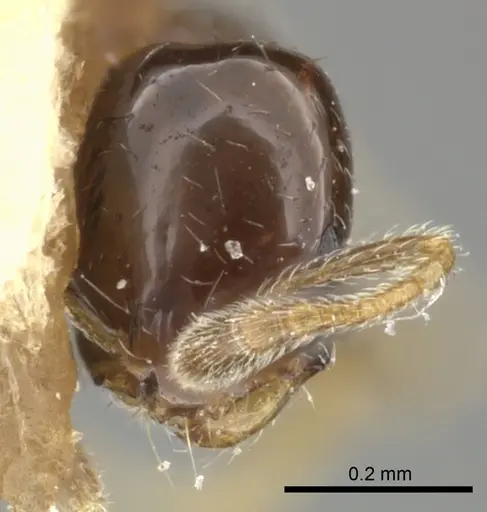
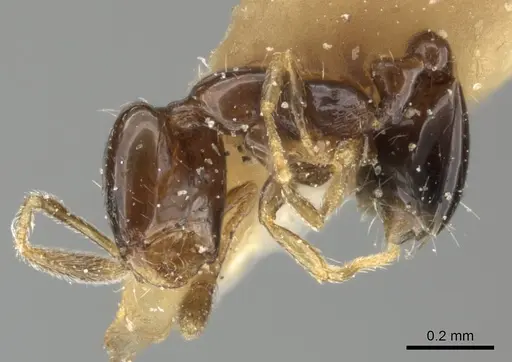
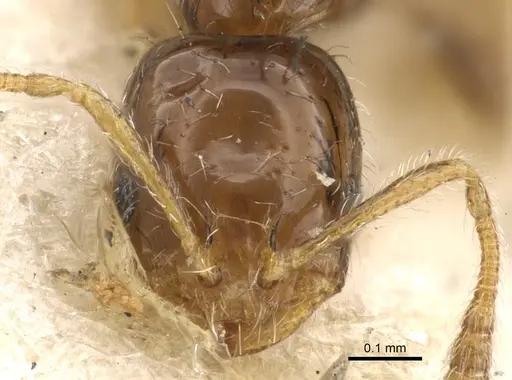
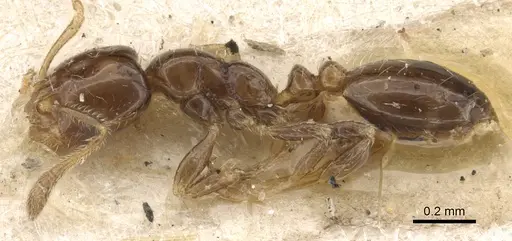
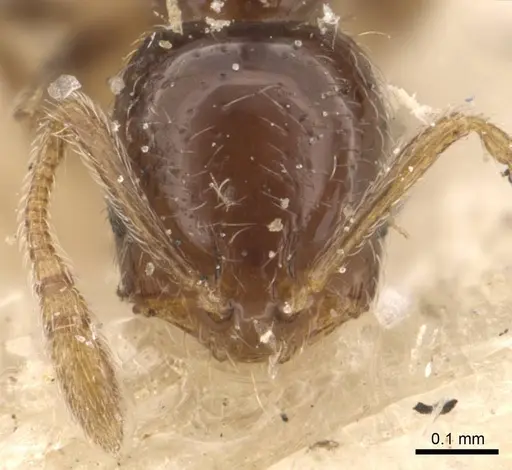
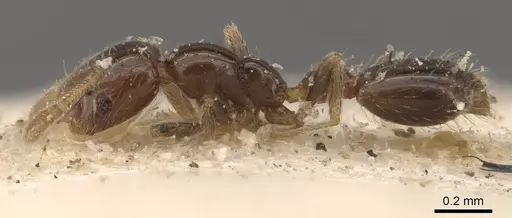
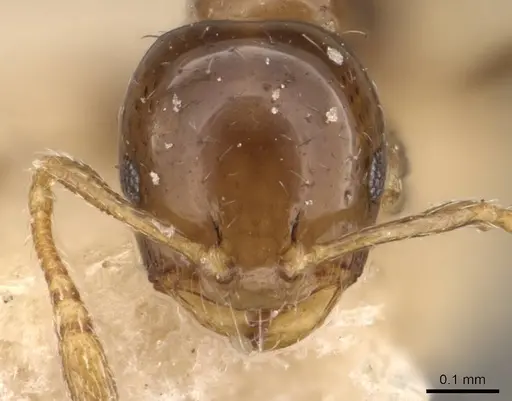
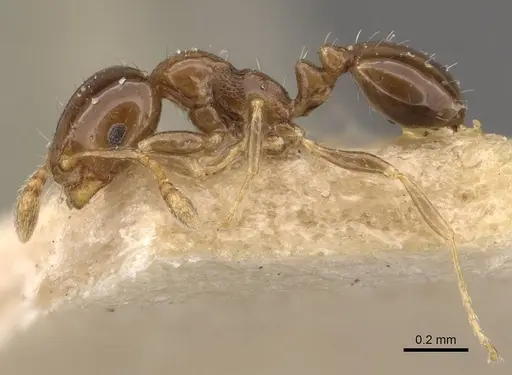
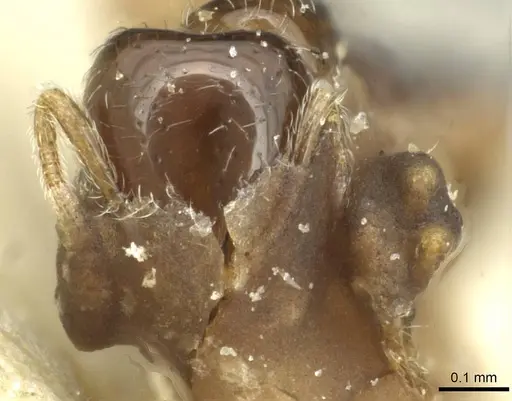
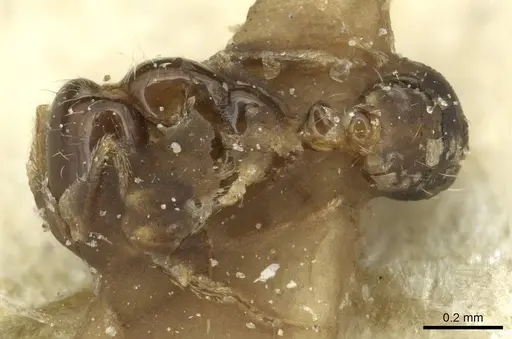
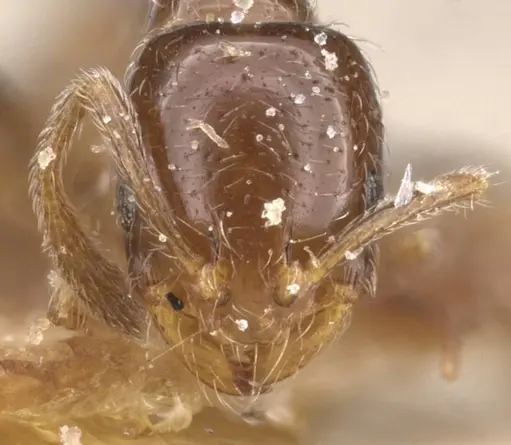
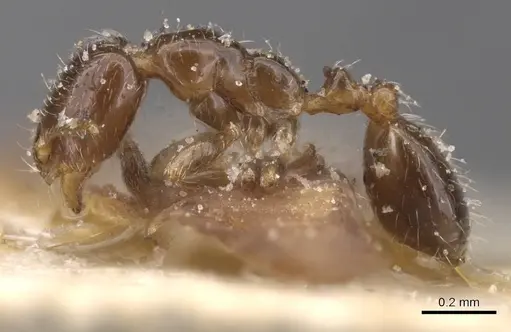
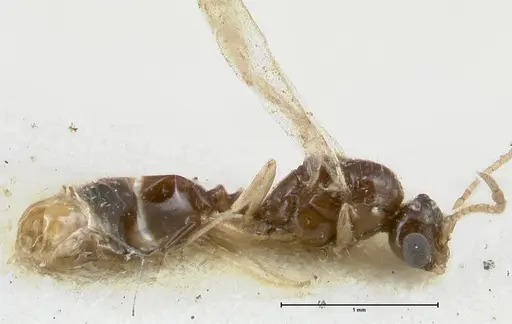
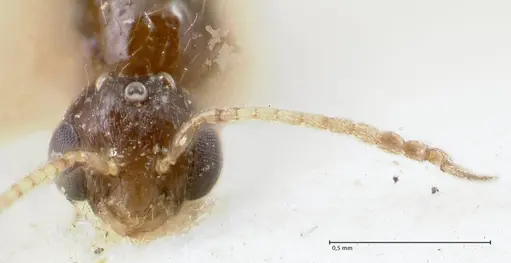
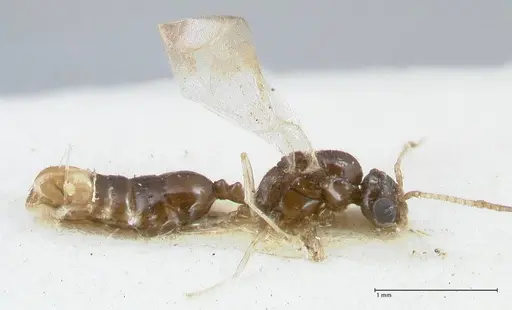
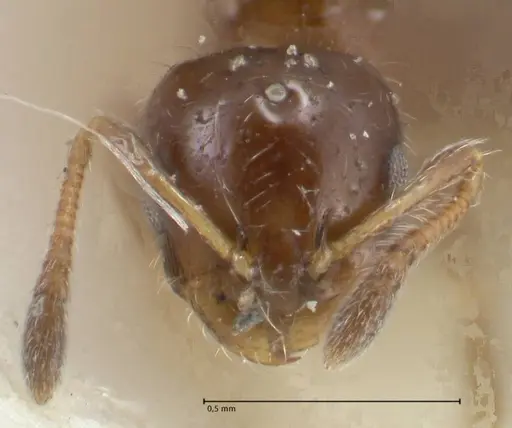
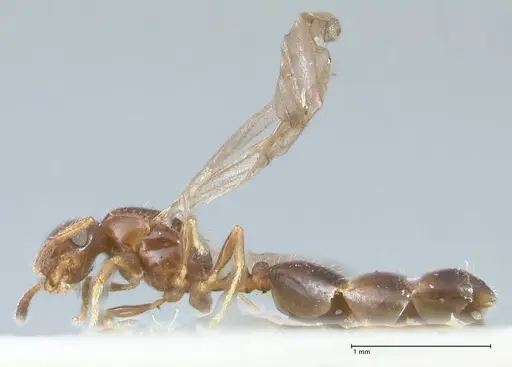
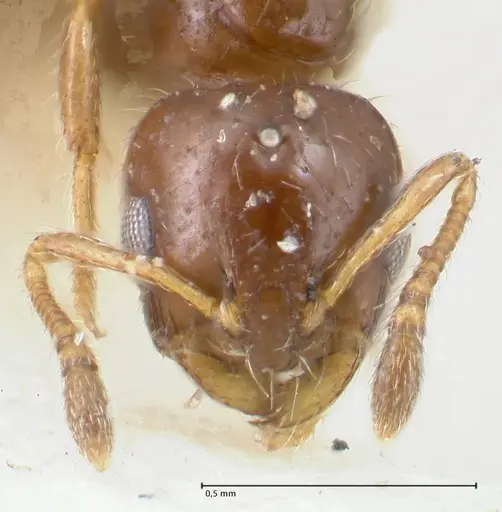
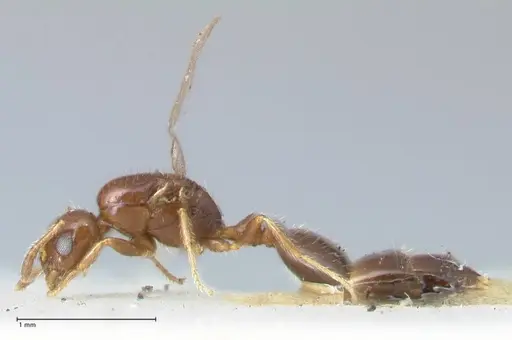
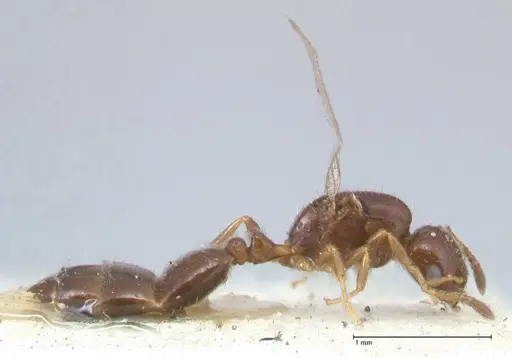
Monomorium liliuokalanii is a tiny ant species native to the Indo-Pacific region. Workers are noted for their small stature . This species was originally described from Hawaii in 1899 and was long confused with the related Monomorium minutum before being recognized as a separate species by Bolton in 1987 . It has since been recorded across much of Polynesia and Melanesia, including Hawaii, Samoa, Tonga, Niue, Cook Islands, French Polynesia, and more recently from Singapore and Borneo in Southeast Asia . The species can be confused with the similar M. floricola, so careful identification is important . This ant belongs to the subfamily Myrmicinae and uses a sting as its primary defense mechanism, injecting venom composed of piperidine alkaloids.
Quick Summary
- Difficulty: Medium, limited documented care information but similar to other small Monomorium species
- Origin & Habitat: Indo-Pacific native found across Polynesia (Hawaii, Samoa, Tonga, Niue, Cook Islands, French Polynesia) and into Southeast Asia (Singapore, Sumatra, Borneo). Inhabits lowland dipterocarp forest canopy in Brunei [4].
- Colony Type: Colony structure has not been directly documented for this species.
- Size & Growth:
- Queen: Size data unavailable, no specific measurements documented
- Worker: Small stature, approximately 2-3mm inferred from genus patterns [1]
- Colony: Unknown, likely small to moderate colony size typical of Monomorium
- Growth: Unknown
- Development: Unknown, not directly documented for this species (Development timeline is not documented. Estimates based on typical Monomorium development patterns may be inaccurate.)
- Antkeeping:
- Temperature: Tropical species, aim for 22-28°C. This species is found in tropical to subtropical Pacific regions, so warmth is beneficial.
- Humidity: Moderate humidity around 50-70%. These ants are found in forest environments in the wild, so avoid overly dry conditions but also avoid waterlogging.
- Diapause: Unknown, tropical species may not require true diapause but may show reduced activity in cooler months
- Nesting: Use a test tube setup for founding colonies. For established colonies, a small formicarium or Y-tong nest with narrow chambers scaled to their tiny size works well. They may nest in small cavities in rotting wood or under debris in nature.
- Behavior: Temperament is likely docile, typical of small Monomorium species. They are not known for aggressive biting or stinging. Escape prevention is critical due to their very small size, they can squeeze through tiny gaps. Use fine mesh barriers and tight-fitting lids.
- Common Issues: escape prevention is critical due to tiny worker size, identification can be difficult, easily confused with M. floricola and other small Monomorium species, limited natural history data makes care recommendations uncertain, wild-caught colonies may have parasites or health issues, founding phase may be slow, do not disturb claustrally founding queens
Identification and Taxonomy
Monomorium liliuokalanii was originally described from Hawaii in 1899 by Forel and was long treated as a variety or subspecies of M. minutum. In 1987,Bolton examined Pacific specimens previously assigned to M. minutum and determined they represented a separate species native to the Indo-Pacific region [2]. The species was formally revived and raised to full species status at that time. It was also determined to be the senior synonym of M. minutum samoanum, a form described from Samoa [6]. Workers are noted for their small stature and can be confused with M. floricola, so careful examination is needed for accurate identification [5]. The species has been recorded across Polynesia and more recently from Southeast Asia (Singapore, Sumatra, Borneo), representing a significant range extension.
Distribution and Habitat
This species has a broad Indo-Pacific distribution. It is known from Hawaii (Oahu, Kauai, Hawaii island), Samoa, Tonga, Niue, Cook Islands, French Polynesia (Society Islands, Tuamotu, Australes, Marquesas), and the Mariana and Caroline Islands in Micronesia [3][7]. More recent surveys have also recorded it from Singapore, Sumatra, and Borneo in Southeast Asia, representing a new record for Borneo [4]. In Brunei, specimens were collected from the canopy of lowland dipterocarp forest using knockdown collection methods [4]. This suggests the species can inhabit forest environments, not just disturbed areas. The species is considered cryptogenic in French Polynesia, meaning its native versus introduced status is uncertain [5].
Nest Preferences and Housing
In captivity, Monomorium liliuokalanii should be housed in appropriately scaled setups. For founding colonies, a standard test tube setup works well, the tube should be small to medium sized since these are tiny ants. The queen will typically seal herself into a chamber during founding. For established colonies, a small formicarium or Y-tong nest with narrow chambers and passages scaled to their tiny worker size is ideal. Avoid large, open spaces that may cause stress. Provide a small outworld for foraging. Escape prevention is critical, these tiny ants can squeeze through remarkably small gaps, so use fine mesh barriers and ensure all connections are secure.
Feeding and Diet
Based on typical Monomorium genus behavior, this species is likely omnivorous, accepting both sugar sources and protein. They likely feed on honeydew in the wild, as well as small insects and other protein sources. In captivity, offer sugar water or honey water as a constant carbohydrate source. For protein, offer small prey items such as fruit flies, small mealworms, or other appropriately sized insects. Feed protein roughly twice weekly, and remove any uneaten prey after 24-48 hours to prevent mold.
Temperature and Seasonal Care
As a tropical to subtropical species from the Pacific islands and Southeast Asia, Monomorium liliuokalanii prefers warm conditions. Aim for temperatures in the 22-28°C range. A slight gradient allowing workers to choose their preferred temperature is beneficial. Since they have been found in forest canopy environments, they may prefer somewhat stable conditions without extreme temperature fluctuations. Whether they require a true diapause is unknown, tropical populations typically do not enter full diapause, though they may show reduced activity during cooler periods. If your colony shows reduced activity in winter, reduce feeding and avoid disturbing them rather than forcing hibernation.
Behavior and Temperament
This species is likely docile and not aggressive, typical of small Monomorium species. Workers are small and likely forage individually or in small groups rather than forming aggressive defensive swarms. They possess a sting but due to their tiny size, any sting would be minimal. The primary concern for keepers is escape prevention, their tiny size allows them to squeeze through gaps that would hold larger ants. Always use fine mesh barriers, apply fluon to rim edges, and check all connections regularly. Activity levels are likely moderate, with workers actively foraging in the nest and outworld.
Frequently Asked Questions
How long does it take for Monomorium liliuokalanii to produce first workers?
The exact timeline is not documented. Based on typical Monomorium development patterns, expect approximately 5-8 weeks from egg to first worker at warm temperatures (around 25°C). The founding queen will remain sealed in her chamber until her first workers emerge.
What do Monomorium liliuokalanii ants eat?
Based on typical Monomorium behavior, they are omnivorous. Offer sugar water or honey water as a constant carbohydrate source. For protein, provide small prey items like fruit flies, small mealworms, or other tiny insects. Feed protein roughly twice weekly.
Are Monomorium liliuokalanii ants aggressive?
This species is not known for aggression. They are small, docile ants. They possess a sting but their tiny size means any defensive response would be minimal.
Do Monomorium liliuokalanii ants need hibernation?
Unknown, as a tropical species from the Pacific islands, they likely do not require true hibernation. They may show reduced activity in cooler months, in which case you can reduce feeding and temperatures slightly.
How big do Monomorium liliuokalanii colonies get?
Colony size is not directly documented, but based on typical Monomorium patterns, colonies likely reach dozens to a few hundred workers. They are not among the largest ant species.
Can I keep multiple Monomorium liliuokalanii queens together?
Not recommended, combining unrelated queens of this species has not been documented. Based on typical Monomorium behavior, they may be single-queen species. Multiple foundress queens would likely fight.
What temperature should I keep Monomorium liliuokalanii at?
Aim for 22-28°C. As a tropical species from the Pacific region, they prefer warm conditions. A slight temperature gradient allowing workers to choose their preferred spot is beneficial.
Why are my Monomorium liliuokalanii escaping?
Escape prevention is critical for this species due to their very tiny worker size. They can squeeze through remarkably small gaps. Use fine mesh barriers on all ventilation holes, apply fluon or similar barrier gel to rim edges, and check all connections regularly for gaps.
Is Monomorium liliuokalanii a good species for beginners?
This species may be suitable for intermediate keepers due to limited documented care information. They are small and require careful escape prevention. Their docile temperament and likely simple care requirements make them manageable once you understand the basics of ant keeping.
Where is Monomorium liliuokalanii native to?
This species is native to the Indo-Pacific region. It is found across Polynesia (Hawaii, Samoa, Tonga, Niue, Cook Islands, French Polynesia), Micronesia (Mariana Islands, Caroline Islands), and more recently recorded in Southeast Asia (Singapore, Sumatra, Borneo).
Report an Issue
The current care sheet is based fully on literature. See inconsistencies, or something that's incorrect? Please , it will be resolved after review from an admin. Contributing to the blogs tab also helps providing information, to make us be able to further improve the caresheets. Thank you for your support!
References

This caresheet is licensed under CC BY-SA 4.0 .
Community Blogs
CASENT0103256
View on AntWeb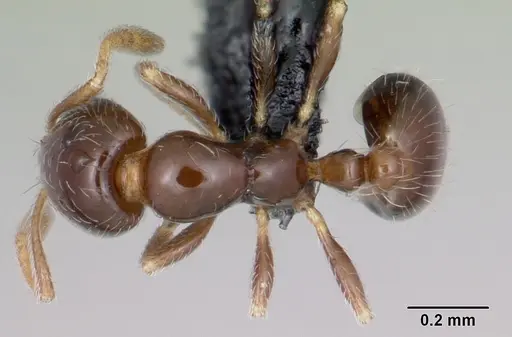
CASENT0103257
View on AntWeb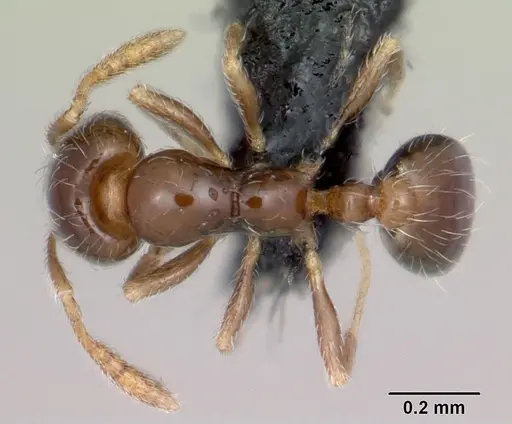
CASENT0249098
View on AntWeb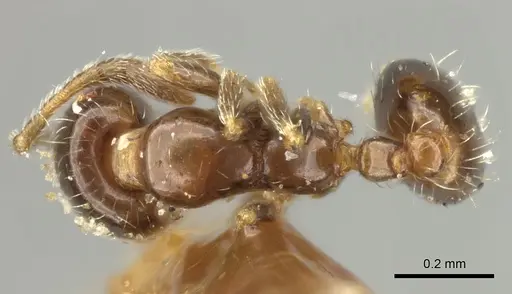
CASENT0249099
View on AntWeb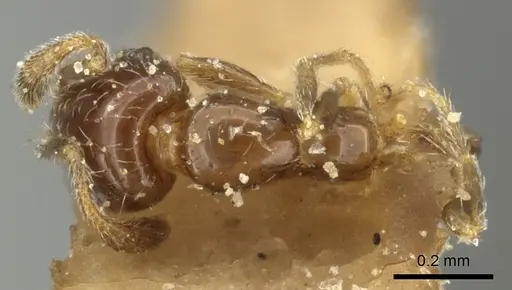
CASENT0249100
View on AntWeb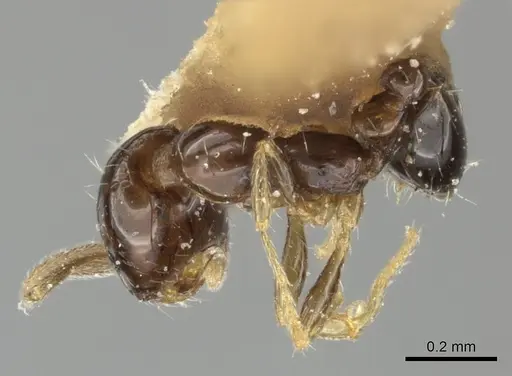
CASENT0902282
View on AntWeb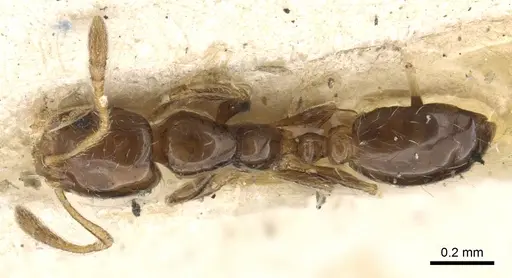
CASENT0908706
View on AntWeb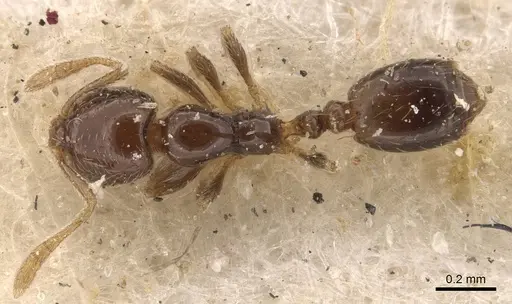
CASENT0908707
View on AntWeb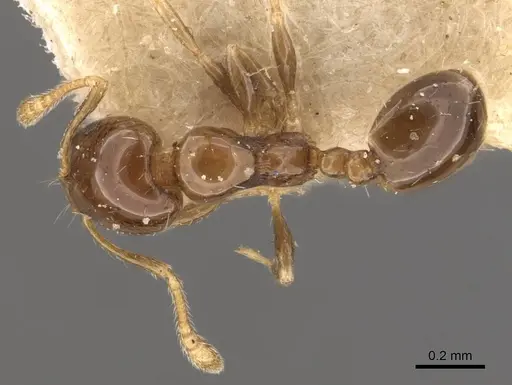
CASENT0913584
View on AntWeb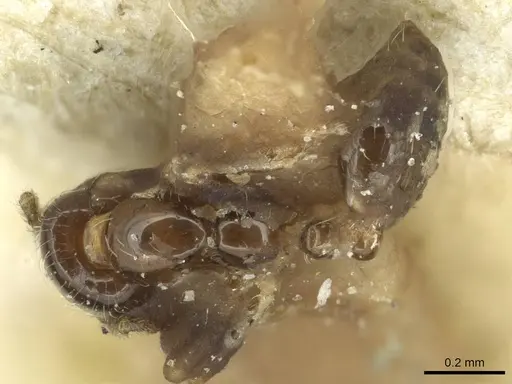
CASENT0913813
View on AntWeb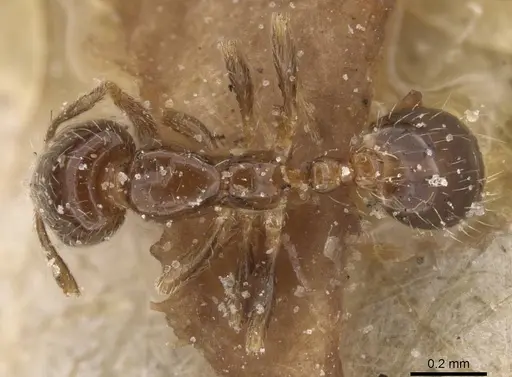
FOCOL1687
View on AntWeb
FOCOL1688
View on AntWeb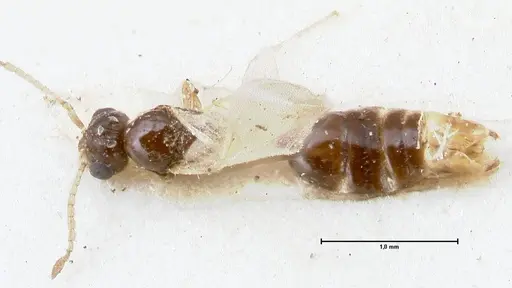
FOCOL1689
View on AntWeb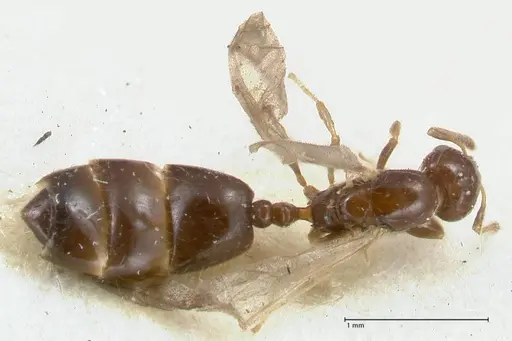
FOCOL1690
View on AntWeb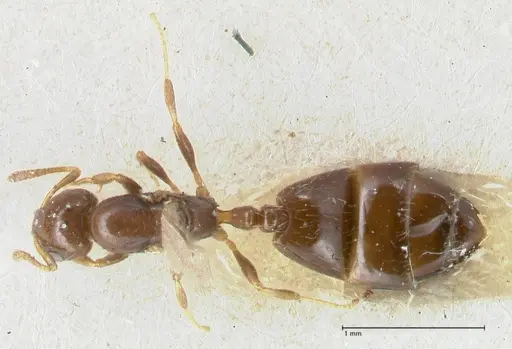
Literature
Loading distribution map...Loading products...