
Monomorium latastei
- Sci. Name
- Monomorium latastei
- Tribe
- Solenopsidini
- Subfamily
- Myrmicinae
- Author
- Emery, 1895
- Distribution
- Found in 1 countries
Introduction
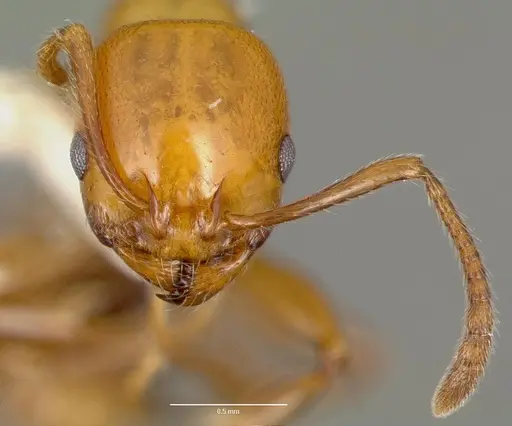
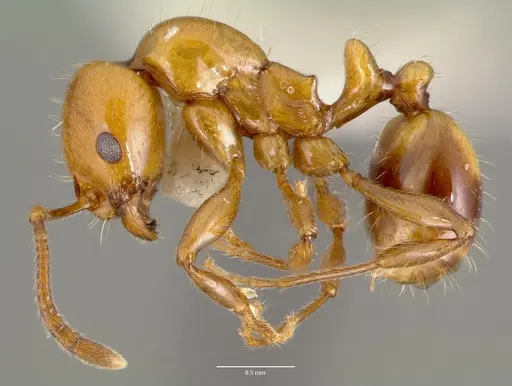
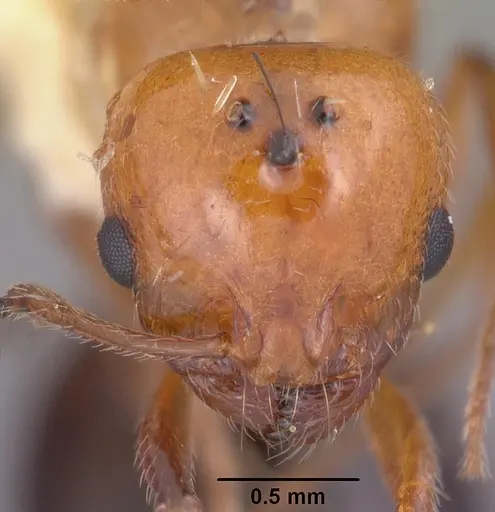
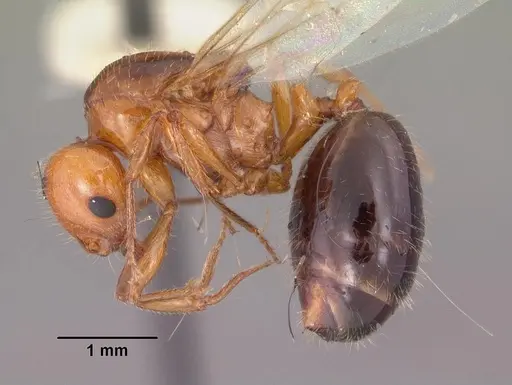
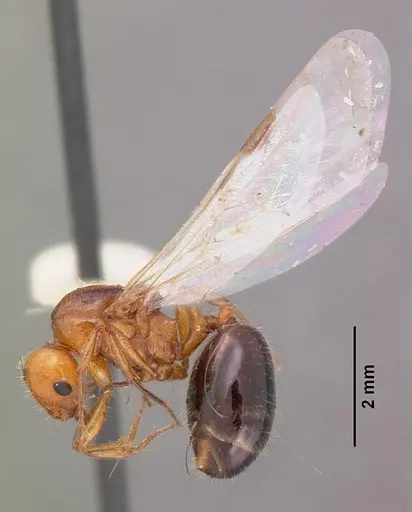
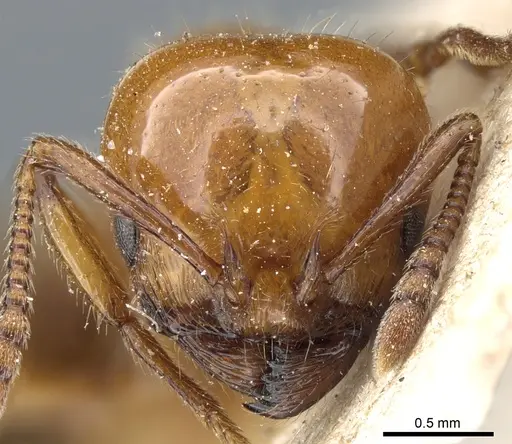
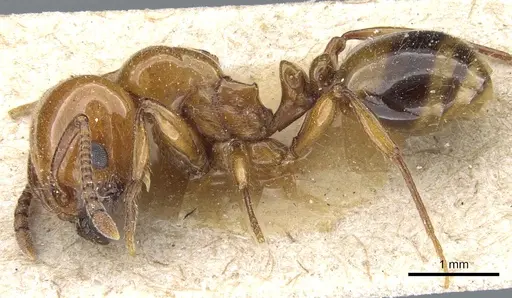
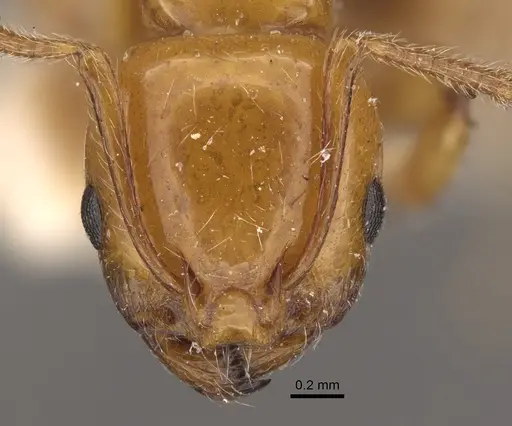
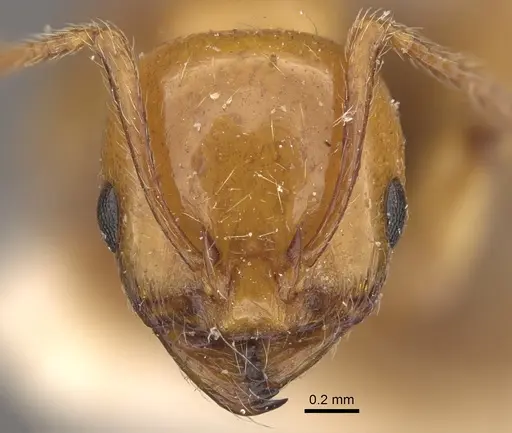
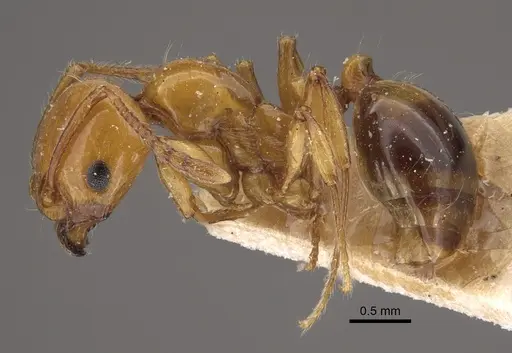
Monomorium latastei is a small ant native to Chile, found from Santiago south to Villarrica in the Chilean Andes . Workers measure 3.5-5.5mm and have a distinctive appearance: a beautiful light reddish-brown body with darkened mandible edges and a wide black band across each abdominal segment except the last . The body is very shiny with almost no visible hairs, giving them a sleek look. Their propodeum has sharp triangular teeth that help distinguish them from related species . This species has a functional stinger and can inject venom composed of piperidine alkaloids - typical of the Solenopsidini tribe . These ants are relatively rare in the antkeeping hobby.
Quick Summary
- Difficulty: Medium
- Origin & Habitat: Chile (Cordillera Chillán to Santiago and Villarrica), found in the Chilean Andes region at various elevations [1][2][3]
- Colony Type: Colony structure is unconfirmed. Based on typical Monomorium patterns, likely single-queen colonies.
- Size & Growth:
- Queen: Size data unavailable, no documented queen measurements found [1]
- Worker: 3.5-5.5mm [3]
- Colony: Unknown, no colony size data available
- Growth: Unknown, no development data available for this species
- Development: Estimated 6-8 weeks based on typical Monomorium genus patterns at optimal temperature (Development timeline not directly studied. Estimates based on related species in the genus.)
- Antkeeping:
- Temperature: Keep at room temperature, roughly 18-22°C. Chilean ants experience cooler conditions than tropical species, so avoid overheating.
- Humidity: Moderate humidity around 50-60%. These ants come from the temperate Chilean climate, not the humid tropics.
- Diapause: Likely yes, Chilean species experience seasonal temperature changes. Provide a cool period around 10-15°C during winter months (roughly May-August in the Southern Hemisphere, or November-February if keeping in Northern Hemisphere).
- Nesting: Naturalistic setups with flat stones or a Y-tong/plaster nest work well. They likely nest under stones or in soil crevices in the wild. Provide tight chambers scaled to their small size.
- Behavior: Workers are active foragers that search for food individually. They are not particularly aggressive toward keepers but may defend their nest if threatened. Their small size means they can squeeze through tiny gaps, escape prevention must be excellent. They have a functional stinger but rarely use it against humans due to their small size. Workers are fast-moving and may be skittish.
- Common Issues: escape prevention is critical due to their tiny size, use fine mesh and tight-fitting lids, slow growth compared to tropical species may frustrate beginners, winter die-offs are common if proper diapause conditions aren't provided, wild-caught colonies may have parasites that are difficult to treat, limited availability makes this species harder to acquire
Housing and Nest Setup
Monomorium latastei is a small ant that needs appropriately scaled housing. A Y-tong or plaster nest works well, these allow you to control humidity while providing dark chambers that mimic their natural underground nesting sites. Naturalistic setups with flat stones placed over soil can also work, giving them the dark, humid microhabitat they prefer. The nest chambers should be tight and snug for these tiny ants, avoid large, open spaces where they may feel exposed. For the outworld, a simple plastic container with smooth walls works fine. Because they are so small, all connections between the nest and outworld must have excellent seal, even a 1mm gap is enough for them to escape. Use cotton or foam as a barrier, and consider applying a thin layer of fluon to the rim of the outworld. [1][2][3]
Feeding and Diet
Like most Monomorium species, these ants are omnivorous and will accept both protein and sugar sources. Offer sugar water, honey, or diluted maple syrup as a constant carbohydrate source. For protein, provide small insects like fruit flies, small mealworms, or cricket legs. Being small ants, their prey items should be appropriately sized, tiny insects or pre-killed prey works better than large chunks that may overwhelm them. Feed protein 2-3 times per week, removing any uneaten prey after 24-48 hours to prevent mold. A small water vial with a cotton wick should always be available for drinking.
Temperature and Seasonal Care
As a Chilean species, Monomorium latastei is adapted to temperate conditions with distinct seasons. Keep the nest at room temperature, ideally between 18-22°C. They can tolerate brief temperature fluctuations but should not be exposed to prolonged heat above 25°C or cold below 10°C except during hibernation. During winter, provide a cool period at 10-15°C to simulate their natural seasonal cycle. This diapause period is important for colony health and may trigger reproductive behavior in spring. If you are in the Northern Hemisphere, provide diapause from roughly November-February. Do not keep them at constant room temperature year-round, this can weaken colonies over time. [2]
Behavior and Handling
Workers are active and fast-moving foragers. They search for food individually rather than using mass recruitment, which is typical for smaller Monomorium species. They are not aggressive toward humans and rarely bite. Their small size means they can be easily overlooked or accidentally crushed, so handle their setup with care. They have a functional stinger but it is too small to penetrate human skin effectively. When disturbed, they may flee rapidly rather than attack. Their escape ability is their primary defense, which is why containment is so important. Workers typically live for several months, while queens can live for several years in captivity.
Colony Development and Growth
Colony growth is likely slow to moderate compared to tropical species. Based on typical Monomorium development, expect 6-8 weeks from egg to first worker at optimal temperature. The first workers will be smaller than mature workers and may take several months to reach full size. A healthy founding colony may reach 50-100 workers within the first year, with growth depending on feeding frequency and temperature. Unlike fast-growing tropical species, patience is required, this is not a species for keepers who want rapid colony explosion.
Frequently Asked Questions
How long does it take for Monomorium latastei to produce first workers?
Based on typical Monomorium development, expect 6-8 weeks from egg to first worker at optimal temperature (around 20°C). This is slower than many tropical species, so patience is required during the founding stage.
What temperature is best for Monomorium latastei?
Keep them at 18-22°C room temperature. They are adapted to the temperate Chilean climate and do not need heating like tropical species. Avoid temperatures above 25°C.
Do Monomorium latastei need hibernation?
Yes, they likely need a cool period during winter. Provide temperatures around 10-15°C for 2-3 months, roughly November-February. This simulates their natural seasonal cycle in the Chilean Andes.
Can I keep multiple queens together?
Colony structure is not well documented for this species. It is not recommended to combine unrelated queens as Monomorium colonies are typically single-queen. If you obtain a queen, house her alone until workers emerge.
What do Monomorium latastei eat?
They are omnivorous. Offer sugar water or honey as a constant carbohydrate source, and protein (small insects like fruit flies or mealworms) 2-3 times per week. Remove uneaten food promptly.
Are Monomorium latastei good for beginners?
This species is rated as medium difficulty. While not the hardest species, their slow growth, escape-prone tiny size, and diapause requirements make them better suited for keepers with some experience. Beginners may struggle with their specific needs.
How big do Monomorium latastei colonies get?
Colony size data is not available for this species. Based on related Monomorium species, they likely reach several hundred workers at most, not forming the massive colonies some Myrmicinae produce.
When should I move them to a formicarium?
Keep founding queens in a simple test tube setup until the first workers emerge. Once the colony reaches 20-30 workers, you can connect them to a formicarium if desired, but they can also be kept in the test tube longer.
Why are my Monomorium latastei escaping?
Their tiny size allows them to squeeze through gaps you may not see. Use fine mesh, apply fluon to rims, and check all connections. Even tiny gaps around tubing connections are potential escape routes.
Report an Issue
The current care sheet is based fully on literature. See inconsistencies, or something that's incorrect? Please , it will be resolved after review from an admin. Contributing to the blogs tab also helps providing information, to make us be able to further improve the caresheets. Thank you for your support!
References

This caresheet is licensed under CC BY-SA 4.0 .
Community Blogs
CASENT0006157
View on AntWeb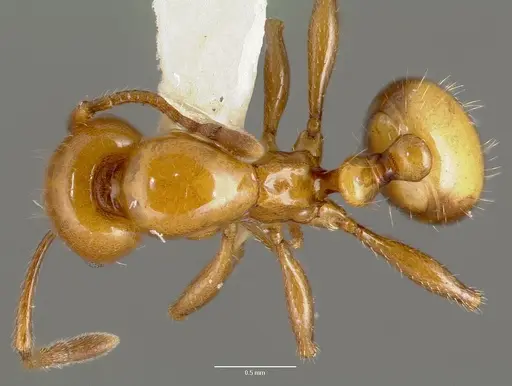
CASENT0102686
View on AntWeb
CASENT0904575
View on AntWeb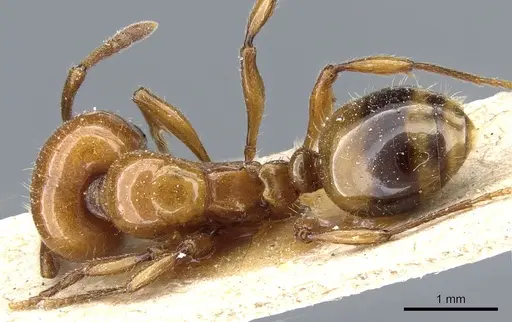
CASENT0917811
View on AntWeb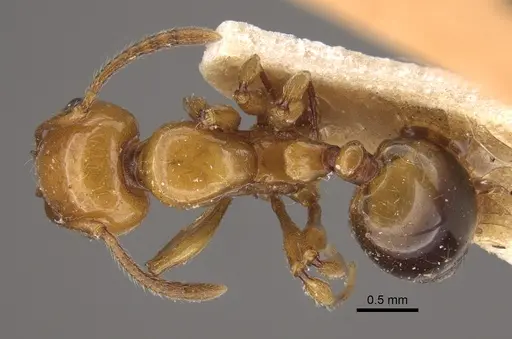
Literature
Loading distribution map...Loading products...