
Monomorium intrudens
- Sci. Name
- Monomorium intrudens
- Tribe
- Solenopsidini
- Subfamily
- Myrmicinae
- Author
- Smith, 1874
- Distribution
- Found in 7 countries
Introduction
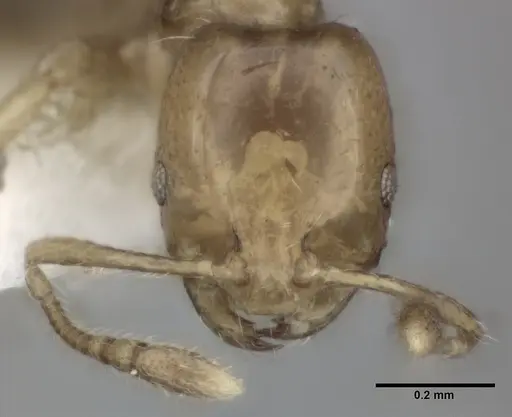
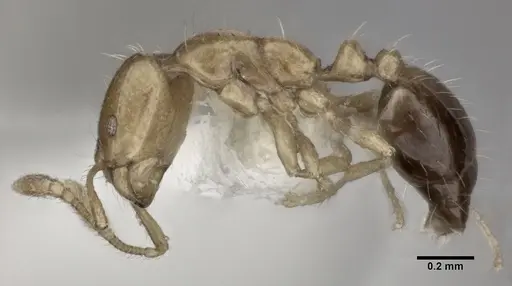
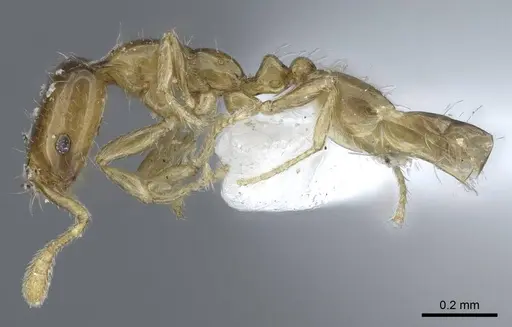
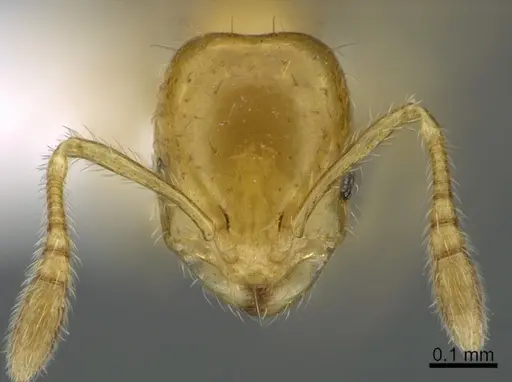
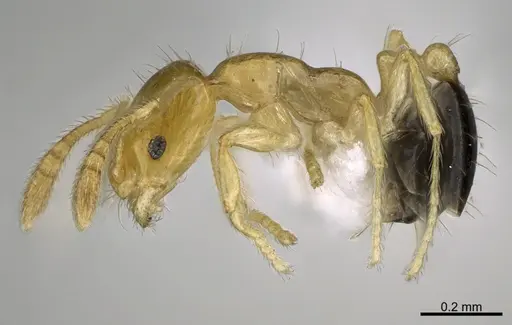
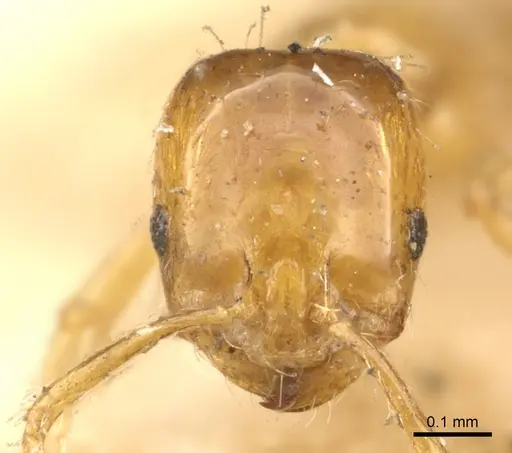
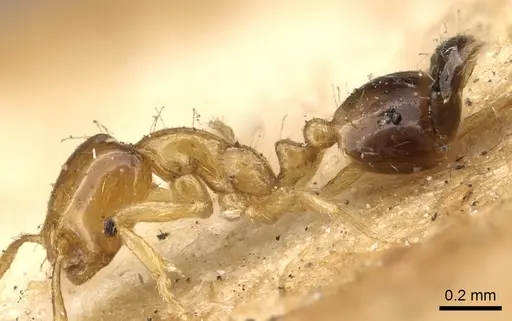
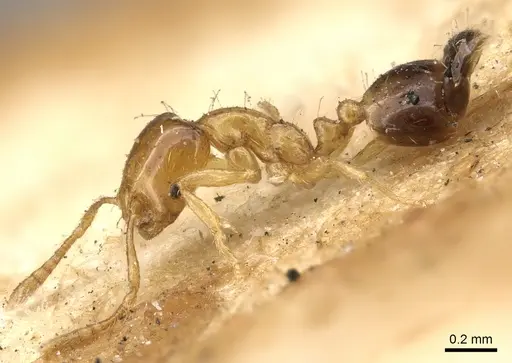
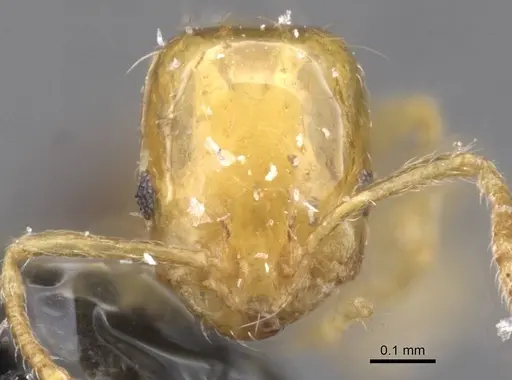
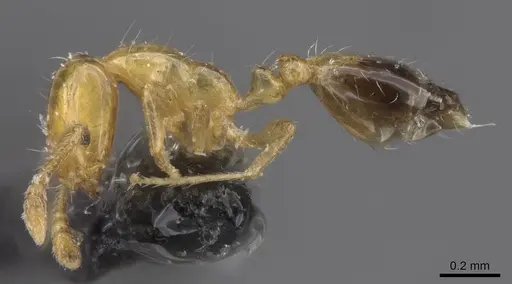
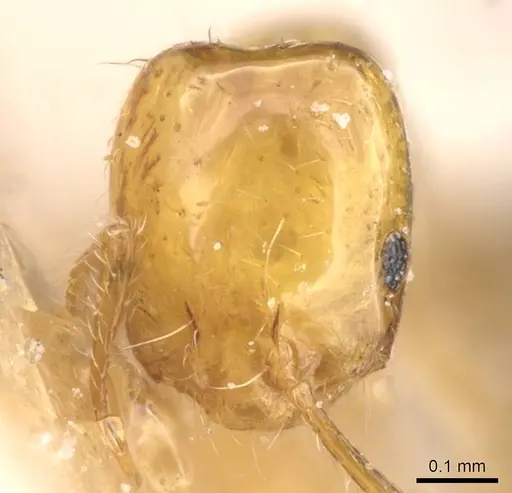
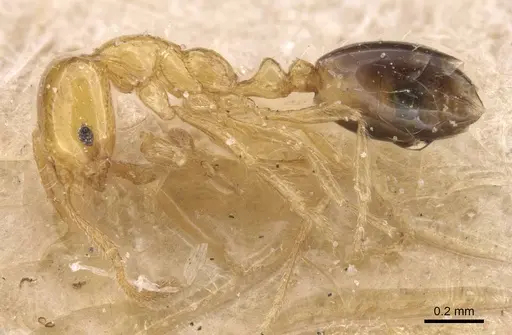
Monomorium intrudens is a tiny yellow to yellowish-brown ant with a dark brown to blackish gaster. Workers measure approximately 1.5mm in length, making them one of the smaller ant species you'll encounter . Their mandibles have 4 teeth, and their body surface is smooth and shiny without much sculpture . This species is incredibly common across southwestern Japan and the broader East Asian region, ranging from Japan's main islands through the Ryukyu Islands, Korea, China, Taiwan, and into Australia and New Guinea . They nest in a variety of spots - under stones, in plant cavities, and notably inside hollow bamboo stems . What makes them special is their polygynous colony structure: colonies can have anywhere from 1 to 26 queens, with an average of around 7 queens working together .
Quick Summary
- Difficulty: Easy
- Origin & Habitat: Native to Japan, Korea, China, Taiwan, and Australasia. Found in open land ranging to woodland margins, nesting under stones or in plant cavities like bamboo stems [1][2]. One of the most common ant species in southwestern Japan.
- Colony Type: Polygynous (multi-queen) colonies with 1-26 queens per nest, averaging around 7 queens [4].
- Size & Growth:
- Antkeeping:
- Temperature: Keep at room temperature, roughly 20-26°C. This range matches their native habitat in temperate to subtropical Japan [1]. A slight gradient allows ants to regulate their own temperature.
- Humidity: Moderate humidity around 50-70%. These ants nest in varied microhabitats including under stones and in bamboo cavities, so they're adaptable. Keep the nest substrate lightly moist but not waterlogged.
- Diapause: Yes, they show reduced activity in winter months (January-February) in their native Japan [5]. A cool period around 10-15°C for 2-3 months mimics their natural cycle.
- Nesting: They naturally nest in small cavities, bamboo stems, under stones, and plant cavities [1][2][3]. In captivity, they do well in small test tubes, Y-tong nests, or setups with narrow chambers scaled to their tiny size. Avoid large, open spaces.
- Behavior: These are active little ants that readily accept both sweet baits (honey) and protein sources (cheese) [5]. They're mass-recruiting foragers, meaning when one worker finds food, it brings many nestmates [6]. They're not particularly aggressive toward humans, being so small, they're more of a curiosity than a threat. However, their tiny size means they can slip through surprisingly small gaps, so escape prevention is critical [7]. They remain active from spring through late fall, with very limited winter activity [5]. As members of the subfamily Myrmicinae, they possess a sting and inject venom composed of piperidine alkaloids, though their small size makes them unlikely to penetrate human skin.
- Common Issues: escape prevention is critical, they are tiny and can squeeze through the tiniest gaps, multi-queen colonies may fight if introduced improperly, let them establish naturally, slow founding phase means beginners may lose patience, wild-caught colonies may have parasites that kill them in captivity, overfeeding can lead to mold in small nest setups
Housing and Nest Setup
Monomorium intrudens is a tiny ant, so your setup needs to match their small size. They naturally nest in narrow cavities like bamboo stems and under stones, so test tubes work perfectly for founding colonies. As the colony grows, you can move them to a small Y-tong nest or formicarium with tight chambers.
The key is scale, avoid tall, open spaces that feel exposed to such small ants. Narrow passages and small chambers help them feel secure. A water test tube connected to the nest provides humidity without flooding the brood area. Because they're so small, even standard escape barriers may not work, use fine mesh and check for gaps regularly [7].
These ants do well at room temperature (20-26°C). No special heating is needed in most homes, though a heating cable on one side of the nest can create a nice gradient if your room runs cool. Keep them away from direct sunlight and drafts.
Feeding and Diet
In the wild, Monomorium intrudens is an omnivorous forager that's been documented eating both sweets and proteins. Studies show they're strongly attracted to honey and cheese baits [5]. They also appear in the diet of predators like the Japanese treefrog, confirming they function as prey in their ecosystem [8].
For captive colonies, offer a mix of foods: sugar water or honey as a constant energy source, and protein sources like small insects (fruit flies, pinhead crickets, mealworms) or commercial ant jelly. They can be fed 2-3 times per week, with sugar water available continuously. Remove uneaten food after 24-48 hours to prevent mold.
Their small size means even tiny prey items are substantial to them. Start with very small portions and adjust based on how quickly workers clear the food. Being mass-recruiters, once one worker finds food, expect a trail to form quickly.
Seasonal Care and Winter Rest
In their native Japan, these ants show reduced activity during winter months. Research in Kagoshima documented extremely low frequency in January and February, with only occasional individuals found on cheese baits during these cold months [5]. This suggests they do enter a period of reduced activity, though they're not true hibernators like some temperate species.
From late autumn (November-December) through early spring, you can reduce their temperature to around 10-15°C to give them a cool rest period. This mimics their natural cycle and may help with colony health long-term. Keep them slightly moist during this period, don't let the nest dry out completely, but reduce feeding significantly.
Indoor colonies may stay more active year-round if kept warm. If you choose not to cool them, expect somewhat higher activity levels throughout winter, but monitor for signs of stress from continuous activity.
Colony Structure and Multi-Queen Dynamics
One of the most interesting aspects of Monomorium intrudens is their polygynous colony structure. Unlike many ant species that have just one queen, these ants typically have multiple queens per nest, anywhere from 1 to 26,with studies finding an average of around 7 queens per colony [4].
This multi-queen system means colonies can grow quite large, sometimes reaching several thousand workers [4]. The queens don't seem to fight aggressively with each other, which is unusual, many multi-queen species have dominance disputes. This makes them relatively peaceful to keep, though you should never combine unrelated foundress queens in a small container.
If you catch a founding queen in the wild, she may already be mated and ready to start a colony alone. Multiple queens found together in natural nesting sites is common, so don't be surprised if you find several in one bamboo cavity or under one stone.
Escape Prevention
With workers measuring just 1.5mm, escape prevention is absolutely critical for this species. Research on similar tiny ants shows they can slip through gaps smaller than their body width [7]. Standard barrier methods may not work, fine talc powder with particles around 2-3 micrometers was needed to completely prevent escape in related species [7].
Use tight-fitting lids on any container. Apply fluon or similar barriers to the upper edges of formicaria. Check regularly for any gaps, especially around water tubes and ventilation. A layer of fine mesh over any open foraging area is essential. These ants are small enough to climb smooth glass if there are any irregularities in the surface.
The good news is that their small size also means they can't cause the structural damage that larger ants might. The main concern is simply keeping them contained so they don't colonize your home.
Frequently Asked Questions
How long does it take for Monomorium intrudens to produce first workers?
Based on related Monomorium species, expect 6-8 weeks from egg to first worker at room temperature (around 24°C). The exact timing for this specific species hasn't been studied, so monitor your colony and adjust temperature if development seems slow.
Can I keep multiple queens together in one colony?
Yes, this species is naturally polygynous, meaning they form multi-queen colonies in the wild. However, if you're combining unrelated foundress queens, introduce them carefully in a spacious setup with multiple founding chambers. Established colonies with multiple queens can be left as-is.
What do Monomorium intrudens eat?
They accept both sweet and protein foods. Offer sugar water or honey constantly, and small insects like fruit flies or pinhead crickets 2-3 times per week. Studies show they're strongly attracted to honey and cheese baits.
Are Monomorium intrudens good for beginners?
Yes, they're considered easy to keep. They're small, adaptable to room temperature, accept a wide variety of foods, and have a flexible multi-queen colony structure. The main challenge is escape prevention due to their tiny size.
Do they need hibernation or diapause?
They show reduced winter activity in their native Japan, so a cool period (10-15°C) for 2-3 months during winter is beneficial. This mimics their natural cycle, though indoor colonies may stay active year-round if kept warm.
When should I move them from a test tube to a formicarium?
Move them once the colony reaches around 50-100 workers and you see the test tube starting to get dirty or condensation buildup becoming an issue. They prefer small, tight chambers, so don't jump to a large setup too quickly.
Why are my Monomorium intrudens escaping?
Their tiny size allows them to slip through gaps much smaller than you'd expect. Check all lids, water tube connections, and barrier edges. Use fine mesh and apply fluon or talc-based barriers. Even tiny irregularities in glass can provide footholds for these small ants.
How big do colonies get?
Wild colonies can reach several thousand workers with multiple queens [4]. In captivity, well-fed colonies of a few thousand workers are achievable. Their small size means even large colonies take up relatively little space.
Report an Issue
The current care sheet is based fully on literature. See inconsistencies, or something that's incorrect? Please , it will be resolved after review from an admin. Contributing to the blogs tab also helps providing information, to make us be able to further improve the caresheets. Thank you for your support!
References

This caresheet is licensed under CC BY-SA 4.0 .
Community Blogs
CASENT0246071
View on AntWeb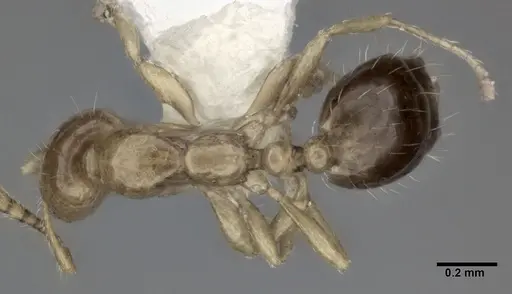
CASENT0248788
View on AntWeb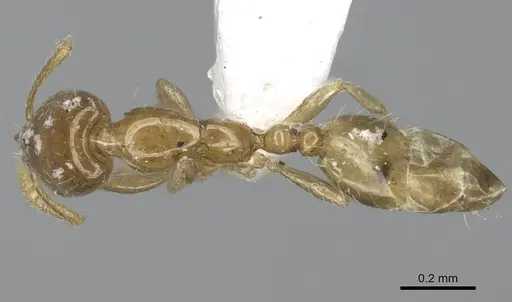
CASENT0434411
View on AntWeb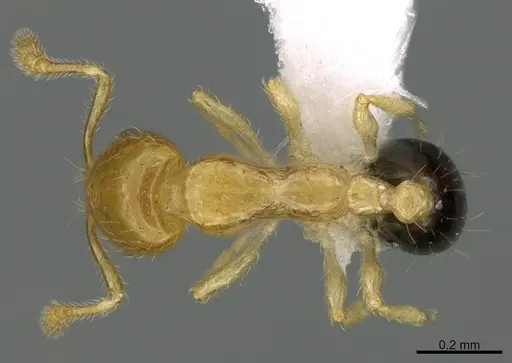
CASENT0902283
View on AntWeb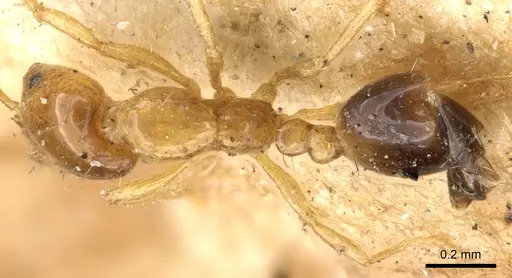
CASENT0913808
View on AntWeb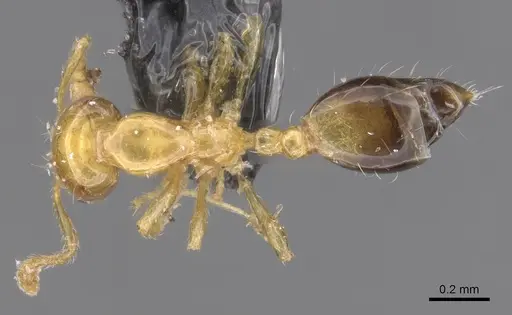
CASENT0913809
View on AntWeb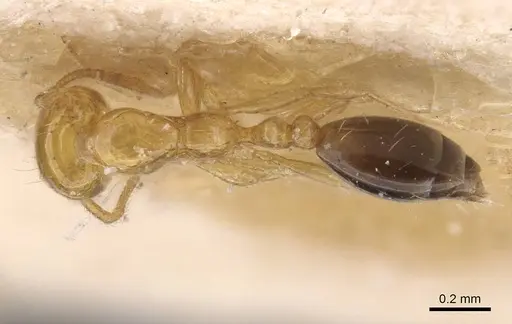
Literature
Loading distribution map...Loading products...