
Haviland's Timid Ant
Monomorium havilandi
- Sci. Name
- Monomorium havilandi
- Tribe
- Solenopsidini
- Subfamily
- Myrmicinae
- Author
- Forel, 1910
- Common Name
- Haviland's Timid Ant
- Distribution
- Found in 1 countries
Introduction
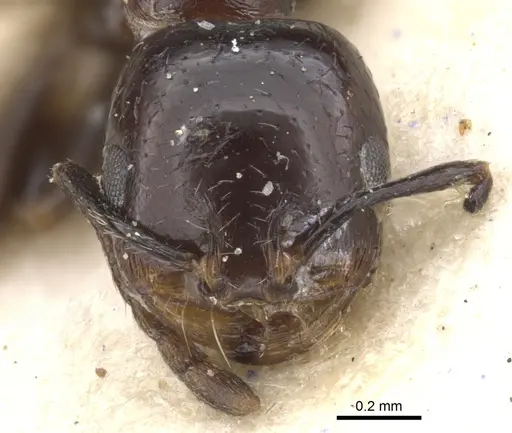
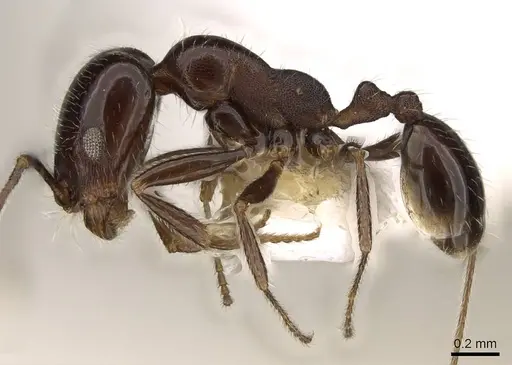
Monomorium havilandi is a tiny ant species native to South Africa, with workers measuring 2.8-3.1 mm in total length . They are found in arid and semi-arid regions such as the Nama Karoo and Karoo, typically in open areas . This species is classified as a granivore, primarily consuming seeds . A distinctive feature is their three-toothed mandibles, unlike most Afrotropical Monomorium species which have four teeth .
Quick Summary
- Difficulty: Medium
- Origin & Habitat: South Africa, arid and semi-arid regions including the Nama Karoo and Karoo, typically found in open areas [1][2]
- Colony Type: Based on typical Monomorium patterns, likely monogyne (single queen) colonies
- Size & Growth:
- Queen: Estimated ~4-5 mm, inferred from Monomorium genus patterns
- Worker: 2.8-3.1 mm [1]
- Colony: Unknown, no data available
- Growth: Unknown, likely moderate based on small size
- Development: Estimated 6-8 weeks, inferred from related Monomorium species (Development timeline is not directly studied for this species)
- Antkeeping:
- Temperature: Keep at 22-26°C, inferred from their arid habitat
- Humidity: Low to moderate, allow substrate to dry between waterings, based on arid habitat [1]
- Diapause: Unknown, no data available
- Nesting: Natural nesting in soil under stones [1]. For captivity, use small test tubes or nests scaled to their size [1].
- Behavior: These ants are small and relatively docile. They are granivores, primarily eating seeds [2]. Their tiny size means escape prevention is critical. Workers are not aggressive and unlikely to sting.
- Common Issues: tiny size makes escape likely without fine mesh barriers., limited data means care requirements are largely inferred., granivore diet may require specific seed offerings., wild-caught colonies may have parasites not documented in captivity.
Appearance and Identification
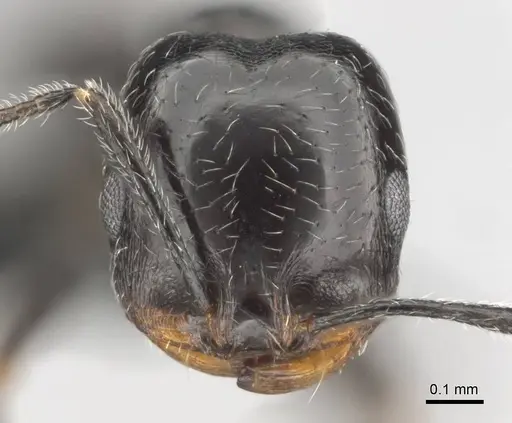
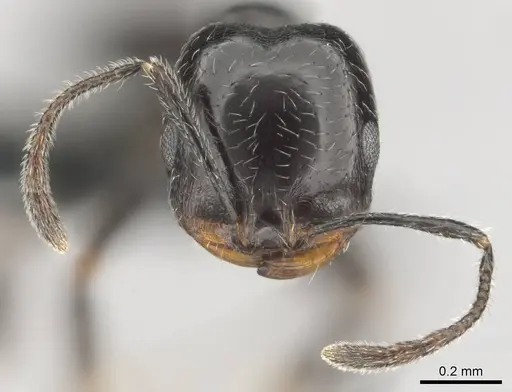
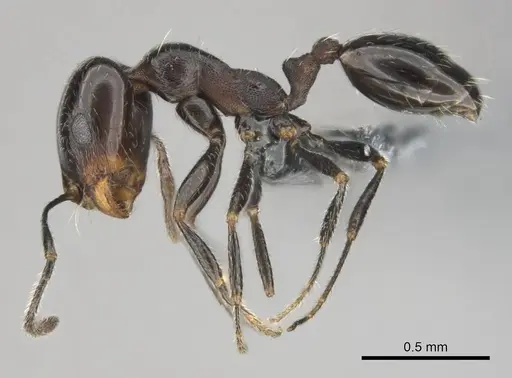
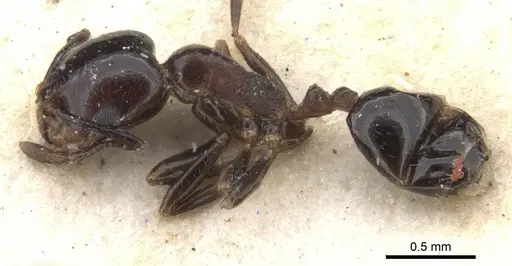
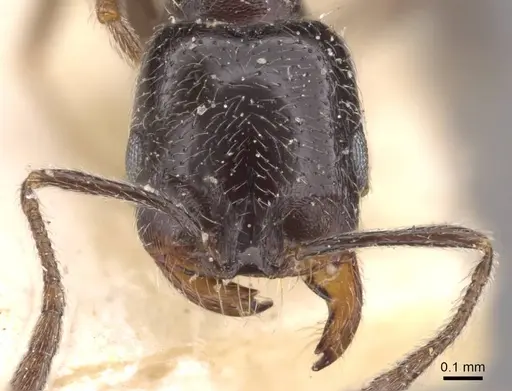
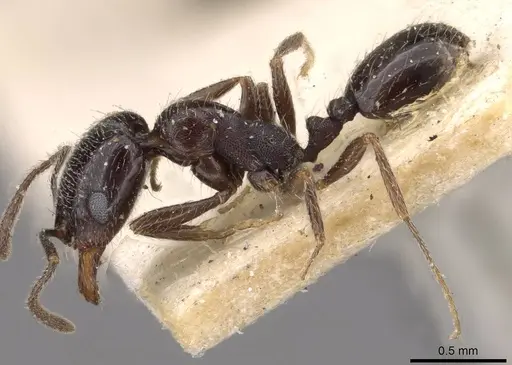
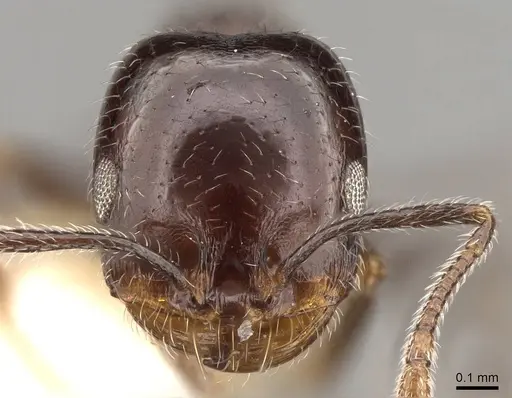
Monomorium havilandi workers are tiny, measuring 2.8-3.1 mm in total length [1]. Their most distinctive feature is the three-toothed mandible, unlike most other Afrotropical Monomorium species which have four teeth [1]. The head is relatively short and broad, with small eyes positioned toward the front. Color varies but they are typically pale to medium brown. Queens are larger than workers, but exact measurements are not well documented.
Natural Habitat and Distribution
This species is endemic to South Africa, found primarily in arid and semi-arid regions including the Nama Karoo and Karoo [1][2]. Collections have been recorded from Natal and Eastern Cape provinces [1]. They inhabit open areas, preferring hot, dry conditions [1]. The Karoo region experiences extreme temperatures, and these ants are adapted to harsh conditions.
Diet and Feeding
Monomorium havilandi is a granivore, meaning they primarily consume seeds [2]. In captivity, offer small seeds like grass seeds or millet. They may also accept small insects occasionally, but seeds should be their main food source. Provide fresh water at all times.
Temperature and Care
Based on their South African arid habitat, aim for temperatures of 22-26°C. A temperature gradient can be created using a heating cable on one side of the nest. Humidity should be low to moderate, allowing the nest substrate to dry between waterings.
Nesting and Housing
In the wild, these ants likely nest in soil under stones [1]. For captivity, use small test tubes or nests scaled to their tiny size. Escape prevention is critical due to their small size, use fine mesh on ventilation holes and ensure tight connections. A small outworld allows observation of foraging behavior.
Colony Development
Colony size is not well documented, but based on worker size and habitat, colonies are likely small to moderate. Development from egg to worker is estimated at 6-8 weeks, inferred from related species. Queens are likely claustral, but founding behavior is unconfirmed.
Frequently Asked Questions
What do Monomorium havilandi ants eat?
They are granivores, primarily eating seeds. Offer small seeds like grass seeds or millet [2].
How big do Monomorium havilandi colonies get?
Colony size is not well documented, but based on worker size, likely small to moderate [1].
What temperature do Monomorium havilandi ants need?
Keep them at 22-26°C based on their arid habitat.
Are Monomorium havilandi good for beginners?
Difficulty is medium due to small size and granivore diet, but care requirements are inferred from genus patterns.
How long does it take for Monomorium havilandi eggs to become workers?
Estimated 6-8 weeks at optimal temperature, inferred from related Monomorium species.
Do Monomorium havilandi need hibernation?
Diapause requirements are unknown.
What size nest do I need for Monomorium havilandi?
Use small nests scaled to their tiny size, such as test tubes [1].
Can I keep multiple Monomorium havilandi queens together?
Not recommended, as they likely form single-queen colonies based on genus patterns.
Why are my Monomorium havilandi escaping?
Their tiny size means they can squeeze through small gaps. Use fine mesh and ensure tight connections.
Report an Issue
The current care sheet is based fully on literature. See inconsistencies, or something that's incorrect? Please , it will be resolved after review from an admin. Contributing to the blogs tab also helps providing information, to make us be able to further improve the caresheets. Thank you for your support!
References

This caresheet is licensed under CC BY-SA 4.0 .
Community Blogs
CASENT0253158
View on AntWeb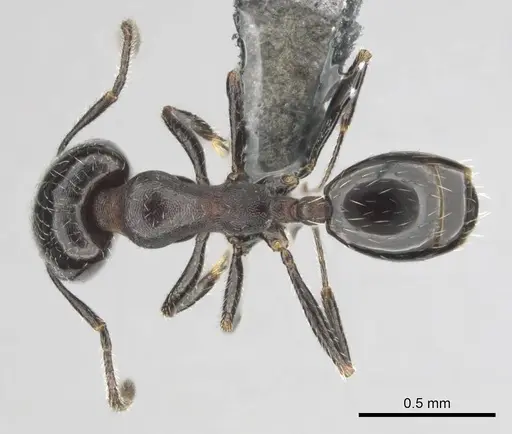
CASENT0902185
View on AntWeb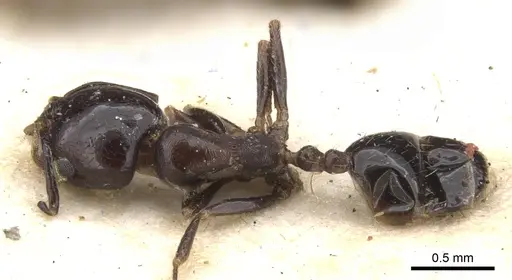
CASENT0908749
View on AntWeb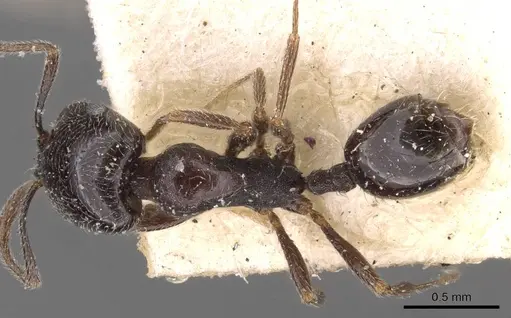
CASENT0914157
View on AntWeb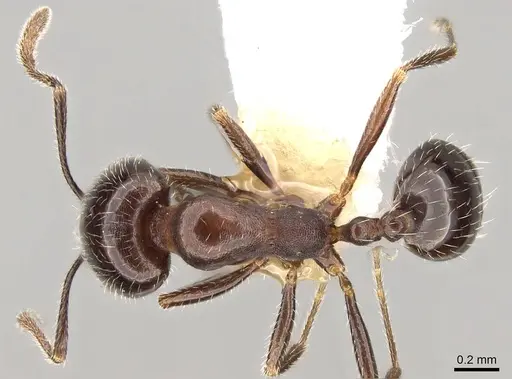
Literature
Loading distribution map...Loading products...