
Monomorium hanneli
- Sci. Name
- Monomorium hanneli
- Tribe
- Solenopsidini
- Subfamily
- Myrmicinae
- Author
- Forel, 1907
- Distribution
- Found in 4 countries
Introduction
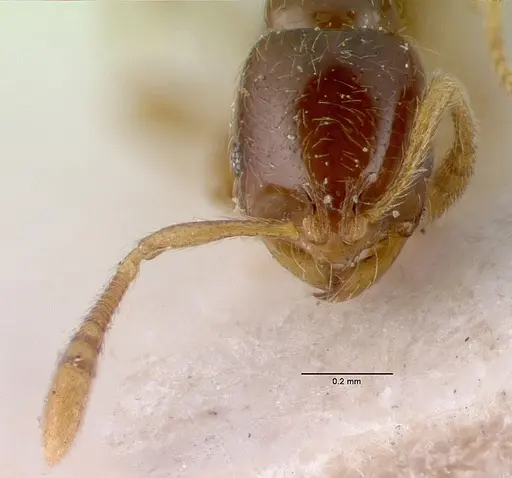
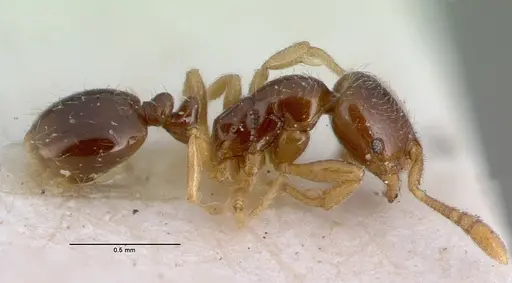
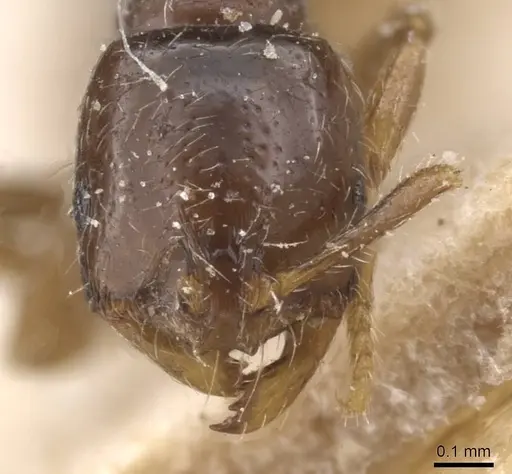
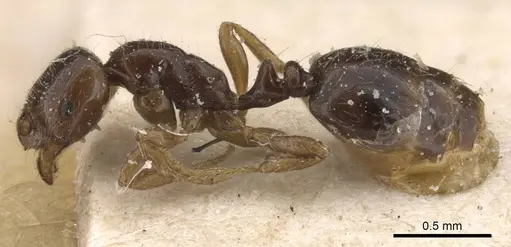
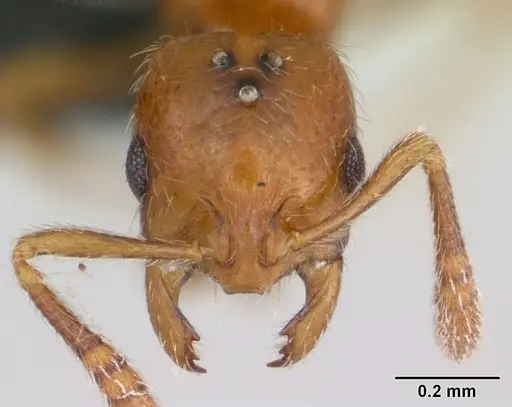
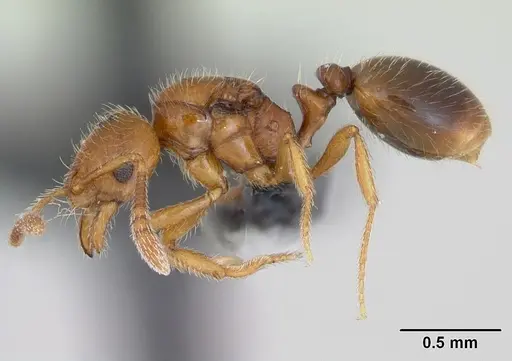
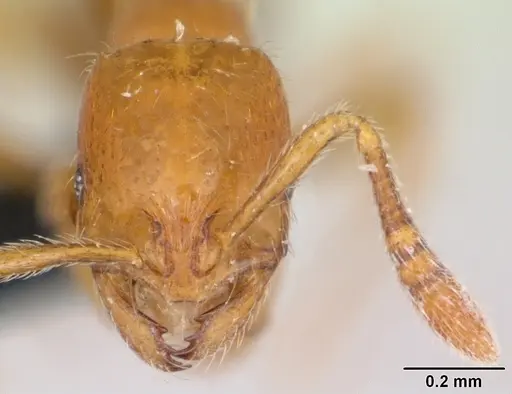
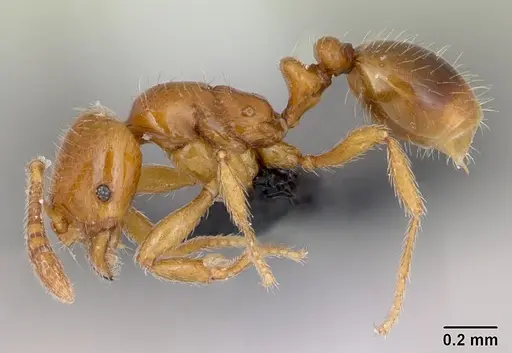
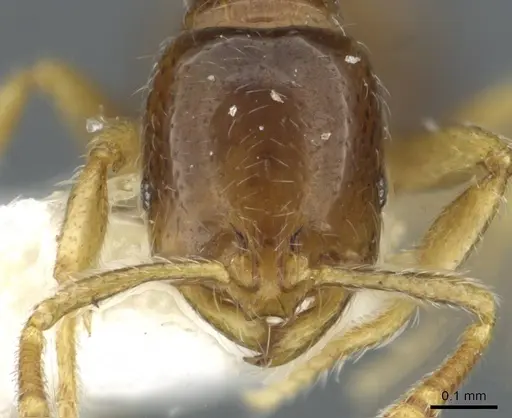
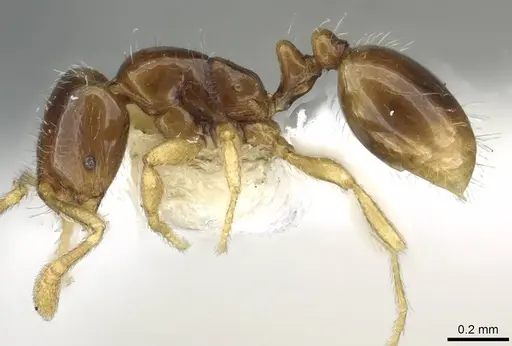
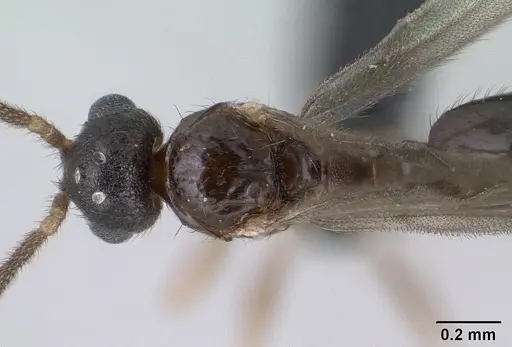
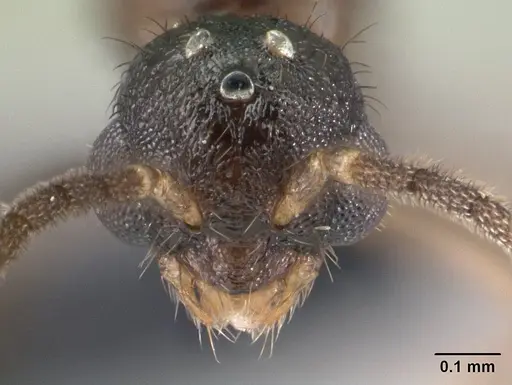
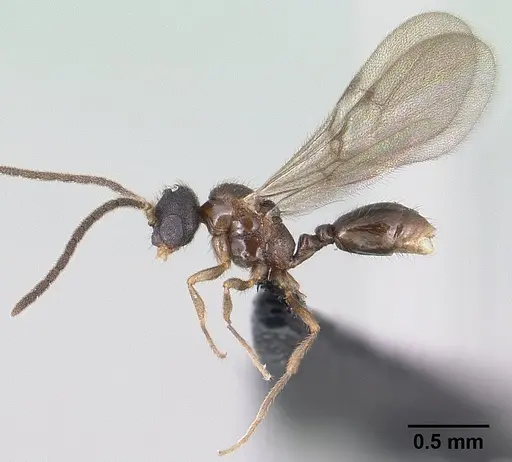
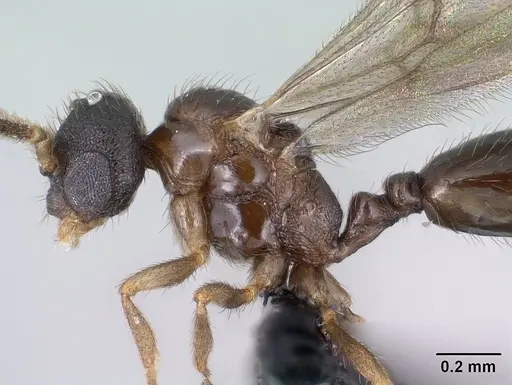
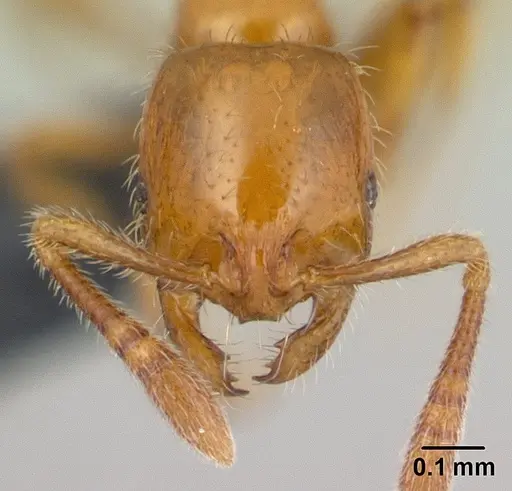
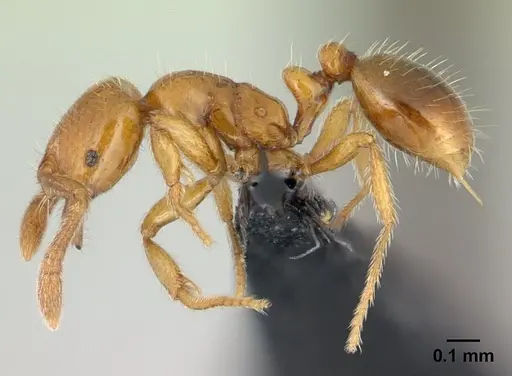
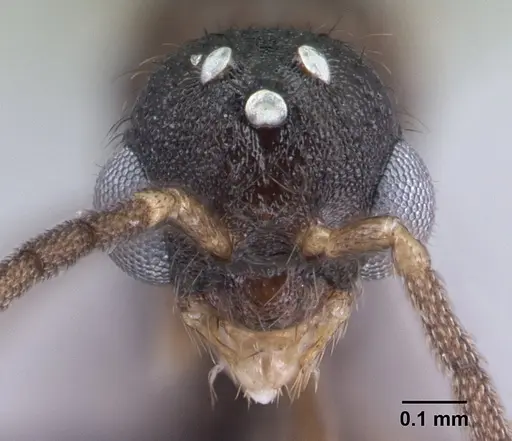
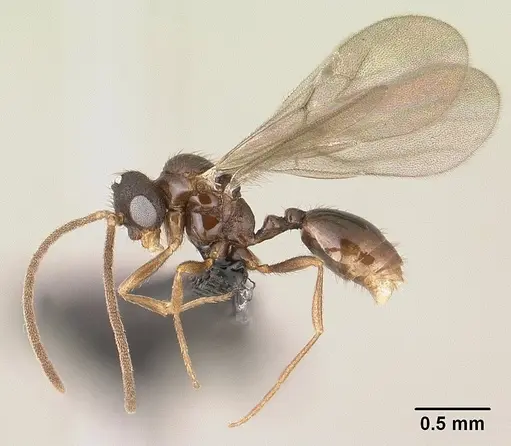
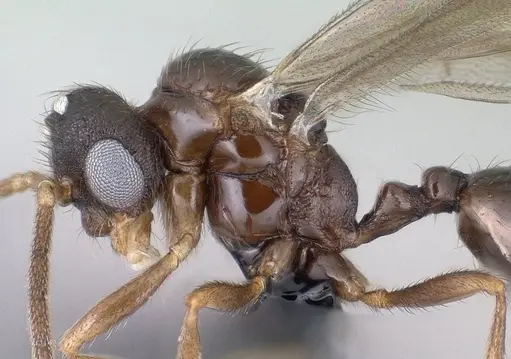
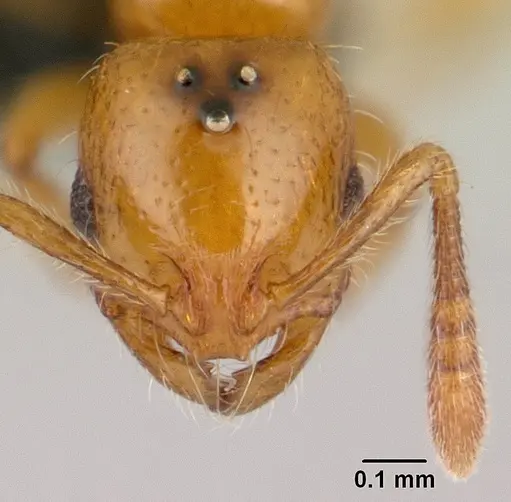
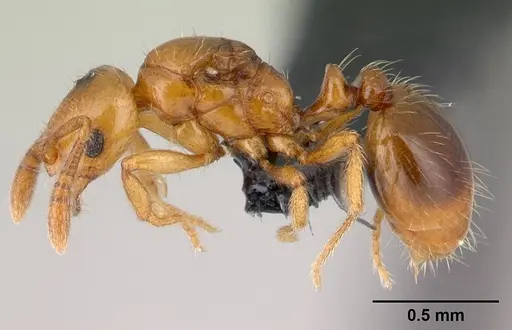
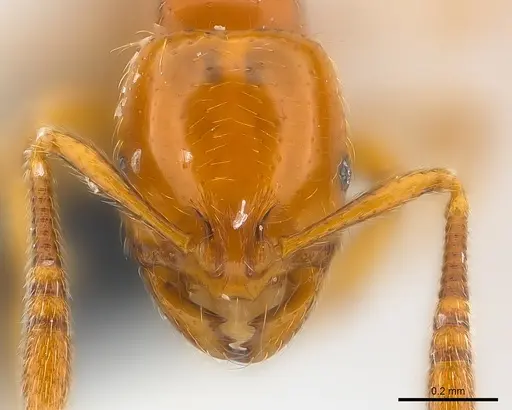
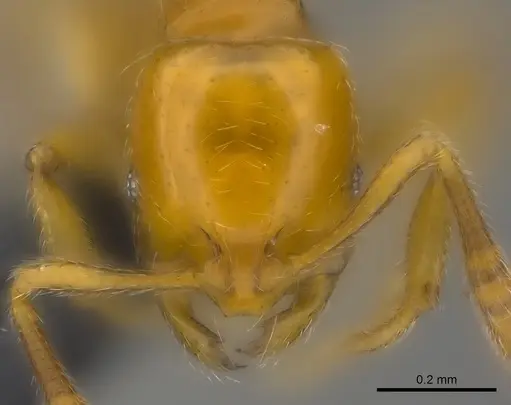
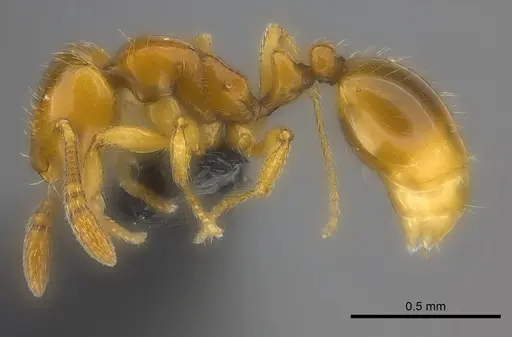
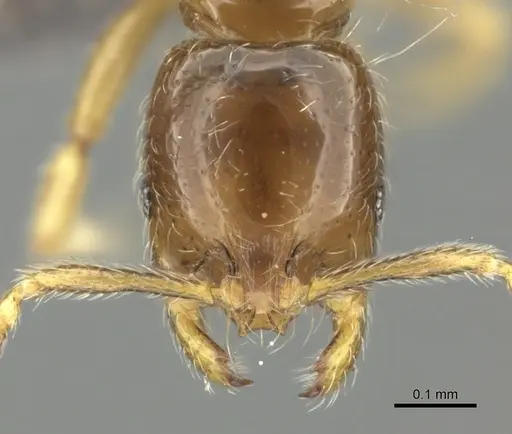
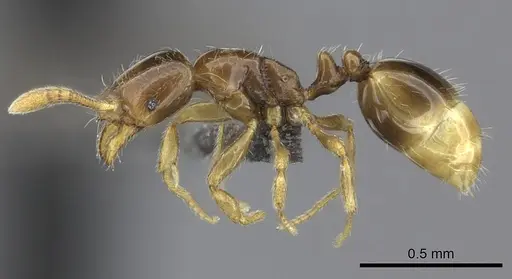
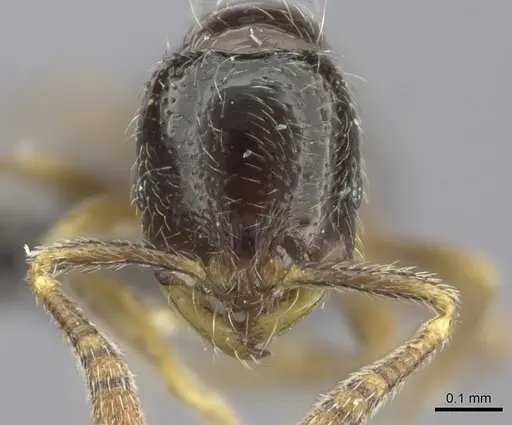
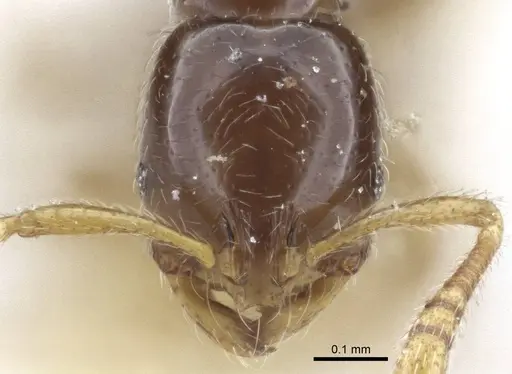
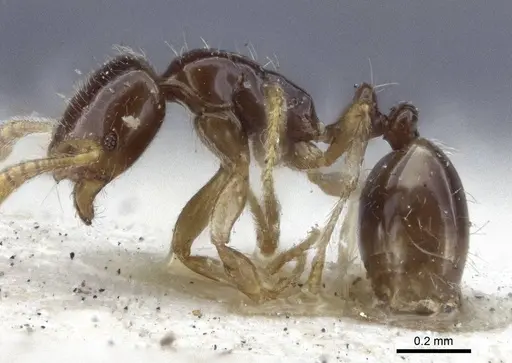
Monomorium hanneli is a tiny ant native to Madagascar and East Africa. Workers measure approximately 2.4-2.5mm in length, making them a small but visible species . The species shows notable color variation - most workers are yellow-orange to tawny orange with a distinct metanotal groove and angulate propodeum, but a pale morphotype with a more rounded mesosoma occasionally appears in the same areas . Queens are bright orange and slightly larger. This species is the only member of its species group in Madagascar, making it relatively distinctive. In the wild, they nest under stones and forage in leaf litter in rainforest environments, though they also occur in dry tropical forest and spiny forest .
Quick Summary
- Difficulty: Medium
- Origin & Habitat: Madagascar (throughout the island, most frequently near the coast) and East Africa (Kenya, Tanzania, Comoros, Rwanda). Primary habitat is rainforest, though they also occur in dry tropical forest and spiny forest [3][2][4][5].
- Colony Type: Colony structure is unconfirmed. The species has not been studied for queen number or colony founding behavior. Workers are monomorphic (all the same size) [3].
- Size & Growth:
- Queen: ~3-4mm, inferred from genus patterns
- Worker: ~2.4-2.5mm [1]
- Colony: Unknown, no colony size data available in scientific literature
- Growth: Moderate, inferred from typical Monomorium patterns
- Development: 6-8 weeks, estimated based on typical Monomorium development at tropical temperatures (No direct development data exists for this species. Estimates based on related Monomorium species at 24-28°C.)
- Antkeeping:
- Temperature: Keep at 24-28°C. As a tropical Madagascar species, they need warm conditions. A heating cable on one side of the nest creates a temperature gradient [3][2].
- Humidity: Keep moderately humid, around 60-80%. Their natural habitat is rainforest, so they prefer damp conditions. Mist occasionally and keep the nest substrate moist but not waterlogged [3][2].
- Diapause: No, as a tropical species from Madagascar, they do not require hibernation. Keep temperatures stable year-round [3][2].
- Nesting: In nature, they nest under stones and in leaf litter. In captivity, a small test tube setup or Y-tong nest works well. The tiny size of these ants means chambers and passages must be appropriately scaled, avoid large, open spaces. A naturalistic setup with moist substrate and small chambers mimics their natural nesting under stones [3][2].
- Behavior: This is a small, docile species. Workers forage in leaf litter and are not aggressive. They have a sting but their small size means the effect on humans is minimal. Escape prevention is critical, at only ~2.4mm, they can squeeze through small gaps. Use fine mesh and tight-fitting lids [3][2].
- Common Issues: escape prevention is critical, they are small and will squeeze through small gaps without fine mesh barriers, slow growth means colonies may appear stagnant, be patient and do not overfeed, wild-caught colonies may have parasites that kill them in captivity, test tubes can flood if water reservoirs are too large for such small ants, overheating is a risk, keep away from direct sunlight and monitor temperatures closely
Housing and Nest Setup
Monomorium hanneli is a tiny ant that requires appropriately scaled housing. A small test tube setup works well for founding colonies, use a test tube with a small water reservoir (not too large to avoid flooding such small ants). For established colonies, a Y-tong (AAC) nest with small chambers or a small plaster nest works well. The key is tight chambers scaled to their ~2.4mm worker size. Avoid large, open spaces in the nest. Use a small outworld for foraging. Escape prevention is critical, these ants are small and will squeeze through gaps that seem impossible. Apply fluon to all edges and use fine mesh on any ventilation. A naturalistic setup with moist soil and small chambers can also work, mimicking their natural nesting under stones [3][2].
Feeding and Diet
Like other Monomorium species, M. hanneli likely accepts a variety of foods. Offer sugar water or honey as an energy source, they will readily take these. For protein, offer small live prey appropriate to their tiny size: fruit flies, pinhead crickets, or other small insects. In nature, they forage in leaf litter where they likely catch small arthropods. Feed protein once or twice a week, and keep sugar water available at all times. Remove uneaten prey after 24-48 hours to prevent mold. Do not overfeed, excess food can mold and harm the colony [3][2].
Temperature and Seasonal Care
As a tropical species from Madagascar, Monomorium hanneli needs warm temperatures. Keep the nest at 24-28°C. A heating cable on one side of the nest creates a gradient that allows the ants to choose their preferred temperature. Monitor with a thermometer, avoid overheating. They do not require hibernation (diapause) as they come from a tropical climate. Keep temperatures stable year-round. Room temperature may be too cold in winter if your home is heated, consider using a small heater or heating mat in the winter months. Sudden temperature drops should be avoided [3][2].
Humidity and Water
Monomorium hanneli comes from rainforest habitats in Madagascar, so they prefer moderately humid conditions. Aim for 60-80% humidity in the nest area. Keep the nest substrate moist but not waterlogged. A small water tube in the test tube setup provides moisture, the cotton should be damp but not dripping. Mist the outworld occasionally. The key is consistency, avoid both drying out and excessive dampness. Good ventilation helps prevent mold while maintaining humidity. If you see condensation constantly pooling, reduce moisture. If the substrate dries quickly, increase moisture [3][2].
Colony Development and Growth
Colony growth in Monomorium hanneli is expected to be moderate, similar to other small Monomorium species. From egg to first worker (nanitic), expect approximately 6-8 weeks at optimal tropical temperatures (24-28°C). The first workers will be smaller than normal workers (nanitics) and the colony will grow gradually as more workers emerge. There is no specific data on maximum colony size for this species. Be patient, small colonies grow slowly and may appear stagnant. Do not disturb the queen unnecessarily during the founding stage. Once workers emerge, growth should gradually accelerate [3][2].
Behavior and Temperament
Monomorium hanneli is a docile, small ant species. Workers are not aggressive. They have a sting but their small size means the effect on humans is minimal. They are primarily foragers in leaf litter and likely have a generalist diet. The species is not known for any unusual behaviors like slave-making or tandem running. Their small size makes them vulnerable, they will avoid confrontation with larger ants. In the nest, they are relatively calm and not particularly active compared to some faster-moving species. They are suitable for observation but not for dramatic behavioral displays. The main behavioral concern is their small size making escape prevention critical [3][2].
Frequently Asked Questions
How long does it take for Monomorium hanneli to get their first workers?
Expect first workers (nanitics) in approximately 6-8 weeks at optimal temperatures of 24-28°C. This is an estimate based on typical Monomorium development, as no specific development data exists for this species.
What do Monomorium hanneli ants eat?
They accept sugar water or honey for energy and small live prey for protein. Feed small insects like fruit flies or pinhead crickets once or twice a week, with sugar water available constantly.
Can I keep Monomorium hanneli in a test tube?
Yes, a small test tube setup works well for founding colonies. Use a tube with a small water reservoir, avoid large reservoirs that could flood these tiny ants. Ensure tight-fitting lids and fine mesh for escape prevention.
What temperature do Monomorium hanneli need?
Keep them at 24-28°C. As a tropical Madagascar species, they need warm conditions. A heating cable on one side of the nest creates a temperature gradient.
Are Monomorium hanneli good for beginners?
They are rated as Medium difficulty. Their small size makes escape prevention critical, and their care requirements (warm, humid conditions) require attention. They are docile and interesting to observe.
Do Monomorium hanneli need hibernation?
No. As a tropical species from Madagascar, they do not require hibernation. Keep temperatures stable year-round.
Why are my Monomorium hanneli escaping?
Their small size (~2.4mm workers) means they can squeeze through small gaps. Use fine mesh, apply fluon to all edges, and check lids thoroughly. Escape prevention must be excellent.
How big do Monomorium hanneli colonies get?
The maximum colony size is unknown, no scientific data exists. Growth is moderate and gradual.
When should I move my colony to a formicarium?
Move them when the test tube becomes crowded or the colony reaches around 20-30 workers. For these small ants, a small Y-tong or plaster nest works well.
Can I keep multiple queens together?
Colony structure is unconfirmed for this species. Combining unrelated queens has not been documented and is not recommended.
What makes Monomorium hanneli different from other ants?
They are a small ant species with workers around 2.4mm. They show color variation with normal yellow-orange workers and a rarer pale morphotype. They are the only member of their species group in Madagascar.
Report an Issue
The current care sheet is based fully on literature. See inconsistencies, or something that's incorrect? Please , it will be resolved after review from an admin. Contributing to the blogs tab also helps providing information, to make us be able to further improve the caresheets. Thank you for your support!
References

This caresheet is licensed under CC BY-SA 4.0 .
Community Blogs
CASENT0010764
View on AntWeb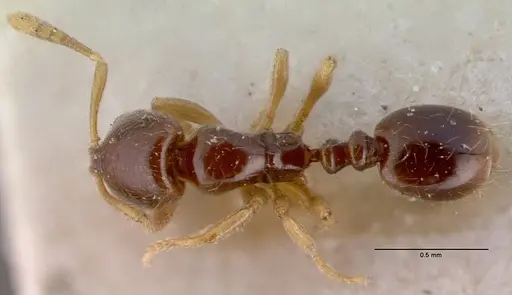
CASENT0010827
View on AntWeb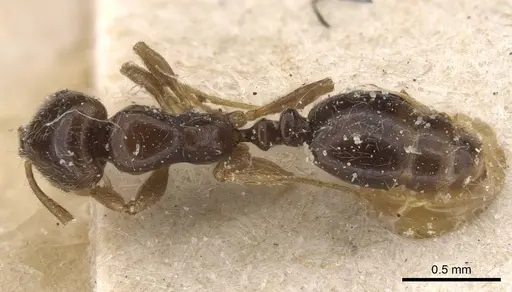
CASENT0045308
View on AntWeb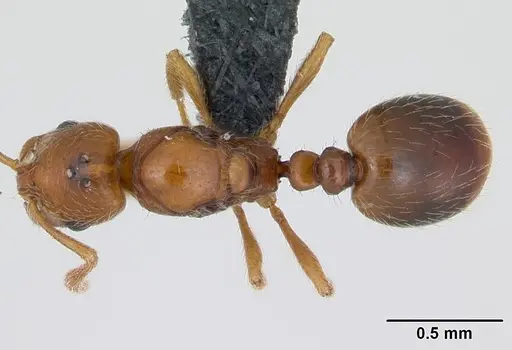
CASENT0045443
View on AntWeb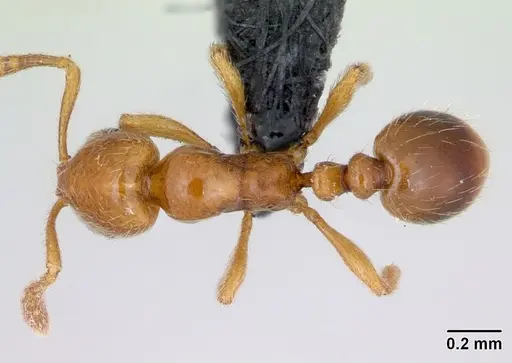
CASENT0101568
View on AntWeb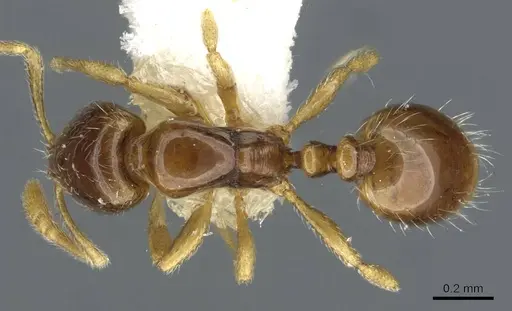
CASENT0135868
View on AntWeb
CASENT0136683
View on AntWeb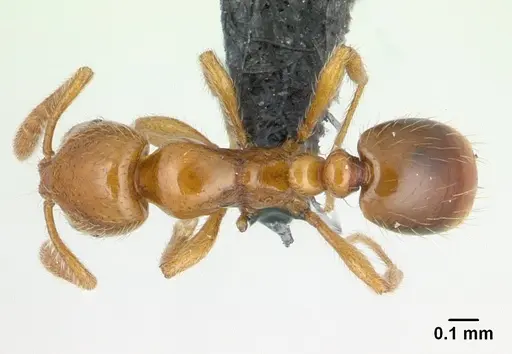
CASENT0145242
View on AntWeb
CASENT0149289
View on AntWeb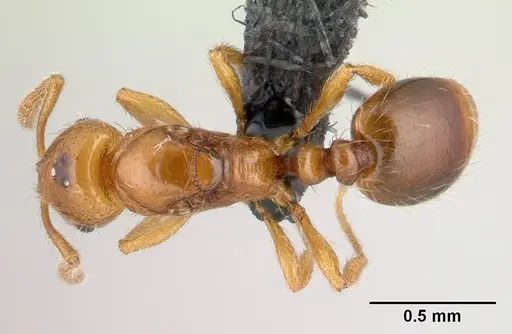
CASENT0151856
View on AntWeb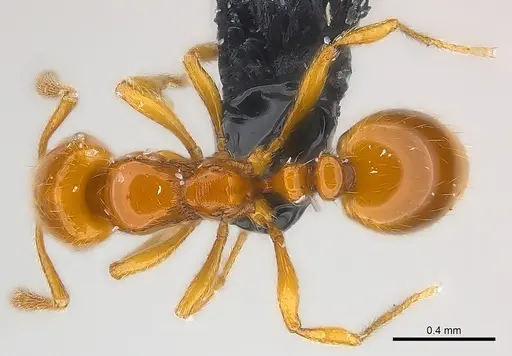
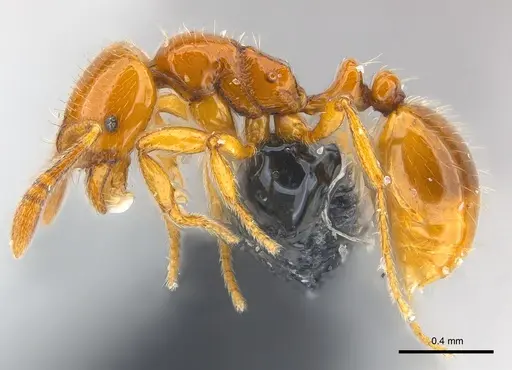
CASENT0217170
View on AntWeb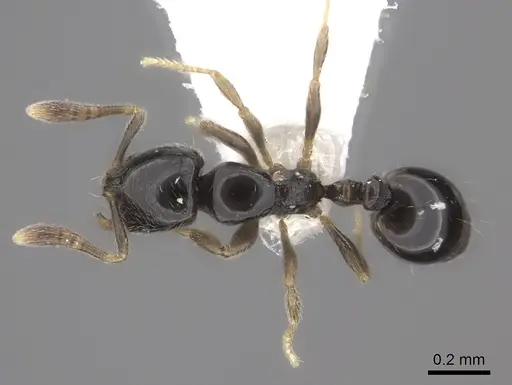
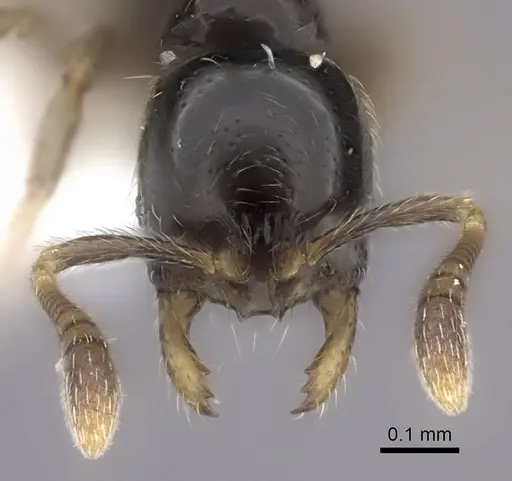
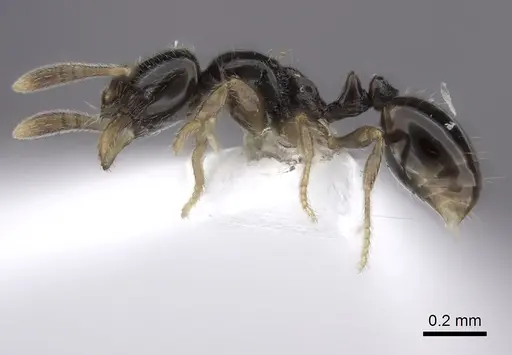
CASENT0217357
View on AntWeb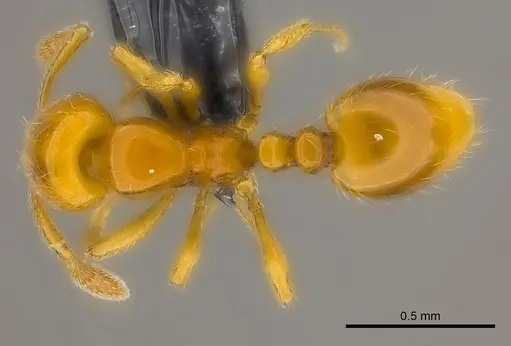
CASENT0235528
View on AntWeb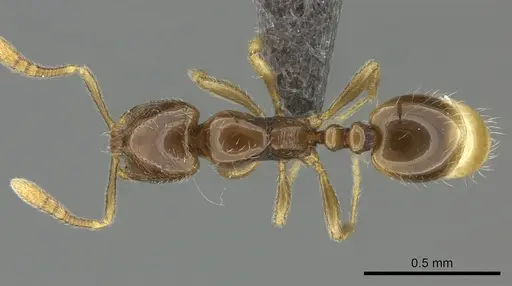
CASENT0235533
View on AntWeb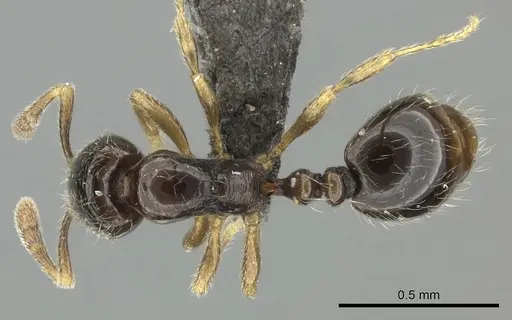
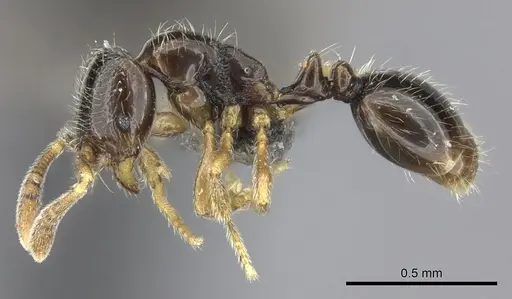
CASENT0902230
View on AntWeb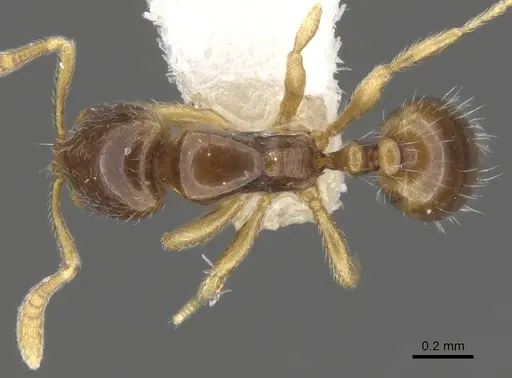
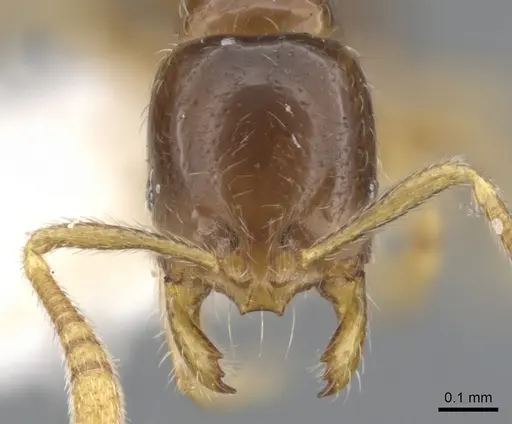
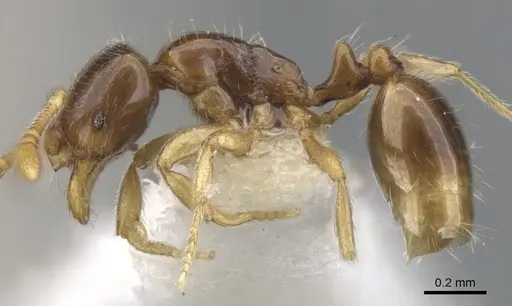
CASENT0916615
View on AntWeb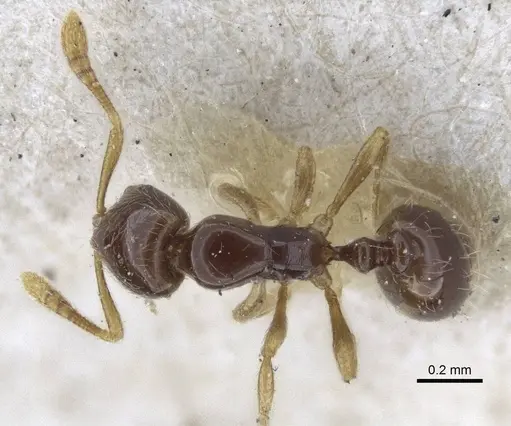
Literature
Loading distribution map...Loading products...