
Monomorium gabrielense
- Sci. Name
- Monomorium gabrielense
- Tribe
- Solenopsidini
- Subfamily
- Myrmicinae
- Author
- Forel, 1916
- Distribution
- Found in 2 countries
Introduction
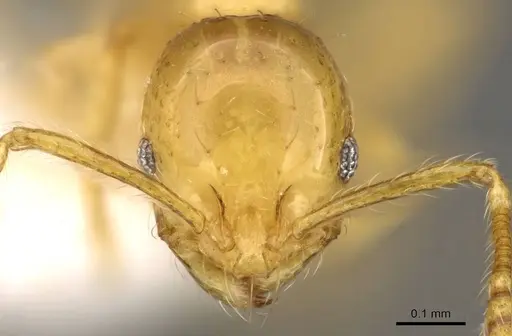
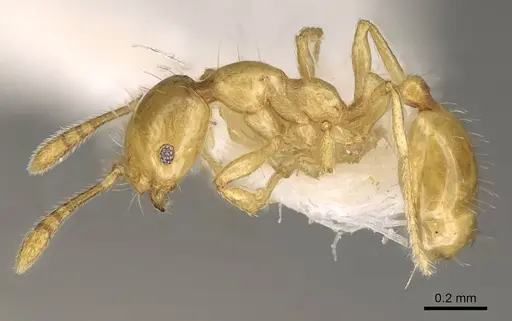
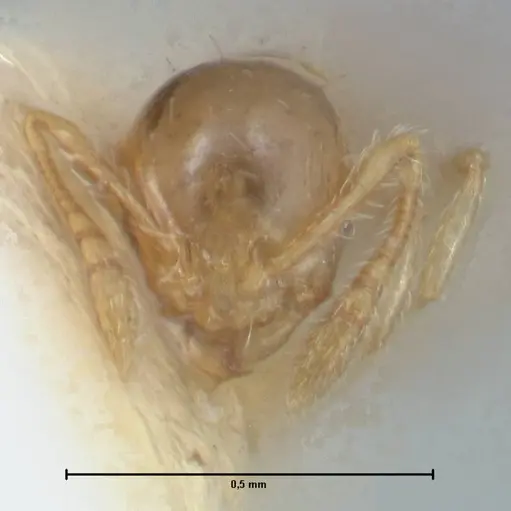
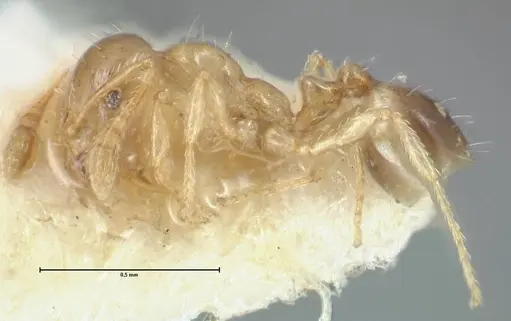
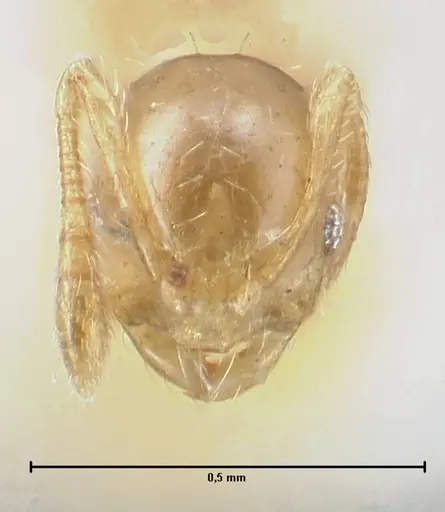
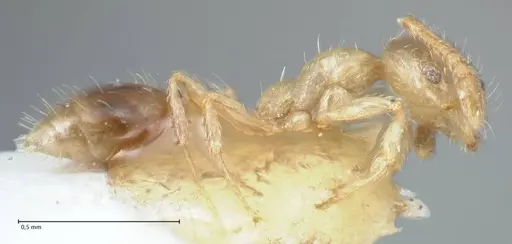
Monomorium gabrielense is a small ant species documented in the Democratic Republic of Congo in Central Africa . The genus Monomorium is known for small, smooth-bodied ants often displaying pale to reddish-brown coloration. Specific size measurements, colony structure, and behavioral data for this species are unavailable in current literature. These ants belong to the subfamily Myrmicinae and tribe Solenopsidini, meaning they possess a functional sting with potent venom composed of piperidine alkaloids for defense and prey capture.
Quick Summary
- Difficulty: Unknown, limited species-specific data available
- Origin & Habitat: Democratic Republic of Congo, Central Africa, tropical forest environments [1]
- Colony Type: Unconfirmed, no species-specific data on colony structure
- Size & Growth:
- Queen: Size data unavailable, no measurements documented for this species
- Worker: Size data unavailable, no measurements documented for this species
- Colony: Unknown, no colony size data available
- Growth: Unknown
- Development: Unknown, no species-specific development data available (Development timeline unconfirmed for this species)
- Antkeeping:
- Temperature: Keep warm, specific requirements unconfirmed but tropical origin suggests 24-28°C may be appropriate. Observe colony behavior to adjust.
- Humidity: Moderate humidity likely suitable, keep nest substrate slightly moist but not waterlogged. Provide a humidity gradient if possible.
- Diapause: Unlikely required, being a tropical African species, true diapause is probably not necessary. A slight temperature reduction in winter may be acceptable but is not required.
- Nesting: Use test tubes for founding colonies. Once established, a small Y-tong or soil-based nest with appropriately scaled chambers works well. Avoid large, open spaces.
- Behavior: These are small ants with a functional sting. While not aggressive, they will use their sting if threatened. Workers are active foragers. Due to their small size, escape prevention is critical, they can squeeze through tiny gaps. Handle with care as the sting can inject venom.
- Common Issues: escape prevention is critical due to small size, use fine mesh and tight-fitting lids, tropical species may struggle with temperatures below 22°C, keep warm year-round, limited species-specific data means care is based on genus-level inference rather than confirmed requirements, small colony size at founding makes founding colonies vulnerable to stress, minimize disturbances, this species has a functional sting, handle with care and avoid provoking the colony
Nest Preferences and Housing
Monomorium gabrielense is a ground-nesting species that in the wild would likely nest in soil or under debris in forest habitats. For captive care, start founding colonies in a simple test tube setup with a water reservoir. Once the colony reaches 50+ workers, you can move them to a small Y-tong formicarium or soil-based setup. The chambers should be appropriately scaled to the colony size, these ants do not do well in large, open spaces. A naturalistic setup with moist soil in a small container can also work well.
Feeding and Diet
Like most Monomorium species, these ants are generalist feeders. Offer small protein items such as fruit flies, small mealworms, or other tiny insects. For sugar, provide honey water or sugar water. In the wild, they likely forage for honeydew from aphids and small arthropods. Feed protein 2-3 times per week for established colonies, and keep sugar water available at all times. Remove uneaten prey after 24-48 hours to prevent mold.
Temperature and Seasonal Care
As a tropical African species, Monomorium gabrielense likely requires warm conditions year-round. Keep the nest area at approximately 24-28°C for optimal brood development if possible. A slight drop in temperature during winter months may be appropriate but is not required for true diapause. These ants are accustomed to stable tropical temperatures, so avoid cold drafts and sudden temperature fluctuations.
Defense and Temperament
This species belongs to the subfamily Myrmicinae and tribe Solenopsidini, which have a functional sting that injects potent venom composed of piperidine alkaloids. While not particularly aggressive, they will use their sting if threatened or handled roughly. Workers are active foragers that will search for food. The main concern with their small size is escape prevention, they can squeeze through gaps that would hold back larger ants. Always use fine mesh for any ventilation and ensure all connections are tight.
Frequently Asked Questions
How long does it take for Monomorium gabrielense to produce first workers?
Unknown, no species-specific development data is available. Based on typical Monomorium patterns, expect several weeks to a couple months, but this is unconfirmed for this species.
Can I keep Monomorium gabrielense in a test tube?
Yes, test tubes are suitable for founding colonies. Use a standard test tube setup with a water reservoir and cotton plug. Keep the tube in a warm, dark, and undisturbed location until workers emerge.
What temperature do Monomorium gabrielense ants need?
Specific requirements are unconfirmed, but being a tropical species, warm conditions around 24-28°C are likely appropriate. Observe your colony for signs of stress and adjust as needed.
How big do Monomorium gabrielense colonies get?
Unknown, no colony size data is available for this species.
What do Monomorium gabrielense ants eat?
They are generalist feeders. Offer small protein sources like fruit flies or tiny mealworms regularly, and keep sugar water available at all times.
Are Monomorium gabrielense good for beginners?
Care difficulty is uncertain due to limited species-specific data. Their small size requires attention to escape prevention. Their sting means they require careful handling. Not recommended for complete beginners.
When should I move my colony to a formicarium?
Move from test tube to a small nest once the colony reaches 40-60 workers. Ensure the new nest has appropriately sized chambers, too large a space can stress small colonies.
Do Monomorium gabrielense need hibernation?
Unlikely, being a tropical African species, true hibernation is probably not required. A slight temperature reduction in winter may be acceptable but is not necessary.
Why are my Monomorium gabrielense escaping?
Their small size makes them excellent escape artists. Use fine mesh, ensure all lids fit tightly, and check all connection points. Even tiny gaps that would hold larger ants may not contain these workers.
Report an Issue
The current care sheet is based fully on literature. See inconsistencies, or something that's incorrect? Please , it will be resolved after review from an admin. Contributing to the blogs tab also helps providing information, to make us be able to further improve the caresheets. Thank you for your support!
References

This caresheet is licensed under CC BY-SA 4.0 .
Community Blogs
CASENT0815669
View on AntWeb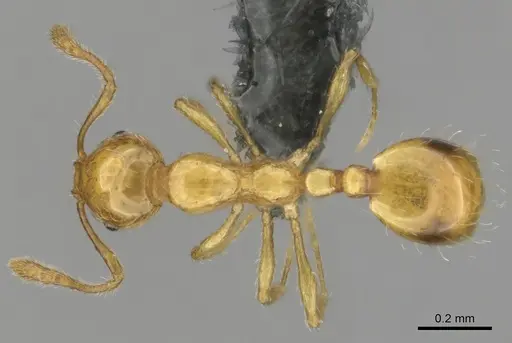
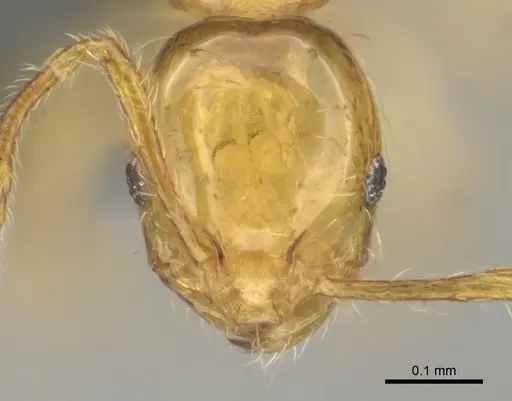
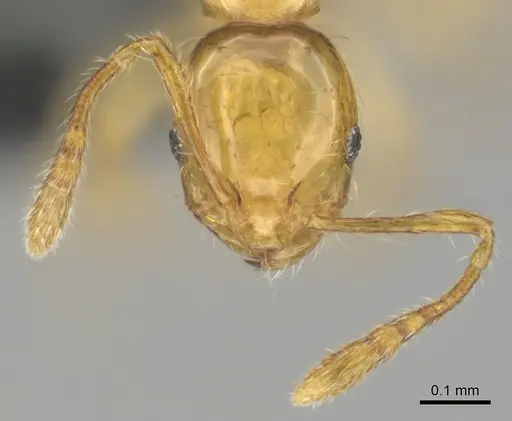
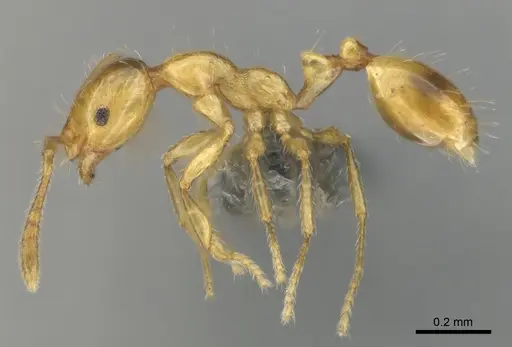
CASENT0908715
View on AntWeb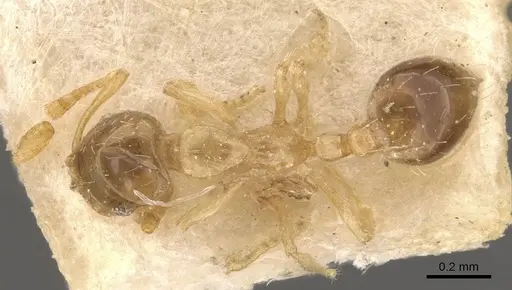
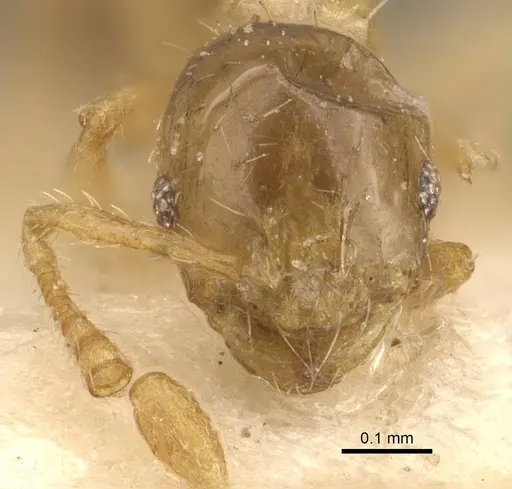
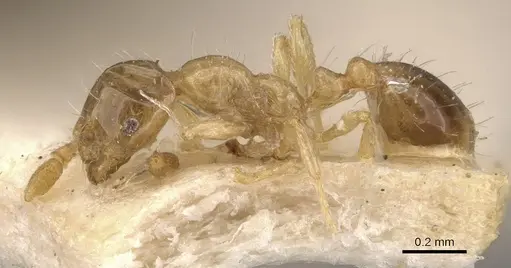
CASENT0914331
View on AntWeb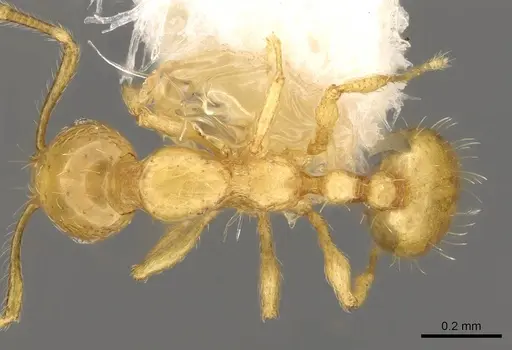
FOCOL1700
View on AntWeb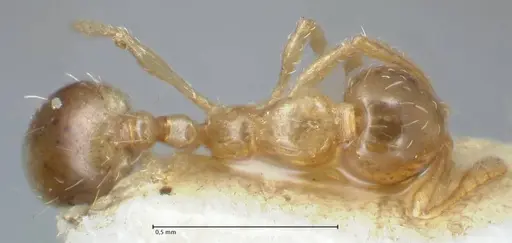
FOCOL1701
View on AntWeb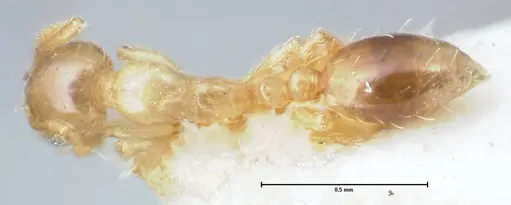
Literature
Loading distribution map...Loading products...