
Frida's Pharaoh Ant
Monomorium fridae
- Sci. Name
- Monomorium fridae
- Tribe
- Solenopsidini
- Subfamily
- Myrmicinae
- Author
- Forel, 1905
- Common Name
- Frida's Pharaoh Ant
- Distribution
- Found in 2 countries
Introduction
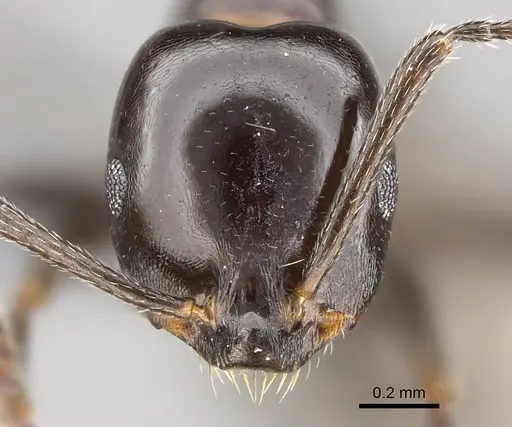
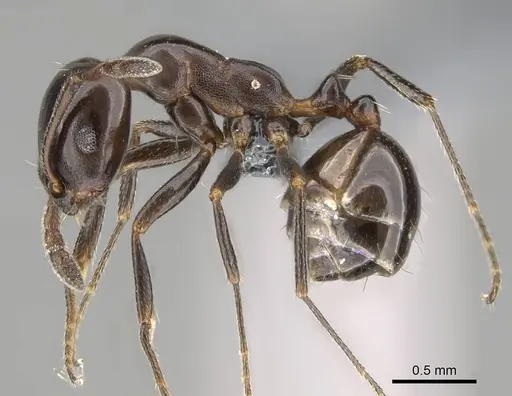
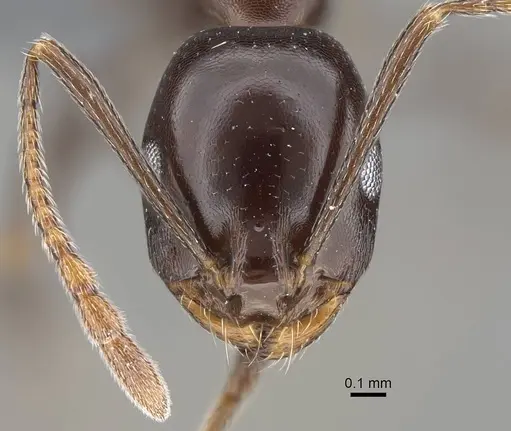
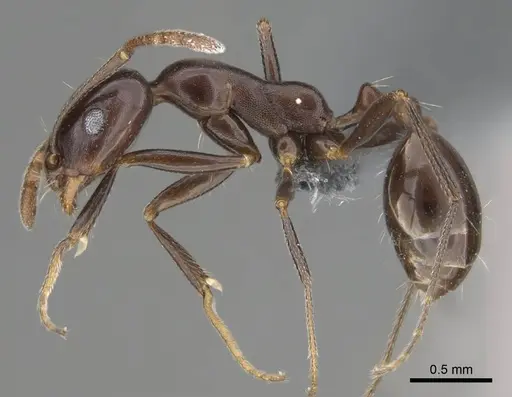
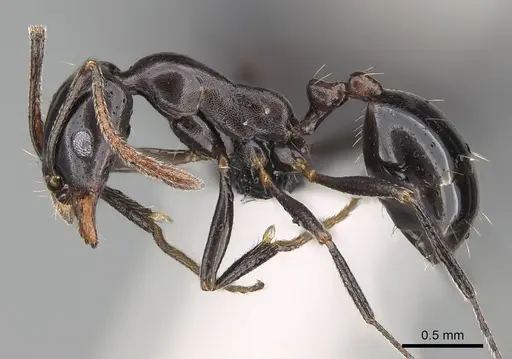
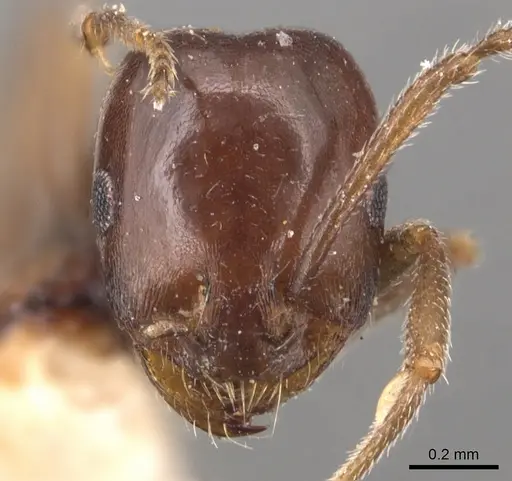
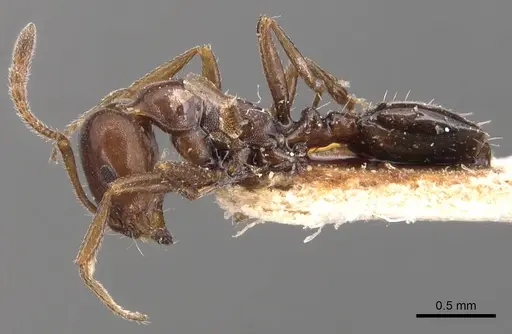
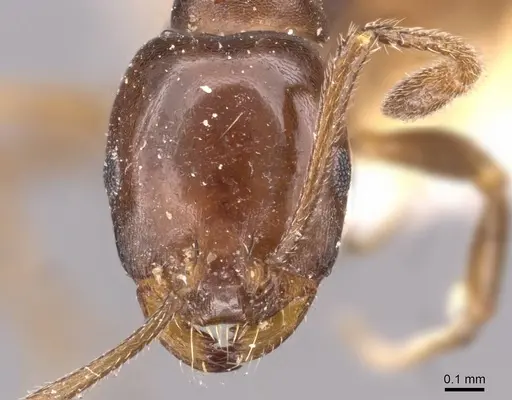
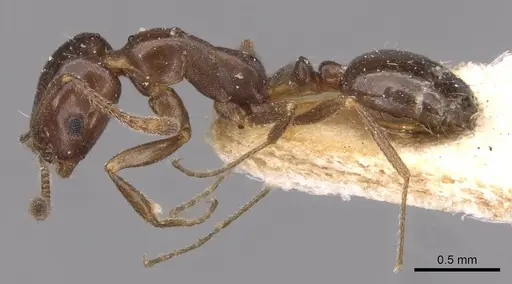
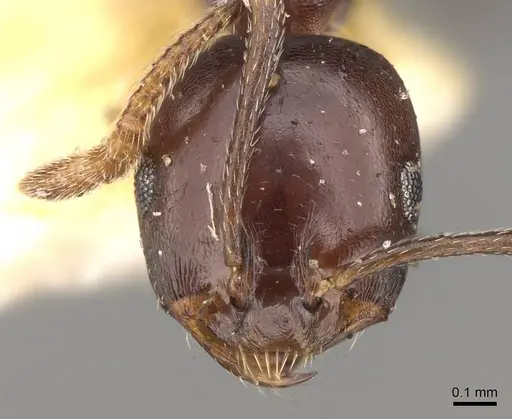
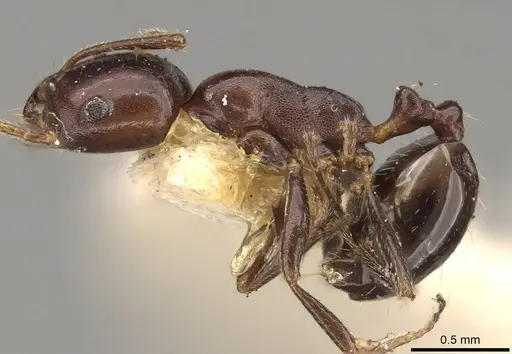
Monomorium fridae is a small brown ant species native to the Cape Floristic Region of South Africa. Workers measure approximately 3mm and belong to the Monomorium salomonis species group, specifically the tchelichofi complex. The head is notably convex with eyes positioned at the widest point, and the body is uniformly brown in color. This species is one of the most abundant ants in the northern Cape region, found across multiple fynbos habitat types from coastal Strandveld to Alpine Fynbos at elevations up to 900 meters . What makes this species particularly interesting is its documented role as an ant associate for the butterfly Aloeides apicalis. The ants tend butterfly larvae in underground corrals just below the soil surface, typically found a meter or more from the ant nest itself. This mutualistic relationship has been confirmed in multiple observations, with ants attending both larvae and pupae of this butterfly .
Quick Summary
- Difficulty: Unknown, too little studied to rate
- Origin & Habitat: South Africa, Cape Floristic Region. Found in multiple fynbos types including Strandveld, Restioid Fynbos, Proteoid Fynbos, Ericaceous Fynbos, and Alpine Fynbos at altitudes up to 900m [1].
- Colony Type: Colony structure is unconfirmed. Based on genus patterns, likely single-queen colonies, but this has not been directly studied.
- Size & Growth:
- Queen: ~6-8mm, inferred from Monomorium genus patterns
- Worker: ~3mm [4]
- Colony: Unknown, one of the most abundant ant species in its range but colony size has not been studied [1]
- Growth: Unknown
- Development: Several weeks at warm temperatures, exact duration unconfirmed (No direct development data exists for this species.)
- Antkeeping:
- Temperature: Based on fynbos habitat (Mediterranean climate with hot dry summers and cool wet winters), aim for roughly 20-26°C with room temperature being appropriate for most keepers. Avoid extreme heat.
- Humidity: Fynbos habitats range from semi-arid coastal to moist alpine areas. Provide moderate humidity with a gradient, some dry areas and a moist section. Avoid both waterlogging and complete drying.
- Diapause: Likely, South African temperate ants typically require a winter rest period. Provide 2-3 months at 10-15°C during winter.
- Nesting: In nature they nest in soil under stones in fynbos habitat. A naturalistic setup with soil substrate and flat stones for cover works well, or a Y-tong/plaster nest with moderate moisture. Avoid overly humid conditions.
- Behavior: This is a small, non-aggressive species. Workers forage individually and are not known to be particularly defensive. They form mutualistic associations with lycaenid butterflies, attending their larvae, this indicates a tolerant, non-predatory temperament. Escape risk is moderate due to their small size, standard barrier methods should suffice.
- Common Issues: limited data means care recommendations are largely inferred from genus patterns rather than species-specific research, the specific dietary needs of this species are unknown, start with standard ant foods and observe acceptance, winter diapause requirements are estimated rather than confirmed, wild colonies may carry parasites or pathogens from their native habitat, quarantine and observe new colonies carefully
Natural History and Distribution
Monomorium fridae is endemic to the Cape Floristic Region of South Africa, one of the world's biodiversity hotspots. This species has been recorded across multiple fynbos habitat types, from coastal Strandveld through various fynbos subtypes to Ericaceous and Alpine Fynbos at higher elevations. It is one of the most abundant ant species in the northern Cape region, with studies recording nearly 46,000 individuals across two sampling periods [1]. The species shows strong preference for lower altitudes on the western slope of the region [1].
The type locality is Willowmore in Cape Colony, with specimens collected by H. Brauns. The species was originally described as a subspecies of Monomorium medinae but was later elevated to full species status, noting it is closely related to M. tchelichofi and may potentially be the same species [4].
Relationship with Butterflies
One of the most interesting aspects of this species is its documented association with lycaenid butterflies, specifically Aloeides apicalis. This butterfly is an obligate ant associate, meaning its larvae require ant attendance for survival. Studies have documented ants tending butterfly larvae in underground structures called corrals, chambers just below the soil surface where larvae feed on host plants while being attended by ants [3].
In observations at Koringsberg near Moorreesburg, A. apicalis caterpillars were found under flat stones in corrals beneath the plant Aspalathus spinosa, with the ant nest located several meters away. The ants attend the caterpillars with workers typically present [3]. Additionally, pupae were found in sand beneath Roepera teretifolia and were being tended by M. fridae workers from a nest several meters away, these pupae successfully eclosed into adult butterflies [2].
This relationship suggests this species has a relatively tolerant temperament and is not aggressive toward other species, making them suitable for observation of interesting ant-butterfly mutualisms if you can obtain both species legally.
Housing and Nesting
Based on field observations of their association with lycaenid butterflies, this species appears to nest in soil under stones in fynbos habitats. A naturalistic setup with a soil substrate and flat stones on top for cover would best replicate their natural conditions. The stones provide a cool, shaded surface that these ants prefer.
For captive care, you could also use a Y-tong or plaster nest with moderate humidity. The key is providing a moisture gradient, a section that stays moderately moist and a drier area. This matches their fynbos origins where conditions range from semi-arid to seasonally moist. Avoid overly wet or waterlogged conditions, as this would not match their natural habitat.
Given their small size, ensure any setup has appropriately sized chambers and passages. Escape prevention should be standard, these are not particularly good climbers but small ants can slip through gaps. [4]
Feeding and Diet
The specific dietary requirements of this species have not been documented in scientific literature. As a member of the Myrmicinae tribe Solenopsidini, related species in the genus Monomorium are typically omnivorous, feeding on small insects, honeydew, and various carbohydrate sources.
For captive care, start with standard ant foods: a sugar source and protein sources. Given their small worker size, prey items should be appropriately sized. Observe your colony's preferences and adjust accordingly. The fact that they attend lycaenid butterfly larvae suggests they are tolerant and not aggressive predators, but they likely still require protein for brood development.
Temperature and Seasonal Care
This species originates from the Cape Floristic Region, which has a Mediterranean climate, hot, dry summers and cool, wet winters. This suggests they are adapted to seasonal temperature variations and likely require a winter rest period.
For temperature, aim for roughly 20-26°C during the active season. Room temperature is likely appropriate for most of the year. During winter, provide a cooler period at 10-15°C for 2-3 months to simulate their natural seasonal cycle.
The fynbos region experiences significant altitude variation, so the ants likely tolerate a range of conditions. However, avoid extreme temperatures, both very hot and very cold conditions should be avoided.
Difficulty and Keeper Experience
This species cannot be rated for difficulty because there is virtually no captive care literature or keeper experience documented. The species is known primarily from scientific field studies, and its antkeeping requirements have not been established through husbandry experience.
If you obtain this species, you will essentially be pioneering its captive care. Document your observations carefully, what foods they accept, their temperature preferences, colony growth rates, and behavior. Any successful husbandry information would be valuable for future keepers of this species.
The best approach is to start with conditions matching their fynbos habitat and adjust based on colony response. Their association with lycaenid butterflies suggests they are tolerant and not highly aggressive, which may make them manageable for careful observation.
Frequently Asked Questions
How long does it take for Monomorium fridae to produce first workers?
This has not been documented. Based on typical Monomorium development patterns, expect several weeks from egg to worker at warm temperatures. However, this is an estimate, actual development time for this species is unconfirmed.
What do Monomorium fridae ants eat?
Specific dietary preferences are unconfirmed. Start with standard ant foods: sugar water or honey water as a carbohydrate source, and small protein sources like fruit flies or other appropriately sized insects. Adjust based on what your colony accepts.
Do Monomorium fridae ants need hibernation?
This is likely yes based on their South African temperate origin, but not confirmed. Provide a cooler period for 2-3 months during winter. This matches the seasonal conditions in their native fynbos habitat.
Are Monomorium fridae good for beginners?
This species cannot be recommended for beginners due to lack of documented care information. There are no established husbandry guidelines, and keepers would be pioneering captive care for this species. More common species with established care sheets are recommended for beginners.
How big do Monomorium fridae colonies get?
Colony size is unconfirmed. As one of the most abundant ant species in their range, they likely form colonies of hundreds of workers. The exact maximum colony size has not been studied.
Can I keep multiple Monomorium fridae queens together?
This has not been studied. The colony structure is unconfirmed for this species. Without documented evidence, combining unrelated queens is not recommended.
What is the best nest type for Monomorium fridae?
Based on their natural nesting under stones in fynbos habitat, a naturalistic setup with soil substrate and flat stones on top works well. Alternatively, a Y-tong or plaster nest with moderate humidity and appropriately sized chambers for their small workers is suitable.
Where is Monomorium fridae found?
This species is endemic to the Cape Floristic Region of South Africa, specifically the northern Cape area. It is found in multiple fynbos habitat types from coastal Strandveld to Alpine Fynbos at altitudes up to 900 meters.
Why are Monomorium fridae important?
This species is a documented ant associate for the butterfly Aloeides apicalis. This mutualistic relationship makes them ecologically significant. They are also one of the most abundant ant species in their native range, playing an important role in the fynbos ecosystem.
Report an Issue
The current care sheet is based fully on literature. See inconsistencies, or something that's incorrect? Please , it will be resolved after review from an admin. Contributing to the blogs tab also helps providing information, to make us be able to further improve the caresheets. Thank you for your support!
References

This caresheet is licensed under CC BY-SA 4.0 .
Community Blogs
CASENT0780390
View on AntWeb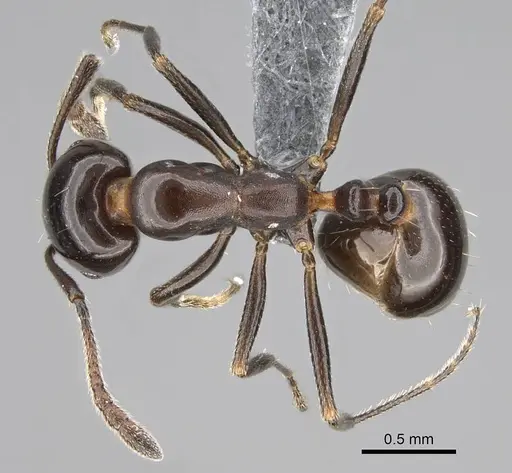
CASENT0787968
View on AntWeb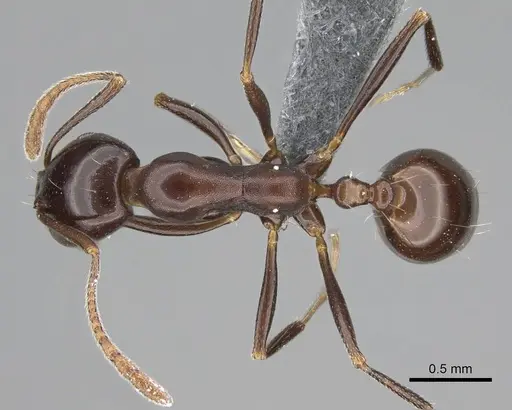
CASENT0822238
View on AntWeb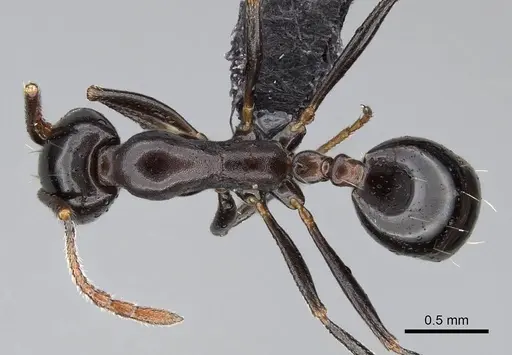
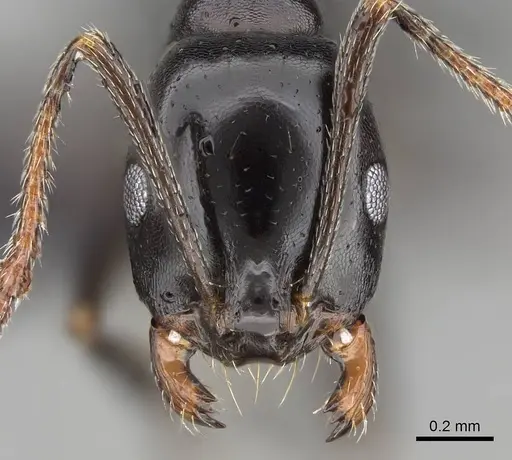
CASENT0904605
View on AntWeb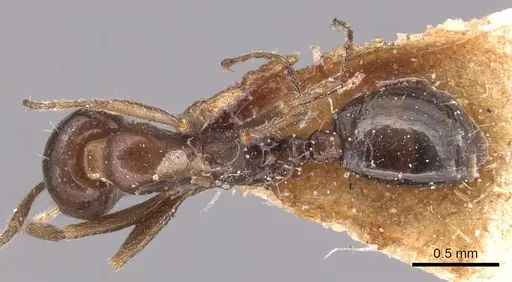
CASENT0908732
View on AntWeb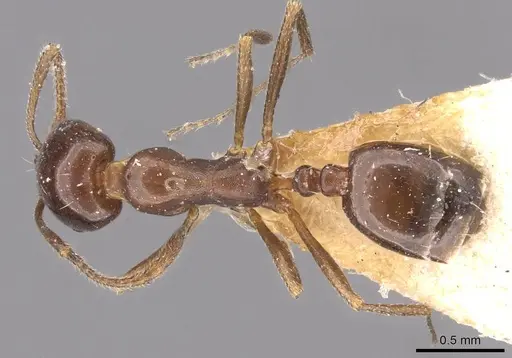
CASENT0914162
View on AntWeb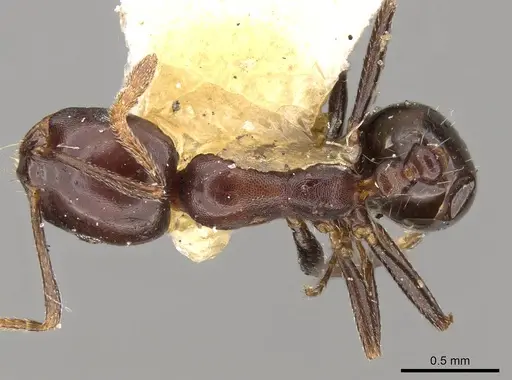
Literature
Loading distribution map...Loading products...