
Monomorium emarginatum
- Sci. Name
- Monomorium emarginatum
- Tribe
- Solenopsidini
- Subfamily
- Myrmicinae
- Author
- DuBois, 1986
- Distribution
- Found in 2 countries
Introduction
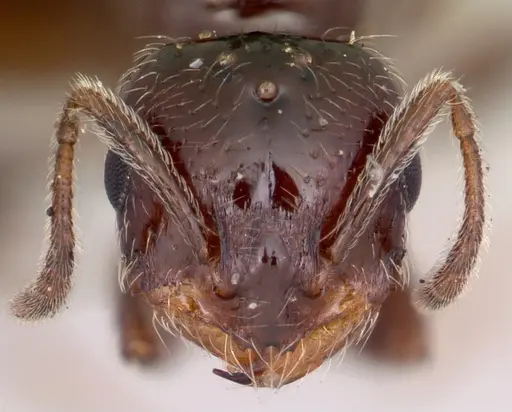
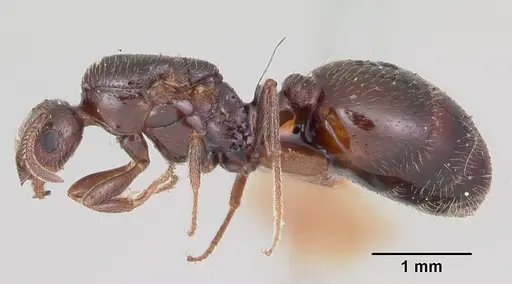
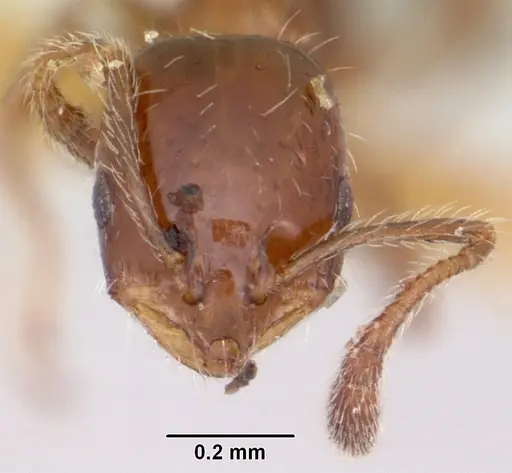
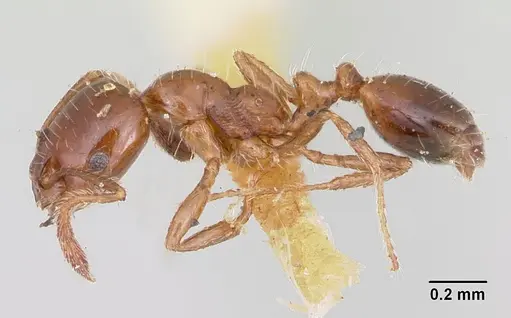
Monomorium emarginatum is a tiny brownish-black ant native to the northeastern United States. Workers measure approximately 2-3mm in total length, making them one of the smaller ant species you might encounter . They belong to the Monomorium carbonarium species group and can be identified by their smooth, shiny body and the 4-6 erect setae projecting above the dorsal outline of their alitrunk . Queens are larger at approximately 5mm total length and are winged (alate), with a distinctive furrow on the mesonotum that gives them their species name 'emarginatum' . These ants prefer nesting in sandy or gravelly soil where they create tiny crater-shaped tumuli at the nest entrance . They are found in open areas and fields across the northeastern US, from New York south to Florida and west to Michigan, Illinois, Missouri, and Texas . This species is the only Monomorium species confirmed in the northeastern United States, though workers can be confused with the similar M. carbonarium .
Quick Summary
- Difficulty: Easy
- Origin & Habitat: Northeastern United States, found in open areas, fields, and sandy or gravelly soil habitats [1][2]
- Colony Type: Colony structure is unconfirmed, only winged queens have been observed, with no documented queen number
- Size & Growth:
- Queen: Approximately 5mm total length, inferred from head measurements [2]
- Worker: 2-3mm total length [1]
- Colony: Unknown maximum, no specific data available
- Growth: Unknown, no specific development studies exist for this species
- Development: Unconfirmed, no specific data available (Development time is unknown for this species)
- Antkeeping:
- Temperature: Keep at room temperature, roughly 20-24°C. These are temperate ants that do well in typical indoor conditions.
- Humidity: Moderate, they prefer drier conditions than many ants. Allow the nest substrate to dry partially between waterings. Avoid constant saturation.
- Diapause: Yes, these temperate ants need a winter rest period. Reduce temperature to 10-15°C for 2-3 months during winter.
- Nesting: Y-tong (AAC) nests work well for their small size. They also do well in naturalistic setups with sandy substrate. Avoid overly humid conditions.
- Behavior: Workers are small and dark brown to black. They are not aggressive and rarely sting. Their tiny size means they can escape through very small gaps, excellent escape prevention is essential. They are ground-nesting and prefer to forage in open areas.
- Common Issues: escape prevention is critical due to their very small size, use fine mesh and tight-fitting lids, colonies may be slow to establish, patience is needed during founding, they prefer drier conditions, overwatering can kill colonies, winter diapause is required, skipping hibernation can weaken colonies, small size makes them vulnerable to drowning in water reservoirs, use appropriate setup
Housing and Nest Setup
Monomorium emarginatum is a tiny ant that needs appropriately scaled housing. Y-tong (AAC) nests work well because they allow you to control humidity precisely. Given their preference for drier conditions, avoid setups that retain moisture. Test tube setups can work for founding colonies but monitor for mold. Because of their very small size, escape prevention must be excellent, use fine mesh barriers and ensure all openings are sealed. A naturalistic setup with a sandy substrate can mimic their natural habitat and may encourage more natural behavior. [2]
Feeding and Diet
Like other Monomorium species, these ants are omnivorous. They consume honeydew from aphids and small insects in the wild [1]. In captivity, offer sugar water or honey regularly, along with small protein sources like fruit flies, pinhead crickets, or other tiny arthropods. Because of their small size, prey items should be appropriately sized, anything too large will be ignored. Feed protein once or twice weekly, and keep sugar water available at all times. Remove uneaten prey after 24 hours to prevent mold.
Temperature and Seasonal Care
These temperate ants do well at standard room temperature, roughly 20-24°C. No special heating is typically required unless your home is particularly cool. During the winter months, they require a diapause (hibernation) period. Reduce temperatures to 10-15°C for 2-3 months, typically from late fall through early spring. You can accomplish this by moving the colony to a cooler location like an unheated garage or basement. Do not feed during diapause but keep a small water source available. Skipping hibernation can weaken colonies over time. [2]
Colony Structure and Growth
Monomorium emarginatum colony structure is not well documented. Only winged queens have been observed in the species, with no documented colony queen number [3]. Growth rate is unknown as no specific development studies exist for this species. Founding colonies will grow slowly at first. Be patient during the founding phase as these small ants take time to establish. Colony size is not documented in scientific literature.
Behavior and Temperament
These are calm, non-aggressive ants that are unlikely to sting. Workers are small and dark, actively foraging in the outworld for food. Their tiny size means they are excellent escape artists, even small gaps in your setup will allow them to escape. Always use fine mesh and check all connections regularly. They are ground-nesting ants that prefer to forage on surfaces rather than climb extensively. Colonies are not territorial or aggressive toward humans, making them suitable for observation. [1][2]
Frequently Asked Questions
How long does it take for Monomorium emarginatum to produce first workers?
Development time is unconfirmed, no specific studies exist for this species. Expect several months for founding colonies to establish.
Can I keep multiple queens together in one colony?
Queen number is not documented for this species. Only winged queens have been observed, with no documented colony structure data.
What temperature do they need?
Room temperature of 20-24°C is ideal. No heating is typically needed unless your home is below 18°C. They also require winter diapause at 10-15°C.
Are they good for beginners?
Yes, they are relatively easy to care for and don't require special equipment. The main challenges are their tiny size (requiring excellent escape prevention) and their need for winter hibernation.
How big do colonies get?
Colony size is not documented in scientific literature for this species.
What do they eat?
Offer sugar water or honey for carbohydrates, and small protein sources like fruit flies, pinhead crickets, or other tiny insects. Feed protein 1-2 times per week with sugar water always available.
Do they need hibernation?
Yes, as a temperate species, they require a winter diapause period of 2-3 months at cooler temperatures (10-15°C) to remain healthy.
Why are my ants escaping?
Their very small size allows them to squeeze through tiny gaps. Use fine mesh barriers, seal all openings, and check connections regularly. Escape prevention is essential.
When should I move them to a formicarium?
Wait until the colony has at least 20-30 workers before moving from a test tube setup. They do well in Y-tong nests or naturalistic setups with sandy substrate.
Report an Issue
The current care sheet is based fully on literature. See inconsistencies, or something that's incorrect? Please , it will be resolved after review from an admin. Contributing to the blogs tab also helps providing information, to make us be able to further improve the caresheets. Thank you for your support!
References

This caresheet is licensed under CC BY-SA 4.0 .
Community Blogs
CASENT0103535
View on AntWeb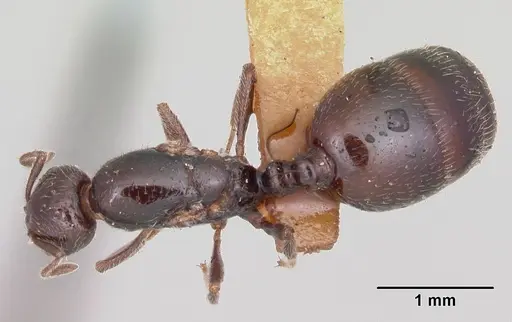
CASENT0103536
View on AntWeb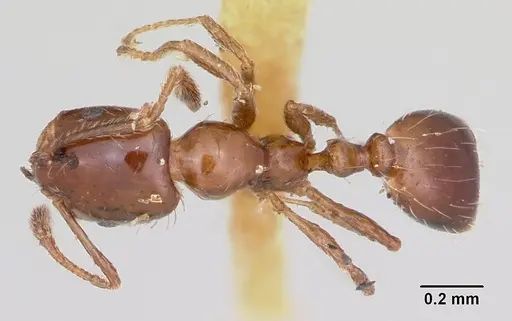
Literature
Loading distribution map...Loading products...