
Monomorium dolatu
- Sci. Name
- Monomorium dolatu
- Tribe
- Solenopsidini
- Subfamily
- Myrmicinae
- Author
- Bolton, 1987
- Distribution
- Found in 3 countries
Introduction
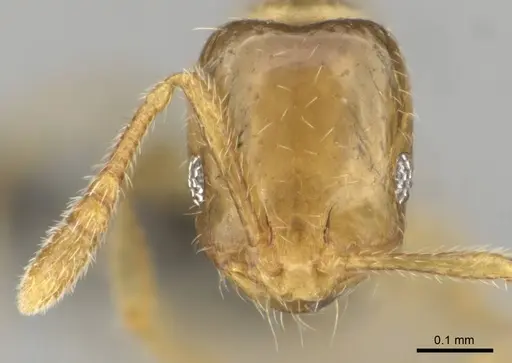
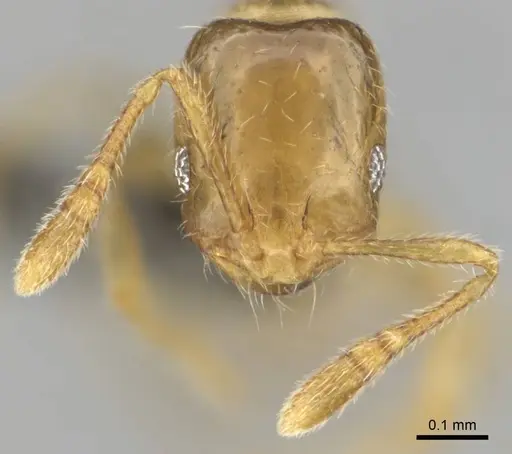
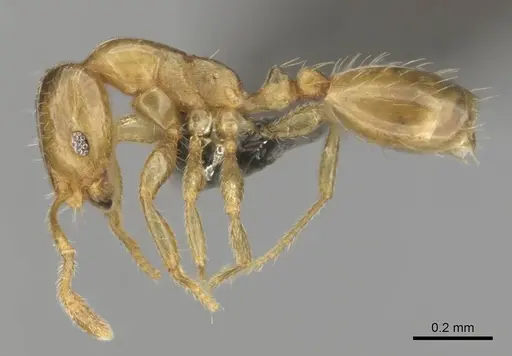
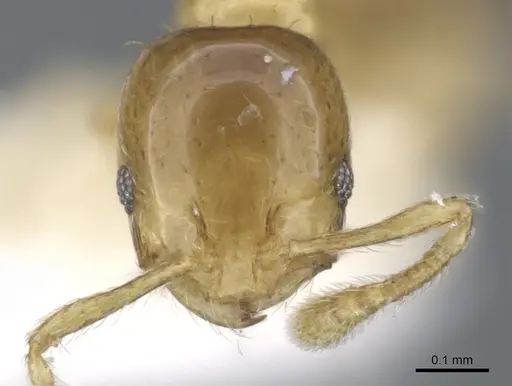
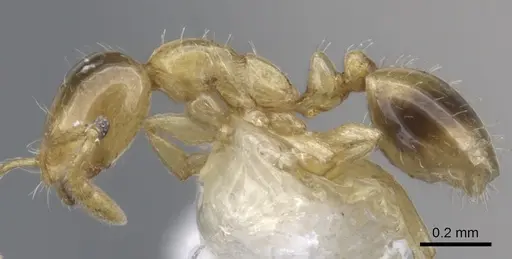
Monomorium dolatu is a tiny yellow ant species native to West Africa, measuring approximately 1.5mm in worker length. It belongs to the Monomorium monomorium species group and is the only known Afrotropical Monomorium species with 11-segmented antennae, making it quite distinctive. Workers have a yellow body with a broad brown band across the first gastral tergite. This species was described by Bolton in 1987 and is found across Cameroon, Ghana, and Ivory Coast . What makes this species unusual is its arboreal lifestyle - unlike many ground-nesting Monomorium, these ants have been collected primarily from trees and shrubs using arboreal sampling methods like beating and pitfall traps in forest-savanna mosaic areas .
Quick Summary
- Difficulty: Medium
- Origin & Habitat: West Africa (Cameroon, Ghana, Ivory Coast) in Sclerocarya-Bolusanthus Open Woodland and forest-savanna mosaic habitats. This species is arboreal, living in trees and shrubs rather than on the ground [2][1].
- Colony Type: Colony structure is unconfirmed. No specific data on queen number or colony organization exists for this species.
- Size & Growth:
- Antkeeping:
- Temperature: Keep warm at 24-28°C, these are West African ants that prefer tropical conditions.
- Humidity: Moderate humidity around 60-70%. As an arboreal species, they prefer slightly drier conditions than ground-nesting ants.
- Diapause: No, being a tropical West African species, they do not require hibernation. Keep warm year-round.
- Nesting: Arboreal specialists, they naturally nest in hollow twigs, branches, and under bark. In captivity, they do well in small Y-tong nests or test tubes with appropriately scaled small chambers. Avoid large, open spaces.
- Behavior: These are very small ants that are not aggressive. They are arboreal foragers, actively searching vegetation for honeydew and small prey. Because of their tiny size, escape prevention is critical, they can squeeze through remarkably small gaps. Workers are relatively slow-moving. They belong to the Myrmicinae subfamily and have a sting, though their small size makes stinging humans unlikely.
- Common Issues: tiny size makes escape prevention challenging, use fine mesh and tight-fitting lids, limited species-specific information means care is based on genus knowledge, arboreal nature means they may not thrive in ground-based setups, no colony size data available, actual maximum unknown, queen size and development timeline unconfirmed
Housing and Nest Preferences
Monomorium dolatu is an arboreal species, meaning it naturally lives in trees and shrubs. In the wild, they nest in hollow twigs, under bark, and in decaying wood on standing trees. For captive care, small Y-tong formicaria work well because the chambers can be scaled to their tiny size. Test tubes with cotton plugs can work for founding colonies, but ensure the water reservoir is not too large to avoid flooding such small ants.
Avoid large, open spaces in the nest, these tiny ants feel secure in tight, enclosed chambers. The outworld should also be appropriately scaled. Because they are arboreal, they may benefit from vertical climbing structures in their foraging area. Use fine mesh on any ventilation holes, these ants can escape through gaps that would not concern larger species. [2][1]
Feeding and Diet
Like other Monomorium species, M. dolatu is likely a generalist omnivore. In nature, they probably forage for honeydew from aphids and scale insects, and hunt small soft-bodied prey. In captivity, offer sugar water or honey diluted with water as a constant energy source. For protein, provide small live prey such as fruit flies or small insects. Because of their tiny size, prey items should be appropriately scaled.
Feed small amounts every few days, removing any uneaten prey after 24 hours. Sugar water can be provided on a cotton ball or through a small test tube feeder, refreshed regularly. Monitor colony activity and adjust feeding as needed.
Temperature and Humidity
As a West African species from tropical regions, Monomorium dolatu requires warm conditions. Keep the nest area at 24-28°C for optimal brood development. A heating cable on one side of the nest can create a gentle gradient, allowing workers to regulate their temperature by moving between warmer and cooler areas. Room temperature may be sufficient if your home stays in the low-to-mid 20s°C range.
For humidity, aim for moderate levels around 60-70%. As arboreal ants, they prefer conditions that are less humid than ground-nesting species. Allow the nest substrate to dry partially between waterings, providing both moist and drier areas. Good ventilation helps maintain appropriate humidity while preventing stagnation.
Colony Development
No specific data exists for colony development in this species. The founding process is unconfirmed, while many Monomorium species are claustral, this has not been verified for M. dolatu. Expect slow but steady growth over the first several months. Do not overfeed during the founding stage, as excess food can mold and harm the queen. Patience is key with this species.
Behavior and Temperament
Monomorium dolatu workers are small and not particularly aggressive. They are arboreal foragers, actively searching vegetation rather than ground surfaces. Their tiny size makes them vulnerable to larger predators, so they avoid confrontation. They have a sting but are extremely unlikely to sting humans due to their minute size.
The most significant behavioral consideration is their small size. While not aggressive, they are excellent at finding tiny gaps in enclosures. Excellent escape prevention is essential, use fluon on test tube rims, fine mesh on ventilation, and ensure all connections are sealed. [1]
Frequently Asked Questions
How long does it take for Monomorium dolatu to produce first workers?
Unknown, no species-specific development data is available. Related Monomorium species typically take 6-8 weeks from egg to worker at warm temperatures, but this has not been confirmed for M. dolatu.
What do Monomorium dolatu ants eat?
They are generalist omnivores. Offer sugar water or honey as an energy source, and small protein sources like fruit flies or small insects. Their tiny size means prey should be appropriately scaled.
Can I keep Monomorium dolatu in a test tube?
Yes, test tubes work well for founding colonies. Use a small water reservoir and ensure the cotton is packed tightly, these tiny ants can slip through gaps that larger species would not notice. Transfer to a small formicarium once the colony reaches a comfortable size.
Do Monomorium dolatu ants need hibernation?
No, they are West African tropical ants and do not require hibernation. Keep them warm year-round at 24-28°C. Cold temperatures can slow or stop brood development and may harm the colony.
Are Monomorium dolatu good for beginners?
They are rated as medium difficulty. While not aggressive, their tiny size requires careful attention to escape prevention. Limited species-specific care information means keepers should be comfortable adapting from genus knowledge.
How big do Monomorium dolatu colonies get?
Colony size is not well documented. Given their tiny worker size, colonies likely remain relatively small, but the actual maximum is unknown.
Why are my Monomorium dolatu escaping?
Their minute size allows them to squeeze through remarkably small gaps. Review all enclosure connections, use fine mesh for ventilation, apply fluon to barrier surfaces, and ensure test tube rims are sealed.
What temperature is best for Monomorium dolatu?
Keep nest temperatures at 24-28°C. A gentle gradient allowing workers to choose their preferred temperature is ideal. Avoid temperatures below 20°C or above 32°C.
Where is Monomorium dolatu found in the wild?
This species is native to West Africa, specifically Cameroon, Ghana, and Ivory Coast. They live in arboreal habitats, trees and shrubs in forest-savanna mosaic areas, rather than on the ground [2][1].
Report an Issue
The current care sheet is based fully on literature. See inconsistencies, or something that's incorrect? Please , it will be resolved after review from an admin. Contributing to the blogs tab also helps providing information, to make us be able to further improve the caresheets. Thank you for your support!
References

This caresheet is licensed under CC BY-SA 4.0 .
Community Blogs
CASENT0255231
View on AntWeb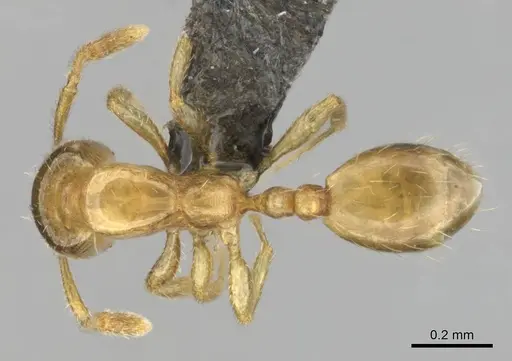
CASENT0902238
View on AntWeb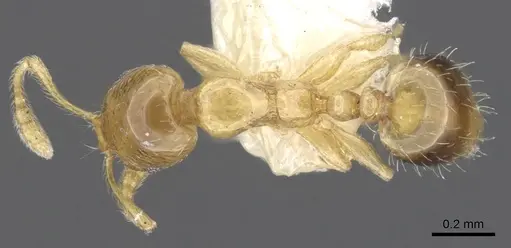
Literature
Loading distribution map...Loading products...