
Monomorium captator
- Sci. Name
- Monomorium captator
- Tribe
- Solenopsidini
- Subfamily
- Myrmicinae
- Author
- Santschi, 1936
- Distribution
- Found in 1 countries
Introduction
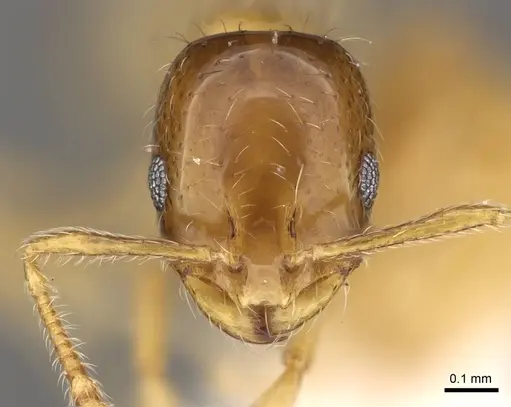
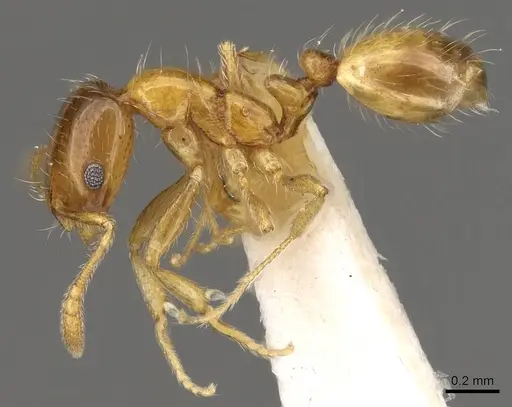
Monomorium captator is a small ant species native to the Democratic Republic of Congo in Central Africa. The genus Monomorium contains over 300 species worldwide. These ants are typically dark brown to black in color. The species was originally described by Santschi in 1936 and remains poorly studied in the scientific literature . This species belongs to the subfamily Myrmicinae and tribe Solenopsidini. Workers possess a stinger that injects venom composed of piperidine alkaloids, used for hunting prey and defending the colony. As a Central African species, it likely prefers warm, humid conditions. The specific biology and colony structure of this species has not been documented in available research.
Quick Summary
- Difficulty: Unknown
- Origin & Habitat: Democratic Republic of Congo in Central Africa [1]. Specific habitat preferences are unconfirmed.
- Colony Type: Unconfirmed. Many Monomorium species are monogyne (single queen colonies), but the colony structure of M. captator specifically has not been documented.
- Size & Growth:
- Queen: Size data unavailable, no species-specific measurements exist. Inferred from Monomorium genus patterns for similar African species: approximately 4-5mm.
- Worker: Size data unavailable, no species-specific measurements exist. Inferred from Monomorium genus patterns: approximately 2-3mm.
- Colony: Unknown. Related Monomorium species typically form colonies of several hundred to a few thousand workers.
- Growth: Unknown, likely moderate based on genus patterns.
- Development: Estimated 6-8 weeks at optimal tropical temperatures (25-28°C), based on typical Monomorium development patterns. (Development timeline is not specifically documented for this species.)
- Antkeeping:
- Temperature: Estimated 24-28°C based on Central African distribution and typical Monomorium preferences. Provide a warm area in the nest with a gentle gradient allowing workers to self-regulate.
- Humidity: Estimated 60-80% relative humidity. Keep the nest substrate consistently moist but not waterlogged.
- Diapause: Likely minimal or none. As a Central African species from near the equator, seasonal temperature variations are small. However, this has not been confirmed for this specific species.
- Nesting: Natural nesting behavior is unconfirmed. Based on genus patterns, likely prefers nesting in soil, under stones, or in rotting wood. In captivity, a test tube setup or small formicarium with moist substrate works well for founding colonies.
- Behavior: Behavior has not been specifically documented for this species. Based on genus patterns, they are likely generalist foragers that accept both sugar and protein sources. Their small size makes them capable of escaping through standard barrier materials, use fine mesh and excellent escape prevention. Temperament is likely non-aggressive, typical of most Monomorium species. Workers have a functional stinger but are too small to cause significant pain to humans.
- Common Issues: lack of documented care information makes this species challenging for beginners, specific temperature and humidity requirements are unconfirmed, keepers must experiment, colony may fail if conditions do not match the species' unknown natural preferences, escape prevention is critical due to their small size, availability may be extremely limited as this is not a common species in the hobby
Species Identification and Background
Monomorium captator was described by Santschi in 1936 from specimens collected in what is now the Democratic Republic of Congo. The species remains poorly studied, with minimal scientific literature available beyond its original description. The genus Monomorium is one of the largest ant genera globally, with over 300 described species found across tropical and temperate regions. Many species are small and cryptically colored, making them easy to overlook in the field. This particular species has not been documented in recent ecological studies, suggesting it may be rare or locally distributed. [1]
Housing and Nesting
Since specific nesting preferences are unconfirmed for this species, keepers should base their setup on general Monomorium husbandry. A simple test tube setup works well for founding colonies, fill a test tube with water, plug with cotton, and place the queen in the tube. The queen will likely seal herself into a chamber if claustral (which is the expected founding type). For established colonies, a small formicarium with moist substrate works well. Keep the nest humid but ensure adequate ventilation to prevent mold. The small size of these ants means chambers and passages should be appropriately scaled.
Feeding and Diet
Specific dietary preferences for M. captator are unconfirmed. Based on genus patterns, these ants are likely omnivorous generalists that accept both sugar sources (honey water, sugar water) and protein sources (small insects, mealworms). Feed a drop of sugar water twice weekly and offer small protein prey items once or twice per week. Remove uneaten food promptly to prevent mold. Start with small offerings and adjust based on what the colony accepts. The tiny worker size means prey items should be appropriately small, flightless fruit flies, pinhead crickets, or small mealworm pieces work well.
Temperature and Seasonal Care
As a species from the Democratic Republic of Congo near the equator, Monomorium captator likely requires warm conditions year-round. Estimate an optimal temperature range of 24-28°C based on the typical requirements of related African Monomorium species. A heating cable on one side of the nest can create a temperature gradient. Diapause (hibernation) is likely not required given the equatorial distribution, but the exact seasonal requirements are unconfirmed. Maintain stable warm temperatures throughout the year and avoid temperatures below 20°C. Monitor colony activity, if workers become sluggish, the temperature may be too low.
Behavior and Colony Dynamics
The specific behavior of Monomorium captator has not been documented. Based on genus patterns, these ants are likely relatively docile and non-aggressive. Workers probably forage individually or in small groups, searching for both sugar sources and small prey items. The small colony size typical of Monomorium species means colonies may grow slowly at first but accelerate once the first batch of workers (nanitics) matures. Workers are likely to show typical ant behaviors including brood care, foraging, and nest maintenance. Due to their tiny size, escape prevention must be excellent, these ants can squeeze through remarkably small gaps.
Frequently Asked Questions
How long does it take for Monomorium captator to produce first workers?
The exact timeline is unconfirmed, but based on typical Monomorium development patterns, expect first workers (nanitics) approximately 6-8 weeks after the queen lays eggs, assuming optimal temperatures around 25-28°C.
What do Monomorium captator ants eat?
Specific dietary preferences are unconfirmed, but based on genus patterns, they likely accept both sugar sources (honey water, sugar water) and protein (small insects). Feed sugar water twice weekly and small protein prey once or twice weekly.
What temperature do Monomorium captator ants need?
Based on their Central African origin, estimate optimal temperatures of 24-28°C. Provide a temperature gradient so workers can self-regulate. Avoid temperatures below 20°C. This is an estimate since species-specific requirements are not documented.
Do Monomorium captator ants need hibernation?
Likely no. As a species from near the equator in the Democratic Republic of Congo, seasonal temperature variations are minimal. However, this has not been confirmed for this specific species. Most tropical ants do not require diapause.
How big do Monomorium captator colonies get?
Colony size is unconfirmed for this specific species. Based on related Monomorium species, colonies likely reach several hundred to a few thousand workers.
Are Monomorium captator ants good for beginners?
This species is not recommended for beginners due to the complete lack of documented care information. The difficulty level is essentially unknown. Beginners should choose species with well-established care protocols in the antkeeping hobby.
Can I keep multiple Monomorium captator queens together?
This is unconfirmed. Many Monomorium species are monogyne (single queen), but some can be polygyne. Combining unrelated queens is not recommended without documented evidence that the species tolerates this.
Where is Monomorium captator found in the wild?
This species is documented from the Democratic Republic of Congo in Central Africa. The specific habitat type within the DRC is unconfirmed, but Monomorium species in this region typically inhabit forest edges, savanna areas, and sometimes human-modified environments.
Why is Monomorium captator so hard to find in the antkeeping hobby?
This species is rarely kept because it was described in 1936 and has received minimal scientific attention since then. There is almost no documented care information, making it a risky choice for hobbyists. Additionally, the species may have a limited distribution in the DRC, making wild collection difficult.
Report an Issue
The current care sheet is based fully on literature. See inconsistencies, or something that's incorrect? Please , it will be resolved after review from an admin. Contributing to the blogs tab also helps providing information, to make us be able to further improve the caresheets. Thank you for your support!
References

This caresheet is licensed under CC BY-SA 4.0 .
Community Blogs
CASENT0913566
View on AntWeb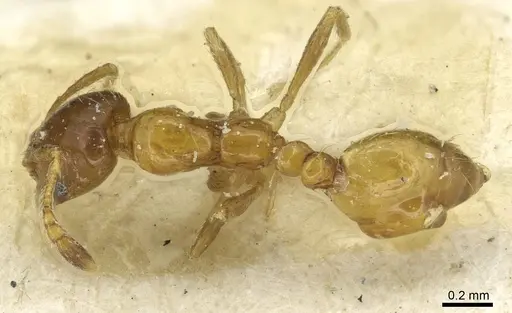
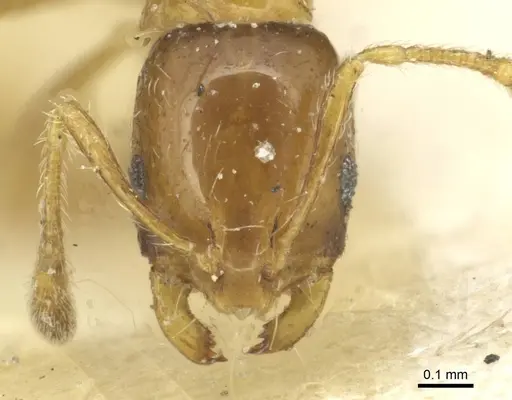
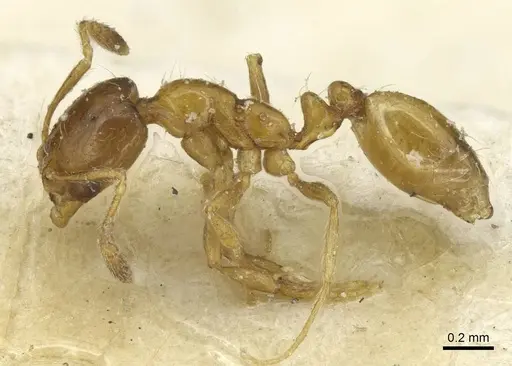
CASENT0914390
View on AntWeb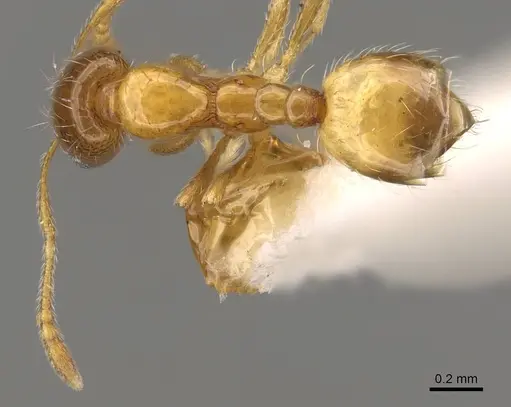
Literature
Loading distribution map...Loading products...