
Monomorium bifidoclypeatum
- Sci. Name
- Monomorium bifidoclypeatum
- Tribe
- Solenopsidini
- Subfamily
- Myrmicinae
- Author
- Heterick, 2006
- Distribution
- Found in 1 countries
Introduction
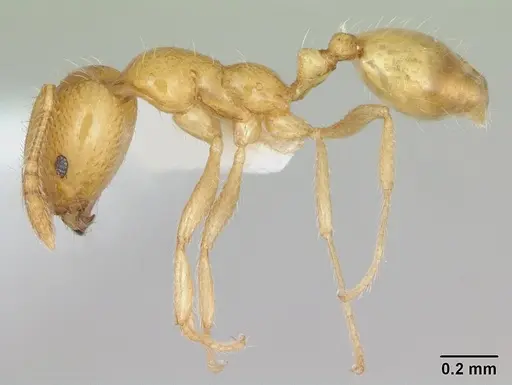
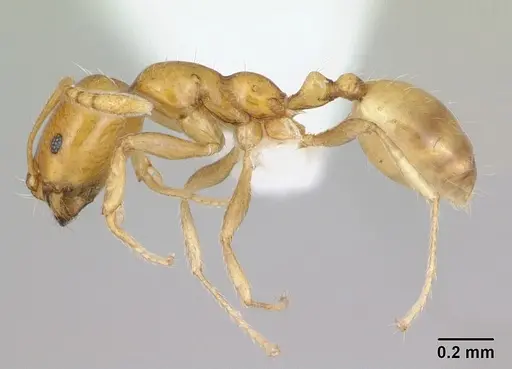
Monomorium bifidoclypeatum is a tiny ant species native to Madagascar, found exclusively in montane rainforest habitats in the northern Antsiranana Province and one record from Fianarantsoa Province . Workers are very small, measuring approximately 1.5-2mm total length, with a yellow to light brown body and often a darker gaster . The species belongs to the Monomorium monorium species group, flavimembra complex, and is distinguished by its strongly defined clypeal carinae and a unique clypeal structure that forms an almost vertical triangular plate . This species uses a sting for defense, injecting venom composed of piperidine alkaloids typical of the Solenopsidini tribe.
Quick Summary
- Difficulty: Unknown, likely Medium as a tropical montane species
- Origin & Habitat: Madagascar, specifically montane rainforest habitats in Antsiranana Province (Manongarivo Reserve) and one record from Andringitra Reserve in Fianarantsoa Province [1]. Collected at elevations around 1600m by beating low vegetation and sifting leaf litter [1].
- Colony Type: Colony structure is unconfirmed. Only one queen has been documented, and the species has monomorphic workers [1]. No data exists on whether colonies have single or multiple queens in the wild.
- Size & Growth:
- Queen: Approximately 2.5-2.8mm total length, inferred from head and mesosoma measurements [1]. Queens measure around 0.61mm head length and 0.58mm head width [1].
- Worker: Approximately 1.5-2mm total length, inferred from head and mesosoma measurements [1]. Workers have head width 0.37-0.52mm and head length 0.43-0.55mm [1].
- Colony: Unknown, no colony size data has been documented [1].
- Growth: Unknown, no development data exists for this species [1].
- Development: Unconfirmed, no development studies exist for this species. (Development timeline is unconfirmed.)
- Antkeeping:
- Temperature: Unconfirmed, as a Madagascar montane species, they likely prefer temperatures in the low-to-mid 20s°C range (roughly 22-26°C). Start in this range and observe colony behavior.
- Humidity: Unconfirmed, montane rainforest suggests they need higher humidity, likely 60-80%. Keep the nest substrate consistently moist but not waterlogged.
- Diapause: Unknown, no data on overwintering requirements. As a tropical species from Madagascar, they likely do not require a true diapause but may have seasonal activity patterns.
- Nesting: Unconfirmed, in the wild they have been collected from leaf litter and low vegetation, suggesting they nest in soil or decaying wood in humid forest floor microhabitats. For captivity, a small test tube setup or Y-tong nest with moist substrate would be appropriate starting points.
- Behavior: Behavior is unconfirmed. As a tiny Monomorium species, they are likely generalist foragers that accept sugar and protein sources. Their small size (under 2mm for workers) means escape prevention must be excellent, they can easily slip through standard barrier gaps. They possess a sting typical of the Solenopsidini tribe, though given their tiny size, any sting would be negligible to humans.
- Common Issues: very small size makes escape likely without fine mesh barriers, no captive care data exists, keepers will be pioneers in keeping this species, unknown humidity requirements may lead to improper setup, limited distribution data makes field collection difficult
Species Identification and Appearance
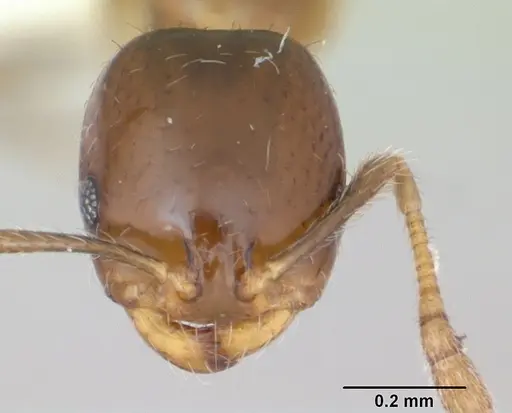
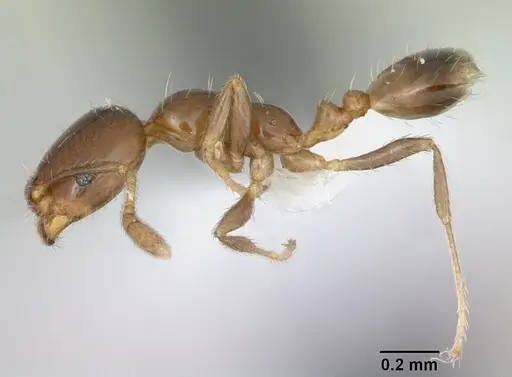
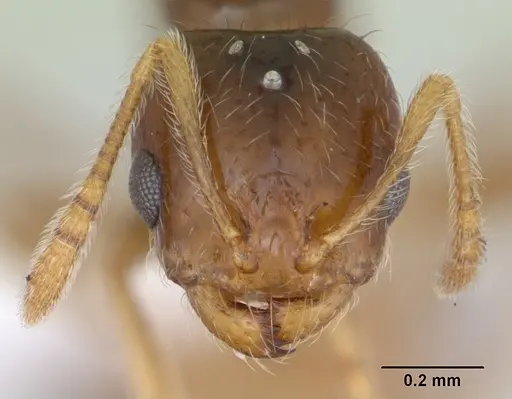
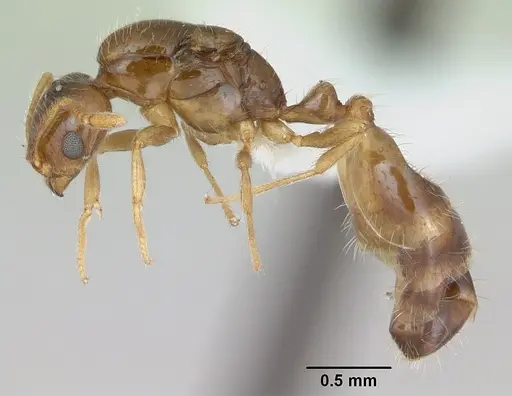
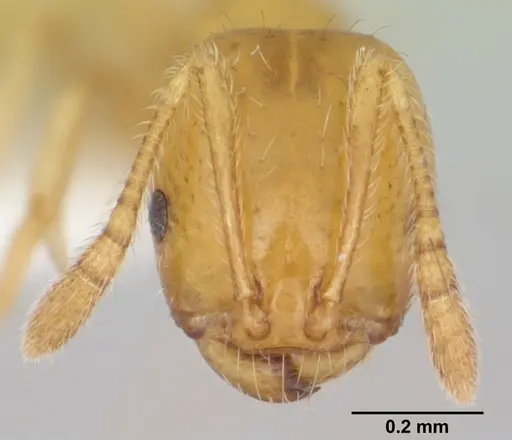
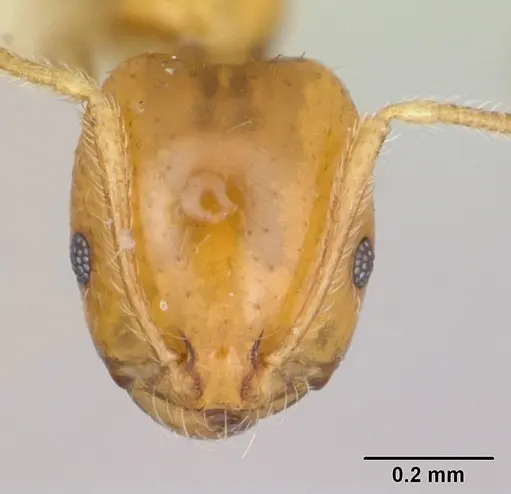
Monomorium bifidoclypeatum is a distinctive tiny ant species. Workers measure approximately 1.5-2mm in total length, making them one of the smaller ant species you might keep [1]. Their body is yellow to light brown, with the gaster often darker than the head and mesosoma [1]. The most distinctive feature is their clypeus (the plate above the mouth), it has strongly defined carinae (ridges) and the anteromedian sector forms an almost vertical triangular plate, creating approximately a 90-degree angle when viewed from the side [1]. They also have a distinct basal mandibular tooth, which is reduced or absent in most related species [1]. Workers have 12 antennal segments with a 3-segmented club [1]. This species defends itself using a sting, injecting venom composed of piperidine alkaloids typical of the Solenopsidini tribe.
Natural Habitat and Distribution
This species is endemic to Madagascar and has only been documented in a few locations in the island's northern and central highlands [1]. Most specimens have been collected in Antsiranana Province, specifically in the Manongarivo Reserve at around 1600m elevation, where they were found by beating low vegetation and sifting leaf litter in montane rainforest [1]. One worker was collected as a forager in montane rainforest in Andringitra Reserve in Fianarantsoa Province [1]. This limited distribution suggests they are adapted to cool, humid montane forest environments.
Housing and Setup Recommendations
Since no captive care data exists for this species, recommendations are based on what is known about their natural habitat and related Monomorium species. Given their tiny size and montane rainforest origin, a small test tube setup with a water reservoir works well as a founding setup. The test tube should have moist cotton at one end to maintain humidity. For a small colony, a Y-tong nest with narrow chambers scaled to their tiny size would be appropriate. Because workers are only about 1.5-2mm, escape prevention is critical, use fine mesh barriers and ensure all connections are sealed tightly. A small outworld for foraging can be a simple plastic container with a barrier coating.
Feeding and Diet
Feeding requirements are unconfirmed for this specific species, but Monomorium ants are typically generalist feeders. In the wild, they likely forage for small insects and tend aphids for honeydew. For captivity, offer small protein sources like fruit flies, pinhead crickets, or small mealworms. Sugar water, honey, or diluted honey water should be available at all times. Given their tiny size, prey items should be appropriately small, flightless fruit flies or springtails are ideal. Feed every 2-3 days and remove uneaten prey to prevent mold.
Temperature and Humidity
Temperature and humidity requirements are unconfirmed, but can be inferred from their montane rainforest origin. Madagascar montane forests experience moderate temperatures year-round, typically in the high teens to mid twenties Celsius. Aim for a temperature range of roughly 22-26°C as a starting point, with a slight gradient if possible. Humidity should be on the higher side, think damp forest floor. Keep the nest substrate consistently moist but not waterlogged, with some drier areas available for the ants to regulate their own conditions. Observe colony behavior: if workers cluster near moisture, increase humidity, if they avoid damp areas, reduce moisture.
Colony Development and Growth
No data exists on colony development for this species. The single documented queen measured approximately 2.5-2.8mm in total length, which is relatively small compared to the worker size, suggesting they may follow typical Monomorium patterns [1]. Colonies will likely remain small given their tiny size and limited distribution data. Growth is expected to be slow initially during the founding phase, then accelerate once the first workers emerge.
Frequently Asked Questions
How long does it take for Monomorium bifidoclypeatum to produce first workers?
The egg-to-worker timeline is unconfirmed for this species. The queen will remain sealed in her chamber while raising the first brood, so patience is essential during the founding phase.
What do Monomorium bifidoclypeatum ants eat?
Diet is unconfirmed for this specific species, but Monomorium ants are typically generalist feeders. Offer small protein sources like fruit flies, small mealworms, or pinhead crickets. Keep sugar water or honey water available at all times. Prey should be appropriately sized for their tiny workers.
Are Monomorium bifidoclypeatum ants good for beginners?
This species cannot be recommended for beginners due to the complete lack of captive care data. Keeping this species will require careful observation and experimentation. If you're experienced with tropical ants and comfortable with uncertainty, this could be an interesting challenge. For beginners, species with established care protocols are recommended.
What temperature should I keep Monomorium bifidoclypeatum at?
Temperature requirements are unconfirmed. Based on their montane rainforest origin in Madagascar, aim for roughly 22-26°C as a starting point. Observe your colony, if they seem sluggish, increase temperature slightly, if they avoid the heated areas, reduce it. A gentle gradient allows the ants to choose their preferred temperature.
How big do Monomorium bifidoclypeatum colonies get?
Colony size is unknown, no wild colony size data exists for this species. Based on their tiny worker size and limited distribution, colonies likely remain small.
Can I keep multiple Monomorium bifidoclypeatum queens together?
Colony structure is unconfirmed, we don't know if this species is single-queen or multi-queen. The single documented queen suggests monogyne is possible, but this is not confirmed. Combining unrelated queens is not recommended without data on their founding behavior.
What humidity do Monomorium bifidoclypeatum ants need?
Humidity requirements are unconfirmed, but their montane rainforest origin suggests they need higher humidity. Keep the nest substrate consistently moist but not waterlogged, aiming for roughly 60-80% relative humidity. Provide a moisture gradient so ants can self-regulate.
Where can I find Monomorium bifidoclypeatum ants?
This species is only known from Madagascar, specifically the Manongarivo Reserve in Antsiranana Province and one record from Andringitra Reserve. They are not established in any other region. Unless you are in Madagascar, wild collection is not possible. Captive colonies would need to come from existing hobbyist sources.
Do Monomorium bifidoclypeatum need hibernation?
Diapause requirements are unknown. As a tropical species from Madagascar, they likely do not require a true hibernation period. However, they may have seasonal activity patterns related to wet/dry seasons in their native habitat.
Report an Issue
The current care sheet is based fully on literature. See inconsistencies, or something that's incorrect? Please , it will be resolved after review from an admin. Contributing to the blogs tab also helps providing information, to make us be able to further improve the caresheets. Thank you for your support!
References

This caresheet is licensed under CC BY-SA 4.0 .
Community Blogs
CASENT0173547
View on AntWeb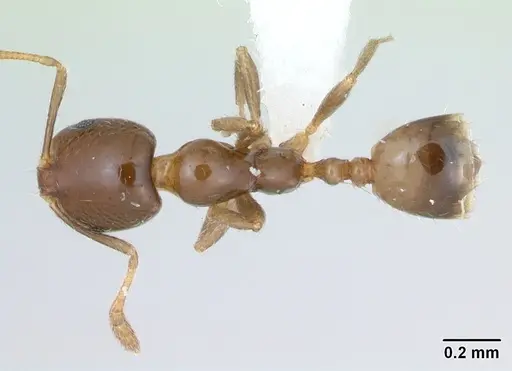
CASENT0173548
View on AntWeb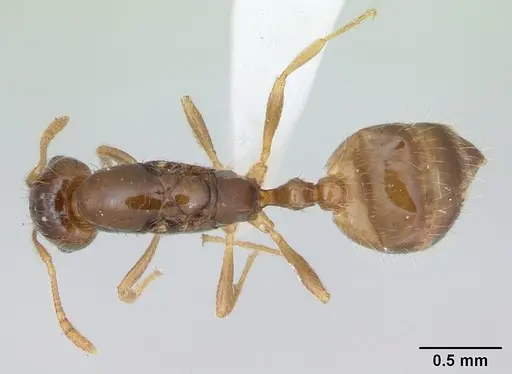
CASENT0173589
View on AntWeb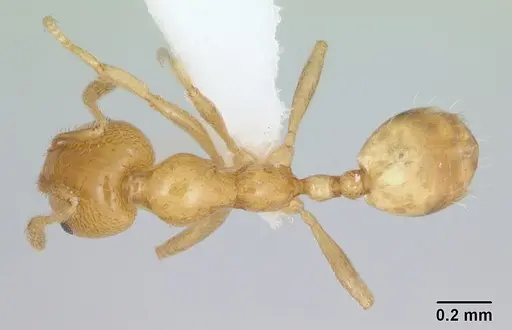
CASENT0173593
View on AntWeb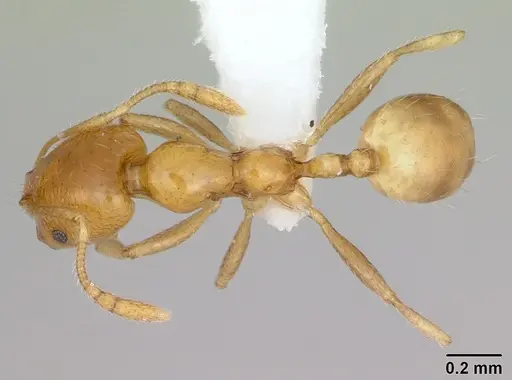
Literature
Loading distribution map...Loading products...