
Carrion Pharaoh ant
Monomorium albopilosum
- Sci. Name
- Monomorium albopilosum
- Tribe
- Solenopsidini
- Subfamily
- Myrmicinae
- Author
- Emery, 1895
- Common Name
- Carrion Pharaoh ant
- Distribution
- Found in 3 countries
Introduction
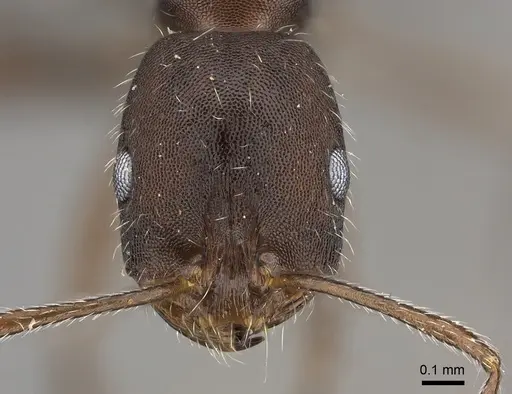
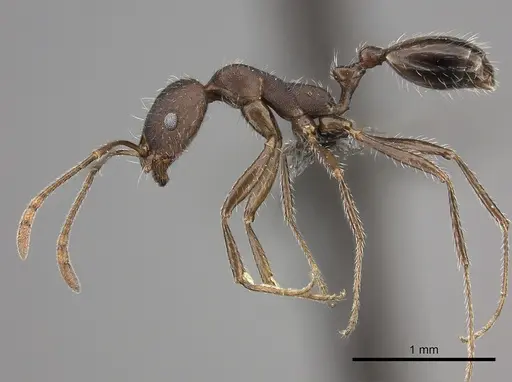
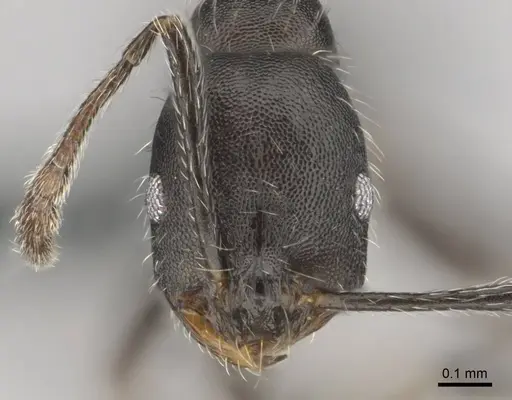
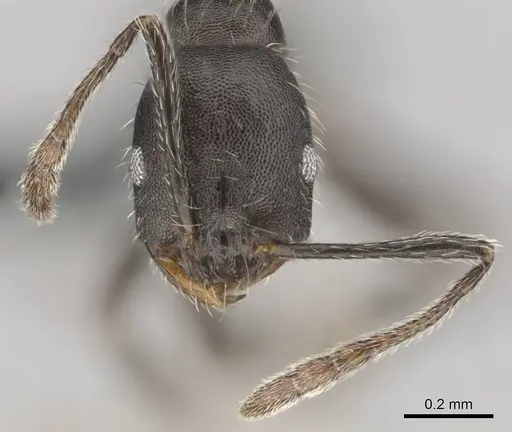
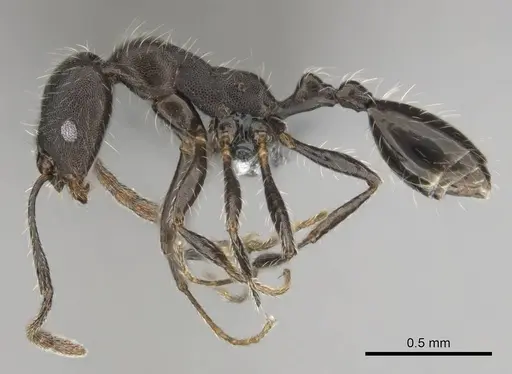
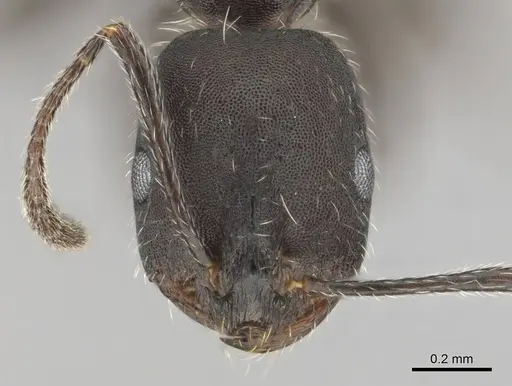
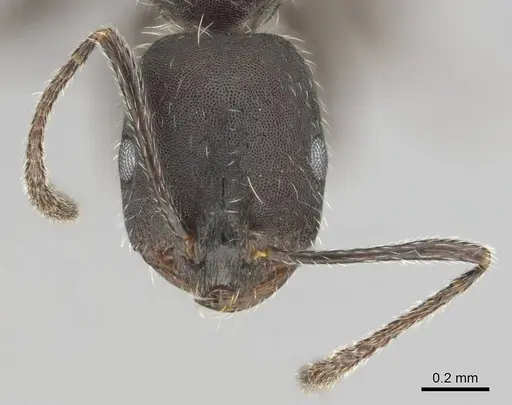
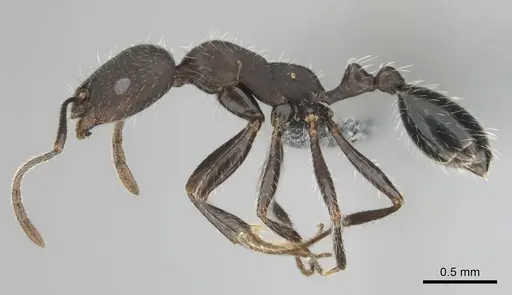
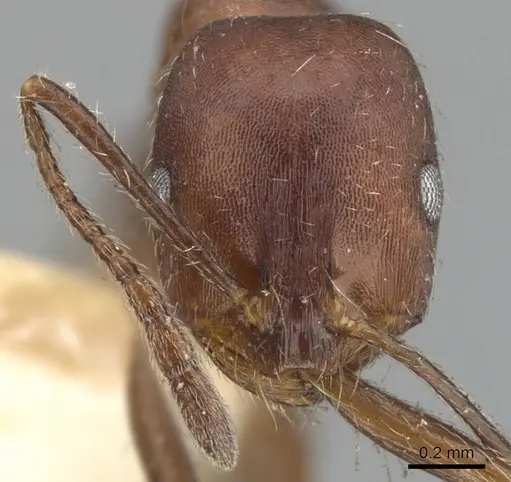
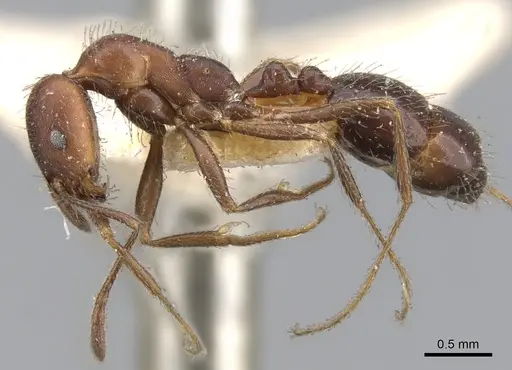
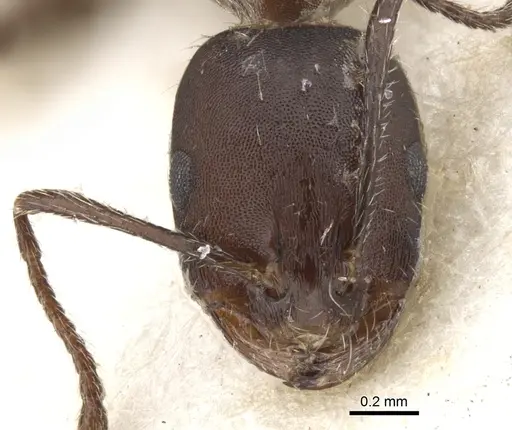
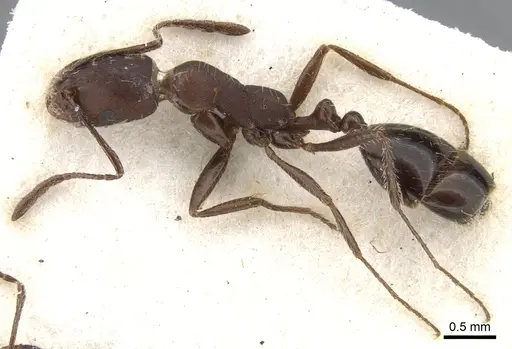
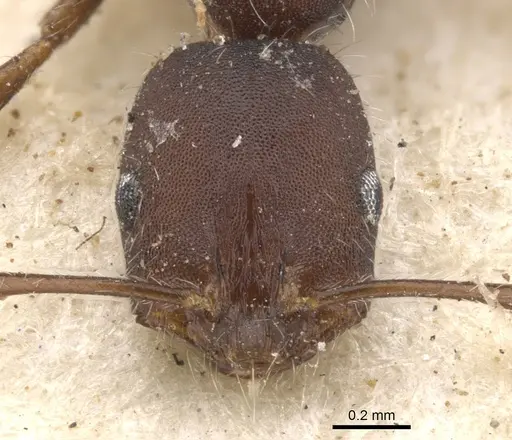
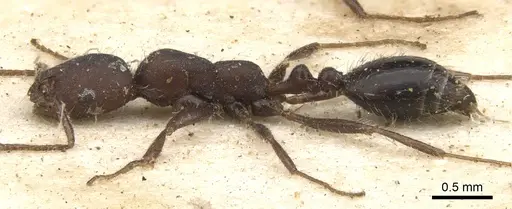
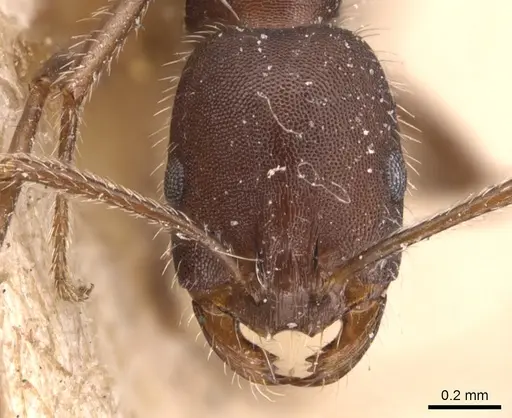
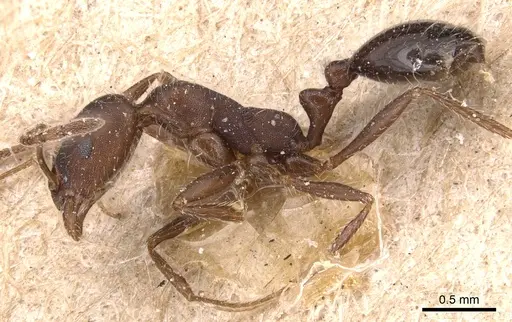
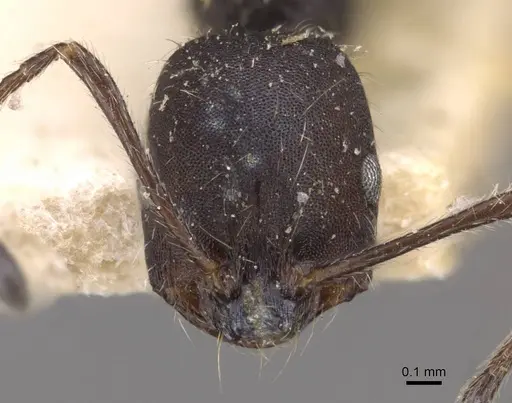
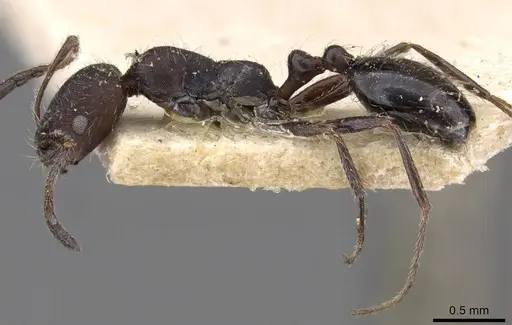
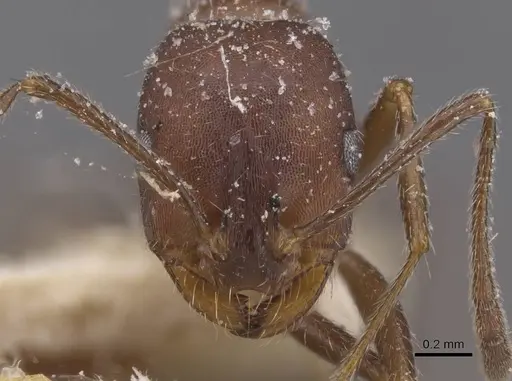
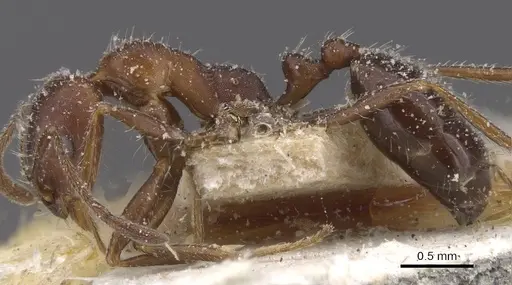
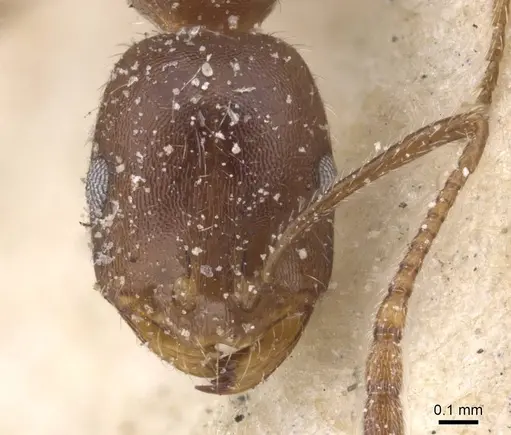
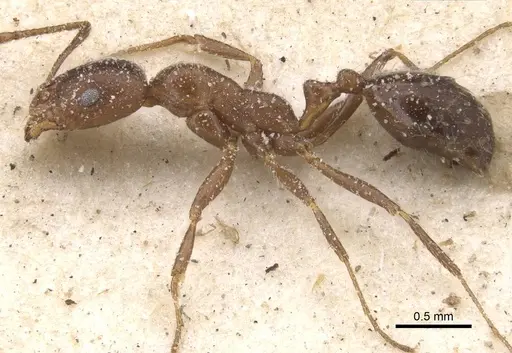
Monomorium albopilosum is a small, densely hairy ant species native to southern Africa. Workers measure 3.4-4.4mm and are covered in distinctive long hairs across their entire body, giving them a noticeably fuzzy appearance. They are uniform light to dark brown in color, sometimes with a slightly darker abdomen. This species belongs to the Monomorium salomonis species group and is one of only two very densely hairy species in sub-Saharan Africa, which helps distinguish them from related species. They are known for being pugnacious and will sting freely when threatened. In the wild, they nest in the ground and build characteristic low mounds of earth around their nest entrances.
Quick Summary
- Difficulty: Easy
- Origin & Habitat: Native to the Afrotropical region, found across South Africa, Eswatini, Lesotho, Malawi, Mozambique, and Zimbabwe. They are a generalist species found in various habitats including savanna, woodland, shrubland, and grassland areas. They thrive in open habitats and are one of the most abundant ant species in South African savannas [1][2].
- Colony Type: Colony structure is not well documented in scientific literature. Both alate (winged) and apterous (wingless) females have been observed, suggesting the potential for ergatoid (worker-like) replacement queens [3].
- Size & Growth:
- Queen: size data unavailable
- Worker: 3.4-4.4mm [3]
- Colony: Colony size is not well documented, based on their abundance in the wild, colonies likely reach several hundred workers
- Growth: Moderate
- Development: Estimated 6-8 weeks at optimal temperature based on genus-level data (Development time is inferred from related Monomorium species, specific data for this species is not available)
- Antkeeping:
- Temperature: Keep at room temperature around 20-24°C. As a southern African species, they prefer warmer conditions but can tolerate typical room temperatures.
- Humidity: Moderate humidity around 50-60%. They are a ground-nesting species that naturally occurs in savanna habitats, so they prefer drier conditions compared to forest-dwelling ants. Allow the nest substrate to dry out partially between waterings.
- Diapause: Winter diapause requirements are unconfirmed for this species. As a southern African species from a temperate region, they may benefit from a mild winter rest period.
- Nesting: Natural ground-nesters that build nests in soil with characteristic low earth mounds. In captivity, they do well in standard test tube setups for founding colonies, then can be moved to formicariums with soil or plaster nests. They prefer compact chambers over large open spaces.
- Behavior: This species is known for being aggressive and will sting freely when threatened or when their nest is disturbed. They are active foragers and are considered generalists, meaning they will accept a variety of food sources. Workers are small but determined defenders of their colony. Escape risk is moderate due to their small size, ensure enclosures have tight-fitting lids and consider using barrier tape or fluon on edges. They are primarily ground-dwelling and do not climb well on smooth surfaces.
- Common Issues: stinging, they sting freely when threatened, which may be a concern for sensitive keepers, small size means escape prevention must be adequate despite them not being strong climbers, colonies may be slow to establish initially, patience is needed during the founding stage, winter dormancy requirements are not well documented, which may lead to improper seasonal care, limited availability in the antkeeping hobby since they're less commonly kept than other Monomorium species
Housing and Nest Setup
Monomorium albopilosum can be housed in standard test tube setups for colony founding. Use a test tube with a water reservoir sealed with cotton at one end, providing humidity through the substrate. Once the colony reaches 20-30 workers, you can transition them to a formicarium. They do well in formicariums with soil, plaster, or acrylic nests. Since they are ground-nesters, include a soil chamber or deep substrate area for them to dig. Keep nesting areas dark or covered, as light-sensitive ants prefer dim conditions. Outworld space should allow for foraging, a simple container works for small colonies. [3]
Feeding and Diet
As generalist foragers, Monomorium albopilosum accepts a variety of foods. Offer protein sources such as small insects (fruit flies, pinhead crickets, mealworms), and provide sugar sources like sugar water, honey, or diluted nectar. They are active foragers and will readily take food from the outworld. Feed them small prey items 2-3 times per week for established colonies, and keep a constant sugar water supply. Remove uneaten prey after 24-48 hours to prevent mold.
Temperature and Seasonal Care
Keep these ants at room temperature, ideally 20-24°C. They can tolerate temperatures into the mid-20s without issue. As a southern African species, they are adapted to warmer conditions but can handle typical indoor temperatures. During winter, monitor colony activity, if they become less active, reduce feeding and maintain cooler temperatures. Avoid temperature extremes below 15°C or above 30°C.
Behavior and Defense
This species is well-known for its pugnacious temperament. Workers will sting freely when they perceive a threat to the colony. The sting is not dangerous to healthy humans but can be painful and may cause irritation. When keeping this species, avoid disturbing the nest unnecessarily and use caution when performing maintenance. They are not aggressive toward humans outside the nest but will defend vigorously if their colony is threatened. They are active foragers and will explore their outworld in search of food. Workers are small but fast-moving and persistent. [3]
Growth and Development
Colony growth is moderate. Founding queens seal themselves in a chamber and raise the first brood alone, as is typical for claustral Monomorium species. The first workers (nanitics) will be smaller than mature workers. Once the colony establishes, growth accelerates as more workers are produced. Full worker size range of 3.4-4.4mm is reached in mature workers. The presence of both alate (winged) and apterous (wingless) females suggests potential for ergatoid queen production for colony replacement. [3]
Frequently Asked Questions
How long does it take for Monomorium albopilosum to produce first workers?
Based on typical Monomorium development patterns, expect first workers (nanitics) approximately 6-8 weeks after the queen lays eggs, at optimal temperature. This is an estimate since specific development data for this species is not available.
What size do Monomorium albopilosum workers reach?
Workers are small, measuring 3.4-4.4mm in total length. They are notably hairy, which helps distinguish them from related species.
Are Monomorium albopilosum good for beginners?
They are rated as easy to keep, but the stinging behavior may not be ideal for complete beginners. They are hardy and tolerate typical captive conditions well. Their small size and generalist diet make them manageable for keepers comfortable with occasionally dealing with stings.
What do Monomorium albopilosum eat?
They are generalists that accept both protein and sugar sources. Feed small insects like fruit flies or pinhead crickets for protein, and provide sugar water, honey, or diluted nectar. Remove uneaten prey after 24-48 hours.
Do Monomorium albopilosum need hibernation?
Winter diapause requirements are unconfirmed for this species. As a southern African species from a temperate region, they may benefit from a mild winter rest period at cooler temperatures, but this is not documented.
Where is Monomorium albopilosum found in the wild?
They are native to southern Africa, specifically found in South Africa, Eswatini, Lesotho, Malawi, Mozambique, and Zimbabwe. They are a common and widespread species in South African savannas.
How big do Monomorium albopilosum colonies get?
Colony size is not well documented, but based on their abundance in the wild, colonies likely reach several hundred workers. They are considered one of the most abundant ant species in their native range.
Can I keep multiple queens together?
Colony structure is not well documented for this species. Combining unrelated queens is not recommended as it has not been studied and could result in aggression.
What makes Monomorium albopilosum distinctive?
They are one of only two very densely hairy species within the Monomorium salomonis group in sub-Saharan Africa. Their dense covering of long hairs across the head and body is distinctive. They are also known for being pugnacious and stinging freely.
Report an Issue
The current care sheet is based fully on literature. See inconsistencies, or something that's incorrect? Please , it will be resolved after review from an admin. Contributing to the blogs tab also helps providing information, to make us be able to further improve the caresheets. Thank you for your support!
References

This caresheet is licensed under CC BY-SA 4.0 .
Community Blogs
CASENT0235920
View on AntWeb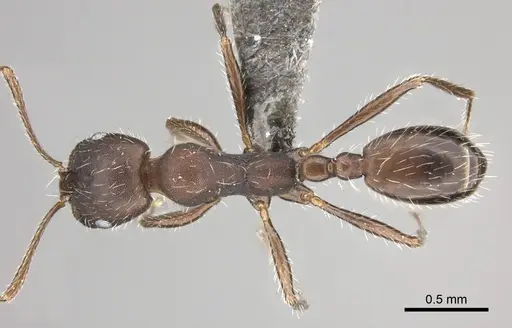
CASENT0258880
View on AntWeb
CASENT0258902
View on AntWeb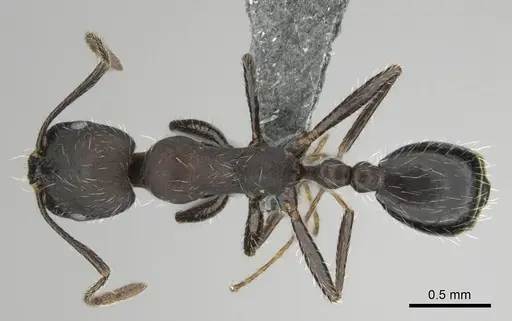
CASENT0902192
View on AntWeb
CASENT0902193
View on AntWeb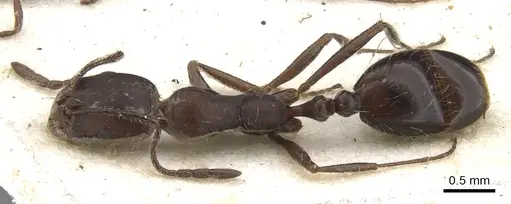
CASENT0902194
View on AntWeb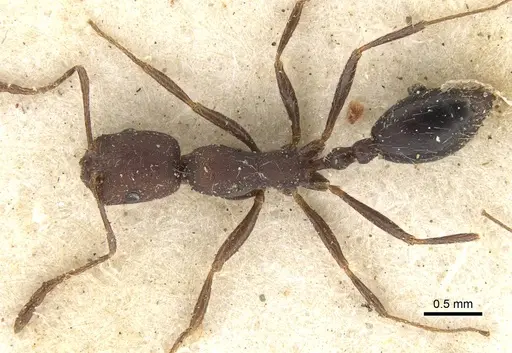
CASENT0904600
View on AntWeb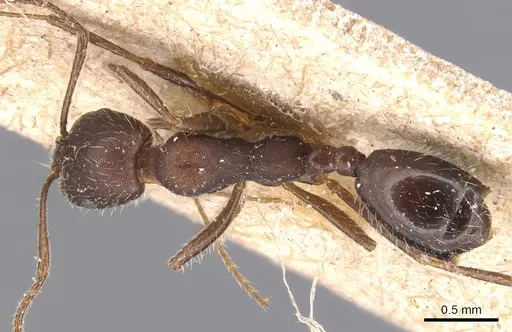
CASENT0908725
View on AntWeb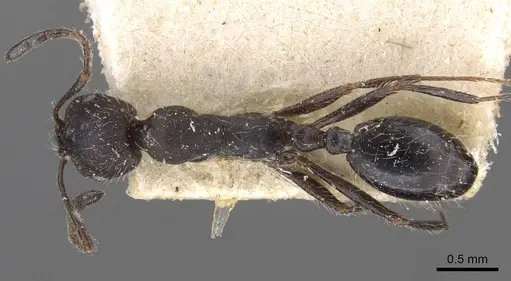
CASENT0913549
View on AntWeb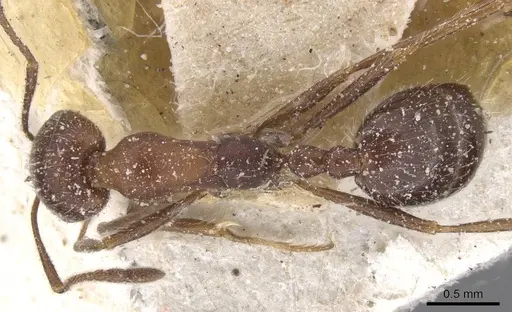
CASENT0913550
View on AntWeb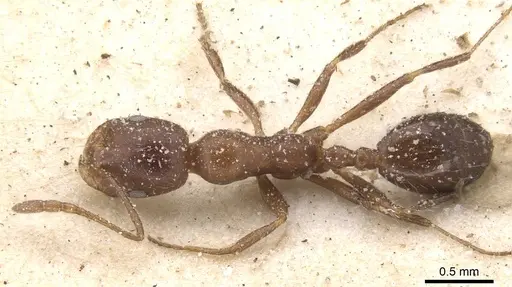
Literature
Loading distribution map...Loading products...