
Monomorium affabile
- Sci. Name
- Monomorium affabile
- Tribe
- Solenopsidini
- Subfamily
- Myrmicinae
- Author
- Santschi, 1926
- Distribution
- Found in 1 countries
Introduction
Monomorium affabile is an ant species endemic to the Democratic Republic of Congo, specifically recorded in the Nord-Ubangi region . Size data is unavailable for this species. They inhabit tropical forest environments, but specific nesting habits are unconfirmed. This species is poorly documented, with little known about its biology or care requirements.
Quick Summary
- Difficulty: Hard
- Origin & Habitat: Democratic Republic of Congo, Nord-Ubangi region. Endemic to this area [1].
- Colony Type: Unconfirmed, colony structure has not been documented.
- Size & Growth:
- Queen: size data unavailable
- Worker: size data unavailable
- Colony: Unknown
- Growth: Unknown
- Development: Unknown, no data available (Development timeline is unconfirmed.)
- Antkeeping:
- Temperature: Unknown, no specific data available.
- Humidity: Unknown, no specific data available.
- Diapause: Unknown, as a tropical species, diapause is unlikely, but unconfirmed.
- Nesting: Unconfirmed, no data on natural nesting habits.
- Behavior: Behavior is unstudied. Based on subfamily characteristics (Myrmicinae, Solenopsidini), they likely have a sting defense mechanism. Temperament and aggression levels are unknown.
- Common Issues: escape prevention is critical if ants are small, use fine mesh and barriers., lack of species-specific care data makes keeping this species challenging., humidity control may be difficult without known requirements., colony growth may be slow or unpredictable., wild-caught colonies may carry parasites.
Species Background and Distribution
Monomorium affabile is endemic to the Democratic Republic of Congo, specifically recorded in the Nord-Ubangi region [1]. This species was described in taxonomic works, but very little scientific research exists on its biology or ecology. Keepers should be prepared for a learning curve, as most care information is lacking.
Housing and Nest Setup
No specific housing data is available for this species. For general antkeeping, test tube setups work for founding colonies, and plaster or soil nests may suit established colonies. Escape prevention is critical due to the potential for small size, use fine mesh and barriers. However, without species-specific data, these are general recommendations.
Temperature and Humidity
Temperature and humidity requirements are unknown for this species. As a tropical species, start with temperatures around 22-25°C and observe colony activity. Humidity should be maintained based on general antkeeping practices, but specific levels are unconfirmed.
Feeding and Diet
Feeding habits are unstudied. General advice for ants includes offering sugar sources (e.g., honey water) and protein (e.g., small insects), but species-specific preferences are unknown.
Colony Development and Growth
No development data exists for Monomorium affabile. Colony growth rate and timeline are unknown. Keepers should monitor for any signs of development and adjust care based on observations.
Frequently Asked Questions
How long does it take for Monomorium affabile to produce first workers?
Unknown, no data is available on the development timeline for this species.
What do Monomorium affabile ants eat?
Feeding habits are unstudied. General ant diets include sugar and protein sources, but species-specific preferences are unconfirmed.
Do Monomorium affabile ants need hibernation?
Unknown, as a tropical species, diapause is unlikely, but no specific data exists.
Can I keep multiple queens together in a Monomorium affabile colony?
Colony structure is unconfirmed, so combining queens is not recommended without evidence.
How big do Monomorium affabile colonies get?
Colony size data is unavailable for this species.
What temperature should I keep Monomorium affabile at?
Temperature requirements are unknown, start around 22-25°C and observe.
Are Monomorium affabile ants aggressive?
Aggression levels are unstudied. Based on subfamily, they likely have a sting defense mechanism, but temperament is unknown.
How do I prevent Monomorium affabile from escaping?
Escape prevention is critical if ants are small, use fine mesh and barriers, but size data is unavailable.
Is Monomorium affabile suitable for beginners?
Difficulty is hard due to lack of species-specific care data. Experience with small ants is recommended.
Where is Monomorium affabile found in the wild?
This species is endemic to the Democratic Republic of Congo, specifically recorded in the Nord-Ubangi region [1].
Report an Issue
The current care sheet is based fully on literature. See inconsistencies, or something that's incorrect? Please , it will be resolved after review from an admin. Contributing to the blogs tab also helps providing information, to make us be able to further improve the caresheets. Thank you for your support!
References

This caresheet is licensed under CC BY-SA 4.0 .
Community Blogs
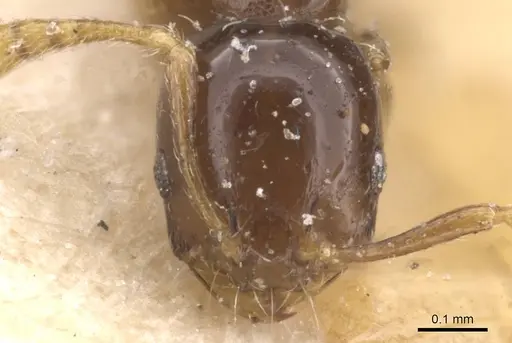
CASENT0235532
View on AntWeb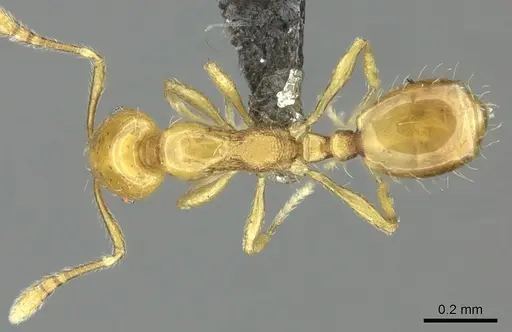
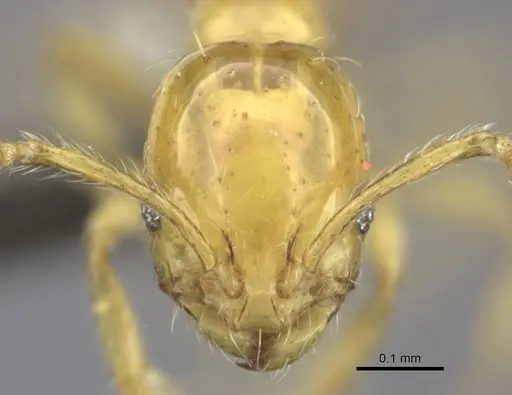
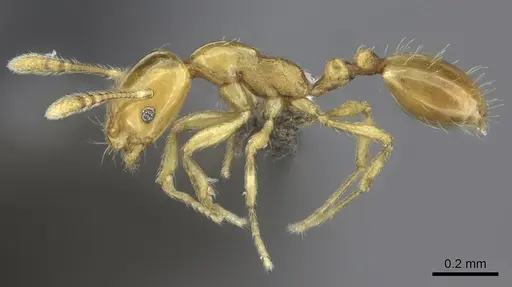
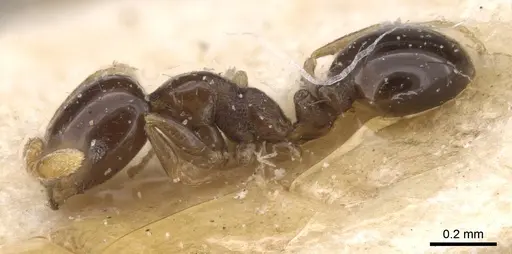
CASENT0913548
View on AntWeb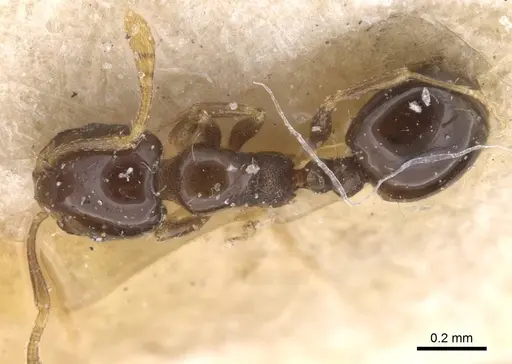
Literature
Loading distribution map...Loading products...