
Metapone truki
- Sci. Name
- Metapone truki
- Tribe
- Crematogastrini
- Subfamily
- Myrmicinae
- Author
- Smith, 1953
- Distribution
- Found in 1 countries
Introduction
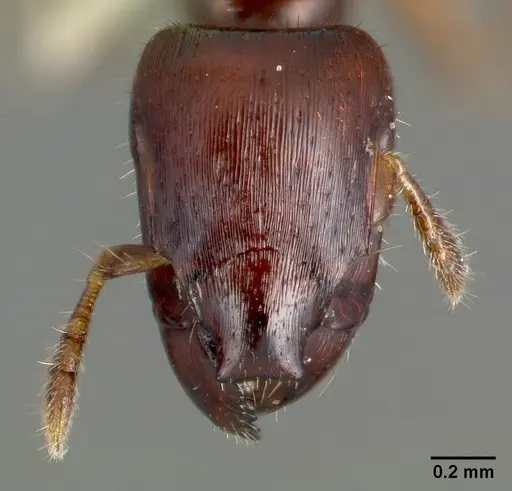
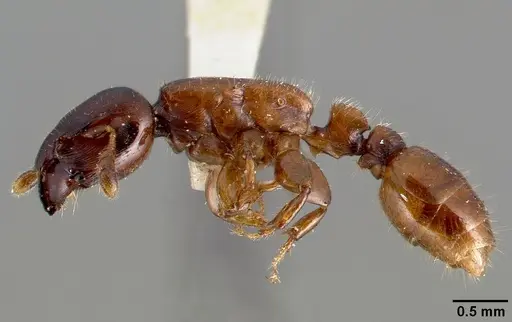
Metapone truki is a medium-sized myrmicine ant native to the Australasian region, found across mainland New Guinea, New Britain, and several Micronesian islands. Workers measure 5.1-6.8mm in total length. The species is identified by its relatively short and broad clypeal proboscis, less strongly developed striations on the head, and a relatively short petiole . This species has an interesting biogeographic history - while found throughout Micronesia, evidence suggests it originated in New Guinea and was likely spread by human activity during World War II (1942-1945) through aircraft and shipping movements. The type specimen was collected from rotten breadfruit on Truk Island, and colonies have also been found in lowland rainforest habitats near cleared forest areas. The genus Metapone is known for its unusual morphology, including deep antennal scrobes hidden by flange-like carinae and the absence of propodeal spines .
Quick Summary
- Difficulty: Expert
- Origin & Habitat: Native to Papua New Guinea, New Britain, and surrounding islands. Found in lowland rainforest habitats, including edges of cleared forest areas. Type specimens collected from rotting breadfruit in Micronesian islands. Likely introduced to Micronesian islands through human activity during WWII [1][2].
- Colony Type: Colony structure is unconfirmed. Known from small colony series collected from natural habitats. No published data on queen number or colony size in established colonies.
- Size & Growth:
- Queen: Size data unavailable, queen measurements provided in research are head length (1.68mm) and mesosoma length (3.52mm), not total body length [1]
- Worker: 5.1-6.8mm total length [1]
- Colony: Unknown, only small colony fragments have been collected
- Growth: Unknown, no development data available
- Development: Unknown, no direct measurements available (Development timeline has not been studied for this species.)
- Antkeeping:
- Temperature: Tropical species requiring warm conditions. Based on its New Guinean lowland rainforest origin, aim for 24-28°C. Do not allow temperatures to drop below 22°C.
- Humidity: Requires high humidity, think damp tropical forest floor. Keep nest substrate consistently moist but not waterlogged. Provide a water tube for drinking access.
- Diapause: No, this is a tropical species that does not experience cold winters. No hibernation or diapause period is required.
- Nesting: In the wild, colonies have been found in rotting breadfruit and in soil under forest debris. In captivity, a naturalistic setup with moist substrate (like a terrarium-style formicarium) would be most appropriate. Provide damp soil or sand/earth mix for tunneling.
- Behavior: Behavior is poorly documented. Based on genus-level observations of related species, these ants are likely relatively docile and non-aggressive. Workers are moderate-sized and capable of stinging, though the sting is not medically significant to humans. They are not known to be escape artists but standard escape prevention (Fluon on test tube rims, tight-fitting lids) should still be used. Foraging style is unknown but likely involves ground-level hunting for small invertebrates.
- Common Issues: Tropical humidity requirements mean colonies can quickly decline in dry captive environments, No published captive husbandry information exists, this is an essentially undocumented species in the antkeeping hobby, Small colony sizes in the wild suggest colonies may be sensitive to disturbance, Lack of dietary data makes feeding protocols uncertain, Temperature sensitivity means cold drafts or air conditioning can be fatal
Nest Preferences and Housing
Metapone truki has been collected from rotting breadfruit and from soil in lowland rainforest areas. This suggests they prefer moist, decaying wood or soil environments typical of tropical forest floors. In captivity, a naturalistic setup with a damp soil substrate works best, think of a small terrarium with moist earth where they can tunnel and create chambers. A test tube setup can work if kept humid, but these ants seem to prefer more space to move around than a simple test tube provides. The nest should be kept dark (they avoid light) and humid at all times. Avoid any nest materials that dry out quickly. [1][2]
Feeding and Diet
Dietary requirements are not documented in scientific literature. Based on the genus Metapone and related Myrmicinae, they are likely omnivorous with a preference for protein. In the wild, they probably hunt small invertebrates and scavenge. For captive colonies, offer protein sources like small crickets, mealworms, or other small insects. Sugar water or honey can be offered occasionally, though acceptance is uncertain. Given the lack of captive data, start with small amounts of various foods and observe what the colony accepts. Never rely solely on sugar sources if acceptance is unconfirmed. [1]
Temperature and Seasonal Care
As a tropical species from lowland New Guinea and Micronesia, Metapone truki requires warm temperatures year-round. Keep the nest area at 24-28°C. A heating cable on one side of the nest can create a gentle gradient, but avoid direct heat that could dry out the substrate. Room temperature may be acceptable if your home stays in this range, but monitor closely during winter if you use heating. This species does NOT require hibernation or any cooling period, unlike temperate ants, they do not have a winter dormancy phase. Consistent warmth is essential for colony health and brood development. [1]
Behavior and Temperament
Specific behavioral observations are limited, but Metapone species are generally not aggressive and do not have painful stings. Workers are moderate-sized and likely forage on the ground for small prey. They probably establish small colonies rather than the massive supercolonies seen in some invasive species. The genus is characterized by unusual morphological features including deep antennal scrobes and the absence of propodeal spines. Workers likely use chemical communication for trail-laying and recruitment, though specific behaviors like tandem-running have not been documented for this species. They are not known to be particularly aggressive toward keepers or other colonies. [1][2]
Colony Establishment and Growth
No published data exists on the founding behavior of Metapone truki. In the wild, colonies have been found as small series of workers, suggesting naturally occurring colonies remain relatively modest in size. For captive establishment, if you obtain a founding queen, provide her with a small, humid chamber (test tube or small container) with moist substrate. She will likely seal herself in to raise the first brood. The first workers (nanitics) will be smaller than normal workers. Growth rate is unknown but is likely moderate for a tropical species. Patience is essential, expect several months for first workers with no guarantees given the lack of captive data. [1]
Frequently Asked Questions
How difficult is Metapone truki to keep?
This is an expert-level species. No captive husbandry information exists in the antkeeping hobby, and very little scientific data is available about their care requirements. You should have experience with tropical species before attempting this ant.
What do Metapone truki ants eat?
Diet is not documented, but based on related Myrmicinae, they likely accept small live insects (protein) and may occasionally take sugar sources. Start with small insects like fruit flies or pinhead crickets and observe acceptance.
What temperature do Metapone truki ants need?
Keep them warm at 24-28°C. This tropical species does not tolerate cool temperatures and requires year-round warmth.
Do Metapone truki ants need hibernation?
No. As a tropical species from New Guinea and Micronesia, they do not require hibernation or any cooling period.
How big do Metapone truki colonies get?
Unknown. Wild colonies have been collected as small series of only dozens of workers, suggesting they remain modest in size rather than forming large colonies.
Do Metapone truki ants sting?
They likely have a stinger but it is not medically significant. These ants are not considered dangerous to humans.
Can I keep multiple Metapone truki queens together?
Unknown. Colony structure (monogyne vs polygyne) has not been documented. Do not attempt combining unrelated queens without documented evidence they can coexist.
How long does it take for Metapone truki eggs to become workers?
Unknown, no direct measurements exist for this species.
What type of nest should I use for Metapone truki?
A naturalistic setup with moist soil substrate works best. They have been found in rotting wood and soil in the wild. A formicarium with damp earth or a modified terrarium setup would be more appropriate than a simple test tube.
Where is Metapone truki from?
This species is native to Papua New Guinea, New Britain, and surrounding islands. It has also been found in Micronesia (Caroline Islands, Palau), likely introduced through human activity during World War II.
Report an Issue
The current care sheet is based fully on literature. See inconsistencies, or something that's incorrect? Please , it will be resolved after review from an admin. Contributing to the blogs tab also helps providing information, to make us be able to further improve the caresheets. Thank you for your support!
References

This caresheet is licensed under CC BY-SA 4.0 .
Community Blogs
CASENT0006672
View on AntWeb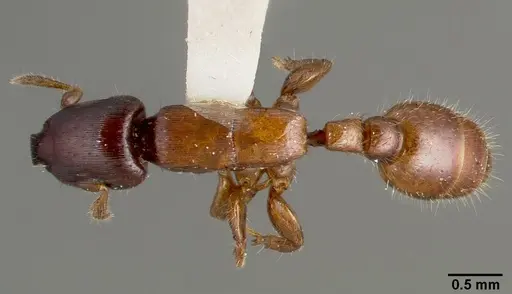
Literature
Loading distribution map...Loading products...