
Metapone madagascarica
- Sci. Name
- Metapone madagascarica
- Tribe
- Crematogastrini
- Subfamily
- Myrmicinae
- Author
- Gregg, 1958
- Distribution
- Found in 1 countries
Introduction
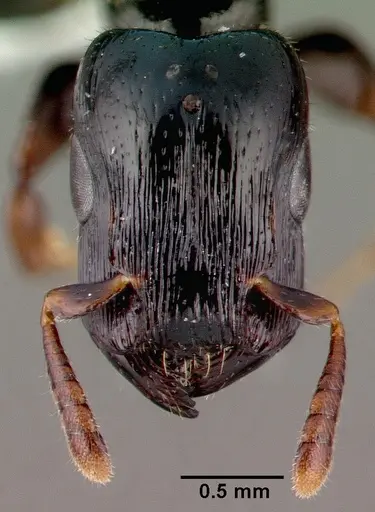
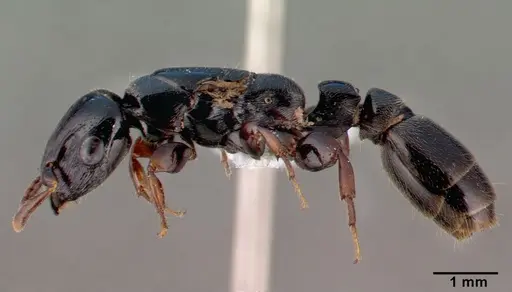
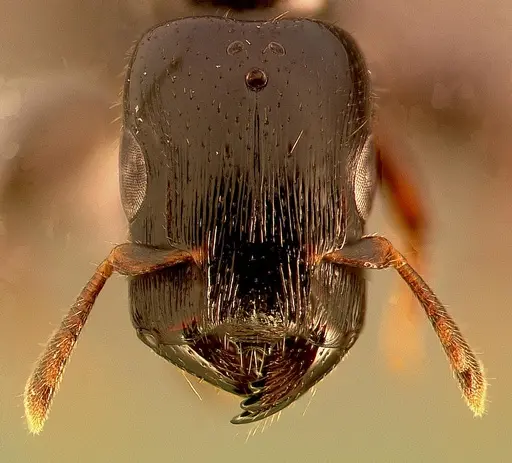
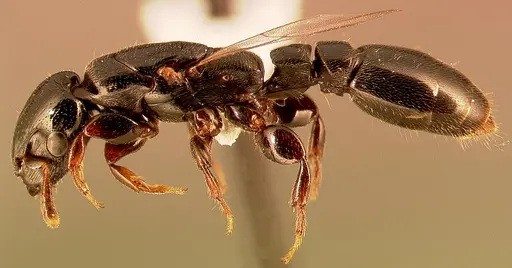
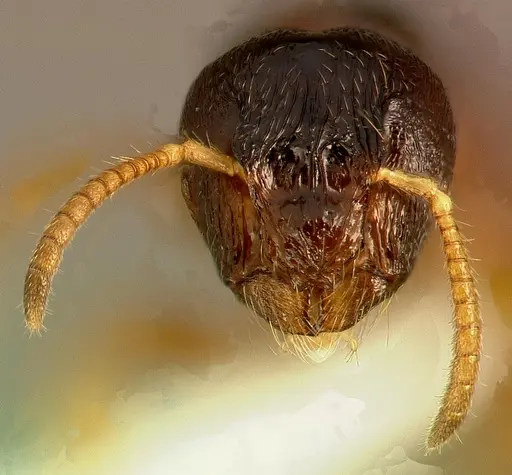
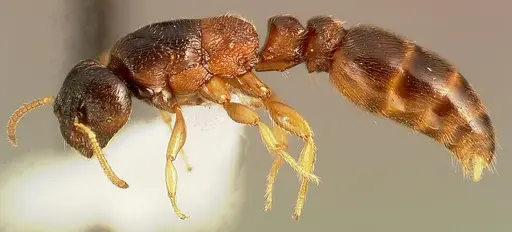
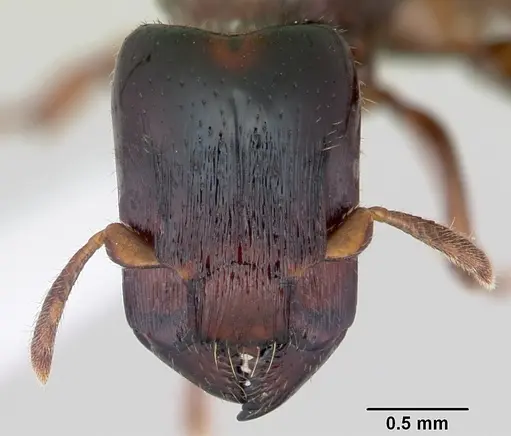
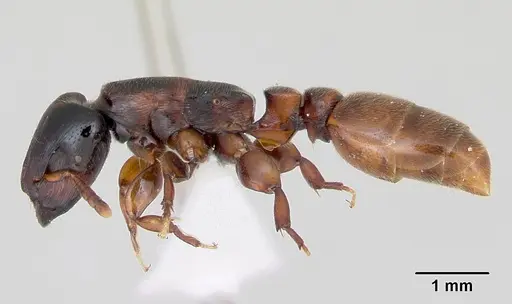
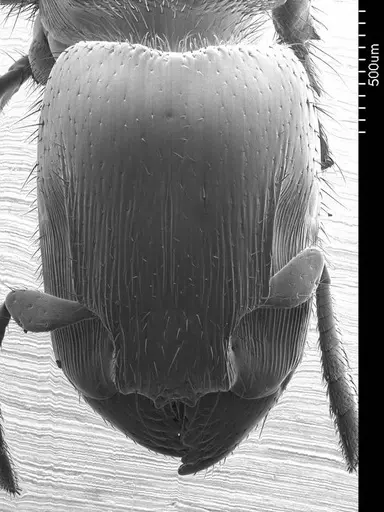
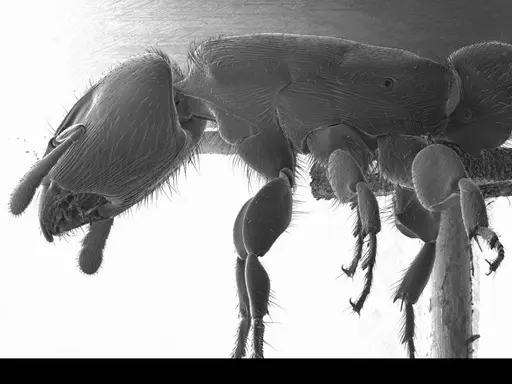
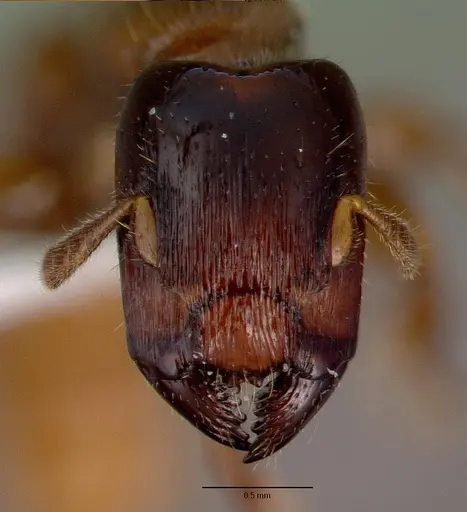
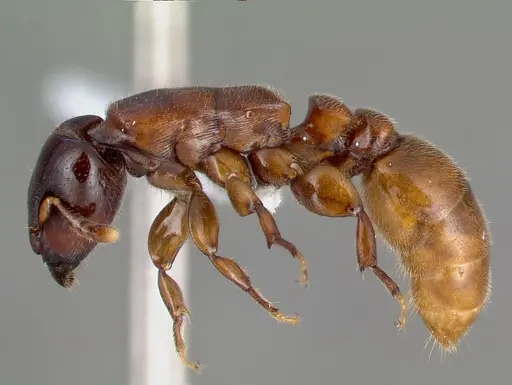
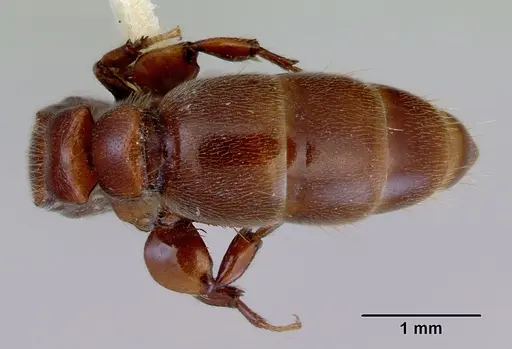
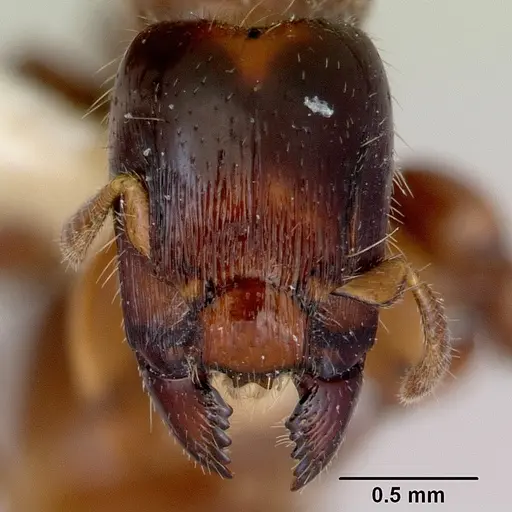
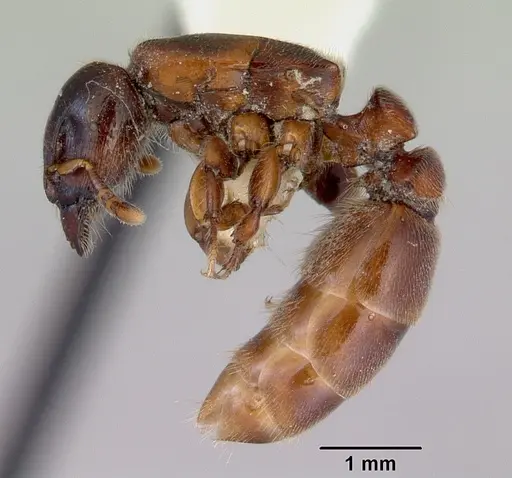
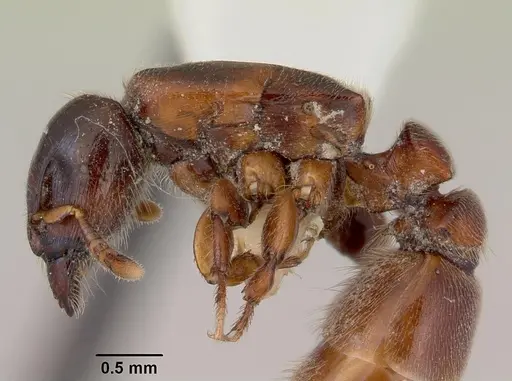
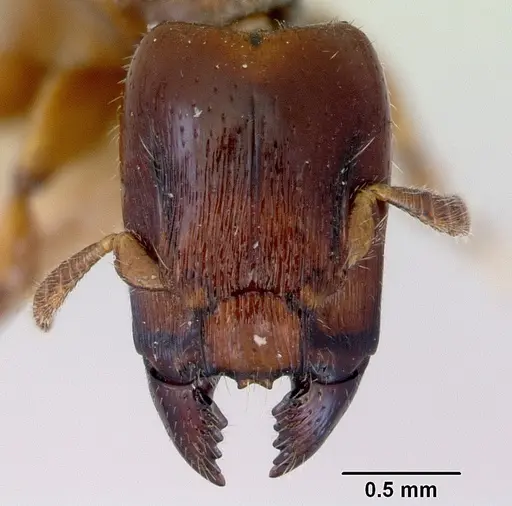
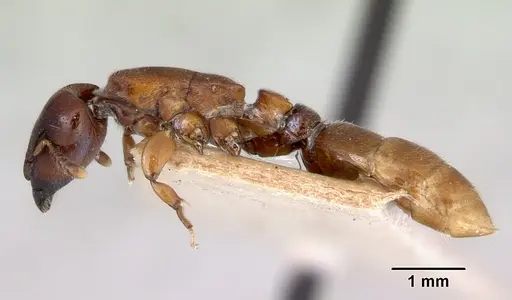
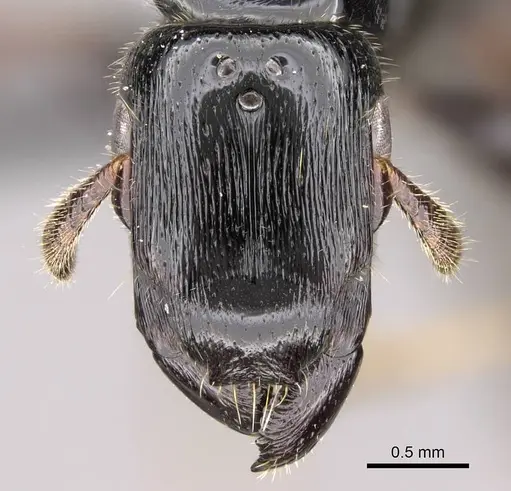
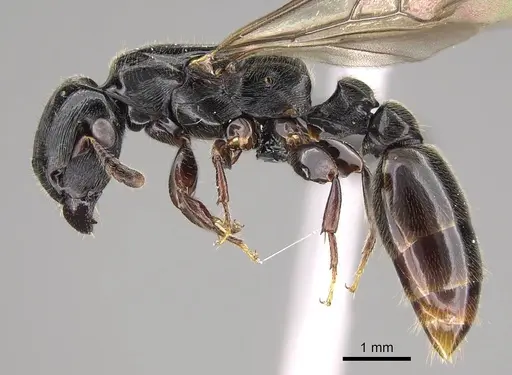
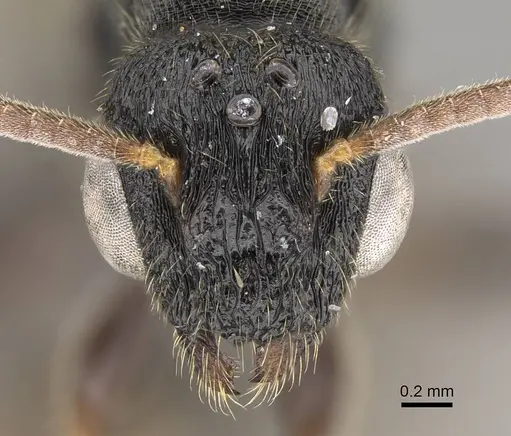
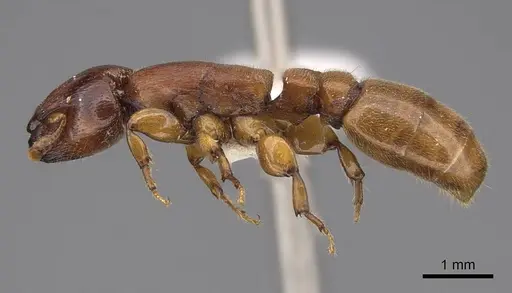
Metapone madagascarica is a rare and unusual ant species endemic to Madagascar. Workers are small ants with minute eyes containing only 8-10 tiny facets, giving them a somewhat primitive appearance compared to many other Myrmicinae. They have a distinctive constriction at the mesosoma and a unique subpetiolar process structure . This species is remarkable for its complex social structure - colonies contain not just workers and winged queens, but also worker-queen intermorphs (intermediate forms between workers and queens) and ergatoid males (wingless males that look almost identical to workers except for male genitalia and larger eyes). The presence of both winged males and ergatoid males in the same colony is exceptionally rare in ants . They nest exclusively in dead wood, particularly rotting logs and stumps, almost always in association with termites .
Quick Summary
- Difficulty: Expert
- Origin & Habitat: Madagascar, found in various forest types including spiny forest/thicket, gallery forest, secondary rainforest, and tropical dry forest. Nests in dead wood such as rotten logs and stumps, almost always associated with termites [2][3].
- Colony Type: Colony structure is complex and unusual. Colonies contain workers, queens, males, ergatoid males, and worker-queen intermorphs. The presence of both winged males and ergatoid males in the same colony is exceptional in ants [2]. Colony type (single or multiple queen) is not definitively documented.
- Size & Growth:
- Queen: Size data unavailable, no specific measurements found in available literature.
- Worker: Size data unavailable, no specific measurements found in available literature.
- Colony: Colony size is not well documented in available literature.
- Growth: Growth rate is unconfirmed.
- Development: Development timeline is unconfirmed for this species. (No direct development data available.)
- Antkeeping:
- Temperature: Based on Madagascar's tropical climate, keep temperatures in the low-to-mid 20s°C range. Avoid temperatures below 18°C or above 30°C.
- Humidity: Keep nest substrate consistently moist but not waterlogged. These forest-dwelling ants prefer humid conditions, aim for 60-80% humidity.
- Diapause: Diapause requirements are not documented. Madagascar has mild winters, so a reduced activity period at cooler temperatures (around 18-20°C) may be beneficial.
- Nesting: In captivity, provide a naturalistic setup with dead wood pieces, cork, or a well-humidified plaster nest. They strongly prefer nesting in wood material and associate with termites in the wild. A Y-tong or plaster nest with wood inclusions works well.
- Behavior: Metapone madagascarica is a shy, non-aggressive species. Workers forage solitarily or in small groups, using short-term trails rather than massive recruitment [4]. They are predators, feeding primarily on termites and other small prey in the wild. Their defense mechanism involves smearing venom from a modified stinger rather than piercing, typical of Myrmicinae. Escape risk is moderate, while small, they are not particularly good climbers and standard barrier methods work well. The presence of ergatoid males (wingless males that look like workers) is unusual and may cause confusion when observing the colony [2].
- Common Issues: complex social structure may confuse keepers, colonies have intermorphs and ergatoid males which can be mistaken for different species, association with termites means they may struggle without access to small prey items, nesting in dead wood is essential, they may not accept artificial nests without wood material, slow colony growth may frustrate keepers expecting rapid development, wild-caught colonies may introduce termites or other pests into the setup
Natural History and Distribution
Metapone madagascarica is endemic to Madagascar, where it occupies a range of forest habitats from spiny forest and thicket to gallery forest and secondary rainforest. This species shows a strong preference for nesting in dead wood, specimens have been collected from rotting logs, stumps, and dead hardwood trees. Notably, nearly all collections have been in association with termites, particularly Cryptotermes kirbyi and Coptotermes truncatus [2]. This association may be ecological (sharing similar nesting substrates) or potentially predatory. The original type locality was 15 km east of Tulear along the Fiheranana River, and the species has been documented at multiple protected areas including Berenty Reserve and Parc National d'Andohahela [1][2].
Unique Colony Structure
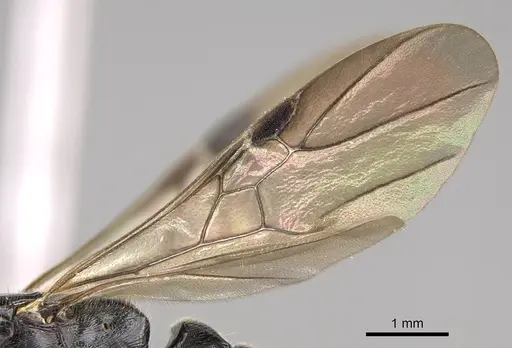
This species has one of the most complex social structures documented in ants. Colonies contain multiple reproductive castes including typical winged queens and males, but also worker-queen intermorphs (intermediate forms between workers and queens with rudimentary wing articulations) and ergatoid males (wingless males that look almost identical to workers except for male genitalia and larger eyes) [2]. The presence of both winged males and ergatoid males in the same colony is exceptional in ants and warrants further study. Additionally, there is variation in ovariole development from six to two, suggesting flexible reproductive investment. This complex structure means colonies may appear to contain multiple species when they are actually a single species with multiple developmental pathways [2].
Nesting and Housing
In captivity, Metapone madagascarica requires access to dead wood material for nesting. They are unlikely to thrive in test tubes or standard artificial nests without wood inclusions. A naturalistic setup with cork, rotting wood pieces, or a plaster nest with wood channels works best. The nest should be kept humid but not wet, with the wood material kept moist. These ants are not aggressive and do not defend their nests vigorously, so standard escape prevention is adequate. Provide a foraging area with access to small prey items. The association with termites in the wild suggests they may benefit from having small arthropods available. [2][3]
Feeding and Diet
Based on the foraging strategy of solitary hunting and the documented association with termites, Metapone madagascarica is primarily a predator of small arthropods. They use solitary foraging or short-term group recruitment rather than massive swarm raids [4]. In captivity, offer small live prey such as fruit flies, pinhead crickets, and small mealworms. They likely accept termites if available. Sugar sources may be accepted but should not be the primary food. Feed small prey items several times per week, adjusting based on colony consumption. Remove uneaten prey to prevent mold.
Temperature and Seasonal Care
As a Madagascar forest species, Metapone madagascarica prefers warm, humid conditions. Maintain temperatures in the low-to-mid 20s°C with a gentle gradient allowing the ants to choose their preferred zone. Avoid temperatures below 18°C or above 30°C. Humidity should be kept high (60-80%) with consistently moist nest material. During Madagascar's cooler winter months (May-September), a slight reduction in temperature to around 18-20°C may simulate seasonal patterns, but full hibernation is not necessary given Madagascar's mild climate. Monitor colony activity and adjust conditions accordingly. [3]
Frequently Asked Questions
Is Metapone madagascarica good for beginners?
No. This species is recommended only for experienced antkeepers. The complex colony structure with intermorphs and ergatoid males requires understanding of ant social biology. Additionally, their requirement for dead wood nesting and live prey makes them more challenging than common species like Lasius or Camponotus.
How long does it take for Metapone madagascarica to produce first workers?
The exact development timeline is unconfirmed for this species. Development time is unknown and has not been studied.
Can I keep multiple queens together in a Metapone madagascarica colony?
The colony structure (single or multiple queen) is not definitively documented. Combining unrelated queens is not recommended since this has not been studied. The presence of worker-queen intermorphs in wild colonies suggests some flexibility in reproductive development, but this is different from introducing multiple founding queens.
What do Metapone madagascarica ants eat?
They are predators that primarily hunt small arthropods. In captivity, feed small live prey such as fruit flies, pinhead crickets, and small mealworms. They may also accept other small insects. Sugar water may be accepted but should not be the primary food source. Their association with termites in the wild suggests they particularly enjoy small prey.
Do Metapone madagascarica ants sting?
They have a modified stinger used to smear venom onto enemies rather than piercing flesh, typical of Myrmicinae ants. They are not aggressive and rarely use it. These are shy, non-defensive ants.
What type of nest do Metapone madagascarica need?
They require dead wood material for nesting. A naturalistic setup with cork, rotting wood pieces, or a plaster nest with wood inclusions works best. Standard test tubes are not suitable. Keep the nest material consistently humid but not waterlogged.
Why does my Metapone madagascarica colony have what looks like extra workers or different castes?
This is normal for the species. Metapone madagascarica has a complex social structure with worker-queen intermorphs (intermediate forms between workers and queens) and ergatoid males (wingless males that look like workers). These are not pests or different species, they are part of this species' unique biology [2].
Do Metapone madagascarica need hibernation?
Full hibernation is not required given Madagascar's mild climate, but a cooler period (around 18-20°C) during the winter months may be beneficial. Reduce feeding and activity during this time. Do not cool them below 15°C.
Are Metapone madagascarica escape artists?
Moderate escape risk. While small, they are not particularly strong climbers and standard barrier methods (Fluon, petroleum jelly barriers) work well. They are not as prone to escaping as tiny species like Pheidole or Solenopsis.
Where is Metapone madagascarica found?
Metapone madagascarica is endemic to Madagascar. It is found in various forest types across the island including spiny forest, gallery forest, and secondary rainforest. It has been documented at Berenty Reserve and Parc National d'Andohahela [2][1].
Report an Issue
The current care sheet is based fully on literature. See inconsistencies, or something that's incorrect? Please , it will be resolved after review from an admin. Contributing to the blogs tab also helps providing information, to make us be able to further improve the caresheets. Thank you for your support!
References

This caresheet is licensed under CC BY-SA 4.0 .
Community Blogs
CASENT0003118
View on AntWeb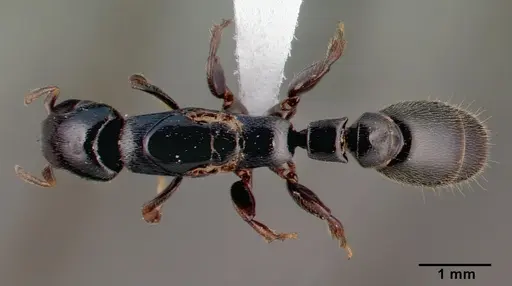
CASENT0004524
View on AntWeb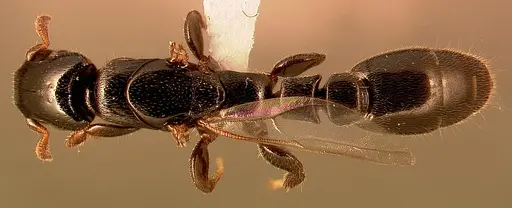
CASENT0004525
View on AntWeb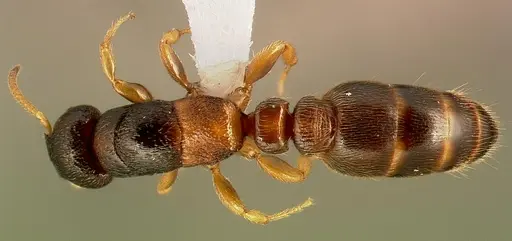
CASENT0004528
View on AntWeb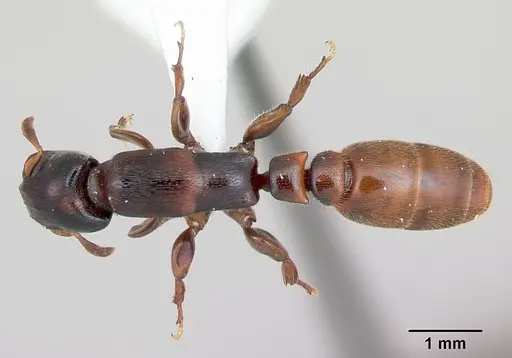
CASENT0004529
View on AntWeb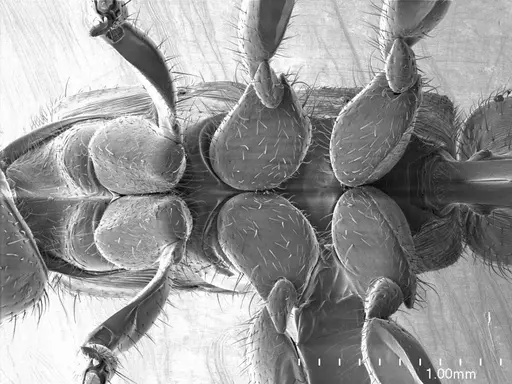
CASENT0004530
View on AntWeb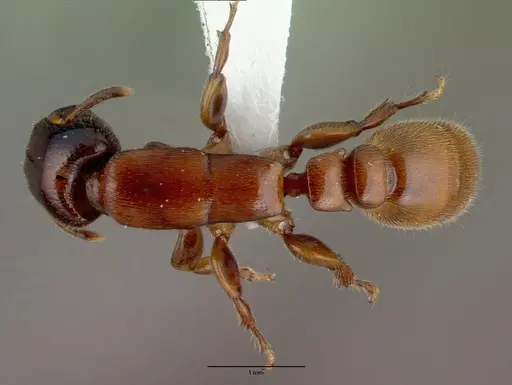
CASENT0172254
View on AntWeb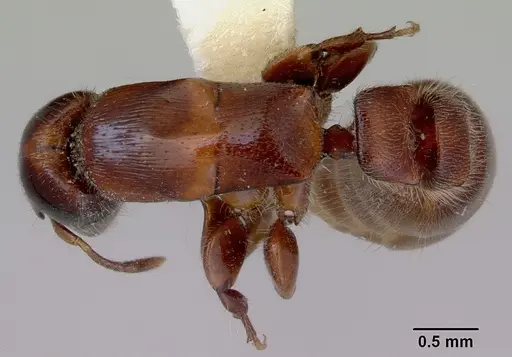
CASENT0172256
View on AntWeb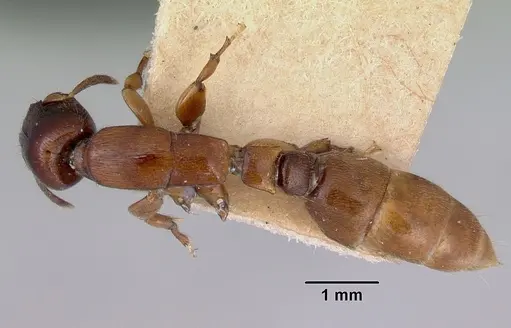
CASENT0205356
View on AntWeb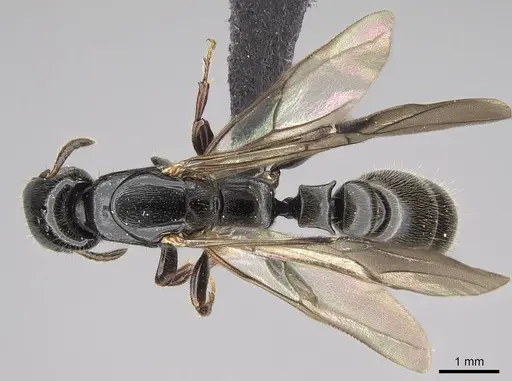
CASENT0245993
View on AntWeb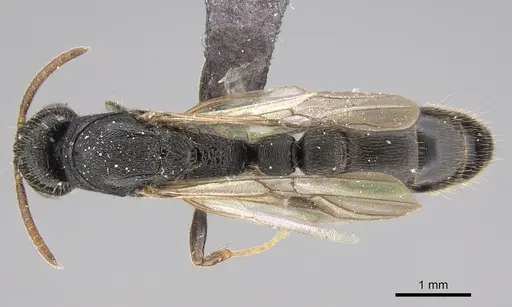
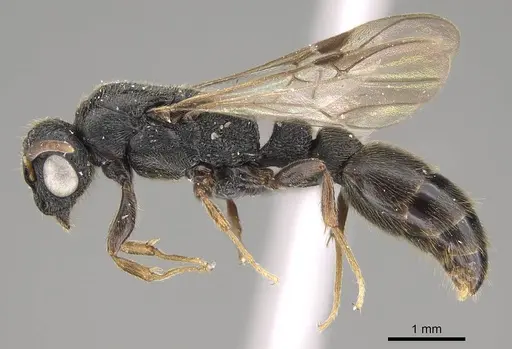
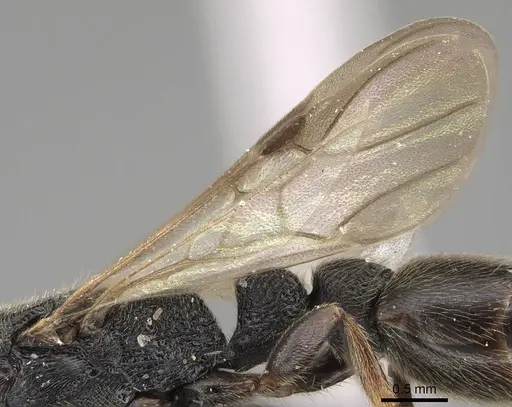
CASENT0922942
View on AntWeb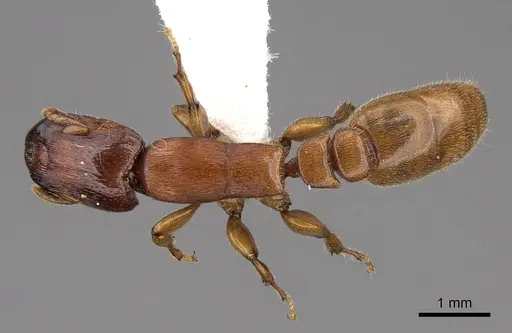
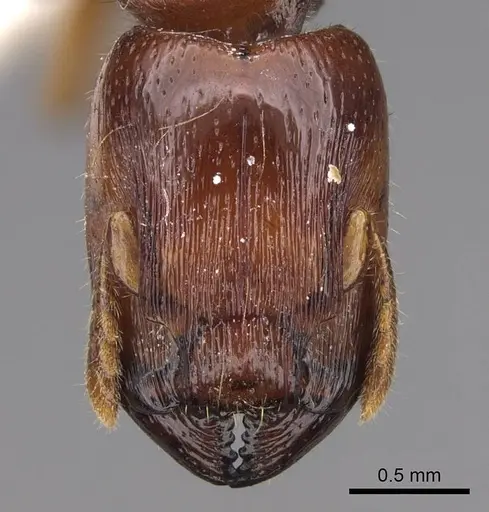
Literature
Loading distribution map...Loading products...