
Messor variabilis
- Sci. Name
- Messor variabilis
- Tribe
- Stenammini
- Subfamily
- Myrmicinae
- Author
- Kuznetsov-Ugamsky, 1927
- Distribution
- Found in 1 countries
Introduction
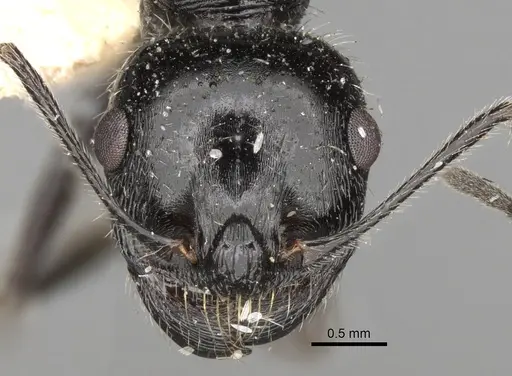
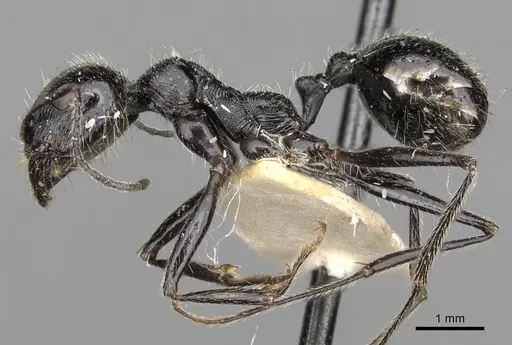
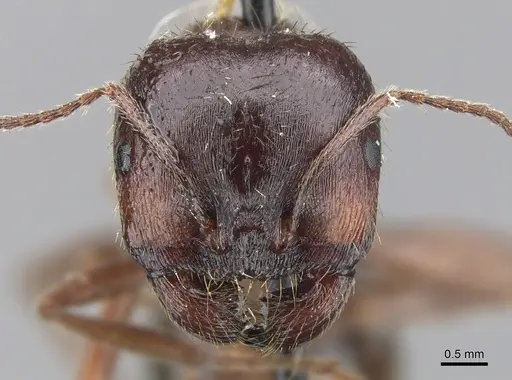
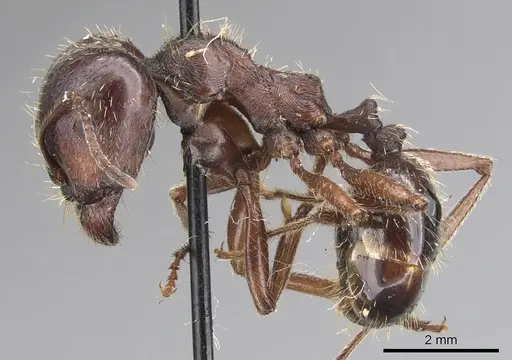
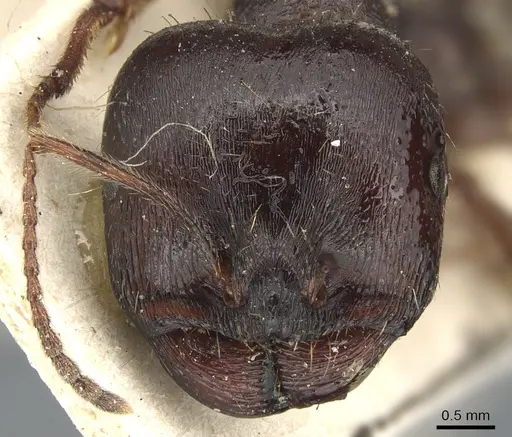
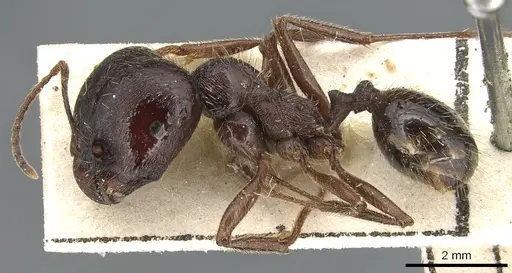
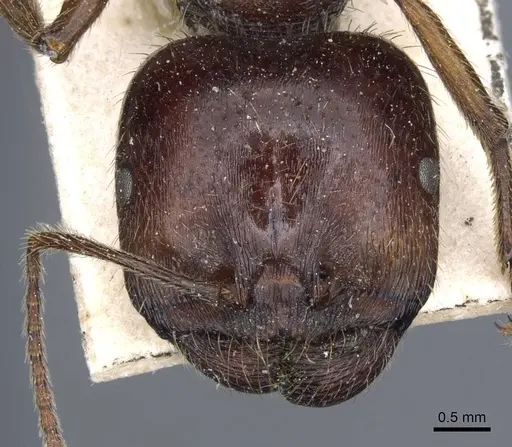
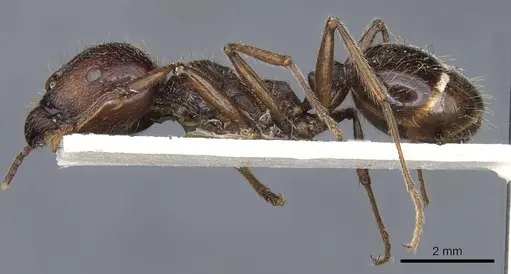
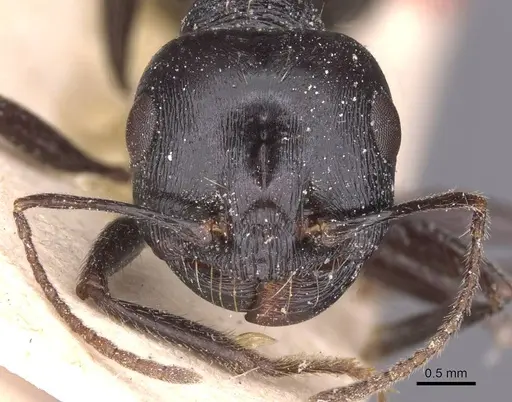
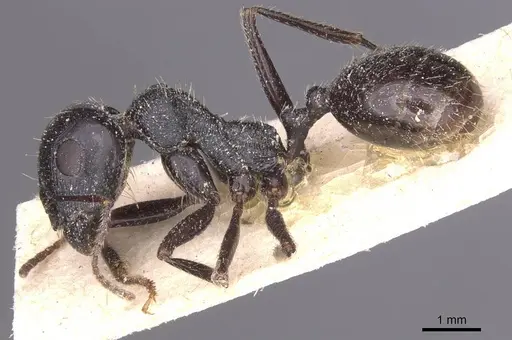
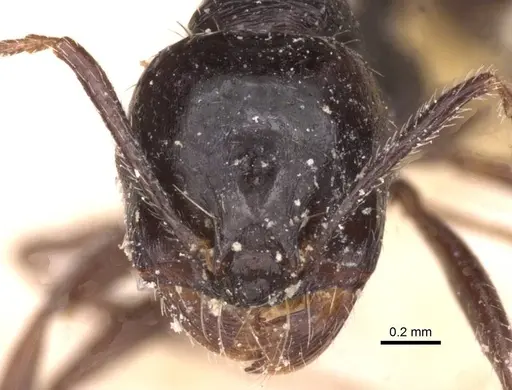
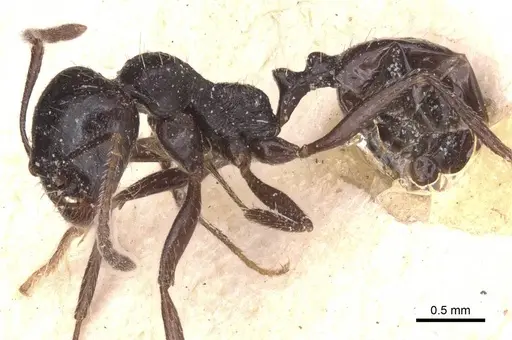
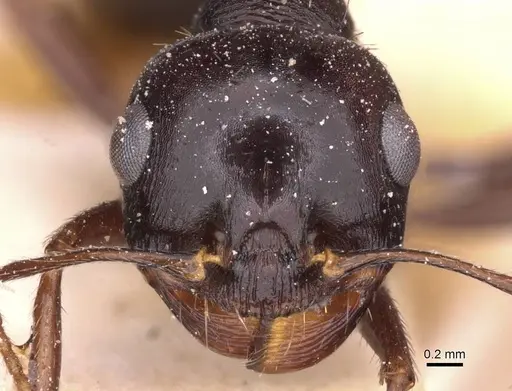
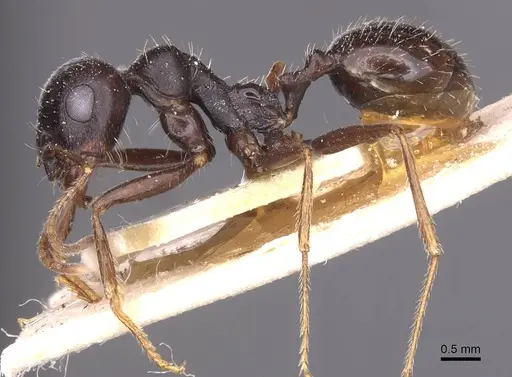
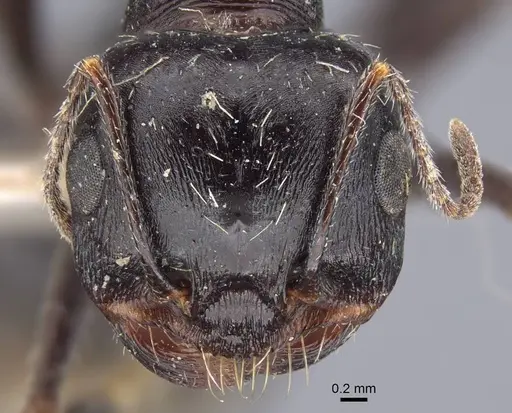
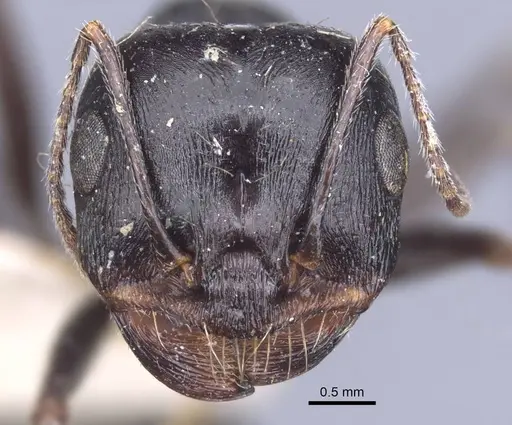
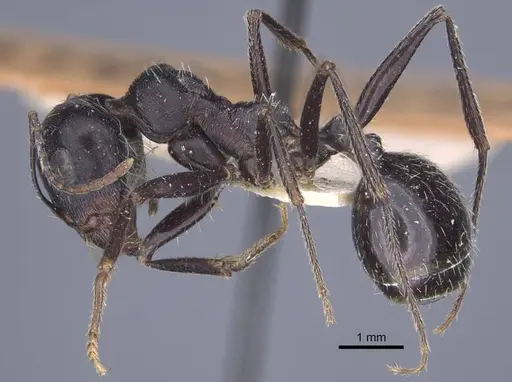
Messor variabilis is a harvester ant species native to Central Asia, found across Kazakhstan, Turkmenistan, Iran, and Afghanistan . Workers have the characteristic Messor body shape with a distinct head and mandibles adapted for seed processing. They are dark brown to black with lighter legs. This species is a true harvester ant - they collect seeds from the ground and store them in specialized underground chambers, making them fascinating to watch as they bring cargo back to the nest. They build elaborate nests with characteristic volcano-like mounds around the entrance and use deep soil horizons for their food storage chambers .
Quick Summary
- Difficulty: Easy
- Origin & Habitat: Central Asia, found in deserts and semi-arid regions of Kazakhstan, Turkmenistan, Iran, and Afghanistan [1][4]. They inhabit plains and foothills, with records from elevations ranging from 1051m to 2365m [4][1]. This is a dryland species adapted to harsh steppe and desert conditions. It serves as an indicator species for Northern steppe habitat in Iran [5].
- Colony Type: Monogyne, single queen colonies. These ants build complex single-section nests with different tunnel areas serving specific functions: seed storage chambers, brood chambers, and food waste areas [3].
- Size & Growth:
- Queen: ~12-16mm, inferred from Messor genus
- Worker: ~4-10mm, inferred from Messor genus
- Colony: Up to several thousand workers typical for Messor species
- Growth: Moderate, typical for seed-harvesting ants
- Development: Estimated 8-12 weeks based on genus patterns (Development time is temperature-dependent. Warmer conditions within safe range accelerate development.)
- Antkeeping:
- Temperature: Keep at 22-26°C. They tolerate temperature variation well, reflecting their natural habitat in Central Asian deserts with hot summers and cold winters [4].
- Humidity: Low to moderate, these are desert-adapted ants. Keep the nest substrate dry with a small water tube for drinking. Avoid high humidity which can cause mold in seed stores.
- Diapause: Yes, based on their geographic range in Central Asia, they require a winter rest period of 2-3 months at 10-15°C. This mimics their natural cycle where temperatures drop significantly in winter.
- Nesting: Y-tong (AAC) nests work well due to their need for deep chambers for seed storage. Plaster or acrylic nests are also suitable. They need tight chambers for seed storage and brood areas. Avoid overly humid setups.
- Behavior: Generally peaceful and not aggressive toward keepers. Workers are active foragers that search for seeds and other plant matter. They have major workers (larger) and minor workers (smaller) that work together efficiently. Escape risk is moderate, they are not particularly small but can climb smooth surfaces. Close-fitting lids and barrier tape are recommended. They are daytime foragers, most active during warmer hours.
- Common Issues: seed storage mold, keep nest dry to prevent fungal growth on stored seeds, overfeeding, excess seeds can mold, offer amounts they can consume within a few days, hibernation failure, skipping winter rest can weaken colonies over time, escape during feeding, workers can slip out when collecting seeds, use barrier tape, flooding risk, their natural nests go deep, avoid water leaks that could drown seed stores
Nest Preferences and Setup
Messor variabilis needs nests that accommodate their seed-storage behavior. In the wild, they build elaborate underground chambers with seed stores concentrated at 20-60cm depth and the brood area in a separate section without its own entrance [3]. For captivity, Y-tong (AAC) nests work excellently because they provide the dark, dry conditions these ants prefer. Plaster or acrylic formicaria are also suitable. The key is providing enough horizontal chamber space for seed storage, these ants will hoard seeds in dedicated chambers just like they do in the wild. A small water test tube should always be available for drinking. Keep the nesting area dry, high humidity causes mold that destroys their seed stores. The outworld can be larger since they are active foragers.
Feeding and Diet
As true harvester ants, Messor variabilis primarily eats seeds, this is why they're called 'harvester' ants. They collect seeds from the environment, bring them back to the nest, and store them in specialized chambers [3]. In captivity, offer a variety of seeds: grass seeds, millet, flax, and commercial ant seed mixes work well. They also accept protein sources like dead insects, but seeds should make up the majority of their diet. The average seed size they collect in the wild is about 6.3mg [3], so offer seeds in that size range. Remove any uneaten seeds after a few days to prevent mold. They will also drink sugar water or honey occasionally. Major workers (the larger ones) are particularly good at processing and cracking larger seeds.
Temperature and Seasonal Care
Messor variabilis comes from Central Asia where temperatures swing dramatically between seasons. Keep them at 22-26°C during the active season, they handle warmer temperatures well since their native habitat includes hot desert summers. During winter, they require a diapause (hibernation) period of 2-3 months at 10-15°C. This winter rest is essential for colony health and longevity. Simply move them to a cool location like an unheated garage or basement for the winter months. Do not feed during diapause. In summer, they are most active and this is when the colony will grow fastest. Their natural nest structure with deep chambers helps them survive extreme temperatures in the wild. [4]
Behavior and Colony Dynamics
This species shows classic harvester ant behavior with distinct worker castes. Major workers have larger heads and mandibles for cracking and processing seeds, while minor workers handle brood care and general nest maintenance [3]. They build characteristic volcano-like mounds around nest entrances in the wild, with chambers in the mound for food waste [3]. Colonies are monogyne with a single queen. Workers are not aggressive and rarely sting, they are more likely to flee or hide when disturbed. However, they are persistent foragers and will actively search the outworld for food. The colony will establish well-defined trails to food sources once they discover them.
Frequently Asked Questions
How long does it take for Messor variabilis to get first workers?
Expect first workers (nanitics) in about 8-12 weeks after the queen lays eggs, depending on temperature. Warmer temperatures within their range (22-26°C) speed up development. The queen raises the first brood alone in a claustral chamber.
Can I keep Messor variabilis in a test tube?
Test tubes work for founding colonies but you'll need to move them to a proper nest (Y-tong or formicarium) once the colony reaches 20-30 workers. They need chamber space for seed storage.
Do Messor variabilis ants need hibernation?
Yes, they require a winter rest period of 2-3 months at 10-15°C. This is essential for colony health. Skip hibernation and the colony will weaken over time.
What do Messor variabilis eat?
Seeds are their primary food, offer grass seeds, millet, flax, or commercial ant seed mixes. They also accept small insects for protein. Remove uneaten seeds to prevent mold.
Are Messor variabilis good for beginners?
Yes, they are considered easy to keep. They are forgiving of minor care mistakes, don't require high humidity, and are fascinating to watch as they harvest and store seeds.
How big do Messor variabilis colonies get?
While exact numbers aren't documented for this species, Messor colonies typically reach several thousand workers. Growth is moderate, expect a few years to reach large colony size.
Do Messor variabilis ants sting?
They have a stinger but rarely use it. They are not aggressive and will typically flee rather than attack. They are safe to handle gently.
When should I move my Messor variabilis to a formicarium?
Move them once the colony reaches 20-30 workers or when the test tube becomes cramped. They need proper chamber space for seed storage and brood development.
Why is mold growing in my Messor nest?
The nest is too humid or you're offering too many seeds. Messor ants need dry conditions. Reduce humidity, remove uneaten seeds, and ensure ventilation.
Report an Issue
The current care sheet is based fully on literature. See inconsistencies, or something that's incorrect? Please , it will be resolved after review from an admin. Contributing to the blogs tab also helps providing information, to make us be able to further improve the caresheets. Thank you for your support!
References

This caresheet is licensed under CC BY-SA 4.0 .
Community Blogs
CASENT0281593
View on AntWeb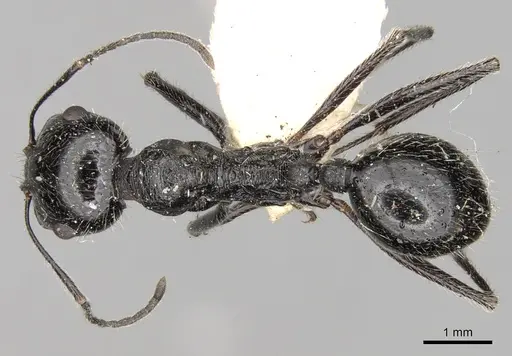
CASENT0901474
View on AntWeb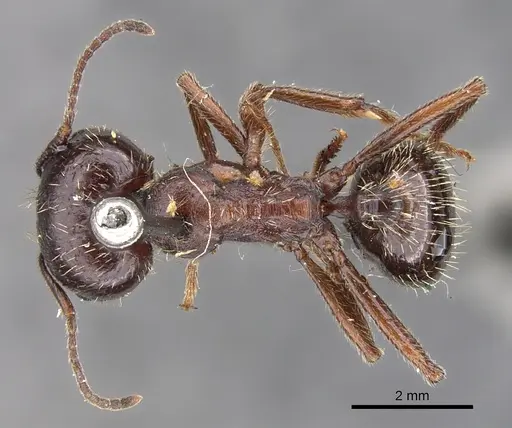
CASENT0904130
View on AntWeb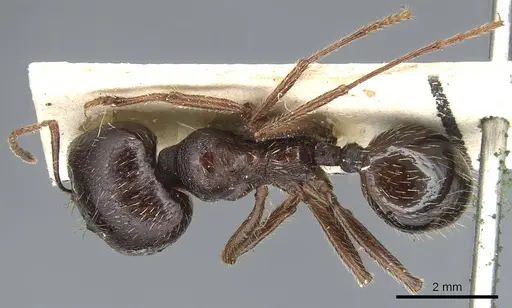
CASENT0905855
View on AntWeb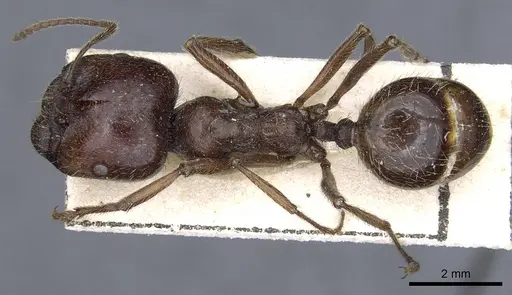
CASENT0913231
View on AntWeb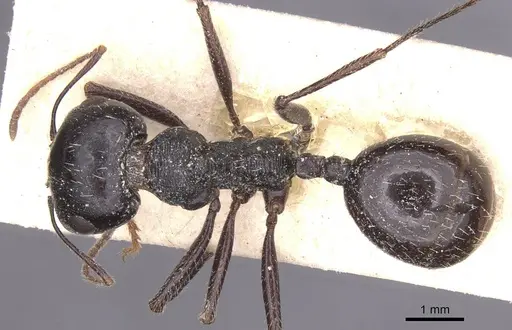
CASENT0913232
View on AntWeb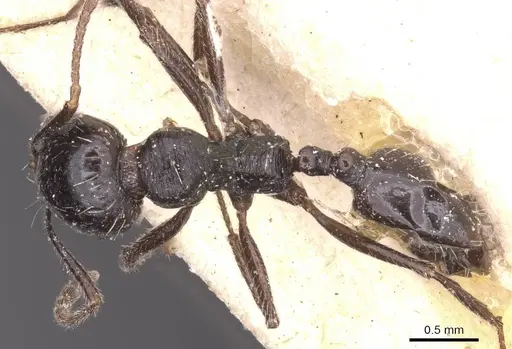
CASENT0913233
View on AntWeb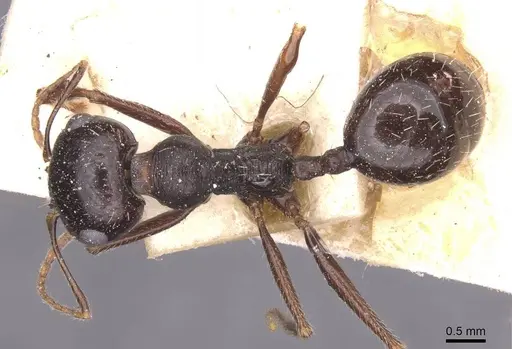
CASENT0916945
View on AntWeb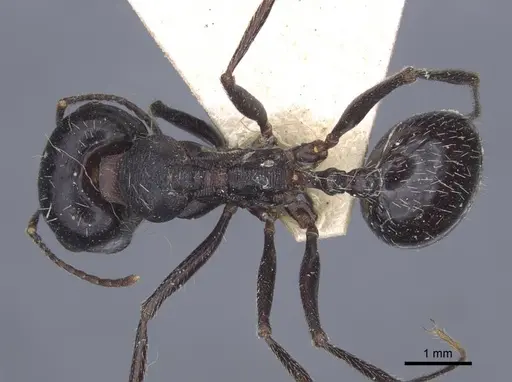
Literature
Loading distribution map...Loading products...