
Rugged Harvester Ant
Messor striatifrons
- Sci. Name
- Messor striatifrons
- Tribe
- Stenammini
- Subfamily
- Myrmicinae
- Author
- Stitz, 1923
- Common Name
- Rugged Harvester Ant
- Distribution
- Found in 1 countries
Introduction
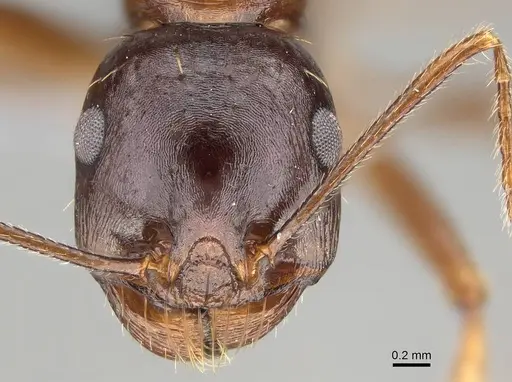
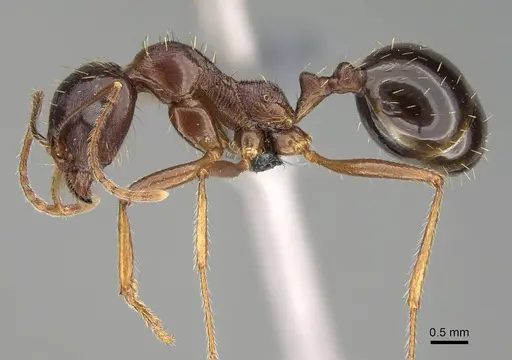
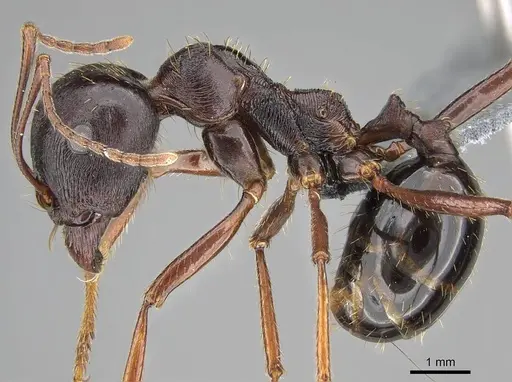
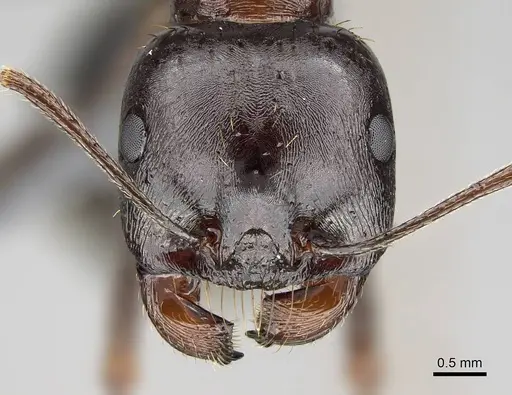
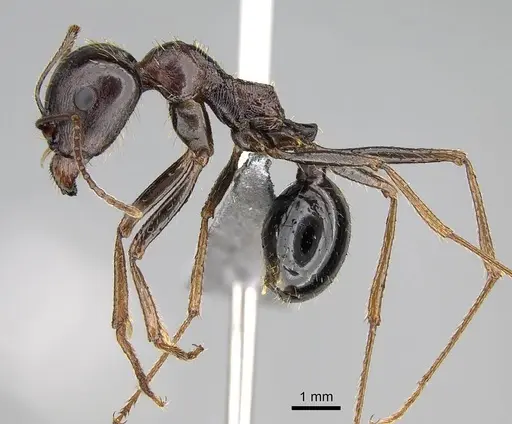
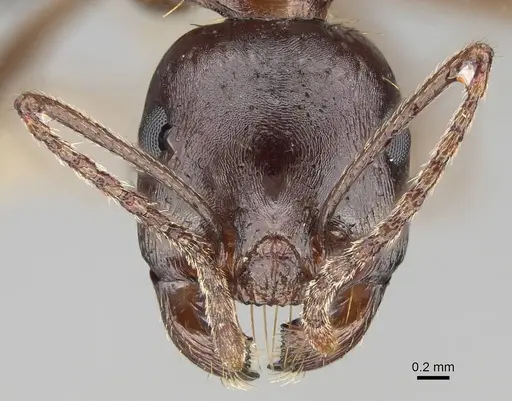
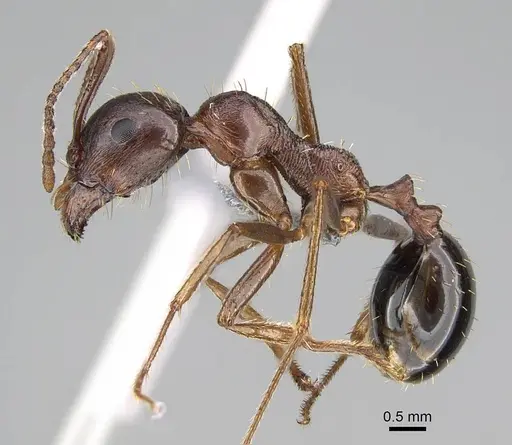
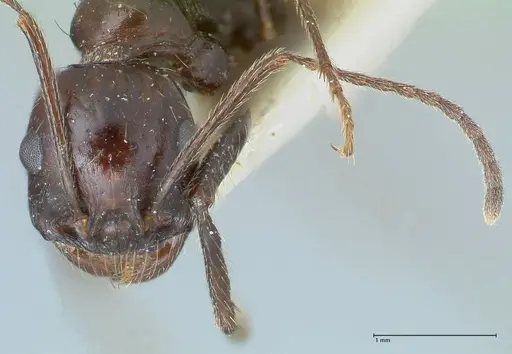
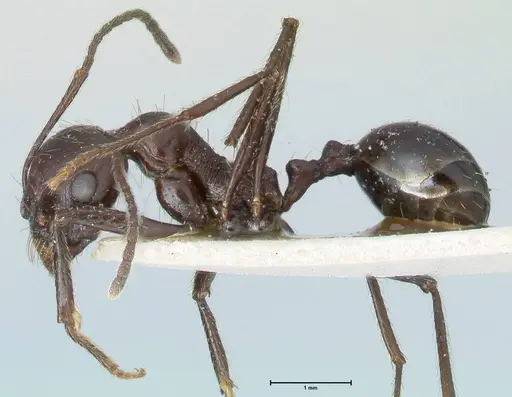
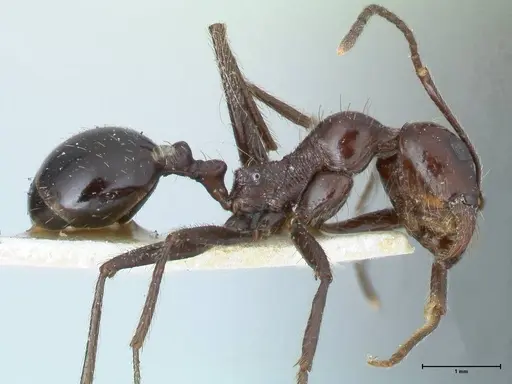
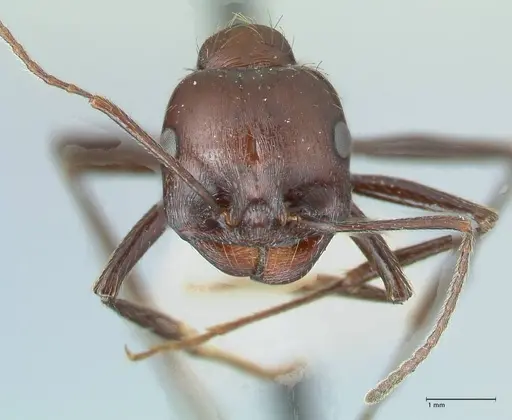
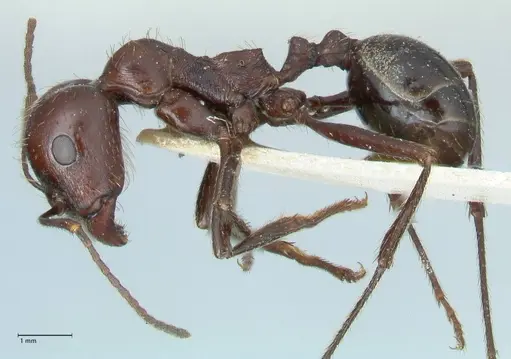
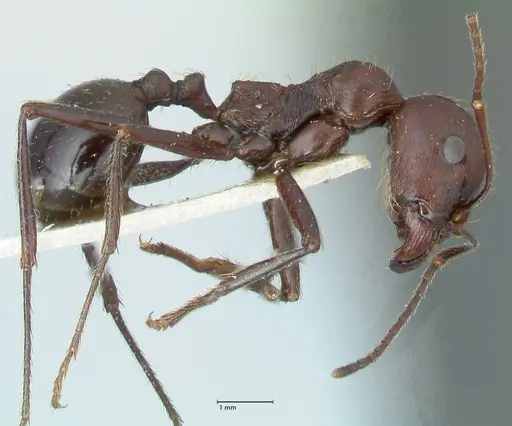
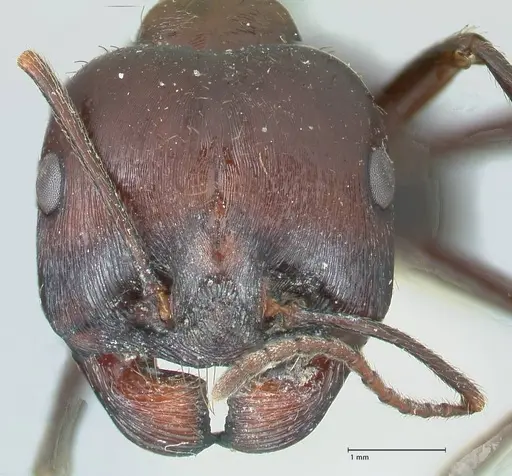
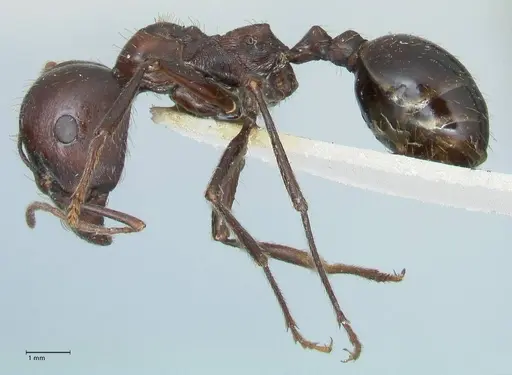
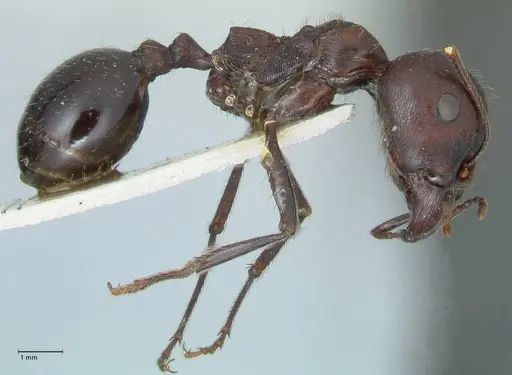
Messor striatifrons is a medium to large harvester ant native to Namibia and South Africa. Workers are medium to dark brown, often with a darker blackish gaster. This species belongs to the Messor capensis group and is characterized by its relatively long, low propodeum and convex head sides. The dorsal surface of the head features fine longitudinal rugulae with punctate ground sculpture. As a harvester ant, this species collects and processes seeds as a primary food source, making them important seed dispersers in their arid African habitat . This species is known only from the worker caste - queen caste has not been described .
Quick Summary
- Difficulty: Easy
- Origin & Habitat: Namibia and South Africa in the Afrotropical region. This species inhabits extratropical latitudes around -27° and is found in dry savanna and grassland environments typical of harvester ants [2][1].
- Colony Type: Colony structure is unconfirmed for this species. Most Messor species are single-queen colonies, but specific data for M. striatifrons is unavailable [1].
- Size & Growth:
- Queen: Size data unavailable, queen measurements have not been described in scientific literature
- Worker: Approximately 6-9 mm total length, inferred from Messor genus patterns (workers measure 2.84-3.75+ mm in head width) [1]
- Colony: Colony size data unavailable for this species
- Growth: Moderate, seed-harvesting ants typically grow steadily once established
- Development: Development timeline unconfirmed for this species (Temperature around 24-28°C likely supports optimal brood development based on genus patterns)
- Antkeeping:
- Temperature: Keep at 24-28°C. A heating cable on one side of the nest creates a gentle gradient allowing ants to thermoregulate. Room temperature within this range is acceptable [1].
- Humidity: Low to moderate. Harvester ants from arid regions prefer dry conditions. Keep nest substrate moderately dry with occasional moisture zones. Avoid damp conditions that can cause mold [1].
- Diapause: Yes, southern African populations likely require a winter rest period. Reduce temperature to 15-18°C for 2-3 months during winter months, mimicking their natural seasonal cycle [1].
- Nesting: Y-tong (AAC) nests or plaster nests work well. Provide a dry to moderately humid nest chamber with a small water reservoir. These ants do well in formicariums with compact chambers scaled to their medium-large size. A foraging area with access to seeds and protein is essential [1].
- Behavior: Docile and non-aggressive. Workers are active foragers that collect seeds and will also hunt small insects. They are not known to sting and pose no danger to keepers. Their large size relative to many other ants makes them easy to observe. Workers are polymorphic, major workers have larger heads for seed processing. Escape risk is moderate, standard barriers are usually sufficient for ants this size [1].
- Common Issues: mold growth from overwatering, keep substrate relatively dry, colonies may fail if temperatures drop too low during development, seed storage can attract pests if not managed, clean unused seeds regularly, slow initial growth during founding phase can concern new keepers, wild-caught colonies may contain parasites that affect captive health
Nest Preferences
Messor striatifrons naturally nests in soil in arid to semi-arid savanna regions. In captivity, they do well in Y-tong (AAC) nests or plaster formicariums. Provide nest chambers that are relatively compact, these ants prefer snug spaces that help maintain humidity gradients. Include a small water reservoir in the nest setup to provide moisture without creating overly damp conditions. The outworld (foraging area) should be spacious enough for workers to carry seeds and have enough room for seed storage. A layer of sand or soil mix in the foraging area allows natural foraging behavior. Avoid nests with overly large chambers as this can stress the colony [1].
Feeding and Diet
As harvester ants, Messor striatifrons primarily collects seeds. In captivity, offer a variety of seeds, grass seeds, millet, sunflower seeds (cracked), and commercial ant seed mixes work well. They will also accept protein sources like small insects (fruit flies, pinhead crickets, mealworms) and cat food. Sugar water or honey can be offered occasionally but is not a primary food source for this species. Provide a shallow water source at all times. Workers are polymorphic, larger major workers specialize in seed processing and can crack harder seeds. Remove uneaten seeds periodically to prevent mold. The colony will establish granaries to store seeds for winter [1].
Temperature and Seasonal Care
Maintain temperatures between 24-28°C for optimal colony growth and brood development. A heating cable placed on top of the nest (never underneath where it can dry out the substrate too quickly) creates a thermal gradient. Room temperature within this range works without additional heating. During winter months, simulate their natural seasonal cycle by reducing temperatures to 15-18°C for 2-3 months. This diapause period is important for colony health and mimics their natural behavior in southern Africa. Do not feed heavily during hibernation and reduce moisture. Resume normal feeding and warming in spring when queens become active again [1].
Behavior and Colony Dynamics
Messor striatifrons is a docile species that rarely shows aggression toward keepers. Workers are active foragers that search for seeds and small insects. Workers are polymorphic, minor workers handle general tasks while major workers have enlarged heads for seed cracking. This species does not sting and poses no danger to humans. They are moderate escape artists for their size, standard barrier methods like fluon on the rim of the formicarium are sufficient. Colonies grow steadily over several years. The queen can live for many years, with colonies persisting for a decade or more under good conditions [1].
Frequently Asked Questions
How long does it take for Messor striatifrons to get first workers?
Development timeline is unconfirmed for this species. Based on typical Messor development at 24-28°C, expect first workers several months after the queen lays eggs. The founding phase can take several months as the queen raises her first brood alone without foraging [1].
Can I keep multiple Messor striatifrons queens together?
Colony structure is unconfirmed for this species. Most Messor species are single-queen colonies, but you should start with one queen to be safe. Multiple founding queens will typically fight and only one will survive to establish the colony [1].
What do Messor striatifrons eat?
They are primarily seed-eaters. Offer grass seeds, millet, cracked sunflower seeds, and commercial seed mixes. They also accept small insects like fruit flies, mealworms, and pinhead crickets. Provide a constant water source [1].
Do Messor striatifrons ants sting?
No, this species is not known to sting and is completely safe to handle. They are docile harvester ants that pose no danger to keepers [1].
What temperature do Messor striatifrons need?
Keep them at 24-28°C. A heating cable on the nest creates a gradient. Room temperature within this range works fine. They also need a winter rest period of 2-3 months at 15-18°C [1].
Are Messor striatifrons good for beginners?
Yes, they are considered easy to keep. They are docile, do not sting, and have straightforward care requirements. The main challenges are providing proper seeds and managing the winter diapause period [1].
How big do Messor striatifrons colonies get?
Colony size data is unavailable for this species. Based on typical Messor patterns, established colonies can reach several thousand workers over several years. The queen can live for many years, with colonies potentially lasting over a decade [1].
Do Messor striatifrons need hibernation?
Yes, they benefit from a winter rest period. Reduce temperatures to 15-18°C for 2-3 months during winter to mimic their natural seasonal cycle in southern Africa [1].
When should I move my colony to a formicarium?
Move from the founding test tube setup to a formicarium once the colony reaches 50-100 workers and the test tube is becoming crowded. Ensure the formicarium has appropriate seed storage space and humidity control [1].
Why are my Messor striatifrons dying?
Common causes include: overwatering causing mold, temperatures too low for development, poor seed quality, or parasites from wild-caught colonies. Check that humidity is moderate (not wet), temperatures are stable at 24-28°C, and remove uneaten seeds regularly [1].
Report an Issue
The current care sheet is based fully on literature. See inconsistencies, or something that's incorrect? Please , it will be resolved after review from an admin. Contributing to the blogs tab also helps providing information, to make us be able to further improve the caresheets. Thank you for your support!
References

This caresheet is licensed under CC BY-SA 4.0 .
Community Blogs
CASENT0217881
View on AntWeb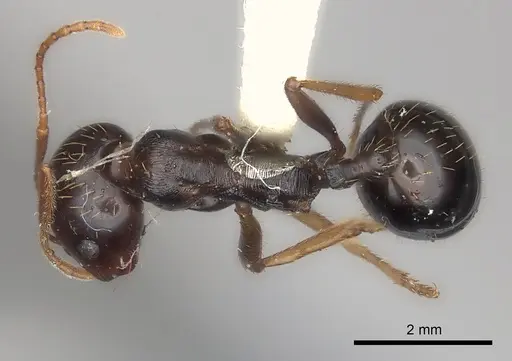
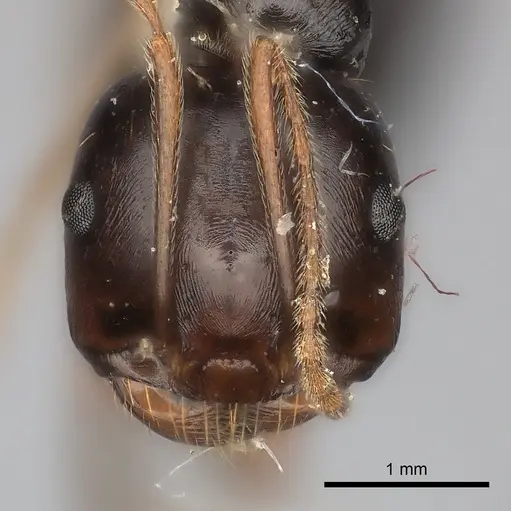
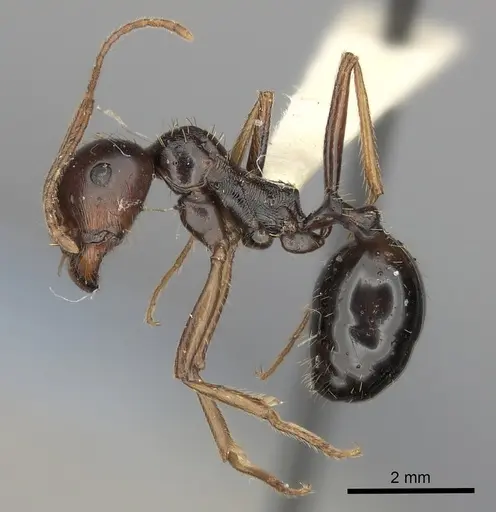
CASENT0785963
View on AntWeb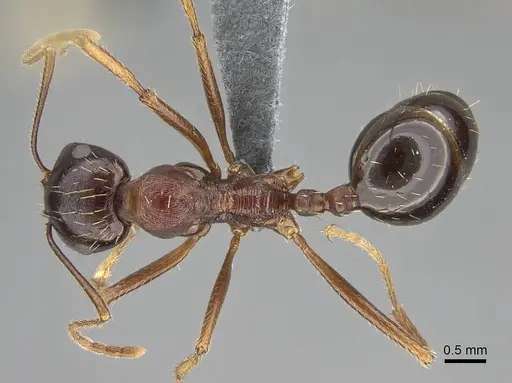
CASENT0785965
View on AntWeb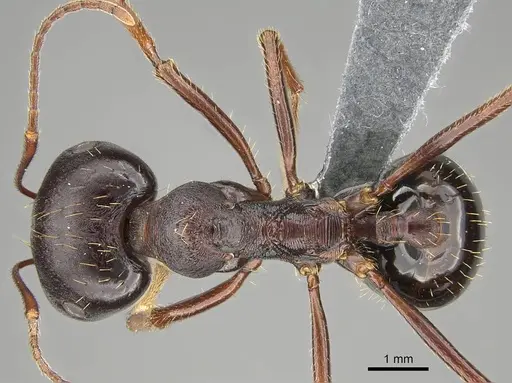
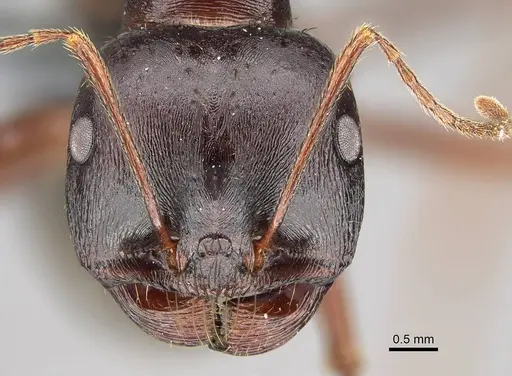
CASENT0915991
View on AntWeb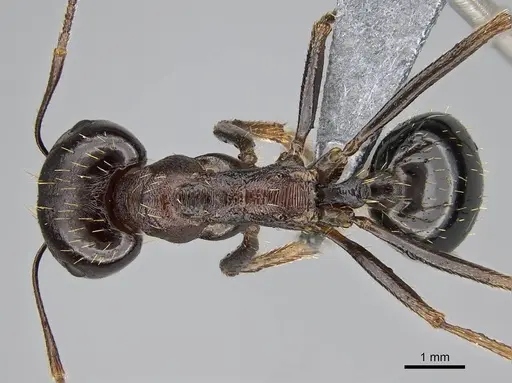
CASENT0915992
View on AntWeb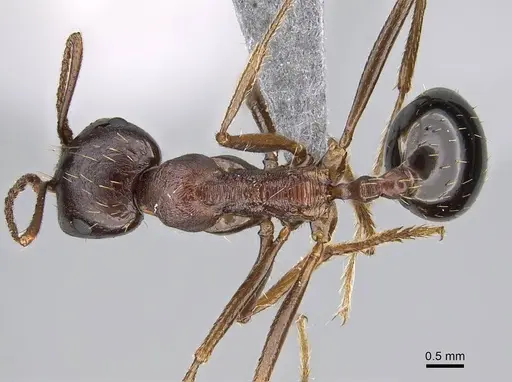
FOCOL1282
View on AntWeb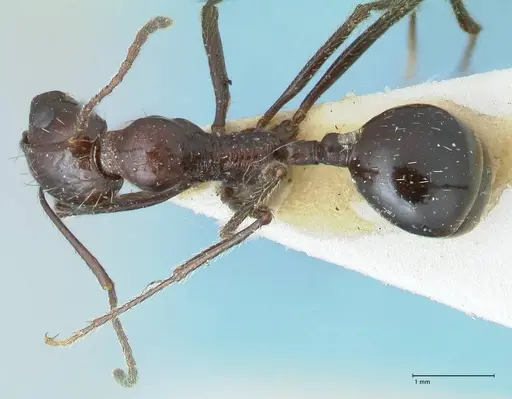
FOCOL1283
View on AntWeb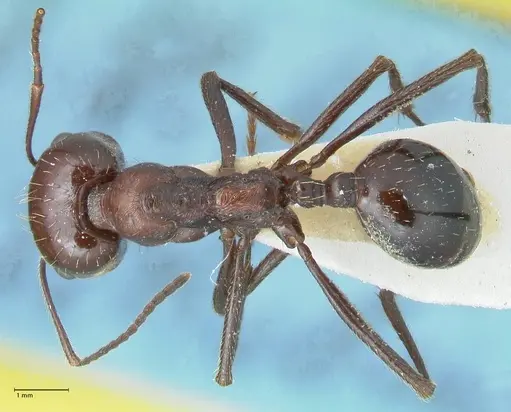
FOCOL1284
View on AntWeb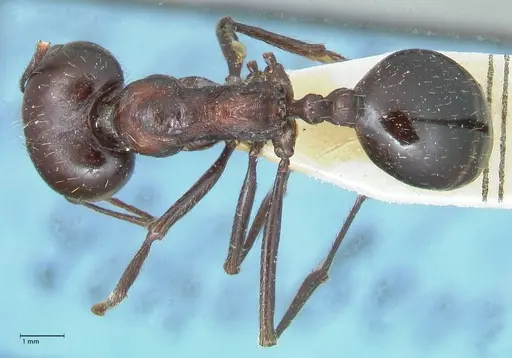
Literature
Loading distribution map...Loading products...