
Messor striatellus
- Sci. Name
- Messor striatellus
- Tribe
- Stenammini
- Subfamily
- Myrmicinae
- Author
- Arnol'di, 1970
- Distribution
- Found in 0 countries
Introduction
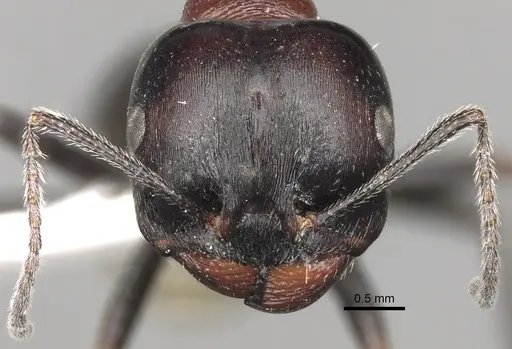
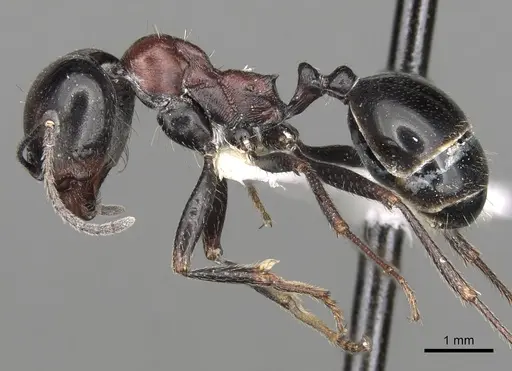
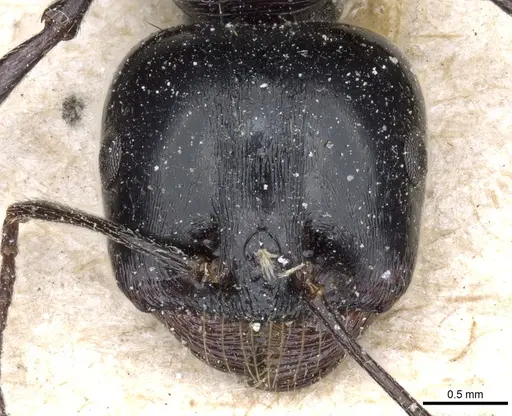
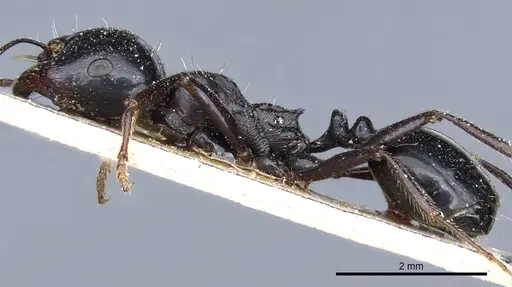
Messor striatellus is a medium-sized harvester ant found in the Palearctic region, specifically in the deserts and semi-deserts of Xinjiang, China and Tajikistan. Workers are characterized by their relatively large size with a cephalic index greater than 100,and notably possess pale yellow long hairs on the thorax . These ants are seed-harvesters by nature, collecting and processing seeds as their primary food source, which they store in granaries within their nests. As a desert-dwelling species, they have adapted to survive in harsh, arid environments with extreme temperature fluctuations between seasons.
Quick Summary
- Difficulty: Easy
- Origin & Habitat: Palearctic region, found in the deserts and semi-deserts of Xinjiang, China (Karamay, Urumqi, Jimusar) and Tajikistan. Type locality is Romit, Tajikistan [2][1][3].
- Colony Type: Single-queen colonies typical for the genus Messor. Colonies grow to moderate sizes with workers ranging from small minor workers to large major workers (caste polymorphism).
- Size & Growth:
- Queen: size data unavailable, no specific measurements found in research
- Worker: large workers (major workers) approximately 6-8mm, minor workers smaller, inferred from described large worker morphology [1]
- Colony: up to 2000 workers at maturity based on typical Messor colony development
- Growth: Moderate, seed-harvesting ants typically grow at a steady pace, faster in warm months
- Development: development timeline unconfirmed for this species, estimated 8-12 weeks based on typical Messor development patterns (Development is temperature-dependent, faster in warm conditions, slower in cooler temperatures. First workers (nanitics) are typically smaller than mature workers.)
- Antkeeping:
- Temperature: Keep at 24-28°C during active season. Desert species can tolerate temperatures from 20°C up to 35°C, but avoid extreme heat. A temperature gradient allows ants to self-regulate [1].
- Humidity: Low to moderate, desert species prefers dry conditions. Keep nest substrate relatively dry with occasional moist areas for brood care. Avoid constant high humidity that can cause mold.
- Diapause: Yes, as a Palearctic species, colonies require a winter dormancy period. Reduce temperature to 10-15°C for 3-4 months (November-February in Northern Hemisphere) [2].
- Nesting: Prefers dry, sandy or loamy soil substrates. In captivity, a naturalistic setup with a sand-soil mix works well, or a Y-tong/plaster nest with dry chambers. Avoid overly moist substrates.
- Behavior: Generally peaceful and non-aggressive toward keepers. Workers are active foragers that collect seeds and will readily take protein foods as well. Major workers (soldiers) have larger heads for seed processing. They are not known to sting aggressively, but may bite if threatened. Escape risk is moderate, standard test tube or formicarium barriers are sufficient for their size.
- Common Issues: mold growth from overwatering, keep substrate relatively dry., colonies may fail if kept too moist during hibernation., slow initial growth can lead to overfeeding by impatient keepers., wild-caught colonies may contain parasites that need treatment., ensure seed substrates are available for natural foraging behavior.
Nest Preferences and Housing
Messor striatellus is a ground-nesting harvester ant that prefers dry, sandy to loamy substrates in desert and semi-desert environments. In captivity, a naturalistic setup with a mix of sand and soil (roughly 70:30 sand to soil) works best, allowing the ants to dig chambers and tunnels. The substrate should be relatively dry, think desert floor, not tropical rainforest. A Y-tong nest can also work if you provide a dry foraging area with sand substrate. Avoid overly compact or wet substrates as these can cause mold issues. The nest should have multiple chambers connected by tunnels, mimicking their natural underground granaries. [1][3]
Feeding and Diet
As a harvester ant, Messor striatellus primarily collects and stores seeds. In captivity, offer a variety of seeds (millet, sunflower seeds, grass seeds) that they can process and store. They also readily accept protein sources like small insects (fruit flies, small crickets, mealworms). Sugar water or honey can be offered occasionally but is not their primary food source. Provide a shallow water dish for drinking, though they get most moisture from food. The key to feeding harvester ants is variety, offer different seed types and occasional protein to ensure balanced nutrition.
Temperature and Seasonal Care
This Palearctic desert species thrives at temperatures between 24-28°C during the active season. They can tolerate a range from 20°C to 35°C, but growth is optimal in the middle range. During summer months (roughly May through October), maintain warm temperatures and regular feeding. Come winter, they require a diapause period, reduce temperatures to 10-15°C and reduce feeding significantly. The hibernation period should last 3-4 months, typically November through February. Do not feed during hibernation, but provide a small water source. Gradual temperature changes are important, avoid sudden drops that could stress the colony. [2][1]
Colony Development and Growth
Messor striatellus exhibits caste polymorphism, meaning colonies have different worker sizes, small minor workers and large major workers with specialized functions. Major workers have enlarged heads for seed processing and granary work. The queen seals herself in a chamber and raises her first brood alone, using stored fat reserves. These first workers (nanitics) are typically smaller than mature workers. Growth is moderate, colonies expand steadily during the first year and can reach several hundred workers by the end of the second year under good conditions.
Behavior and Temperament
These ants are relatively peaceful and not particularly aggressive. Workers are active foragers that spend time collecting seeds and bringing them back to the nest for processing and storage. Major workers help crack open seeds with their powerful mandibles. They are diurnal, foraging during daylight hours. While they have the ability to bite, they rarely do so unless directly threatened. Their moderate size and calm temperament make them suitable for antkeepers of various experience levels. They are not known for excessive escape attempts compared to smaller species, but standard barrier methods still recommended.
Frequently Asked Questions
How long does it take for Messor striatellus to have first workers?
First workers typically emerge 8-12 weeks after the queen lays eggs, when kept at optimal temperatures of 25-28°C. The exact timing depends on temperature, cooler conditions slow development significantly.
What do Messor striatellus ants eat?
They are seed-harvesters, so their diet should include various seeds (millet, sunflower, grass seeds) along with occasional protein sources like small insects. They may also accept sugar water or honey occasionally.
Do Messor striatellus ants need hibernation?
Yes, as a Palearctic species they require a winter dormancy period. Reduce temperatures to 10-15°C for 3-4 months during winter (typically November-February). Reduce feeding during this period.
Can I keep multiple Messor striatellus queens together?
Messor species are typically single-queen (monogyne) colonies. Unlike some ant species, multiple queens will fight. Only keep one queen per colony.
Are Messor striatellus good for beginners?
Yes, they are considered an easy species to keep. They are relatively forgiving of minor care mistakes, don't require high humidity, and their seed-based diet is easy to provide. Their moderate size also makes them easier to house than very small species.
What temperature is best for Messor striatellus?
Keep them at 24-28°C during the active season. They can tolerate 20-35°C but growth is best in this range. A temperature gradient is ideal so they can choose their preferred spot.
How big do Messor striatellus colonies get?
Mature colonies typically reach up to 2000 workers. The exact size depends on care quality and available space. They have polymorphic workers, small minors and large majors.
Do Messor striatellus ants sting?
They can bite but rarely do so unless threatened. Their sting is not medically significant for humans. They are not considered dangerous or aggressive.
When should I move my Messor striatellus to a formicarium?
Keep them in a test tube setup for the founding stage. Once the colony reaches 30-50 workers and you see them actively foraging, you can move them to a naturalistic setup or formicarium with appropriate substrate.
Why is my Messor striatellus colony dying?
Common causes include: too much moisture (causes mold and kills colonies), poor nutrition, disturbing the queen during founding, or keeping them too cold. Ensure dry substrate, proper temperature, and minimal disturbance during founding.
Report an Issue
The current care sheet is based fully on literature. See inconsistencies, or something that's incorrect? Please , it will be resolved after review from an admin. Contributing to the blogs tab also helps providing information, to make us be able to further improve the caresheets. Thank you for your support!
References

This caresheet is licensed under CC BY-SA 4.0 .
Community Blogs
CASENT0281602
View on AntWeb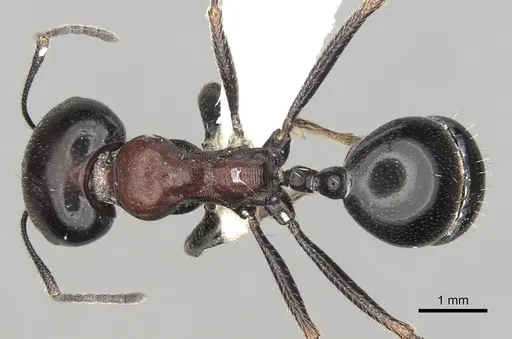
CASENT0904121
View on AntWeb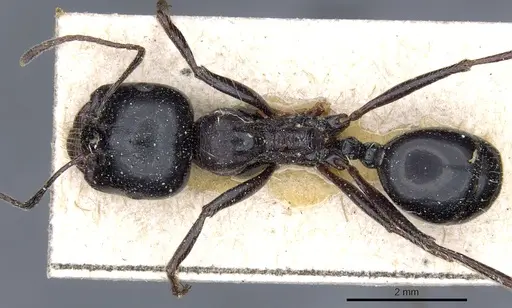
Literature
Loading distribution map...Loading products...