
Messor sordidus
- Sci. Name
- Messor sordidus
- Tribe
- Stenammini
- Subfamily
- Myrmicinae
- Author
- Forel, 1892
- Distribution
- Found in 1 countries
Introduction
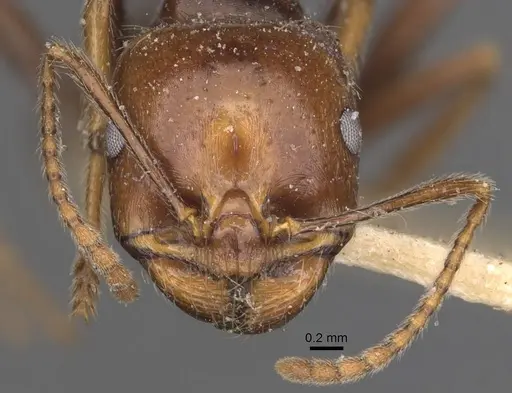
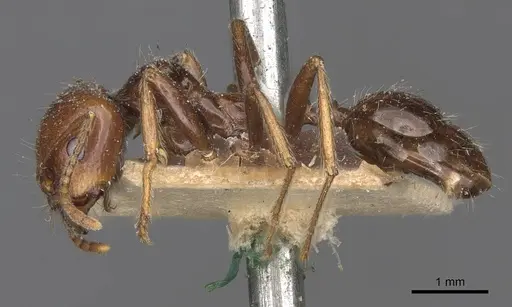
Messor sordidus is a medium-sized harvester ant native to the Mediterranean region of Europe and North Africa, including Spain, France, and Morocco. Workers measure around 5-8mm and have a distinctive brownish-yellow coloration with a darkened tip on the gaster (abdomen). The propodeum (the section behind the thorax) has two faces that meet at roughly a right angle, and the petiole is narrow at the top, giving it a characteristic sugar-loaf shape. These ants are subterranean and primarily nocturnal, spending most of their time underground where they build extensive tunnel systems. As harvesters, they collect and store seeds as their primary food source, making them important seed dispersers in their native ecosystems .
Quick Summary
- Difficulty: Medium
- Origin & Habitat: Mediterranean regions of Spain, France, and Morocco. They inhabit dry, open areas with sandy or loose soil where they can easily excavate their underground nests [1][2].
- Colony Type: Colony type is unconfirmed. The founding behavior is claustral, the queen seals herself in a chamber and raises the first brood without foraging.
- Size & Growth:
- Queen: ~10-12mm, inferred from Messor genus patterns
- Worker: 5-8mm [1]
- Colony: Up to several thousand workers at maturity
- Growth: Moderate
- Development: 6-10 weeks at optimal temperature, estimated from Messor genus patterns (Development time follows typical Messor patterns, claustral founding means the queen raises first brood alone without foraging)
- Antkeeping:
- Temperature: Keep around 22-26°C. Mediterranean species prefer warm conditions. A heating cable on one side of the nest creates a suitable gradient.
- Humidity: Low to moderate. These are dry-adapted ants, keep the nest substrate relatively dry, similar to their natural sandy habitat. Provide a water tube for drinking but avoid excessive moisture.
- Diapause: Yes, a winter rest period around 10-15°C for 2-3 months is recommended to simulate natural seasonal cycles [2].
- Nesting: Y-tong nests or plaster nests work well. They prefer tight chambers and narrow passages. A naturalistic setup with sandy substrate allows them to exhibit natural tunneling behavior. Keep nesting area dark as they are nocturnal and subterranean.
- Behavior: Peaceful temperament but defensive when threatened. Workers are active primarily at night (nocturnal). They are seed-harvesters and will collect and store seeds in their nest. Workers are medium-sized and can deliver a mild bite if handled roughly. Escape risk is moderate, they are not particularly small but can climb smooth surfaces. Use standard barrier methods.
- Common Issues: overfeeding leading to mold in seed stores, only offer fresh seeds and remove uneaten ones, keeping humidity too high causes fungal problems, these are dry-adapted ants, colonies can become sluggish if temperatures drop below their preferred range, test tube setups may be too cramped for established colonies, transition to formicarium when colony reaches 30+ workers, queen can die during founding if disturbed, minimize vibrations and light exposure
Nest Preferences and Setup
Messor sordidus is a subterranean species that naturally nests in sandy or loose soil, excavating complex tunnel systems underground. In captivity, they adapt well to several nest types. Y-tong (acrylic) nests work excellently, the tight chambers mimic their natural underground tunnels and allow you to observe colony activity. Plaster nests are another good option, especially if you want to maintain slightly drier conditions. For a more naturalistic approach, fill a container with sandy substrate and let the ants excavate their own tunnels. Keep the nest area dark or dimly lit, these ants are nocturnal and prefer subdued lighting. The outworld (foraging area) should be simple and easy to clean. Ensure escape prevention is in place, though they are not extreme escape artists like some tiny species. [1][2]
Feeding and Diet
As harvester ants, Messor sordidus collects and stores seeds as their primary food source. In captivity, offer a variety of seeds, millet, chia, flax, and birdseed mixes are all readily accepted. They will crack open seeds to eat the nutritious contents inside. While seeds form the bulk of their diet, they also benefit from occasional protein. Offer small insects like fruit flies, mealworms, or crickets once or twice a week. Some colonies will accept sugar water or honey as an occasional treat, but this should not be a primary food source. Remove any uneaten seeds that show signs of mold to keep the nest clean. Fresh water should always be available, a simple water tube with a cotton plug works well. [2]
Temperature and Seasonal Care
These Mediterranean ants thrive in warm conditions. Keep the nest area between 22-26°C for optimal brood development. A small heating cable placed on one side of the nest creates a temperature gradient that allows the ants to regulate their own temperature by moving between warmer and cooler areas. During winter, simulate their natural seasonal cycle with a diapause (hibernation) period. Reduce temperatures to 10-15°C for 2-3 months, typically from late autumn through winter. During diapause, reduce feeding significantly, the colony will be less active and require less food. Do not feed during deep hibernation. After the hibernation period, gradually warm the colony back to room temperature to trigger spring activity. [2]
Behavior and Colony Dynamics
Messor sordidus is a nocturnal species, workers become most active in the evening and night hours when they forage and tend to their seed stores. The colony is organized with clear roles: the queen stays underground laying eggs, workers maintain the nest, tend to brood, and forage for seeds. Unlike some aggressive ant species, they are generally peaceful and will focus on their foraging activities rather than defending aggressively. However, they will defend the nest if threatened. Workers are medium-sized and can deliver a mild bite, though they are not particularly aggressive toward keepers. The colony will grow steadily over time as the queen continuously produces new workers. A healthy mature colony can contain several thousand workers. [1]
Frequently Asked Questions
Can I keep Messor sordidus in a test tube?
Test tubes work for founding colonies, but you'll need to move them to a proper formicarium once the colony reaches 30-50 workers. These ants are subterranean and need space to tunnel and store seeds. A Y-tong or plaster nest is more suitable for established colonies.
How long does it take for Messor sordidus to produce first workers?
Expect first workers (nanitics) around 6-10 weeks after the queen lays eggs, assuming temperatures around 24-26°C. The exact timing depends on temperature and feeding. The claustral queen raises the first brood entirely on her own using stored fat reserves.
What do Messor sordidus eat?
Seeds are their primary food, offer millet, chia, flax, or birdseed mixes. They also need protein occasionally, so supplement with small insects like fruit flies or mealworms once or twice weekly. Some colonies accept sugar water or honey as treats.
Do Messor sordidus ants sting?
They can deliver a mild bite with their mandibles if handled roughly, but they are not aggressive toward keepers and rarely sting. Their main defense is retreating underground rather than attacking.
Are Messor sordidus good for beginners?
They are rated as medium difficulty. While not the hardest species, they do have specific needs, dry conditions, warm temperatures, and seed-based diet. Beginners should research harvester ant care before getting started. They are more forgiving than some tropical species but require understanding of their seasonal needs.
Do Messor sordidus need hibernation?
Yes, a winter diapause is recommended. Reduce temperatures to 10-15°C for 2-3 months during winter. This mimics their natural Mediterranean seasonal cycle and helps keep the colony healthy. Reduce feeding during this period and avoid disturbing them.
When should I move my Messor sordidus to a formicarium?
Move them when the colony reaches 30-50 workers and the test tube is becoming cramped. Signs include workers clustering at the cotton, reduced brood production, or the queen spending more time in the water chamber. Have the formicarium ready and connect it to the test tube, do not force them out.
How big do Messor sordidus colonies get?
Mature colonies can reach several thousand workers. Growth is moderate, expect a few hundred workers in the first year under good conditions, with growth accelerating in subsequent years as the queen continues producing.
Can I keep multiple Messor sordidus queens together?
No, this species is monogyne, they form single-queen colonies. Introducing multiple unrelated queens will result in fighting. Only one queen should be kept per colony.
Why are my Messor sordidus dying?
Common causes include: too high humidity (they prefer dry conditions), temperatures outside their 22-26°C range, disturbing the queen during claustral founding, or mold from uneaten seeds. Check that the nest is not too wet and remove moldy food promptly. Ensure they have proper ventilation.
Report an Issue
The current care sheet is based fully on literature. See inconsistencies, or something that's incorrect? Please , it will be resolved after review from an admin. Contributing to the blogs tab also helps providing information, to make us be able to further improve the caresheets. Thank you for your support!
References

This caresheet is licensed under CC BY-SA 4.0 .
Community Blogs
CASENT0907738
View on AntWeb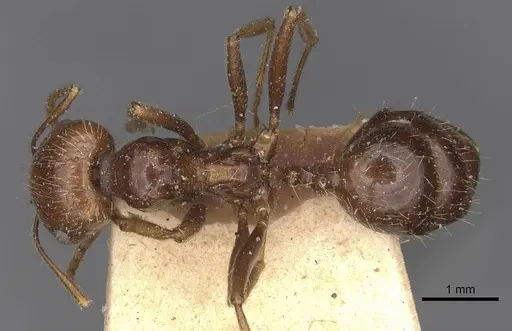
Literature
Loading distribution map...Loading products...