
Messor rufotestaceus
- Sci. Name
- Messor rufotestaceus
- Tribe
- Stenammini
- Subfamily
- Myrmicinae
- Author
- Foerster, 1850
- Distribution
- Found in 3 countries
Introduction
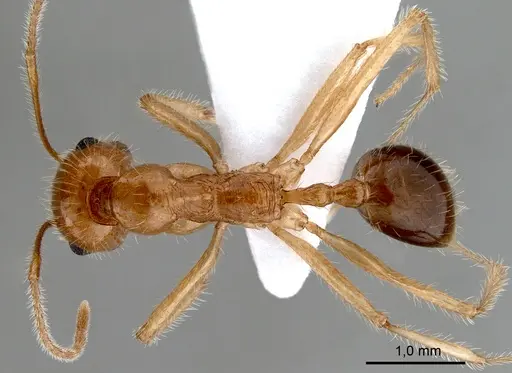
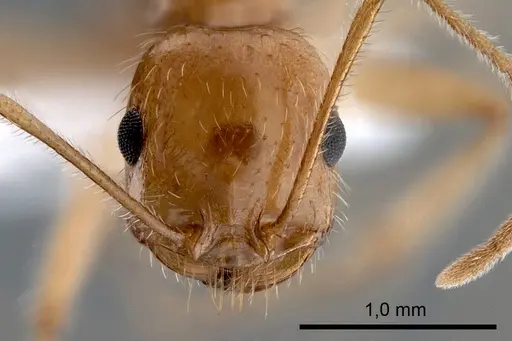
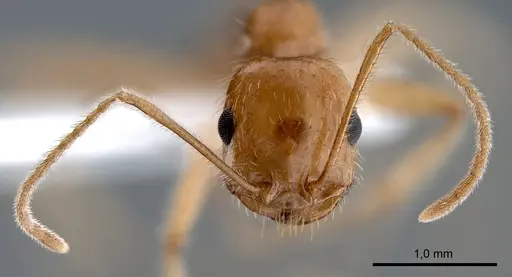
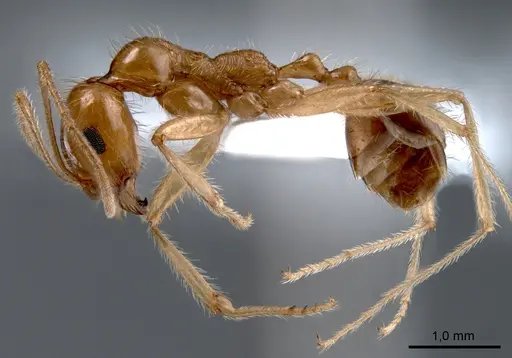
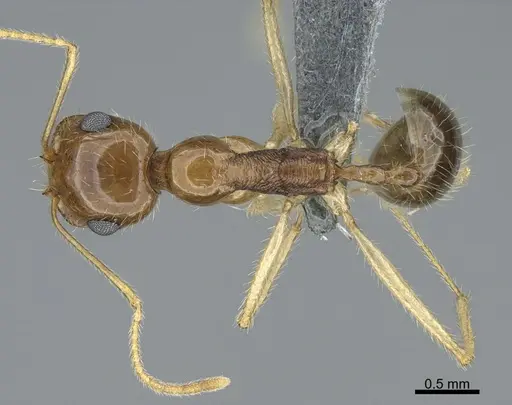
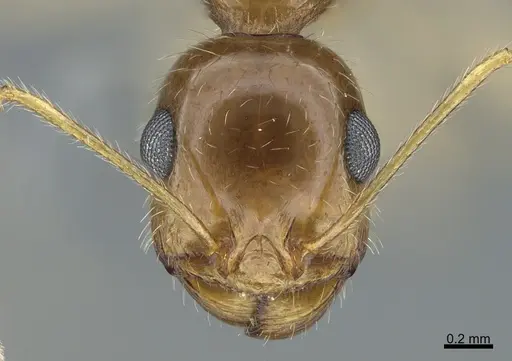
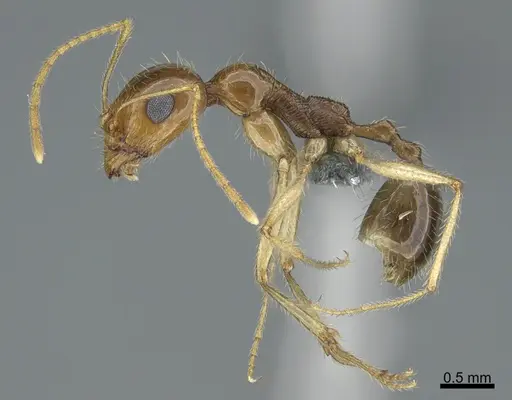
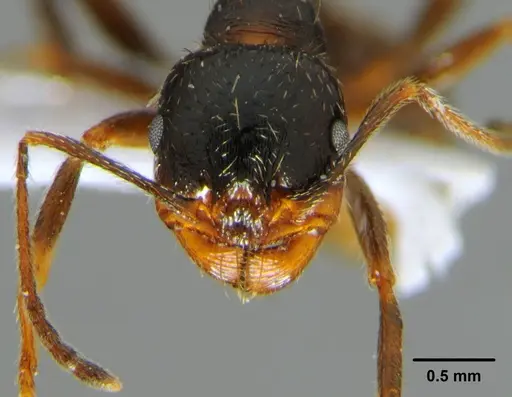
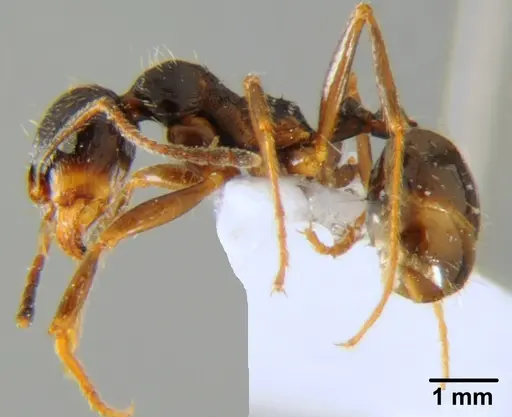
Messor rufotestaceus is a small harvester ant found across North Africa and the Middle East, from Algeria through Iran to the Arabian Peninsula. Workers measure 4-6mm with a distinctive slender appearance - they have very thin antennal segments, unusually long legs and antennae, and low petiolar nodes. Their body is reddish with a darkened gaster and a shiny appearance. These ants are nocturnal and live in small communities rather than forming large foraging trails. They are distinguished from other Middle Eastern Messor species by their exceptionally thin antennae and comparatively low nodes . This species is a ground-nesting harvester ant that prefers dry, low-rainfall areas. They are not aggressive and tend to be shy, avoiding confrontation. Their colony sizes remain relatively small, which makes them manageable for captive keeping. The combination of their nocturnal habits, slender build, and preference for deep burrows in hard soil makes them a unique species for antkeepers interested in Middle Eastern ants.
Quick Summary
- Difficulty: Medium
- Origin & Habitat: Dry regions of North Africa and the Middle East including Algeria, Egypt, Iran, Israel, Jordan, Lebanon, Morocco, Oman, Saudi Arabia, Syria, and United Arab Emirates. Found in garden soil in low rainfall areas and rocky/semi-arid terrain [3][4][5].
- Colony Type: Small colonies with single queens. Colonies typically contain fewer than 100 workers in the wild, living in small underground nests with multiple chambers.
- Size & Growth:
- Antkeeping:
- Temperature: Keep at 22-26°C. They come from warm, dry regions but are nocturnal, so avoid excessive heat.
- Humidity: Low to moderate. These are dry-region ants, keep the nest substrate relatively dry with occasional moisture zones. Avoid damp conditions that could cause mold.
- Diapause: Yes, a winter rest period of 2-3 months at 10-15°C is recommended to simulate their natural seasonal cycle in temperate regions of their range.
- Nesting: Deep burrows in hard soil work best. In captivity, use a naturalistic setup with compact substrate (like sand-clay mix) or a Y-tong/plaster nest with narrow chambers. They prefer tight spaces and multiple small chambers rather than open areas.
- Behavior: Nocturnal and shy, they avoid confrontation and are not aggressive. Workers forage individually rather than forming trails. They are seed harvesters but also consume small insects. Their small colony size and non-aggressive nature make them relatively easy to handle, but their nocturnal habits mean you'll see most activity in the evening and night. They have a moderate escape risk due to their small size, standard barrier precautions are sufficient.
- Common Issues: small colony size means slow population growth, don't expect rapid expansion, nocturnal activity pattern means less visible activity during normal waking hours, dry habitat requirements mean overwatering can quickly lead to mold problems, wild-caught colonies may be difficult to establish due to their specific habitat requirements, small colony size makes them vulnerable to stress, avoid frequent disturbances
Nest Preferences and Housing
In the wild, Messor rufotestaceus nests in hard soil with relatively deep burrows averaging around 12cm in depth, with small chamber openings of about 3.2mm diameter and typically 4 chamber openings per nest [6]. They are not trail-forming and prefer to stay close to their nest. For captive housing, a naturalistic setup works best, a compact sand-clay substrate mixture that holds its shape when tunnels are dug. Alternatively, a Y-tong or plaster nest with narrow chambers scaled to their 4-6mm size works well. Avoid overly moist or damp substrates, these are dry-region ants that can develop mold problems in humid conditions. Provide a small outworld for foraging and ensure escape prevention is adequate, though they are not particularly strong climbers.
Feeding and Diet
As with other Messor species, these are seed harvesters, they collect and store seeds as their primary food source. In captivity, offer a variety of grass seeds, millet, and small bird seeds. They also need protein from small insects like fruit flies, pinhead crickets, or mealworms. Since they are nocturnal, place food in the outworld in the evening and check the next morning. Remove any uneaten prey after 24-48 hours to prevent mold. Fresh water should always be available. Their small colony size means portion control is important, don't overfeed, as uneaten food can quickly become a mold issue in their dry habitat.
Temperature and Seasonal Care
Messor rufotestaceus comes from warm, dry regions but is nocturnal, so they don't need extreme heat. Maintain temperatures between 22-26°C in the nest area. Room temperature is often suitable for this species. They can tolerate brief temperature drops but should be protected from cold drafts. During winter, a hibernation period of 2-3 months at 10-15°C is recommended for colonies in temperate climates, this mimics their natural seasonal cycle and helps maintain healthy colony rhythms. Reduce feeding during hibernation and keep the nest slightly cooler but not cold. Do not hibernate them if they are still in early founding stage with few workers.
Behavior and Observation
This species is notably nocturnal, you will see most activity in the evening and night hours, which is unusual among Messor ants [1][2]. They are not aggressive and will retreat rather than defend. Workers forage individually rather than forming the characteristic long trails seen in some other Messor species. Their small colony size means they are less impressive to watch than larger harvester ant species, but their unique nocturnal habits and slender appearance make them interesting to observe. They prefer deep, dark chambers and will often cluster in the most sheltered areas of their nest. Because they are small and shy, avoid placing the nest in high-traffic areas or exposing them to excessive vibrations.
Colony Founding
Founding behavior is unconfirmed for this specific species. Like other Messor species, they likely follow a claustral pattern where the queen seals herself in a small chamber after mating and raises her first workers alone using stored fat reserves. The founding process typically takes 4-8 weeks for the first nanitic workers to emerge, depending on temperature. During this time, the queen requires complete darkness and should not be disturbed. Do not feed claustrally founding queens, they have sufficient energy reserves and adding food can cause mold problems in the closed chamber. Once the first workers emerge (nanitics, which are smaller than normal workers), you can begin offering tiny amounts of seeds and small insect pieces.
Frequently Asked Questions
How long does it take for Messor rufotestaceus to have first workers?
Based on typical Messor development patterns, expect first workers (nanitics) to emerge around 6-10 weeks after the queen lays eggs, assuming temperatures around 24-26°C. Exact development time for this species has not been documented, so monitor your colony and maintain stable, warm conditions.
Can I keep Messor rufotestaceus in a test tube?
Test tubes work for founding colonies, but these ants prefer deeper, more compact nesting areas than most test tube setups provide. Once the colony reaches 10-15 workers, consider moving them to a naturalistic setup with compact substrate or a Y-tong nest with appropriately scaled chambers.
Do Messor rufotestaceus ants sting?
Messor species have stingers but are not aggressive and rarely sting. Given their small size and shy temperament, they pose minimal sting risk to keepers. They will more likely flee than fight when disturbed.
What do Messor rufotestaceus eat?
They are seed harvesters, offer various small seeds (grass seeds, millet, bird seed mix) as their primary food. They also need protein from small insects like fruit flies, tiny crickets, or mealworms. Remove uneaten food promptly to prevent mold in their dry habitat.
Are Messor rufotestaceus good for beginners?
They are moderate difficulty, not the easiest but not among the hardest. Their small colony sizes and specific humidity requirements (dry vs. damp) may challenge complete beginners, but their non-aggressive nature and manageable size make them workable. Expect slower growth than more common species.
Do Messor rufotestaceus need hibernation?
Yes, a winter rest period of 2-3 months at 10-15°C is recommended. This simulates their natural seasonal cycle in the temperate parts of their range. Reduce feeding during this period and maintain slightly lower but not cold temperatures.
How big do Messor rufotestaceus colonies get?
Wild colonies typically reach around 50-65 workers. In captivity, with good care, they may eventually grow to 100-200 workers, but they remain smaller than many other Messor species. Their small maximum colony size is a key characteristic of this species.
Why are my Messor rufotestaceus always hiding?
This is normal, they are nocturnal and naturally prefer dark, sheltered chambers. You will see more activity in the evening and night. During the day, they typically remain in their nest chambers. This is not a sign of problems but their natural behavior.
Can I keep multiple Messor rufotestaceus queens together?
This species is monogyne, single queen colonies. Combining unrelated queens has not been documented and is not recommended. If you obtain multiple founding queens, house them separately.
When should I move Messor rufotestaceus to a formicarium?
Move them once the colony reaches 15-20 workers and the test tube setup becomes cramped. They prefer naturalistic setups with compact substrate, so consider transitioning to a dirt-based formicarium at that point rather than an acrylic nest.
Report an Issue
The current care sheet is based fully on literature. See inconsistencies, or something that's incorrect? Please , it will be resolved after review from an admin. Contributing to the blogs tab also helps providing information, to make us be able to further improve the caresheets. Thank you for your support!
References

This caresheet is licensed under CC BY-SA 4.0 .
Community Blogs
Literature
Loading distribution map...Loading products...