
Messor postpetiolatus
- Sci. Name
- Messor postpetiolatus
- Tribe
- Stenammini
- Subfamily
- Myrmicinae
- Author
- Santschi, 1917
- Distribution
- Found in 1 countries
Introduction
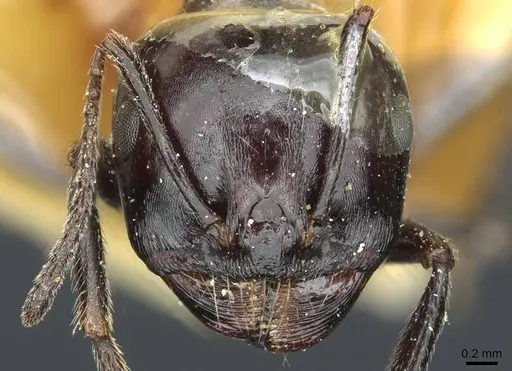
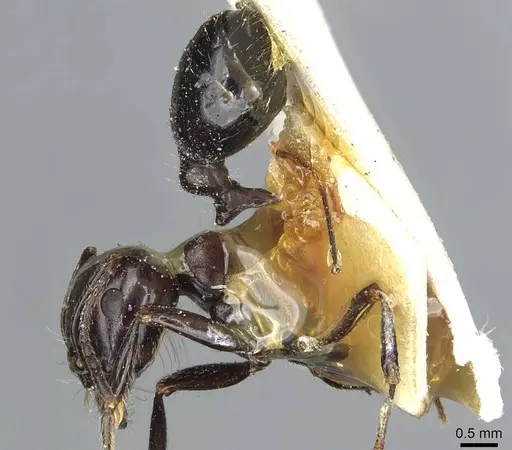
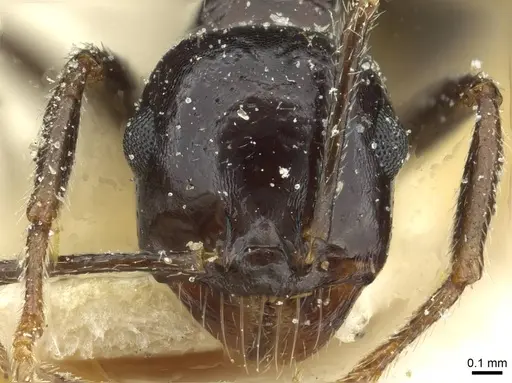
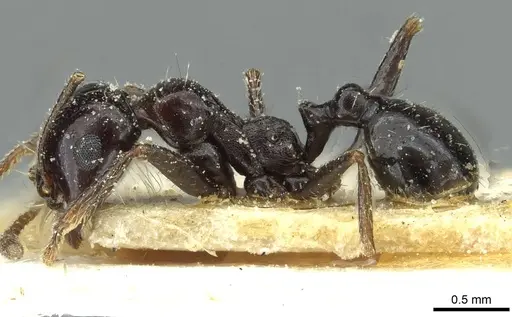
Messor postpetiolatus is a small to medium-sized harvester ant native to Tunisia in North Africa. Workers measure 3.8-8.4 mm in total length with a distinctive color pattern: the head and gaster are black-brownish while the thorax is dark red . The propodeum is rounded or has a small tooth in larger workers over 7 mm, and the petiole has a sugar-loaf shape . This species was described from Kairouan in central Tunisia and has not been rediscovered since, making it rare in the hobby . As a harvester ant, Messor postpetiolatus collects and stores seeds as their primary food source, a behavior typical of the Messor genus .
Quick Summary
- Difficulty: Medium
- Origin & Habitat: Tunisia in North Africa, specifically the Kairouan region [2]. Based on typical Messor habitat preferences, they likely inhabit dry to semi-arid Mediterranean areas [3].
- Colony Type: Based on typical Messor genus patterns, likely monogyne (single-queen colonies) [3].
- Size & Growth:
- Queen: Size data unavailable, no total length measurements for queens in the research context
- Worker: 3.8-8.4 mm [1][2]
- Colony: Colony size data unavailable, no specific counts in the research context
- Growth: Moderate, inferred from related Messor species [3]
- Development: Unknown, no specific data for this species (Development time is unclear, start with warm conditions and observe)
- Antkeeping:
- Temperature: Keep at 22-26°C, based on Mediterranean species patterns [3]. Temperature needs are estimated, observe ant behavior for adjustments.
- Humidity: Keep nest substrate consistently dry with a humidity gradient, as this species is adapted to arid conditions [3].
- Diapause: Yes, based on geographic range, provide a winter rest period at 10-15°C for 8-12 weeks [3].
- Nesting: Dry nests work best, such as Y-tong, plaster, or soil nests with dry substrate [3].
- Behavior: Generally peaceful but can become defensive when disturbed. Workers are active foragers for seeds. Escape risk is moderate due to size, use standard barrier methods.
- Common Issues: colonies may fail if humidity is too high, keep nesting area dry [3], winter diapause is essential for colony health, skipping it can weaken the colony [3], seed storage can attract mold if the nest is too wet, monitor moisture levels [3], limited availability since the species has not been rediscovered in the wild [2]
Nest Preferences
Messor postpetiolatus prefers dry nesting conditions. In captivity, use Y-tong, plaster, or soil nests with dry substrate. Keep the nest relatively dry with only occasional moisture in a water reservoir section. Avoid high humidity setups, as these ants are adapted to arid environments [3].
Feeding and Diet
As a harvester ant, Messor postpetiolatus primarily eats seeds. Offer a variety of small seeds like grass seeds, millet, or poppy seeds. They may occasionally accept small insects for protein. Always provide fresh water [3].
Temperature and Care
Maintain nest temperatures between 22-26°C. Create a temperature gradient using a heating cable on one side of the nest, allowing ants to regulate their own temperature [3].
Seasonal Care and Diapause
Provide a winter diapause period at 10-15°C for 8-12 weeks, from late autumn to winter. Reduce feeding during this time. Return to normal temperatures in spring to trigger activity [3].
Behavior and Temperament
This species is generally calm. Workers are active foragers that defend food sources. They may bite if handled roughly, but are not dangerous. Escape risk is moderate, use fluon barriers on outworld rims [3].
Frequently Asked Questions
How long does it take for Messor postpetiolatus to have first workers?
No specific data is available for this species. Development time depends on temperature and conditions [3].
Can I keep Messor postpetiolatus in a test tube?
Yes, test tubes work well for founding colonies. Use a standard setup with a dry cotton plug [3].
What do Messor postpetiolatus eat?
Their primary food is seeds, such as grass seeds or millet. They may occasionally eat small insects for protein [3].
Do Messor postpetiolatus ants sting?
They can bite if handled roughly, but their bite is mild and not medically significant [3].
Do Messor postpetiolatus need hibernation?
Yes, they require a winter diapause period at 10-15°C for 8-12 weeks, based on their Mediterranean range [3].
Are Messor postpetiolatus good for beginners?
They are intermediate-level due to temperature management and diapause needs. They are hard to find since not rediscovered in the wild [2].
How big do Messor postpetiolatus colonies get?
Colony size data is unavailable, but related Messor species can grow large [3].
When should I move my Messor postpetiolatus to a formicarium?
Move them when the test tube becomes crowded, ensuring the formicarium has dry conditions [3].
Why are my Messor postpetiolatus dying?
Common causes include too high humidity, skipping diapause, or poor seed quality. Keep the nest dry and provide proper seasonal care [3].
Can I keep multiple queens together?
No, this species is likely monogyne. Multiple queens may fight [3].
Report an Issue
The current care sheet is based fully on literature. See inconsistencies, or something that's incorrect? Please , it will be resolved after review from an admin. Contributing to the blogs tab also helps providing information, to make us be able to further improve the caresheets. Thank you for your support!
References

This caresheet is licensed under CC BY-SA 4.0 .
Community Blogs
CASENT0913210
View on AntWeb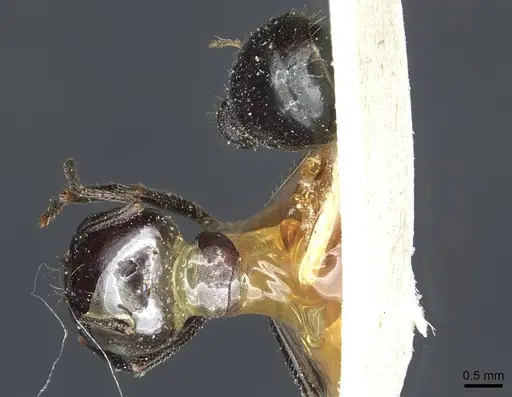
CASENT0913211
View on AntWeb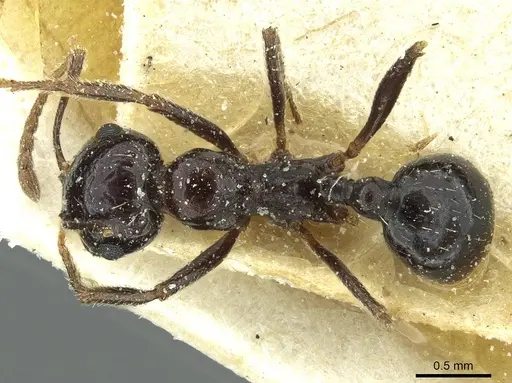
Literature
Loading distribution map...Loading products...