
Messor picturatus
- Sci. Name
- Messor picturatus
- Tribe
- Stenammini
- Subfamily
- Myrmicinae
- Author
- Santschi, 1927
- Distribution
- Found in 4 countries
Introduction
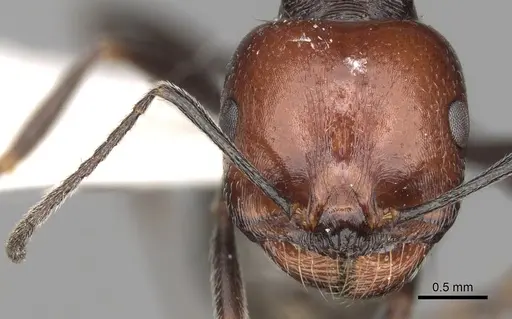
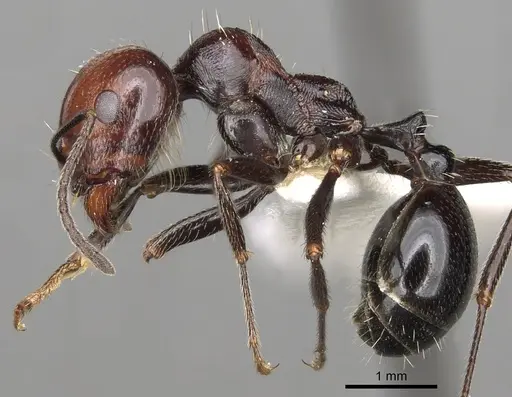
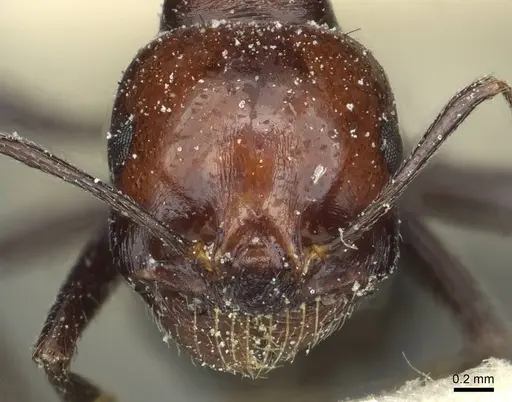
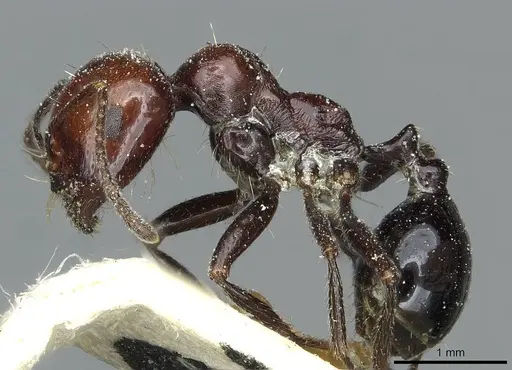
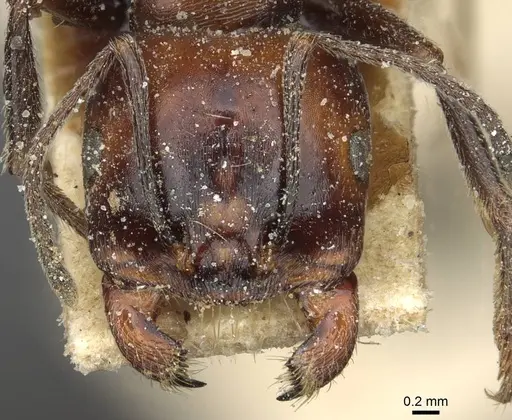
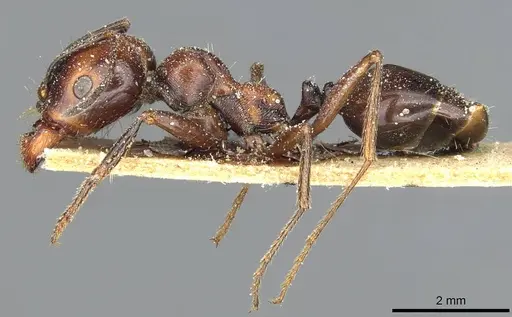
Messor picturatus is a medium-sized harvester ant native to North Africa and the Middle East. Workers display a distinctive red-brown coloration on the head and alitrunk (middle body section), with darker brown spotting on the head and thorax. The legs are black, and the abdomen is typically dark. Queens are larger and are nearly all black, with only the forehead showing red markings in some populations. This species belongs to the Messor minor species group and is known for its grainy head sculpture and relatively thick petiole. They inhabit dry to semi-arid regions across Algeria, Morocco, Tunisia, Libya, Saudi Arabia, Iraq, and Kuwait, where they nest under stones and forage in open habitats . What makes M. picturatus interesting is its granivorous lifestyle - like all Messor species, these ants are specialized seed harvesters. They collect seeds, store them in the nest, and feed on them through a process called chaff-making, where they separate the seed husks from the nutritious parts. This makes them relatively easy to feed since they can be sustained on a seed-based diet, though they also benefit from protein sources like insects .
Quick Summary
- Difficulty: Easy
- Origin & Habitat: North Africa and Middle East, found in Algeria, Morocco, Tunisia, Libya, Saudi Arabia, Iraq, and Kuwait. Inhabits dry to semi-arid regions including the Algerian High Plains at elevations of 946-1535m, the Saharan Atlas, Central High Atlas, and Tazekka region. Nests under stones in open habitats [1][2][3].
- Colony Type: Single-queen colonies (monogyne), based on typical Messor genus patterns. Queens are claustral, they seal themselves in a chamber and live off stored fat reserves while raising their first brood alone.
- Size & Growth:
- Queen: size data unavailable, inferred from Messor genus (~8-12mm)
- Worker: size data unavailable, inferred from Messor genus (~4-8mm)
- Colony: up to several thousand workers, typical for Messor species
- Growth: Moderate
- Development: development time unconfirmed, likely 8-12 weeks based on typical Messor patterns (First workers (nanitics) are smaller than mature workers. Development is temperature-dependent.)
- Antkeeping:
- Temperature: Keep at 22-26°C. They tolerate warmer conditions reflecting their desert origin, but avoid extreme heat above 35°C. A gentle temperature gradient allows workers to self-regulate.
- Humidity: Low to moderate, these are desert-adapted ants. Keep nest substrate dry to slightly moist, with a dry area always available. Mist sparingly and allow complete drying between waterings. Avoid damp conditions that can lead to mold.
- Diapause: Yes, they require a winter rest period. Reduce temperature to 10-15°C for 8-12 weeks during winter, mimicking their natural seasonal cycle in North Africa. Based on geographic range (temperate North Africa), diapause is expected.
- Nesting: Prefers dry to semi-dry conditions. Y-tong (AAC) nests work well, or a plaster nest with dry chambers. Provide a sand or soil substrate that can remain relatively dry. A test tube setup is suitable for founding colonies.
- Behavior: Generally peaceful but can become defensive when their nest is disturbed. Workers are active foragers that search for seeds and small insects. They are not aggressive toward humans but will bite if handled roughly. Escape risk is moderate, they are medium-sized ants but can climb smooth surfaces. Use standard barrier methods like Fluon on test tube rims. Major workers (larger ants with bigger heads) specialize in seed processing.
- Common Issues: mold growth from overwatering, keep nesting area dry, colonies may fail if kept too cold during summer growth season, seed storage can attract pests if not managed, remove uneaten seeds periodically, hibernation failure if temperatures drop too suddenly or stay too warm, major workers may appear alarming due to size but they are not particularly aggressive
Housing and Setup
Messor picturatus adapts well to various captive setups. For founding colonies, a simple test tube setup works perfectly, fill a test tube one-third with water, plug the water end with cotton, and place the queen in the tube. The cotton creates a humid chamber at one end while the rest stays dry, which suits their preference for dry nesting conditions. For established colonies, Y-tong (AAC) nests or plaster nests work well. Avoid overly humid setups, these are desert ants that prefer dry conditions. Provide an outworld (foraging area) where you can offer seeds and protein. A thin layer of sand or soil in the foraging area mimics their natural habitat. Ensure the nest has chambers sized appropriately for the colony size, they will expand into additional chambers as they grow. [2][3][4]
Feeding and Diet
As granivorous ants, Messor picturatus primarily eats seeds, this is their defining characteristic. Offer a variety of seeds including grass seeds, millet, sunflower seeds (crushed), and commercial ant seed mixes. They will also readily accept protein sources like small insects (fruit flies, pinhead crickets, mealworms), and some colonies accept sugar water or honey. The ants use their specialized mouthparts to process seeds, separating the nutritious kernel from the outer hull (chaff). This chaff is typically discarded outside the nest. Feed seeds constantly, they store them, and offer protein 2-3 times per week. Remove any uneaten insects after 24 hours to prevent mold. Fresh water should always be available. [4]
Temperature and Seasonal Care
Messor picturatus thrives at temperatures between 22-26°C, reflecting their origin in warm North African regions. Room temperature within this range is often suitable. You can provide a slight temperature gradient by placing a heating mat under one side of the nest, but ensure there's a cool area where ants can retreat if they overheat. During winter, they require a diapause (hibernation) period of 8-12 weeks at temperatures around 10-15°C. This rest period is essential for colony health and mimics their natural seasonal cycle. Reduce feeding during diapause but do not stop entirely, they may still consume stored seeds. In summer, ensure they have access to water and avoid placing the colony in direct sunlight or near heat sources that could push temperatures above 30°C. [1][2]
Colony Development
A newly mated queen will seal herself into a chamber and remain there while laying eggs and raising the first brood. She lives entirely on her stored fat reserves during this claustral founding period, this is why larger, well-fed queens tend to be more successful. The first eggs hatch into larvae, which then pupate before emerging as workers (nanitics). These first workers are smaller than mature workers but immediately begin foraging to feed the colony. As the colony grows, you'll see major workers develop, these larger ants have specialized heads for seed processing. Growth is moderate, expect the first workers to emerge after several months under optimal conditions. The colony will grow steadily over several years, eventually reaching several thousand workers. Patience is key, Messor colonies don't explode in numbers like some tropical species.
Behavior and Temperament
Messor picturatus workers are active foragers that search for seeds and small prey in the outworld. They are not particularly aggressive but will defend their nest if threatened. When disturbed, they may release alarm pheromones to alert other workers, but they typically retreat rather than attack. Major workers with their enlarged heads are specialized for seed-cracking and may look intimidating, but they pose little danger to keepers. The ants communicate through chemical signals and will form trails to food sources once discovered. They are diurnal, most active during daylight hours. Their moderate size means standard escape prevention (Fluon barriers, tight-fitting lids) is usually sufficient, they are not accomplished escape artists like some tiny species. [4]
Frequently Asked Questions
Can I keep Messor picturatus in a test tube?
Yes, test tubes work well for founding colonies. Use a water tube with a cotton plug, and place the queen in the dry end. These ants prefer dry conditions, so avoid overfilling the water chamber.
What do Messor picturatus eat?
They are granivorous, they primarily eat seeds. Offer grass seeds, millet, crushed sunflower seeds, or commercial ant seed mixes. They also accept small insects like fruit flies or mealworms, and some colonies take sugar water or honey.
How long until first workers appear?
Expect several months from egg to first worker at optimal temperature (22-26°C). The exact development time is unconfirmed for this species. The queen raises the first brood alone while sealed in her chamber, living on stored fat reserves.
Do Messor picturatus ants sting?
They can bite but rarely sting. Their stingers are present but too small to penetrate human skin effectively. They are not considered dangerous to keepers.
Do Messor picturatus need hibernation?
Yes, they require a winter diapause. Reduce temperatures to 10-15°C for 8-12 weeks during winter. This rest period is essential for colony health and mimics their natural seasonal cycle in North Africa.
Are Messor picturatus good for beginners?
Yes, they are considered easy to keep. Their seed-based diet is simple to provide, they tolerate a range of temperatures, and their colony structure is straightforward (single queen). Just avoid overwatering and provide the winter diapause.
When should I move them to a formicarium?
You can move them once the colony reaches 50-100 workers. However, test tubes work well for Messor colonies even when established, they often do fine in simple setups. Only upgrade if the colony outgrows the tube or you want to observe their seed-storing behavior.
How big do Messor picturatus colonies get?
They can grow to several thousand workers over several years. They are moderate growers compared to some tropical species, but eventually form large, impressive colonies.
Can I keep multiple queens together?
No, Messor picturatus is monogyne, single-queen colonies. Multiple unrelated queens will fight. Only keep one queen per colony.
Why are my ants dying?
Common causes include: overwatering (leads to mold), temperatures too cold during growth season, improper hibernation, or stress from disturbance during founding. Ensure dry nest conditions, stable warmth, and minimal disturbance until workers emerge.
Report an Issue
The current care sheet is based fully on literature. See inconsistencies, or something that's incorrect? Please , it will be resolved after review from an admin. Contributing to the blogs tab also helps providing information, to make us be able to further improve the caresheets. Thank you for your support!
References

This caresheet is licensed under CC BY-SA 4.0 .
Community Blogs
ANTWEB1041907
View on AntWeb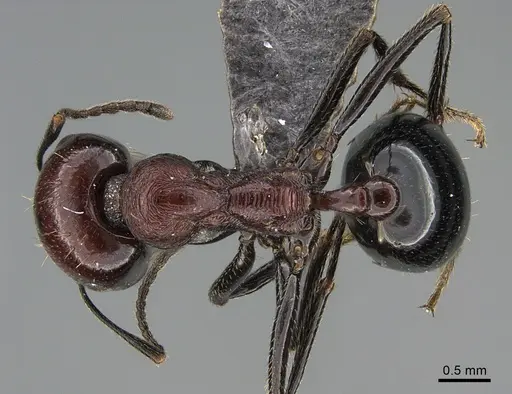
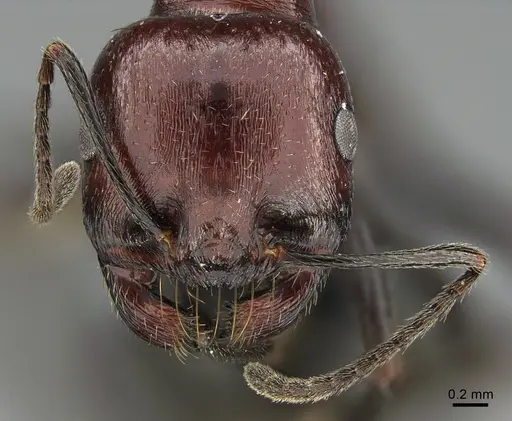
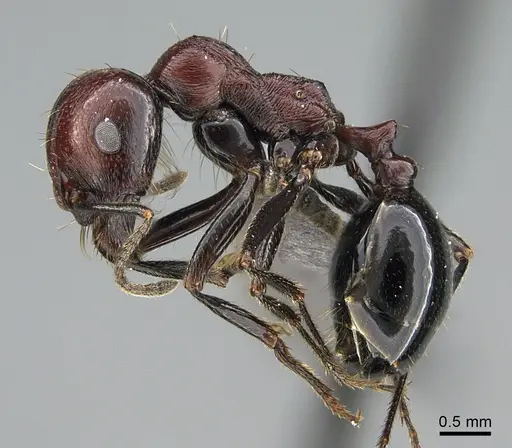
CASENT0281603
View on AntWeb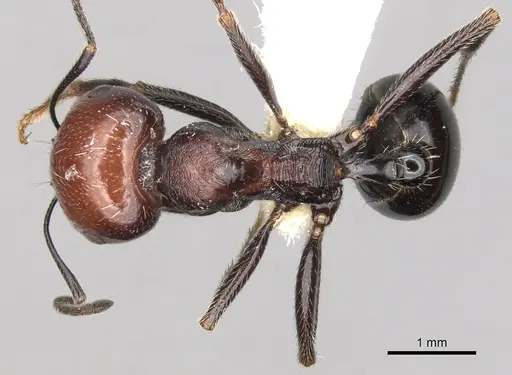
CASENT0913193
View on AntWeb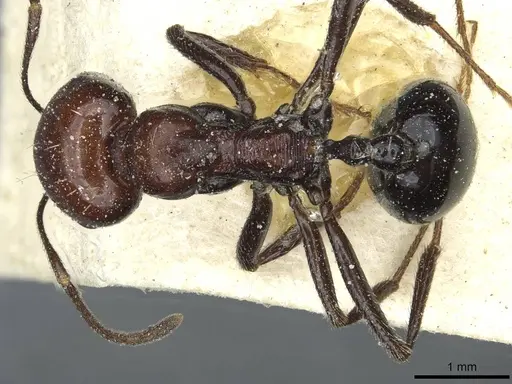
CASENT0913208
View on AntWeb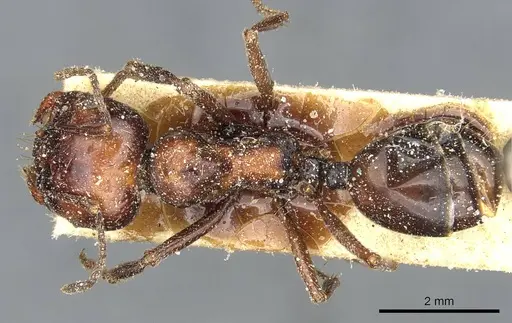
Literature
Loading distribution map...Loading products...