
Black-haired Harvester ant
Messor piceus
- Sci. Name
- Messor piceus
- Tribe
- Stenammini
- Subfamily
- Myrmicinae
- Author
- Stitz, 1923
- Common Name
- Black-haired Harvester ant
- Distribution
- Found in 1 countries
Introduction
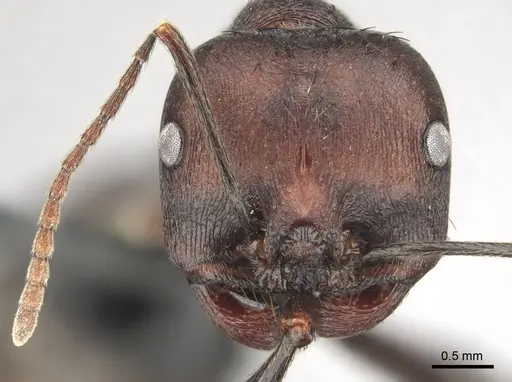
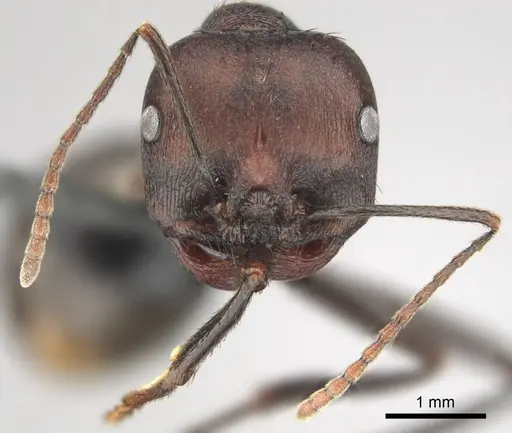
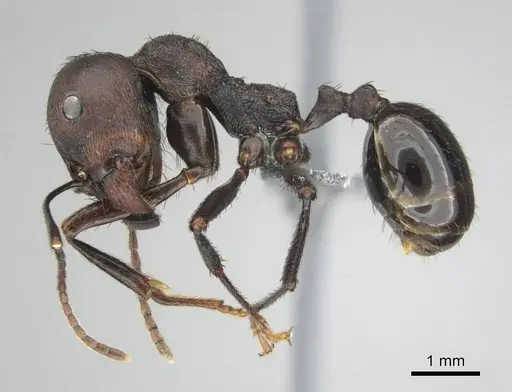
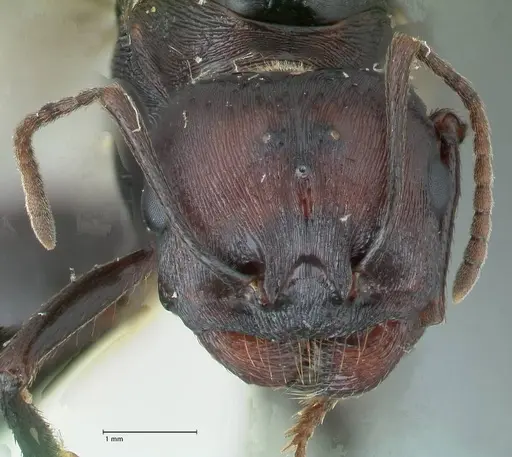
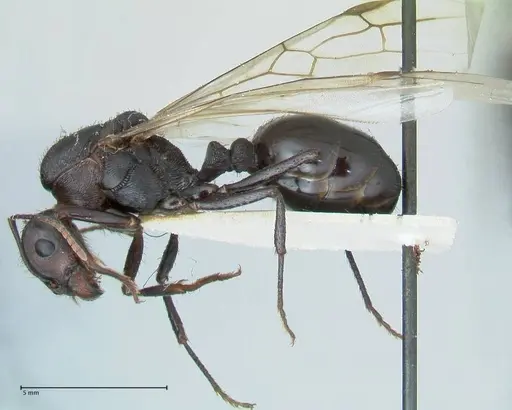
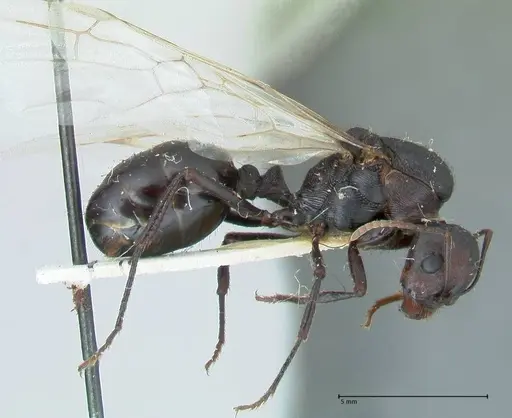
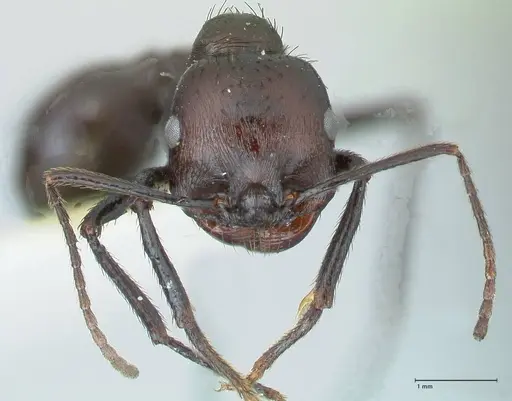
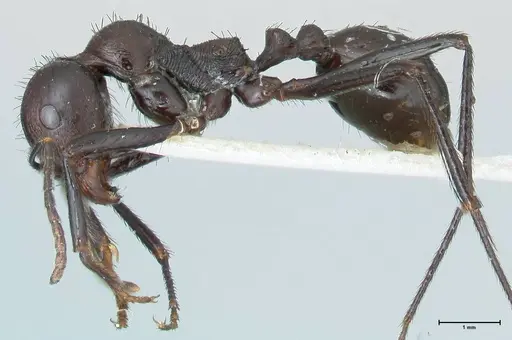
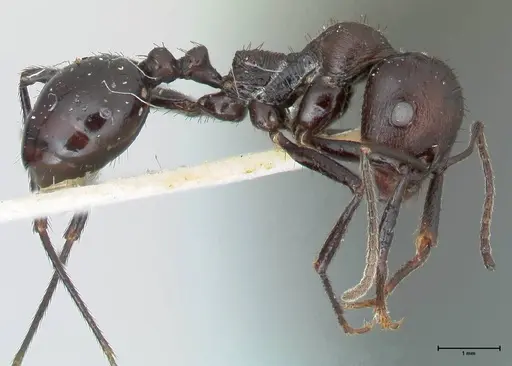
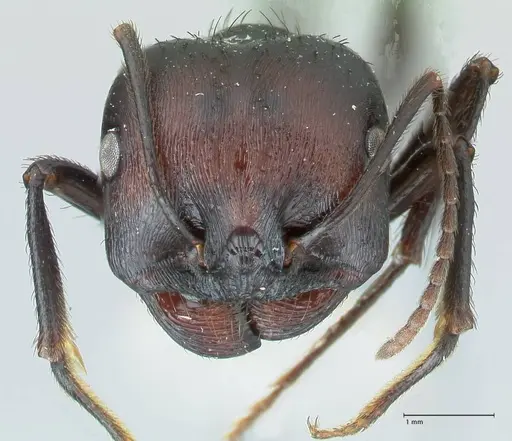
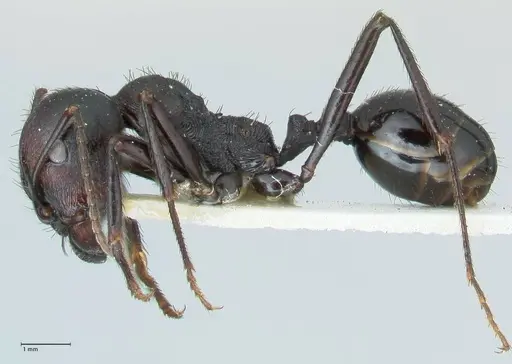
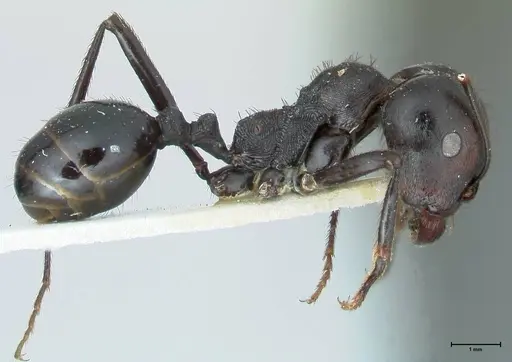
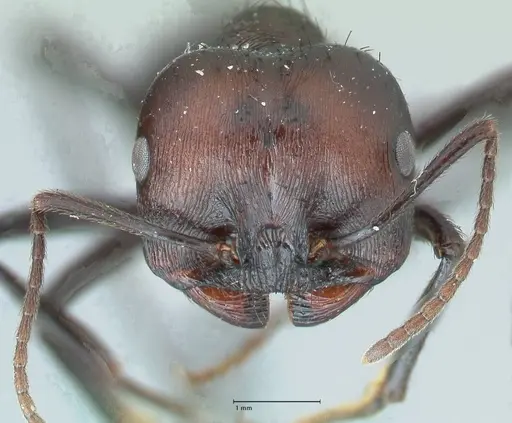
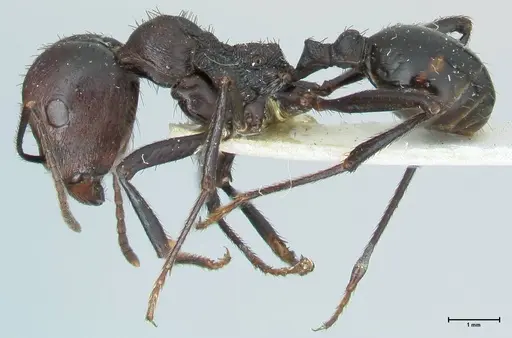
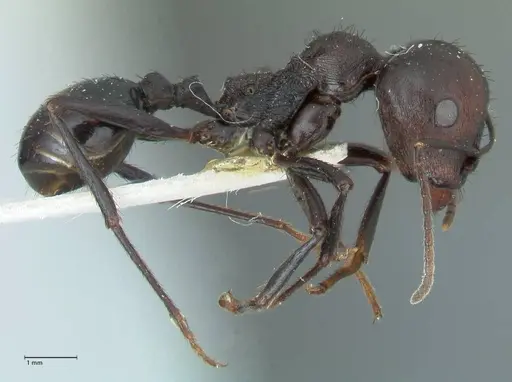
Messor piceus is a medium to large harvester ant species native to southern Africa, found in Botswana, Namibia, and South Africa . The species is closely related to Messor capensis and Messor decipiens - these three may ultimately prove to be a single species . The most distinguishing feature is the deep red-brown to blackish body pilosity (bristles), compared to the white or yellowish hairs of its relatives . As a harvester ant, they collect and process seeds as their primary food source, a common trait in the Messor genus.
Quick Summary
- Difficulty: Medium
- Origin & Habitat: Southern Africa, specifically Botswana, Namibia, and South Africa (Transvaal, Natal). They live in the Afrotropical region at approximately 25.87°S latitude, indicating extratropical (temperate-to-subtropical) conditions [2][1].
- Colony Type: Unconfirmed, colony structure has not been directly studied in scientific literature.
- Size & Growth:
- Queen: Size data unavailable, no measurements exist for this species. Related Messor queens typically range from 8-15mm.
- Worker: Size data unavailable, the original description measured head width (3.28-4.20mm) rather than total body length. Related Messor workers typically range from 4-12mm.
- Colony: Unknown, no colony size data exists for this specific species.
- Growth: Moderate, typical for seed-harvesting ants.
- Development: Unconfirmed, no direct development data exists for this species. (Development time is estimated based on typical Messor genus patterns, not direct observation.)
- Antkeeping:
- Temperature: Keep around 22-26°C during active season. As an extratropical African species from approximately 25°S latitude, they likely tolerate a moderate temperature range. Provide a gentle gradient if possible.
- Humidity: Messor species prefer dry to moderately humid conditions. Keep nest substrate relatively dry with a small water reservoir. Avoid excessive moisture, these are not tropical rainforest ants.
- Diapause: Likely yes, based on their southern African distribution with temperate conditions, they probably require a winter rest period. Reduce temperature to 15-18°C for 2-3 months during winter.
- Nesting: In nature, they nest in soil, often in open sunny areas. In captivity, a standard formicarium with soil or plaster works well. They prefer dry conditions and will seed-harvest, so provide space for seed storage.
- Behavior: Harvester ants, they collect and store seeds, similar to the well-known Messor barbarus. They are generally docile but can be defensive if their nest is threatened. Workers are larger than many ants, so escape prevention is moderate. They are not aggressive toward humans and rarely sting.
- Common Issues: no specific colony data means care is based on genus inference, results may vary, winter diapause requirements are estimated and may need adjustment based on colony behavior, seed-harvesting behavior requires appropriate enclosure space and substrate, limited availability in the antkeeping hobby, few suppliers carry this species, closely related to M. capensis and M. decipiens, identification may be uncertain
Identification and Distinguishing Features
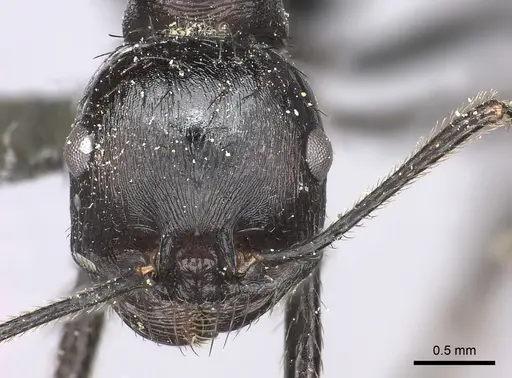
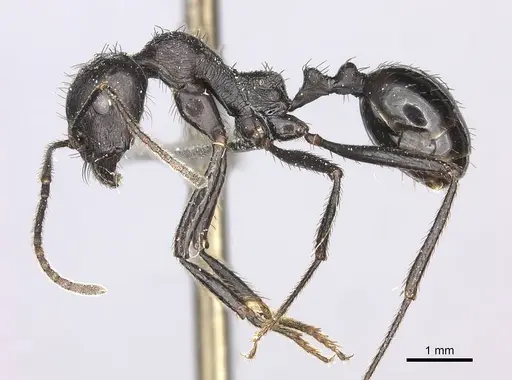
Messor piceus is a medium to large harvester ant. The most reliable distinguishing feature is the deep red-brown to blackish body pilosity (bristles), which contrasts sharply with the white or yellowish hairs of its close relative Messor capensis [1]. The anterior clypeal margin is indented medially, and the propodeum can vary in shape from narrowly rounded to right-angled to broadly and bluntly toothed [1]. This species is closely related to M. capensis and M. decipiens, and some taxonomists believe all three may represent a single species [1].
Natural Distribution and Habitat
Messor piceus is found across the Afrotropical region, specifically in Botswana, Namibia, and South Africa [1]. The type localities include the Transvaal region of South Africa and Farm Neudamm in Namibia [1]. They occur at approximately 25.87°S latitude, placing them in extratropical (temperate-to-subtropical) conditions rather than true tropical environments [2]. In their natural habitat, they likely nest in open sunny areas with suitable soil, typical of harvester ant species. The climate ranges from semi-arid to subtropical, with distinct seasonal temperature variations.
Feeding and Diet
As a Messor species, Messor piceus is a seed-harvesting ant. They collect seeds from surrounding vegetation and store them in their nest for later consumption, a behavior that gives them the common name harvester ant. In captivity, you should provide a mix of grass seeds, bird seed, and other small seeds appropriate for their size. They also likely supplement their diet with protein sources like small insects. Unlike some ants that rely heavily on sugar, Messor species are primarily granivorous (seed-eaters). Offer fresh seeds constantly and protein (dead insects) a few times per week. Remove uneaten seeds periodically to prevent mold.
Temperature and Seasonal Care
Based on their extratropical African distribution, Messor piceus likely experiences seasonal temperature variations in the wild. During the active season (spring through fall), maintain temperatures around 22-26°C. In winter, they likely require a diapause (winter rest) period of 2-3 months at reduced temperatures of 15-18°C. This mimics their natural cycle and helps maintain colony health. Do not keep them at constant room temperature year-round, this can disrupt their biological rhythms and may harm the colony long-term. A heating cable on one side of the nest can create a temperature gradient, allowing ants to regulate their own temperature.
Nesting Requirements
In nature, Messor piceus nests in soil, typically in open areas with plenty of sunlight. They construct underground chambers for brood rearing and seed storage. In captivity, a standard formicarium with soil or plaster substrate works well. These ants prefer relatively dry conditions, avoid overly damp setups. Provide a water tube but ensure the nest area stays mostly dry. Because they are seed harvesters, they need space to move seeds around and store them. A formicarium with multiple chambers allows them to organize their colony properly.
Behavior and Colony Dynamics
Messor piceus is a harvester ant with typical Messor behaviors. Workers forage for seeds and carry them back to the nest, often working in chains or groups. They are generally docile and non-aggressive toward keepers. Colonies grow moderately, not as fast as some tropical species, but steady over time. They are not known for being particularly aggressive and rarely sting. Escape risk is moderate due to their size, they cannot squeeze through the smallest gaps like tiny ants, but standard escape prevention measures (fluon barriers, tight-fitting lids) are still recommended.
Frequently Asked Questions
How long does it take for Messor piceus to produce first workers?
The exact timeline is unconfirmed for this species. Based on related Messor species, expect 8-12 weeks from egg to worker at optimal temperature (around 24°C). Growth is moderate, faster than some slow-growing genera but not as fast as tropical species.
What do Messor piceus ants eat?
They are seed-harvesting ants. Provide a constant supply of small seeds (grass seeds, bird seed mix) and occasional protein (dead insects, small crickets). They process seeds for their nutritional content rather than relying on sugar sources like honeydew.
Do Messor piceus ants need hibernation?
Likely yes, based on their southern African distribution with temperate conditions, they probably require a winter rest period. Reduce temperatures to 15-18°C for 2-3 months during winter. This helps maintain natural biological rhythms.
Is Messor piceus good for beginners?
This species is rated Medium difficulty. While harvester ants are generally straightforward to keep, limited specific information exists for this particular species. If you are experienced with Messor species like M. barbarus, this should be manageable. Beginners may want to start with more documented species.
How big do Messor piceus colonies get?
Colony size is unconfirmed for this specific species. Based on genus patterns, expect colonies of several hundred to a few thousand workers.
Can I keep multiple Messor piceus queens together?
Colony structure is unconfirmed for this species. Most Messor species are monogyne (single queen), but some can be polygynous. Unless you have specific experience, keep only one queen per colony. Combining unrelated queens is not recommended without documented success.
What temperature should I keep Messor piceus at?
Keep them at 22-26°C during the active season. Provide a temperature gradient if possible so workers can choose their preferred spot. In winter, reduce to 15-18°C for diapause.
Do Messor piceus ants sting?
They are not known for being aggressive and rarely sting. Their large size makes them easy to handle, and they are generally docile. However, all ants can sting if threatened, so handle gently.
When will Messor piceus have nuptial flights?
Nuptial flight timing is unconfirmed for this species. Based on their southern African distribution, flights likely occur during the warm season (spring to early summer). Exact timing has not been documented in scientific literature.
Is Messor piceus available in the antkeeping hobby?
This species is rarely available in the hobby. It is closely related to Messor capensis and Messor decipiens, which are more commonly kept. You may find suppliers occasionally carrying related species or this one under different names.
Report an Issue
The current care sheet is based fully on literature. See inconsistencies, or something that's incorrect? Please , it will be resolved after review from an admin. Contributing to the blogs tab also helps providing information, to make us be able to further improve the caresheets. Thank you for your support!
References

This caresheet is licensed under CC BY-SA 4.0 .
Community Blogs
CASENT0235915
View on AntWeb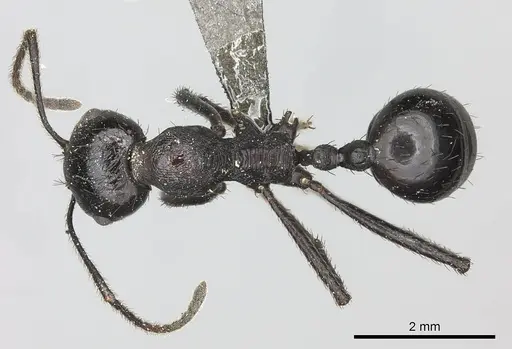
CASENT0252438
View on AntWeb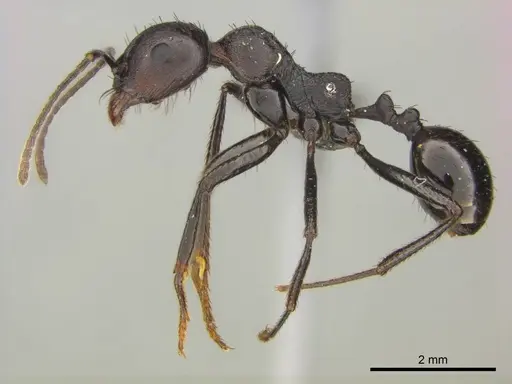
CASENT0252439
View on AntWeb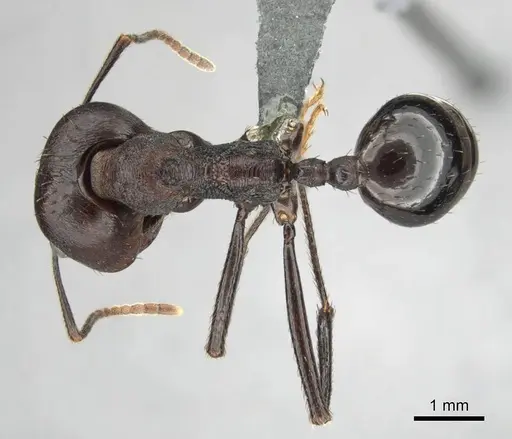
FOCOL1285
View on AntWeb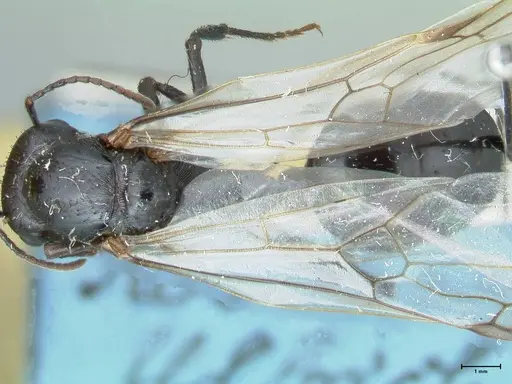
FOCOL1286
View on AntWeb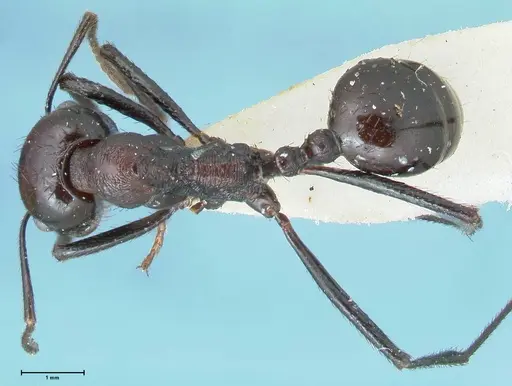
FOCOL1287
View on AntWeb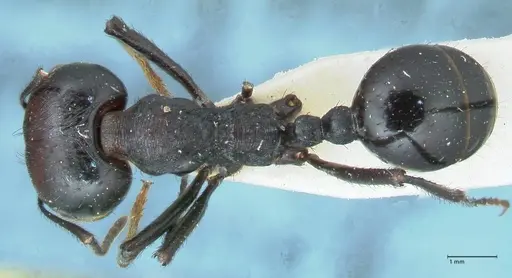
FOCOL1288
View on AntWeb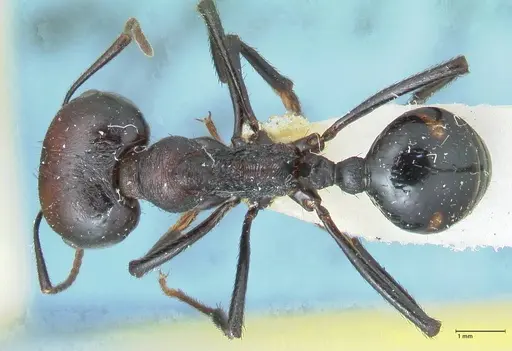
Literature
Loading distribution map...Loading products...