
Oriental Harvester Ant
Messor orientalis
- Sci. Name
- Messor orientalis
- Tribe
- Stenammini
- Subfamily
- Myrmicinae
- Author
- Emery, 1898
- Common Name
- Oriental Harvester Ant
- Distribution
- Found in 4 countries
Introduction
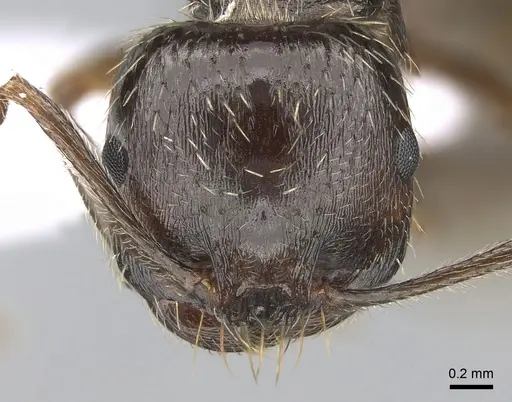
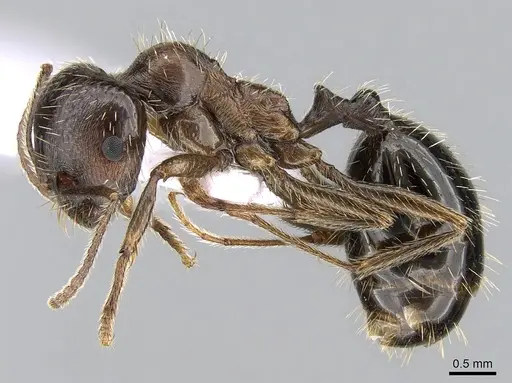
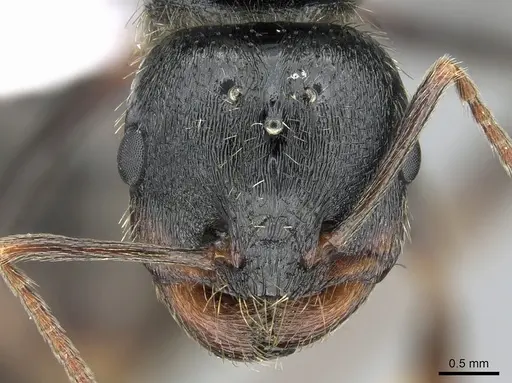
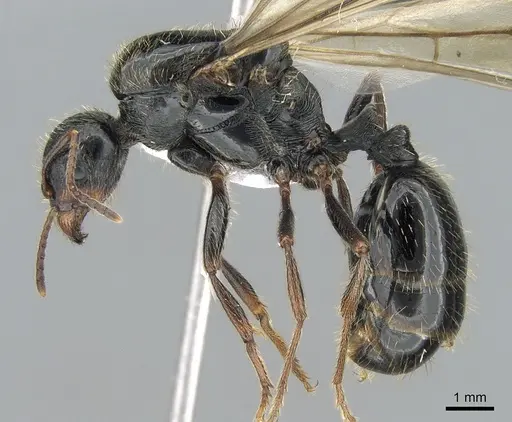
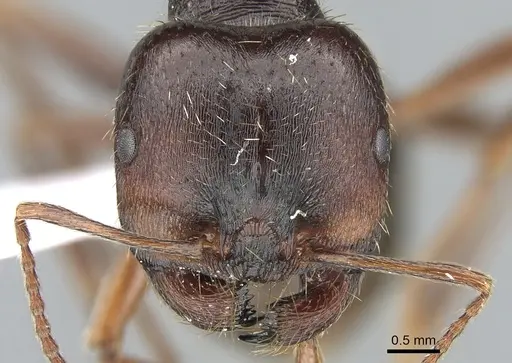
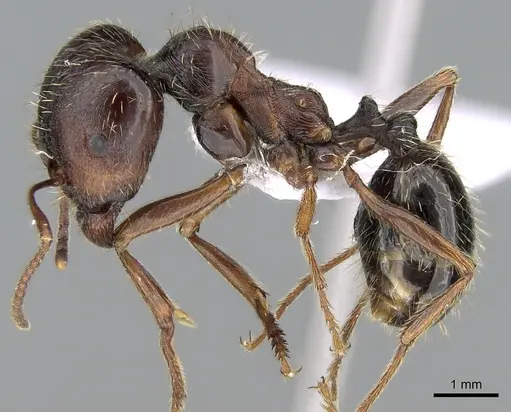
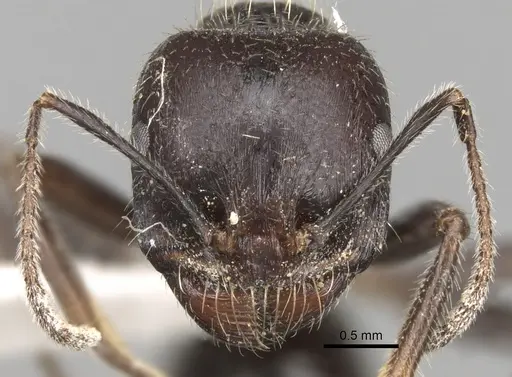
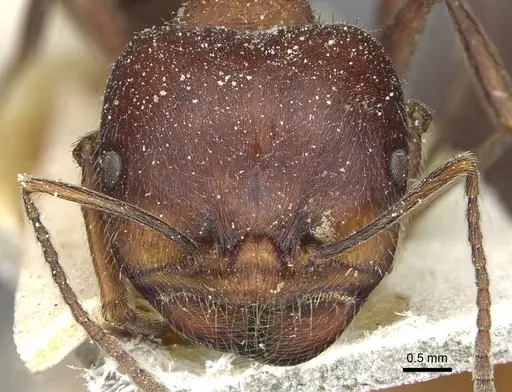
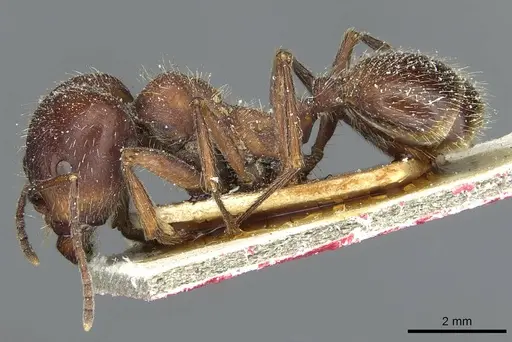
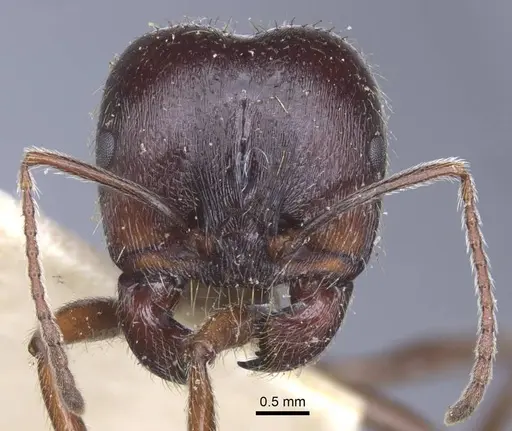
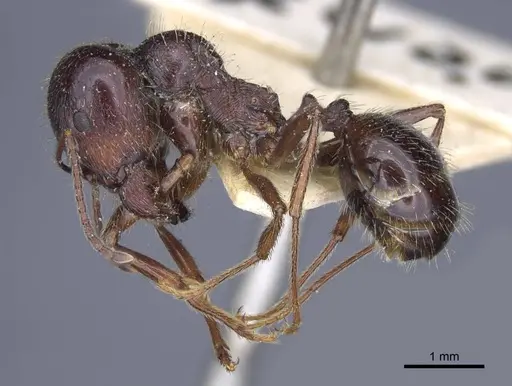
Messor orientalis is a medium-sized harvester ant in the Messor structor species-group. Major workers have a distinctly sculpted head with longitudinal striations that arch posterolaterally, while minor workers are smaller. Coloration ranges from yellow to reddish-brown or dark brown, with the gaster often darker than the mesosoma. This species is widespread across the eastern Mediterranean, Middle East, and Central Asia, found in countries including Cyprus, Greece, Turkey, Iran, and China . M. orientalis is notable for its role as both a seed harvester and an aphid farmer. It collects and stores seeds in its nests and is the exclusive attendant of Chaitophorus israeliticus aphids, exchanging protection for honeydew . As a thermophilous species, it thrives in warm, sunny open areas from sea level up to 1325 m altitude .
Quick Summary
- Difficulty: Easy
- Origin & Habitat: Eastern Mediterranean to Central Asia, including Cyprus, Greece, Turkey, Iran, Iraq, Israel, Afghanistan, and China. Prefers sunny open areas like seashores, gravel riverbanks, pastures, grasslands, and agricultural fields, but also tolerates less sunny habitats like phrygana and pine forests [1][2].
- Colony Type: Based on Messor genus patterns, likely monogyne (single queen colonies), but unconfirmed in research.
- Size & Growth:
- Queen: Size data unavailable, no total length measurements in research. Inferred from Messor genus patterns.
- Worker: Size data unavailable, no total length measurements in research. Inferred from Messor genus patterns.
- Colony: Unknown, no specific data on colony size in research.
- Growth: Moderate, inferred from related Messor species.
- Development: Unknown, no data in research. Estimated 8-12 weeks based on related species. (Development time is temperature-dependent, warmer conditions may accelerate growth.)
- Antkeeping:
- Temperature: Keep warm, roughly 24-28°C, as it is a thermophilous species. Create a gradient with a heating cable on one side [1].
- Humidity: Low to moderate, keep nest substrate moderately dry with a small water tube for humidity, as it prefers dry, sunny areas [1].
- Diapause: Unknown, no data in research. Based on geographic range, may require winter diapause, but unconfirmed.
- Nesting: Nests directly in the ground in sunny areas. Use a formicarium with soil or Y-tong nest with dirt insert to allow tunneling [1].
- Behavior: Generally peaceful but defensive when nest is disturbed. Workers forage for seeds and tend aphids for honeydew. They do not create well-trodden paths [1]. Escape risk is low due to medium size.
- Common Issues: overheating, keep below 32°C despite thermophilic nature., mold in nest, avoid excessive moisture since they prefer dry conditions., aphid dependency, if keeping as aphid farmers, ensure stable aphid source or provide alternative sugar., slow founding, queens may seal themselves in for months, beginners might assume colony is dead., seed storage confusion, stored seeds are normal, not mold problems.
Housing and Nest Setup
Messor orientalis nests directly in the ground in sunny areas. Use a formicarium with a soil chamber or a Y-tong nest with a dirt insert to allow natural tunneling. Provide at least 5-10 cm depth for nest chambers. Place the nest in a warm area and create a temperature gradient with a heating cable on one side. Keep humidity low to moderate with a small water tube, as this species prefers dry conditions [1]. The outworld can be decorated with sand and stones to mimic their natural habitat.
Feeding and Diet
As harvester ants, M. orientalis primarily collects and stores seeds. Offer a variety of seeds, such as grass seeds or cracked sunflower seeds, constantly available. They also need protein from small insects like fruit flies or mealworms twice weekly. In the wild, they tend aphids for honeydew, so occasional sugar water or honey is beneficial. Research shows that seeds stored by these ants are less likely to mold due to symbiotic actinomycetes on their bodies [5].
Temperature and Seasonal Care
This thermophilous species thrives at warm temperatures around 24-28°C. A heating cable on one side of the nest creates a gradient for self-regulation. Diapause is unconfirmed in research, but based on geographic range, a winter rest at 10-15°C for 2-3 months may be beneficial, though this is inferred and not confirmed [1].
Colony Founding
Founding behavior is unconfirmed in research. Based on Messor genus patterns, queens may be claustral, sealing themselves in to raise first workers, but this is not verified. Do not disturb founding chambers until at least 4 weeks after first workers appear.
Behavior and Foraging
Workers are active foragers that collect seeds and hunt small insects. They do not create well-trodden paths, spreading out moderately around the nest [1]. They tend aphids, particularly Chaitophorus israeliticus, for honeydew [3][4]. Workers are generally docile but will defend the nest if threatened.
Frequently Asked Questions
Can I keep Messor orientalis in a test tube?
Test tubes work for founding colonies, but move to a larger setup with soil once the colony has 20-30 workers. They naturally nest in the ground, so a formicarium with a dirt chamber is ideal for established colonies.
How long does it take for the first workers to emerge?
No specific data in research. Estimated 6-10 weeks at room temperature based on related species. Be patient and avoid disturbing the founding chamber.
Do Messor orientalis ants sting?
They have a stinger but rarely use it against humans. Major workers can give a mild bite if handled roughly, but they are generally docile.
What do Messor orientalis eat?
They primarily eat seeds but need protein from small insects. They also feed on honeydew from aphids. Offer seeds constantly, protein twice weekly, and occasional sugar water.
Do they need hibernation?
Diapause is unconfirmed in research. Based on geographic range, a winter rest may be beneficial, but this is inferred and not verified.
Are Messor orientalis good for beginners?
Yes, they are considered easy to keep. They are forgiving of minor care mistakes and do not require high humidity.
How big do colonies get?
No specific data on colony size in research. Based on Messor genus patterns, colonies may grow to several thousand workers over time, but this is estimated.
When should I move them to a formicarium?
Move the colony when it reaches 20-30 workers and the test tube setup becomes crowded. Use a naturalistic setup with soil for best results.
Why are my ants storing so many seeds?
This is normal behavior for harvester ants. Seeds are stored in nest chambers as a food source. Research shows stored seeds are less likely to mold due to symbiotic actinomycetes [5].
Can I keep multiple queens together?
Unconfirmed in research. Based on Messor genus patterns, colonies are likely monogyne, so combining queens may result in fighting. Only one queen per colony is recommended.
Report an Issue
The current care sheet is based fully on literature. See inconsistencies, or something that's incorrect? Please , it will be resolved after review from an admin. Contributing to the blogs tab also helps providing information, to make us be able to further improve the caresheets. Thank you for your support!
References

This caresheet is licensed under CC BY-SA 4.0 .
Community Blogs
CASENT0281206
View on AntWeb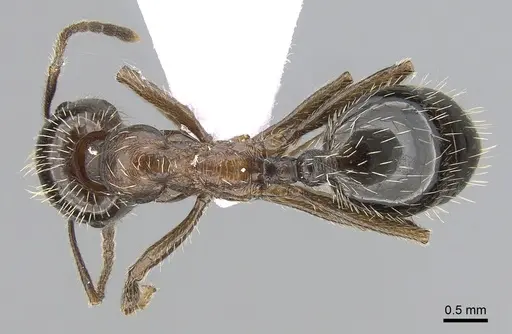
CASENT0281207
View on AntWeb
CASENT0281208
View on AntWeb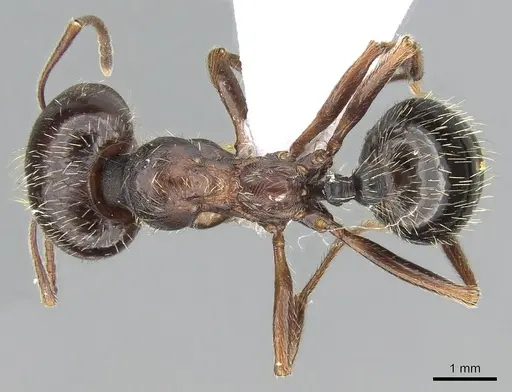
CASENT0281591
View on AntWeb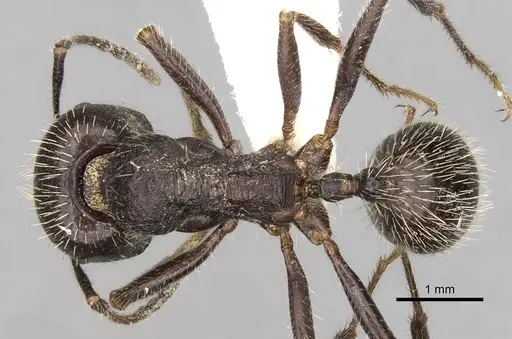
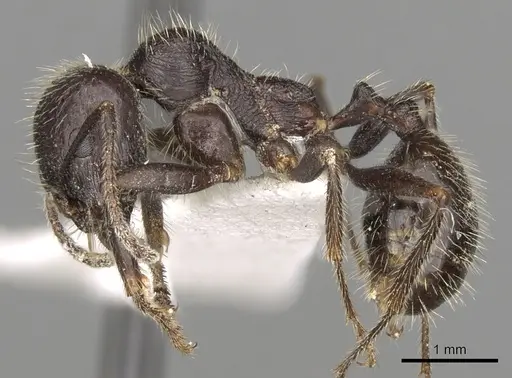
CASENT0904132
View on AntWeb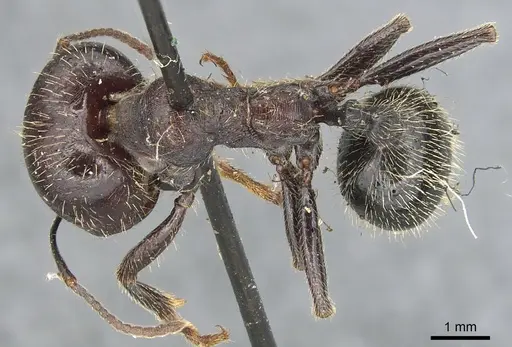
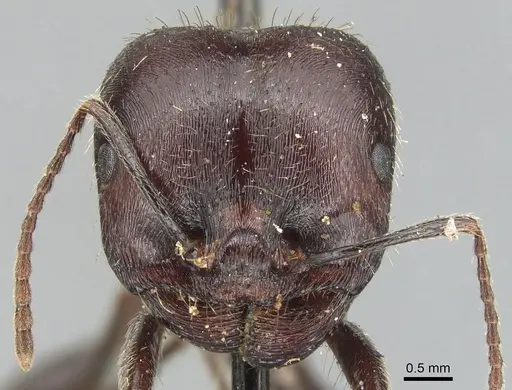
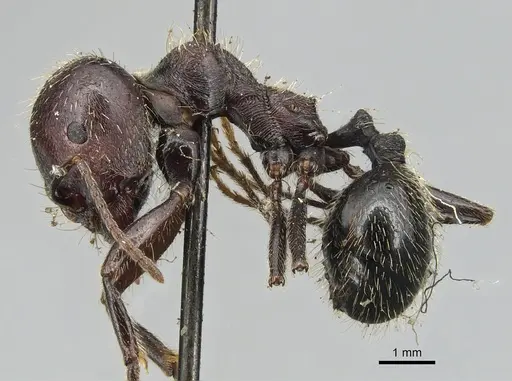
CASENT0913209
View on AntWeb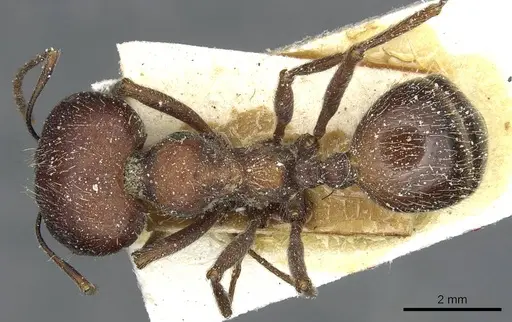
CASENT0916941
View on AntWeb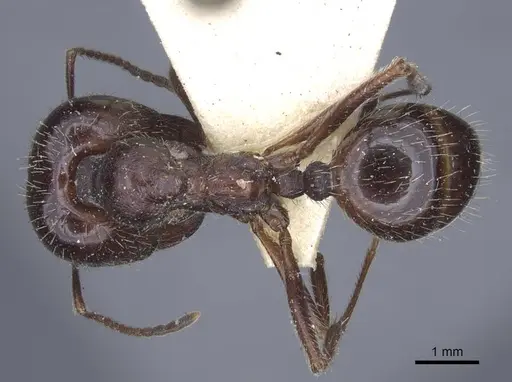
Literature
Loading distribution map...Loading products...