
Messor mediosanguineus
- Sci. Name
- Messor mediosanguineus
- Tribe
- Stenammini
- Subfamily
- Myrmicinae
- Author
- Donisthorpe, 1946
- Distribution
- Found in 1 countries
Introduction
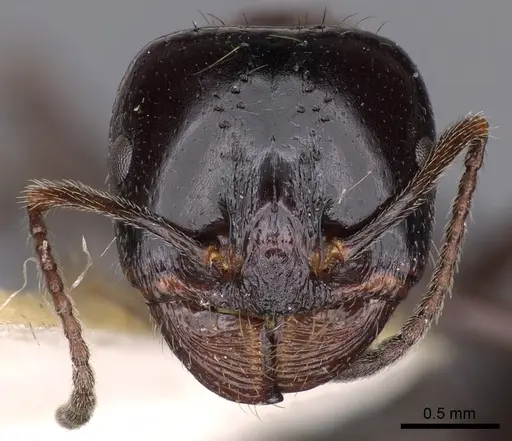
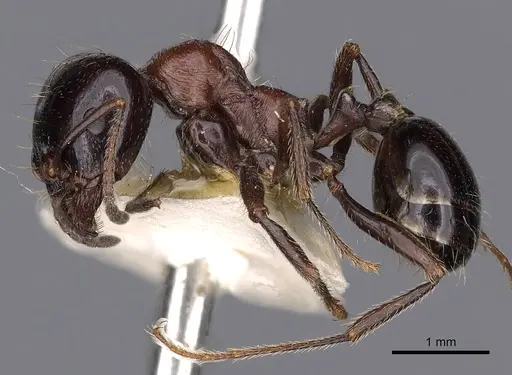
Messor mediosanguineus is a medium-sized harvester ant native to Turkey and Iran. Workers have a distinctive appearance: a black head, mostly reddish mesosoma (middle body section), and a first abdominal segment with only a few short, erect hairs. The propodeum (the rear portion of the mesosoma) has two small, blunt denticles. This species was previously classified as a subspecies of Messor barbarus but is now recognized as a distinct species based on morphological differences. They belong to the Messor semirufus species complex, a group of harvester ants known for collecting and processing seeds as their primary food source . These ants are found in grazing areas at higher elevations in the Zagros Mountains region of Iran (1774-2365m altitude) and across Turkey. As seed-harvesting ants, they play an important role in their ecosystem by collecting fallen seeds and contributing to soil aeration through their nest-building activities .
Quick Summary
- Difficulty: Easy
- Origin & Habitat: Native to Turkey and Iran, specifically the Chaharmahal va Bakhtiari Province in Iran and throughout Turkey. Found in grazing areas at elevations between 1774-2365 meters in mountainous regions [1].
- Colony Type: Colony structure is unconfirmed. Based on typical Messor genus patterns, likely single-queen colonies.
- Size & Growth:
- Queen: size data unavailable, inferred from Messor genus (~8-12mm)
- Worker: size data unavailable, no specific measurements in research
- Colony: Up to several thousand workers, inferred from Messor genus patterns
- Growth: Moderate
- Development: 6-10 weeks, inferred from related Messor species (Development time follows typical Messor patterns at warm room temperature. First workers (nanitics) are smaller than mature workers.)
- Antkeeping:
- Temperature: Keep at 22-28°C. Based on their mountain habitat in Turkey and Iran, they prefer warm conditions but can tolerate temperature variations. A gradient allowing them to move between warmer and cooler areas is ideal [1].
- Humidity: Low to moderate. These ants come from relatively dry, elevated grazing areas. Keep the nest substrate dry with just a small water tube for drinking. Avoid excessive moisture which can cause mold in seed stores.
- Diapause: Yes, required. Given their distribution in mountainous Turkey and Iran, colonies need a winter rest period of 2-3 months at 10-15°C. This mimics the cold winters at their high-elevation collection sites [1].
- Nesting: Use a dry nest setup. Messor ants prefer nests with dry chambers for seed storage. Y-tong (AAC), plaster, or acrylic nests work well. Provide a foraging area where they can sort and process seeds. They do well in formicariums with a large outworld for seed-threshing activities.
- Behavior: Temperament: Generally peaceful but can be defensive when their nest is disturbed. They are not aggressive toward humans and rarely sting. Escape risk: Moderate, workers are medium-sized and can climb smooth surfaces, but standard barriers like Fluon are effective. Foraging style: Seed-harvesters that actively collect and store seeds. They have specialized workers (major workers) with larger heads for seed processing. They create granaries within their nests to store seeds [2].
- Common Issues: seed storage mold, overwatering causes seeds to rot in the nest, keep nesting area dry, hibernation failure, colonies that don't get proper winter rest may have reduced longevity and queen health, escape during feeding, they are active foragers, ensure outworld barriers are secure, overfeeding, excess protein/sugar can attract pests and cause colony laziness in seed-harvesting, founder failure, claustral queens need complete darkness and quiet during the founding stage
Nest Preferences and Setup
Messor mediosanguineus thrives in dry nest environments that mimic their natural habitat in Turkish and Iranian grazing lands. These are seed-harvesting ants, so they need space to process and store seeds, a larger outworld is beneficial compared to typical ant setups. Y-tong (AAC) nests work exceptionally well because they provide the dry conditions these ants prefer while allowing you to observe their seed-sorting behavior. Plaster nests are another good option, though you should keep them relatively dry. Avoid setups that stay constantly moist, as this causes seed mold and can kill the colony. The nest should have chambers sized appropriately for their medium worker size, with enough space for major workers to process seeds with their powerful mandibles. [1][2]
Feeding and Diet
As true harvester ants, Messor mediosanguineus collects and consumes seeds as their primary food source. In captivity, offer a variety of seeds including grass seeds, millet, sunflower seeds (crushed or small varieties), and commercial ant seed mixes. They will also accept protein sources like small insects (mealworms, crickets, fruit flies) and protein gels. Sugar water or honey can be offered occasionally but is not essential since they get carbohydrates from seeds. The key to keeping this species healthy is providing a dry storage area within the nest where they can keep their seed caches. Watch their behavior, major workers will actively thresh seeds, breaking them open to eat the nutritious contents inside. Remove any uneaten seeds that show signs of mold to prevent colony health issues. [2]
Temperature and Seasonal Care
These ants come from relatively warm regions of Turkey and Iran, so they do best at temperatures between 22-28°C. Their mountain habitat (found at 1774-2365m elevation) means they experience cold winters and need a proper hibernation period. From late autumn through early spring (roughly November to March in the Northern Hemisphere), reduce temperatures to 10-15°C to allow the colony to rest. During hibernation, they will be less active and consume less food. Do not feed heavily during this period. After hibernation, gradually warm them back to room temperature and resume normal feeding. This seasonal cycle is important for queen health and colony longevity. If your room temperature stays in the low 20s°C year-round, you may need to use a cooler like a wine cooler or garage to provide proper hibernation conditions. [1]
Behavior and Colony Dynamics
Messor mediosanguineus colonies develop a clear caste system with minor workers handling general tasks and major workers (soldiers) specializing in seed processing. The majors have larger, more powerful mandibles designed for cracking open hard seed coats. This division of labor makes them fascinating to watch, you'll see minor workers carrying seeds to the majors, who then process them for consumption. Colonies are likely single-queen (monogyne) based on typical Messor patterns, meaning one queen establishes the colony and remains the sole reproductive female. The queen is likely claustral, she seals herself in a chamber during founding and does not leave to forage, surviving entirely on her stored fat reserves until her first workers emerge. These ants are not aggressive toward keepers and rarely attempt to sting. They are active foragers, especially in the evening and early morning hours. [1][2]
Frequently Asked Questions
How long does it take for Messor mediosanguineus to produce first workers?
Expect first workers (nanitics) to emerge around 6-10 weeks after the queen lays eggs, assuming temperatures around 24-26°C. This is inferred from related Messor species. The exact timing depends on temperature, warmer conditions speed development, while cooler temperatures slow it down. The first workers will be smaller than mature workers but will quickly grow in number as the colony establishes itself.
What do Messor mediosanguineus ants eat?
They are seed-harvesters, so seeds should make up the majority of their diet. Offer grass seeds, millet, small sunflower seeds, and commercial ant seed mixes. They also accept protein sources like small insects (mealworms, fruit flies) and will occasionally take sugar water or honey. The key is providing dry conditions for seed storage.
Do Messor mediosanguineus ants need hibernation?
Yes, they require a winter rest period of 2-3 months at temperatures around 10-15°C. This mimics their natural habitat in the mountainous regions of Turkey and Iran where winter temperatures drop significantly. Skipping hibernation can weaken the queen and reduce colony longevity.
Are Messor mediosanguineus good for beginners?
Yes, they are considered easy to keep. They are forgiving of minor temperature fluctuations, don't require high humidity, and their seed-based diet makes feeding straightforward. The main requirements are providing dry nesting conditions, proper hibernation, and a spacious outworld for their foraging activities.
How big do Messor mediosanguineus colonies get?
Mature colonies can reach several thousand workers, inferred from typical Messor genus patterns. They are medium-sized harvester ants with distinct worker castes, minor workers handle general tasks while major workers specialize in seed processing. Growth is moderate, expect several years to reach maximum size.
Can I keep multiple Messor mediosanguineus queens together?
No, this species is likely monogyne (single-queen) based on typical Messor patterns. Only keep one queen per colony. Multiple unrelated queens will fight until only one remains. If you find multiple queens in the wild, they are likely either a temporary founding aggregation or you have found multiple single-queen nests in close proximity.
What size nest do I need for Messor mediosanguineus?
Use a dry nest setup like Y-tong (AAC), plaster, or acrylic. They need chambers sized for medium ants and importantly, they need a larger outworld than typical because they actively thresh and process seeds. A formicarium with a spacious foraging area works best.
Do Messor mediosanguineus ants sting?
They have a stinger but rarely use it. These ants are not aggressive toward keepers and are considered docile. While they can sting, their sting is mild and they typically flee or feign death when disturbed rather than attacking.
When should I move my Messor mediosanguineus to a formicarium?
Move them when they outgrow their founding test tube setup, typically when the colony reaches 50-100 workers. Messor ants do well in formicariums earlier rather than later because they need space for seed processing activities. Make sure the formicarium has dry chambers and a good-sized outworld.
Why are my Messor mediosanguineus dying?
Common causes include: overwatering (causes seed mold), improper hibernation (queen health declines), stress from too much disturbance during founding, or poor seed quality. Check that the nesting area is dry, they have proper hibernation each winter, and your seeds are fresh and mold-free. Also ensure they're not being disturbed too frequently.
Report an Issue
The current care sheet is based fully on literature. See inconsistencies, or something that's incorrect? Please , it will be resolved after review from an admin. Contributing to the blogs tab also helps providing information, to make us be able to further improve the caresheets. Thank you for your support!
References

This caresheet is licensed under CC BY-SA 4.0 .
Community Blogs
CASENT0900484
View on AntWeb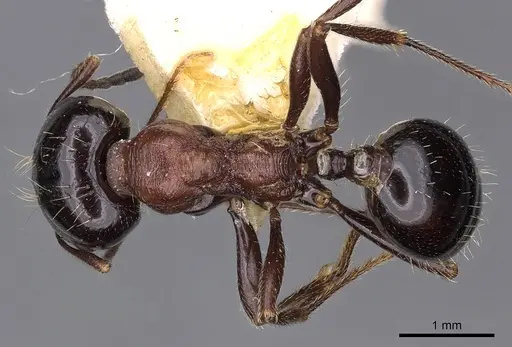
Literature
Loading distribution map...Loading products...