
Messor medioruber
- Sci. Name
- Messor medioruber
- Tribe
- Stenammini
- Subfamily
- Myrmicinae
- Author
- Santschi, 1910
- Distribution
- Found in 3 countries
Introduction
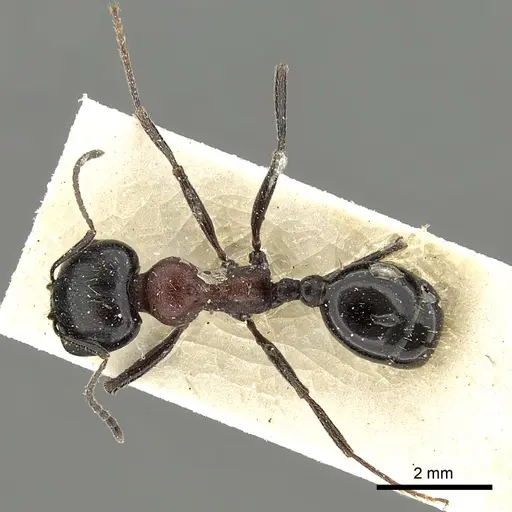
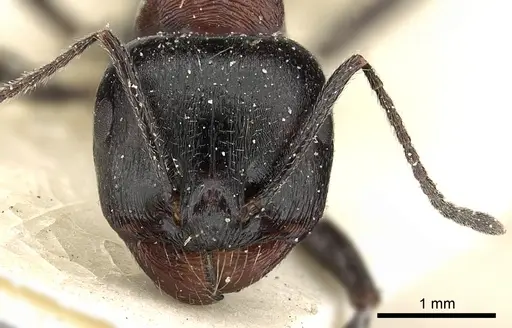
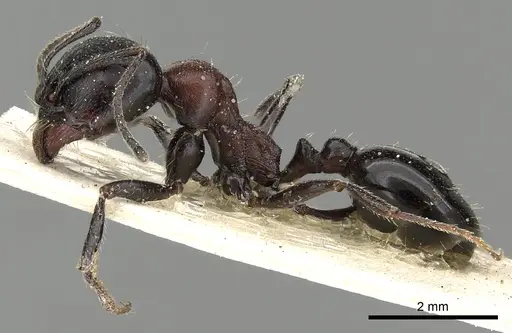
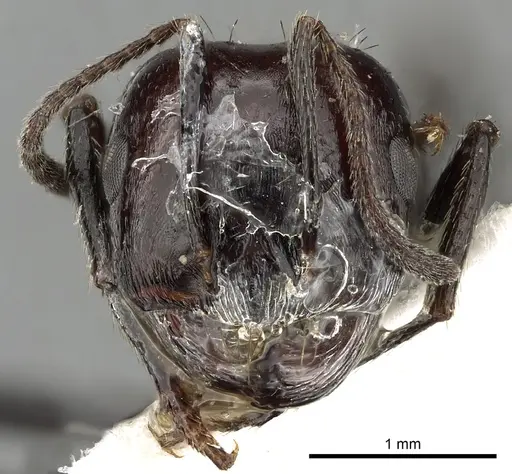
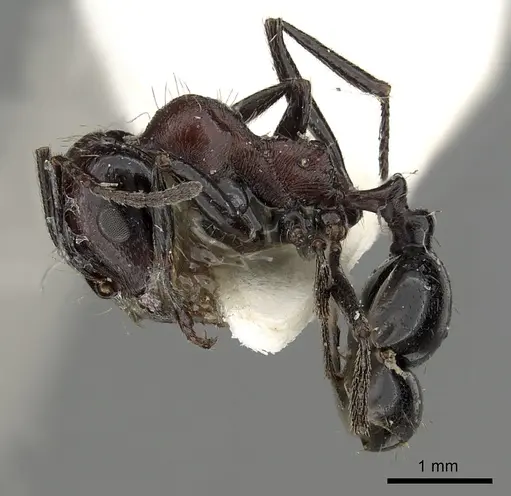
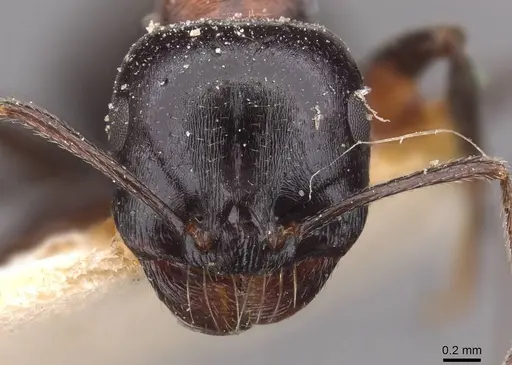
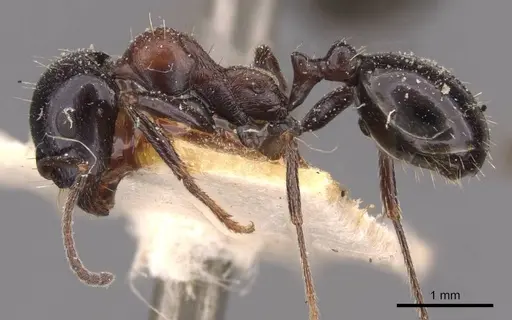
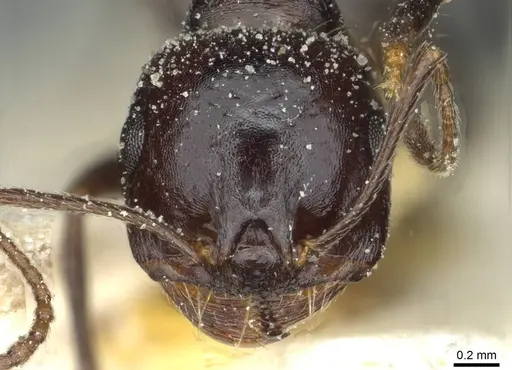
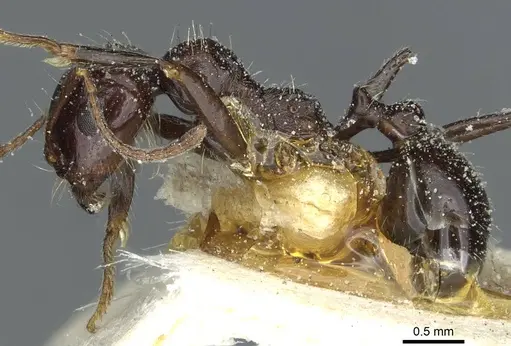
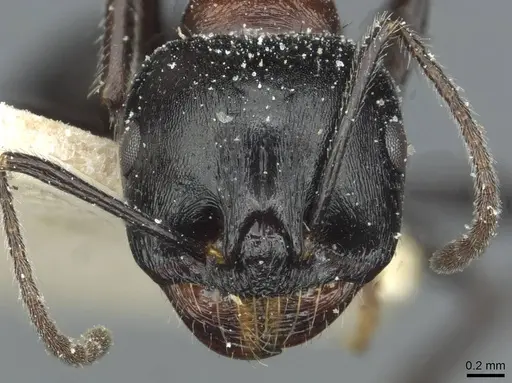
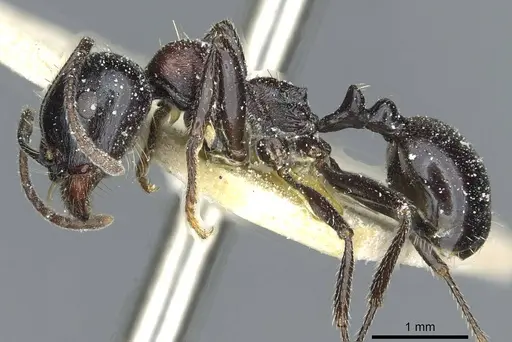
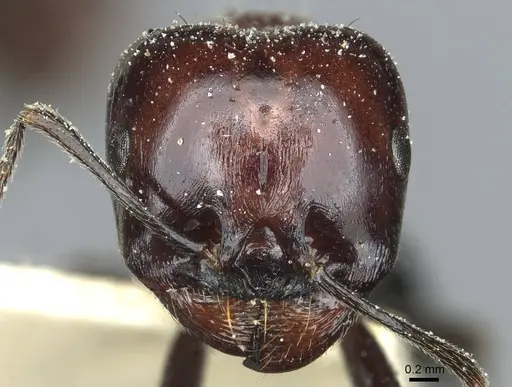
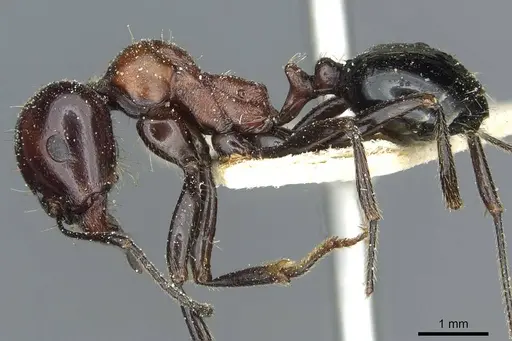
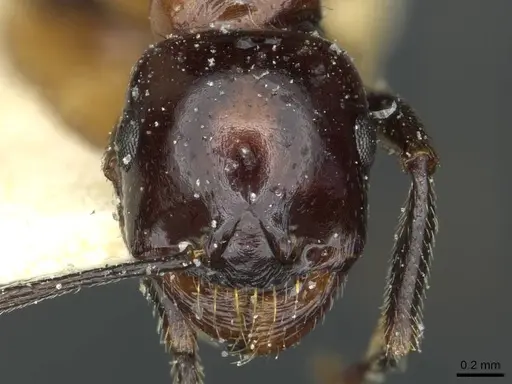
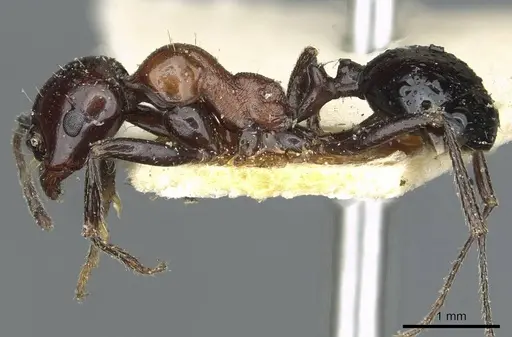
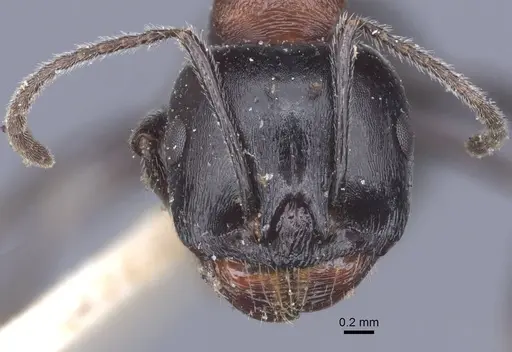
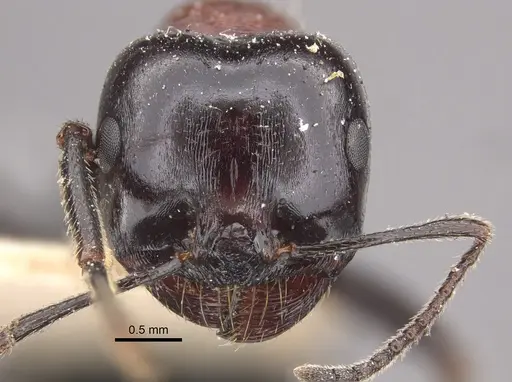
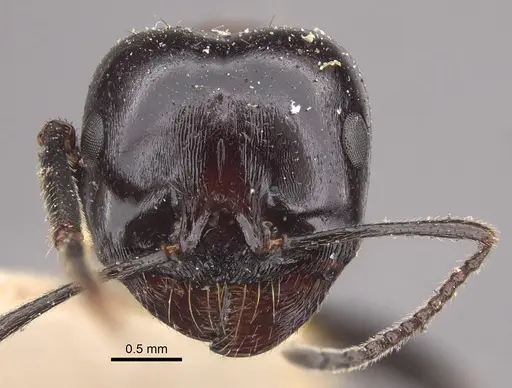
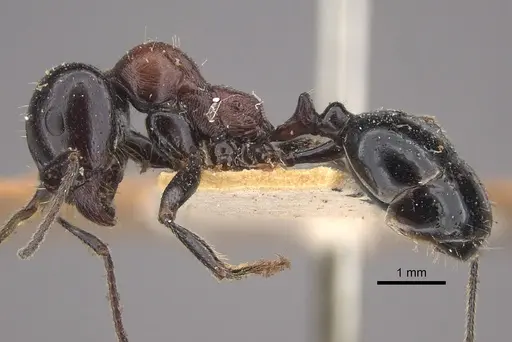
Messor medioruber is a medium-sized harvester ant native to North Africa and the Middle East. Workers measure 4.5-6.8 mm and have a bicolored appearance with a very dark red to brown body and black head and gaster, with reddish-brown mandibles, leg joints, and tarsi . Queens are larger at 10 mm and almost entirely black with reddish leg joints . This species is found in Algeria, Morocco, Tunisia, Saudi Arabia, United Arab Emirates, Kuwait, Iran, and Iraq . This ant is part of the medioruber complex with several forms, including the nominal form with red thorax and smooth head, and the sublaeviceps form which is common in the Maghreb . They associate with alfa grass (Stipa tenacissima) in arid steppe ecosystems, playing a role in seed dispersal .
Quick Summary
- Difficulty: Easy
- Origin & Habitat: North Africa and Middle East, in arid steppe regions from sea level to high elevations [3][4].
- Colony Type: Unconfirmed, no specific data on queen number in research context.
- Size & Growth:
- Queen: 10 mm [1]
- Worker: 4.5-6.8 mm [1][2]
- Colony: Up to several hundred workers, estimated based on typical Messor colonies [6].
- Growth: Moderate
- Development: Estimated 6-10 weeks at warm temperatures [6]. (Development time inferred from related Messor species, specific data for M. medioruber is unavailable.)
- Antkeeping:
- Temperature: Keep at 22-28°C with a gradient [6].
- Humidity: Keep nest substrate relatively dry with occasional light misting [6].
- Diapause: Unknown, no species-specific data, but based on geographic range, winter rest may be beneficial [6].
- Nesting: Use dry nests like Y-tong, plaster, or formicarium with sandy substrate [6].
- Behavior: Generally peaceful and not aggressive. Active foragers that collect seeds and small insects. Workers are medium-sized and require standard escape prevention [6].
- Common Issues: seed storage can mold if humidity is too high, keep nesting area dry., colonies may be slow to establish, be patient during founding phase., escape prevention needed for medium-sized ants., winter dormancy may be important for long-term health., wild-caught colonies may have parasites, quarantine new colonies.
Housing and Nest Setup
You can use a test tube setup for founding colonies, separate the water reservoir with a cotton ball. For established colonies, use Y-tong, plaster, or formicarium with dry sandy substrate. These ants prefer dry conditions, so avoid moist setups. Provide a small outworld for foraging seeds and protein. Since workers are medium-sized, ensure lids are secure for escape prevention [6].
Feeding and Diet
You should offer seeds like grass, millet, and crushed sunflower, along with protein sources like fruit flies or pinhead crickets. Newly founded colonies need more protein. Remove uneaten seeds to prevent mold. These ants are active foragers and will search for food in the outworld [6].
Temperature and Seasonal Care
Keep the nest area at 22-28°C with a slight gradient. They tolerate warm conditions but avoid extreme heat above 35°C. During winter, reduce temperature to 10-15°C for a rest period if desired, though specific diapause data is unknown [6].
Colony Development
Founding behavior is unconfirmed, but like other Messor species, queens may seal themselves in to raise first workers. Expect slow initial growth until workers emerge. Colonies likely reach several hundred workers over time, but exact timelines are inferred [6].
Behavior and Foraging
You will see workers using chemical trails to find seeds and insects. They store seeds in nest granaries. The species is generally peaceful and not aggressive, but standard escape prevention is needed due to medium size [6].
Frequently Asked Questions
How long does it take for Messor medioruber to have first workers?
Expect about 6-10 weeks from egg to worker at warm temperatures, based on typical Messor development [6].
What do Messor medioruber ants eat?
They are seed-harvesters. Offer various seeds and protein like small insects. Some colonies accept sugar water [6].
Do Messor medioruber ants need hibernation?
No specific data, but a winter rest at 10-15°C may benefit colony health based on geographic range [6].
Are Messor medioruber ants good for beginners?
Yes, they are considered easy to keep due to their forgiving nature and low humidity needs [6].
How big do Messor medioruber colonies get?
Up to several hundred workers, estimated based on typical Messor colonies [6].
Can I keep multiple Messor medioruber queens together?
Not recommended, as colony type is unconfirmed and combining queens may cause aggression [6].
What temperature is best for Messor medioruber?
Keep them at 22-28°C with a gradient [6].
Do Messor medioruber ants sting?
No, they are not dangerous and do not have a painful sting [6].
When should I move my Messor medioruber to a formicarium?
Once the colony has 20-30 workers and shows seed storage, consider moving to a larger setup [6].
Why are my Messor medioruber dying?
Common causes include too high humidity, improper temperature, skipping rest periods, or poor nutrition. Check for parasites in wild-caught colonies [6].
Report an Issue
The current care sheet is based fully on literature. See inconsistencies, or something that's incorrect? Please , it will be resolved after review from an admin. Contributing to the blogs tab also helps providing information, to make us be able to further improve the caresheets. Thank you for your support!
References

This caresheet is licensed under CC BY-SA 4.0 .
Community Blogs
CASENT0249827
View on AntWeb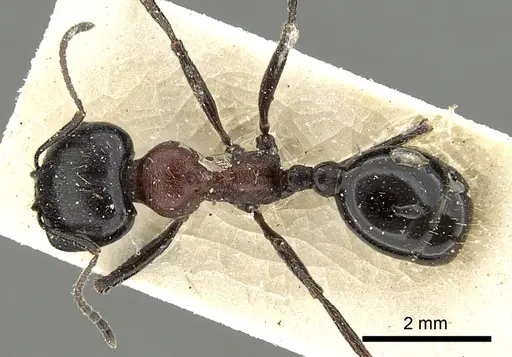
CASENT0249828
View on AntWeb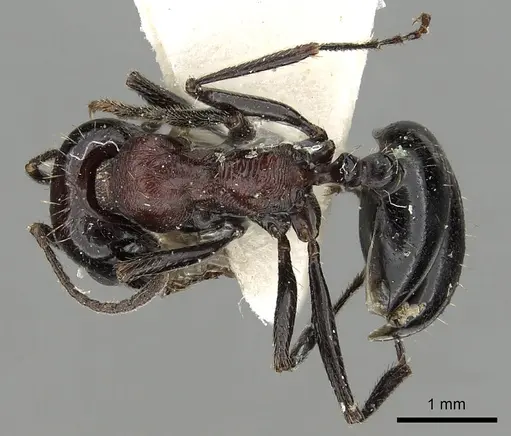
CASENT0907723
View on AntWeb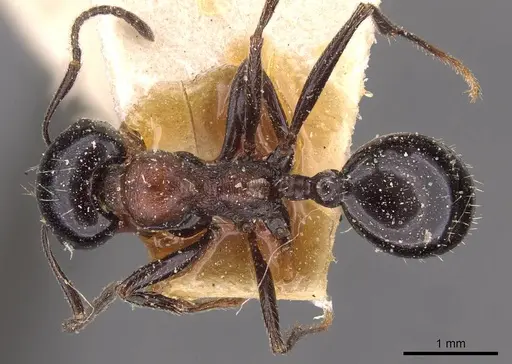
CASENT0913192
View on AntWeb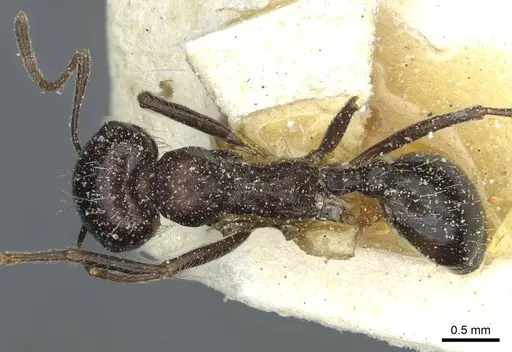
CASENT0913194
View on AntWeb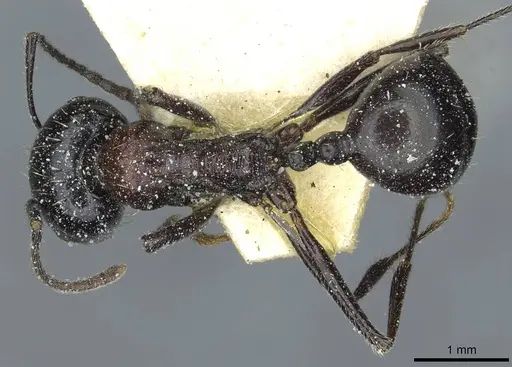
CASENT0913196
View on AntWeb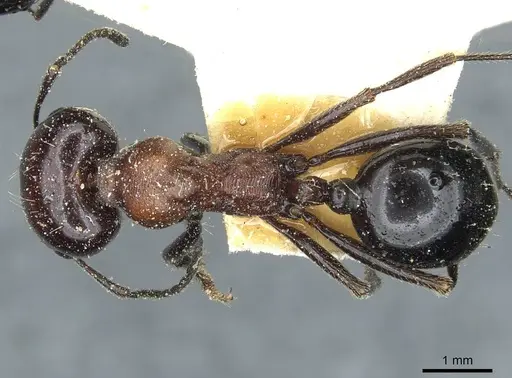
CASENT0913197
View on AntWeb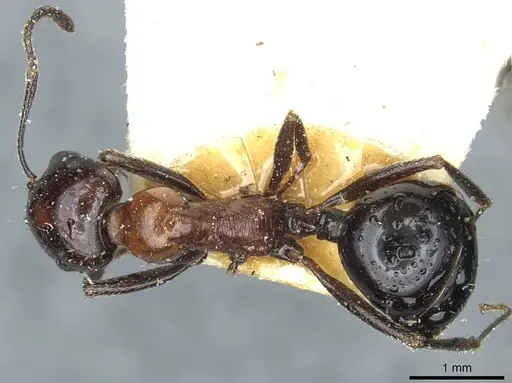
CASENT0916944
View on AntWeb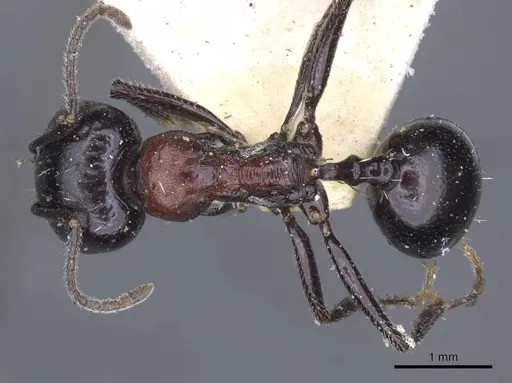
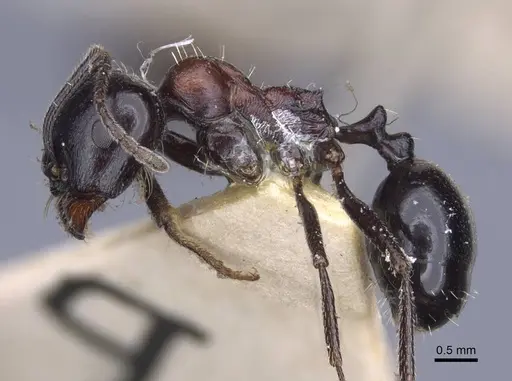
CASENT0917758
View on AntWeb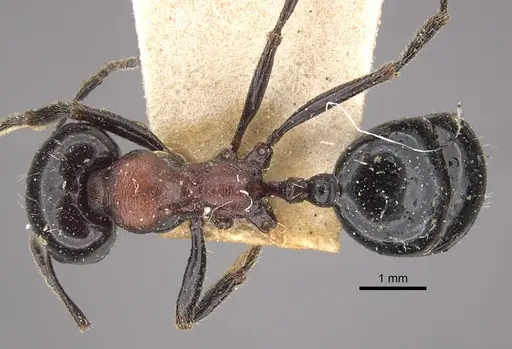
Literature
Loading distribution map...Loading products...