
Messor intermedius
- Sci. Name
- Messor intermedius
- Tribe
- Stenammini
- Subfamily
- Myrmicinae
- Author
- Santschi, 1927
- Distribution
- Found in 2 countries
Introduction
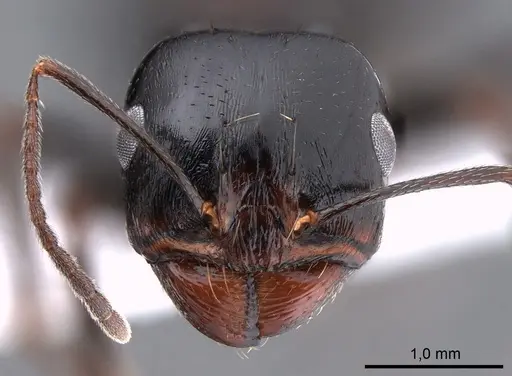
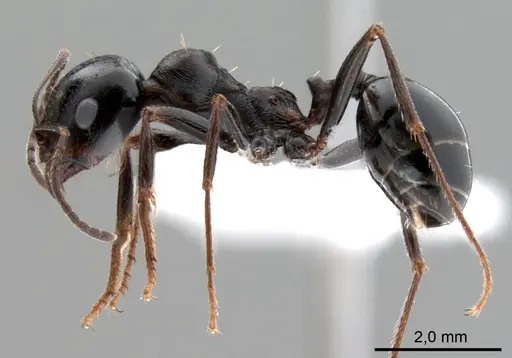
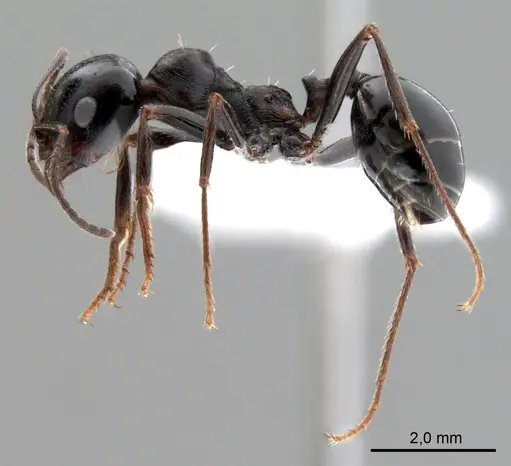
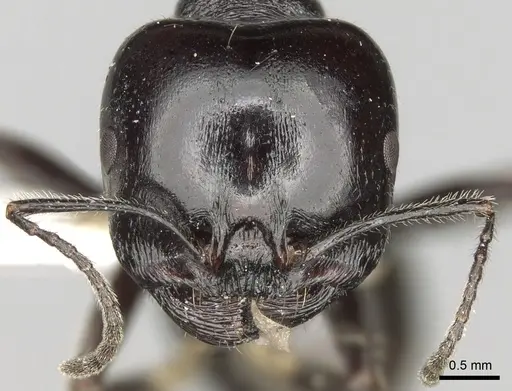
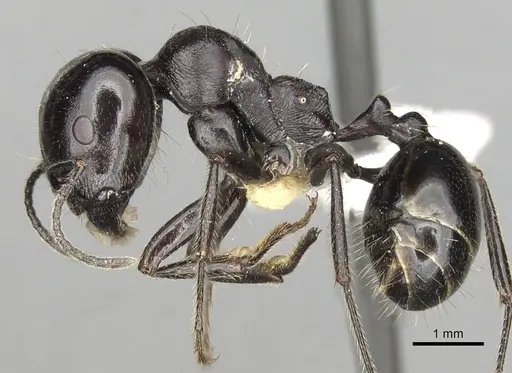
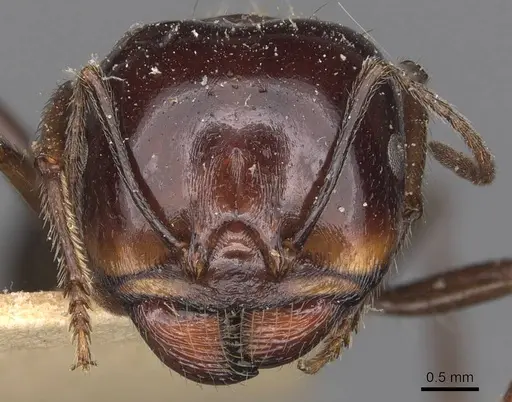
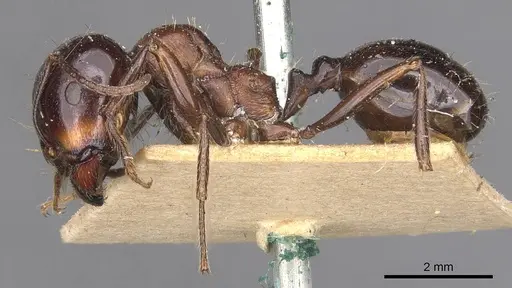
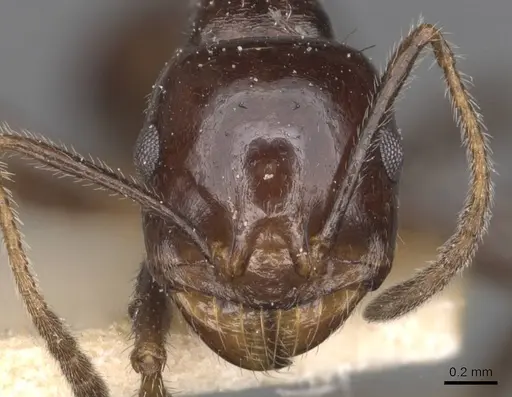
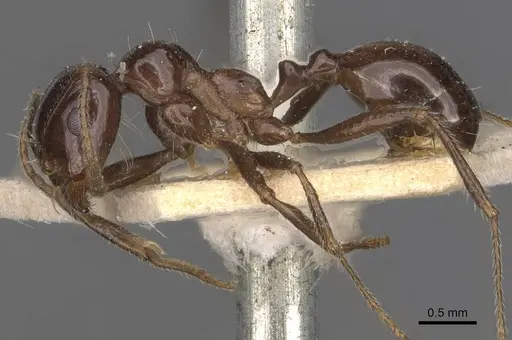
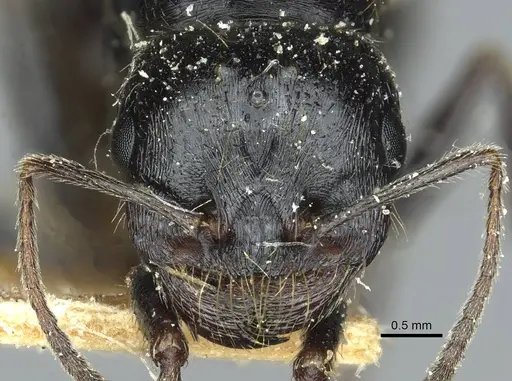
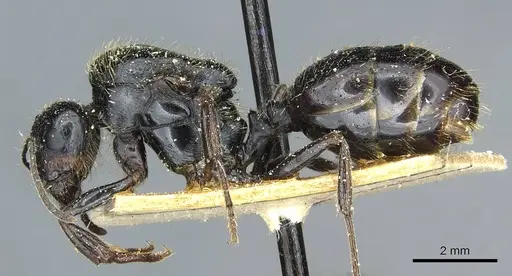
Messor intermedius is a medium-sized harvester ant native to the Mediterranean and Near East. Workers have a robust, dark brown body with a well-developed psammophore (a special structure for carrying seeds) on their head. This species belongs to the seed-harvester group, collecting and storing seeds as their primary food source. They build elaborate nests with multiple surface galleries and can have over 10 shafts. Colonies are indicator species for dry steppe habitats across their range .
Quick Summary
- Difficulty: Easy
- Origin & Habitat: Native to the Mediterranean and Near East, found in Greece (Dodecanese), Israel, Saudi Arabia, Oman, Syria, Turkey, Turkmenistan, Iran, and Lebanon. This is a dryland species that thrives in steppe and semi-arid habitats, often nesting in open ground with well-developed surface gallery systems [3][4][5].
- Colony Type: Single-queen colonies. Colonies can grow large with multiple chambers and extensive tunnel systems.
- Size & Growth:
- Queen: Size data unavailable, Messor queens are typically larger than workers
- Worker: Approximately 5-8mm, inferred from genus patterns [1]
- Colony: Large colonies, wild colonies can have hundreds to thousands of workers with nest densities of about 3.39 nests per hectare in their range [1]
- Growth: Moderate, typical for seed-harvester ants
- Development: Estimated 8-12 weeks based on typical Messor genus development patterns at warm temperatures (Development is temperature-dependent, faster in warmer conditions within their tolerance range)
- Antkeeping:
- Temperature: Keep at 22-28°C. They naturally occur in warm Mediterranean climates and tolerate higher temperatures well. A temperature gradient allows them to choose their preferred zone.
- Humidity: Low to moderate, these are dryland ants. Keep nest substrate relatively dry, similar to their natural steppe habitat. Provide a water tube for drinking but avoid excessive moisture.
- Diapause: Yes, they experience a winter rest period in their native range. Reduce temperature to 10-15°C for 2-3 months during winter.
- Nesting: Y-tong (AAC) nests work well due to their large size and need for seed storage chambers. Plaster nests or naturalistic setups with dry substrate are also suitable. They prefer compact chambers over expansive ones.
- Behavior: Generally peaceful but can be defensive when their nest is threatened. They are seed-harvesters by nature, you will see them collecting and storing seeds in dedicated chambers within the nest. Workers are active foragers who search for seeds and other food items. They are not aggressive toward humans but may bite if handled roughly. Escape risk is moderate, use standard barrier methods.
- Common Issues: seed storage can lead to mold if humidity is too high, keep nesting area dry, colonies may become sluggish or stop developing if temperatures drop below 20°C, overfeeding seeds can cause storage chambers to become damp and moldy, only provide fresh seeds, large colonies need expanding space, transfer to larger nests before they outgrow their current setup, hibernation failure is common, ensure proper cooling period in winter months
Housing and Nest Setup
Messor intermedius does well in Y-tong (AAC) nests or plaster formicariums. These ants need space for seed storage, they have a specialized psammophore for carrying seeds and will collect and store seeds in dedicated chambers. Because they are dryland ants, keep the nesting area relatively dry. Provide a water test tube with a cotton plug for drinking water, but avoid high humidity in the nest itself. A test tube setup works well for founding colonies, then move to a larger formicarium as the colony grows. They prefer compact chambers over tall open spaces. Escape prevention is straightforward, these are medium-large ants that cannot squeeze through standard barriers [1].
Feeding and Diet
As seed-harvester ants, their primary diet consists of seeds. Offer a variety of seeds, they will collect and store them in nest chambers. In captivity, they readily accept common seeds like millet, flax, sesame, and canary seed. They also accept protein sources like small insects (dead or alive) and will scavenge. Some keepers report they occasionally accept sugar water or honey, though this is not their primary food source. Fresh seeds should be provided regularly, remove any that become damp or moldy to prevent colony health issues. The key is providing a constant supply of diverse seeds for them to harvest and store [1].
Temperature and Seasonal Care
Keep your colony at 22-28°C for optimal development. They tolerate warmer conditions well, reflecting their Mediterranean and Near Eastern origins. During the active season (spring through fall), room temperature is often sufficient. In winter, they require a diapause period, reduce temperatures to 10-15°C for 2-3 months. This mimics their natural seasonal cycle in the wild. You can achieve this by moving the colony to a cooler location or using a mini refrigerator (dedicated for live animals) during winter. Do not feed during hibernation. After the rest period, gradually warm them back up in spring to trigger renewed activity and growth [1][5].
Colony Growth and Development
Messor intermedius colonies grow moderately fast once established. A claustral queen seals herself in a founding chamber and raises the first workers (nanitics) alone using stored fat reserves. First workers are typically smaller but will begin foraging for seeds to feed the colony. Over time, colony size expands significantly, wild colonies can reach thousands of workers. They build elaborate nests with multiple chambers and surface galleries. In captivity, ensure you provide expanding space as the colony grows. The development time from egg to worker is estimated at 8-12 weeks at optimal temperatures, though this varies based on conditions. A well-established colony will become an impressive display ant with active foragers constantly bringing in seeds [1].
Frequently Asked Questions
How long does it take for Messor intermedius to raise their first workers?
Expect first workers (nanitics) to emerge in about 8-12 weeks at optimal temperatures (22-28°C). This is typical for seed-harvester ants in the Messor genus.
What do Messor intermedius ants eat?
They are seed-harvester ants, their primary food is seeds. Offer variety like millet, flax, sesame, and canary seed. They also accept small insects and occasionally sugar water. Always provide fresh seeds and remove any that become moldy.
Do Messor intermedius ants need hibernation?
Yes, they require a winter rest period. Reduce temperatures to 10-15°C for 2-3 months during winter. This mimics their natural seasonal cycle in the Mediterranean and Near Eastern regions.
What size colony do Messor intermedius colonies reach?
Large colonies, wild colonies can reach thousands of workers. In captivity, expect several hundred to a few thousand workers at full maturity.
Are Messor intermedius good for beginners?
Yes, they are considered easy to keep. They are resilient, tolerate a range of conditions, and their seed-based diet is simple to provide. Their moderate temperature and humidity needs are easy to meet in typical home environments.
Can I keep multiple Messor intermedius queens together?
No, this is a single-queen (monogyne) species. Multiple unrelated queens will fight. Only keep one queen per colony.
What type of nest is best for Messor intermedius?
Y-tong (AAC) nests or plaster formicariums work well. They need dry conditions and space for seed storage chambers. Avoid overly humid setups.
Do Messor intermedius ants sting?
They may bite if threatened but are not considered dangerous to humans. Their sting is mild and they are not aggressive toward keepers.
When should I move my colony to a larger nest?
Move to a larger formicarium when the colony reaches several hundred workers and you notice they are filling most chambers with seeds or brood. Having extra space helps prevent stress and mold issues from overcrowding.
Why are my Messor intermedius not eating the seeds I provide?
They may not need food yet, or the seeds might be too large. Try offering smaller seeds or crushing some to make them more accessible. Also ensure fresh water is available, they need water to process seeds.
Report an Issue
The current care sheet is based fully on literature. See inconsistencies, or something that's incorrect? Please , it will be resolved after review from an admin. Contributing to the blogs tab also helps providing information, to make us be able to further improve the caresheets. Thank you for your support!
References

This caresheet is licensed under CC BY-SA 4.0 .
Community Blogs
ANTWEB1008073
View on AntWeb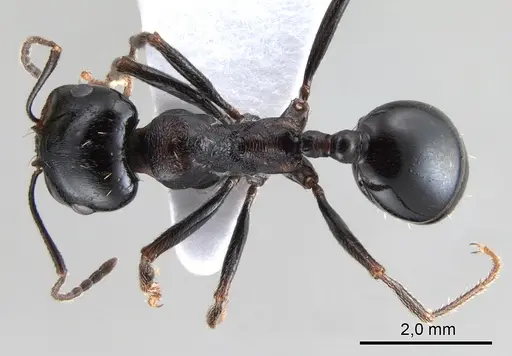
CASENT0281608
View on AntWeb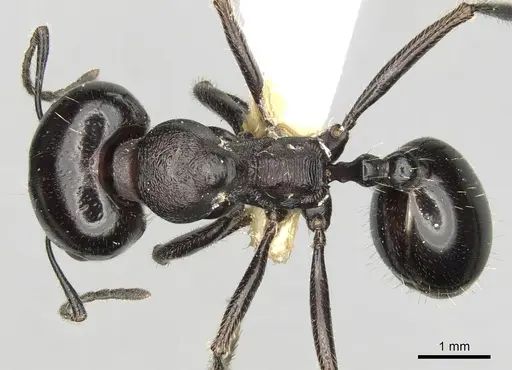
CASENT0907736
View on AntWeb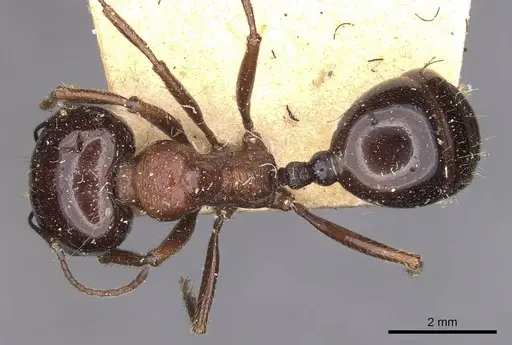
CASENT0907737
View on AntWeb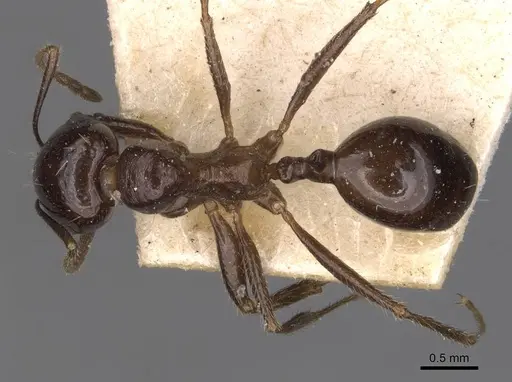
CASENT0913188
View on AntWeb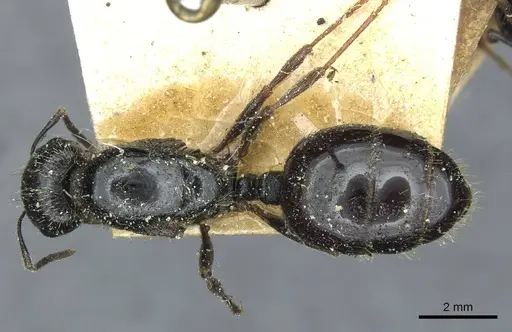
Literature
Loading distribution map...Loading products...