
Messor brevispinosus
- Sci. Name
- Messor brevispinosus
- Tribe
- Stenammini
- Subfamily
- Myrmicinae
- Author
- Santschi, 1923
- Distribution
- Found in 1 countries
Introduction
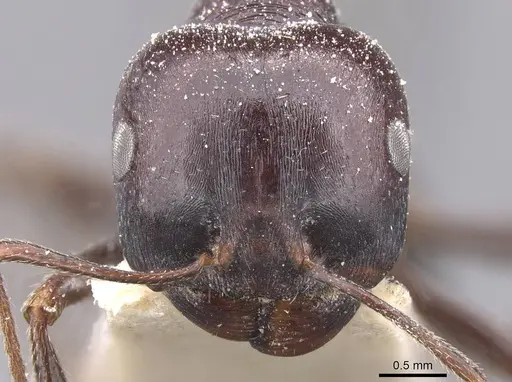
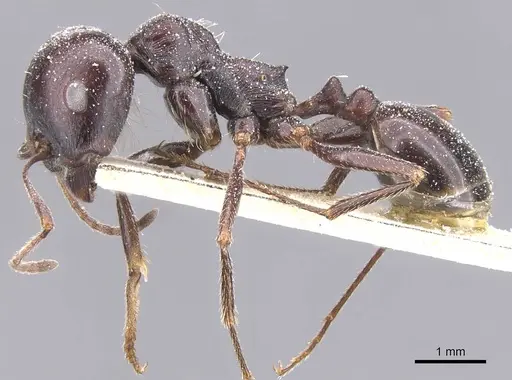
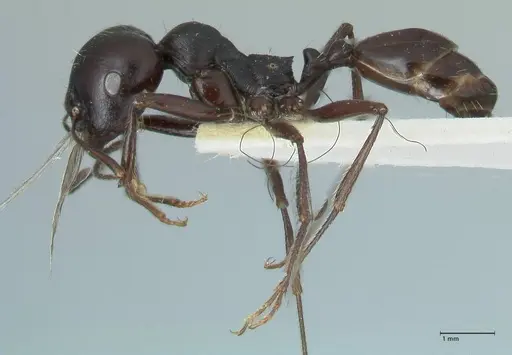
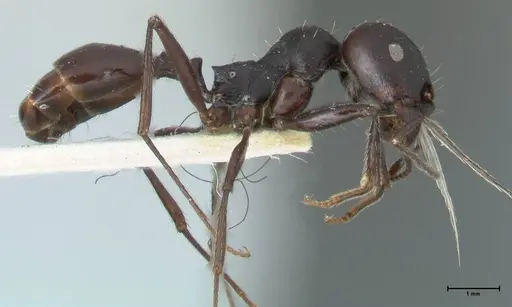
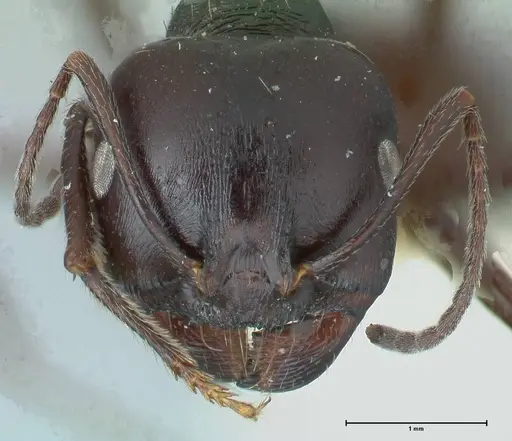
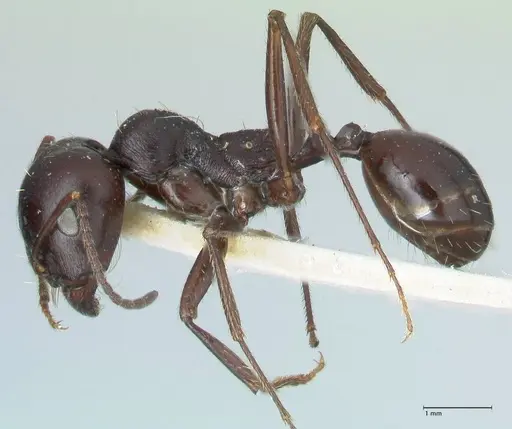
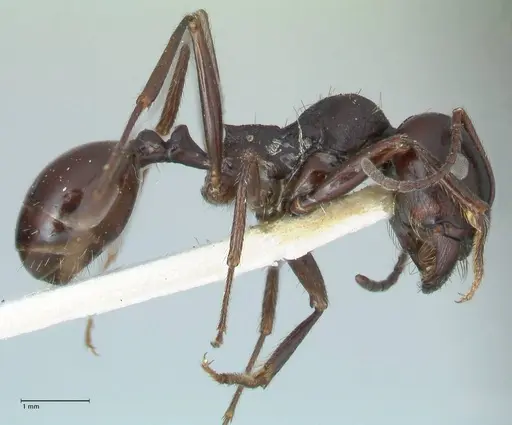
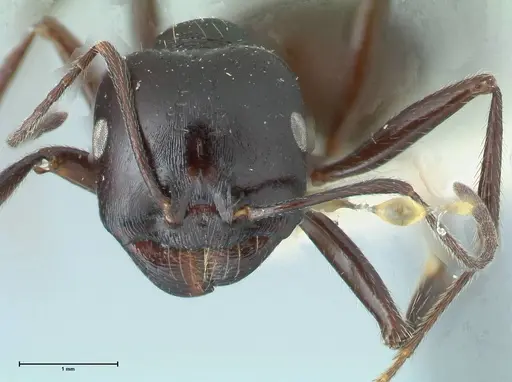
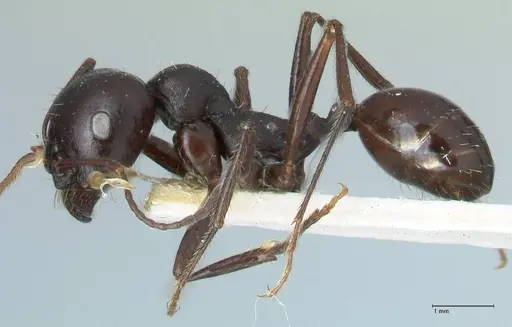
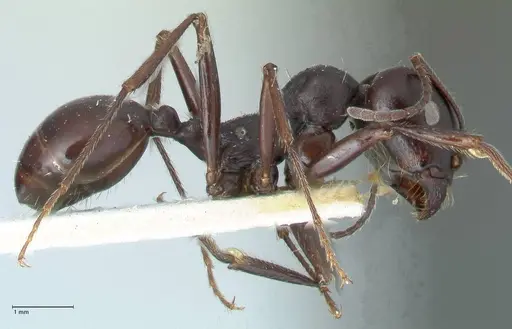
Messor brevispinosus is a seed-harvester ant species native to Morocco, found along the southern Atlantic coast from Agadir to Tan Tan . Workers are polymorphic, meaning they come in different sizes - from small minor workers to large major workers with oversized heads used for seed processing. The genus Messor is known for harvesting seeds, storing them in the nest, and sometimes chewing them into a paste to feed the colony. This makes them one of the more interesting ant species to watch during feeding time.
Quick Summary
- Difficulty: Easy
- Origin & Habitat: Morocco, specifically the southern Atlantic coast region from Agadir to Tan Tan. This is a semi-arid to desert coastal area with hot, dry conditions [1][2].
- Colony Type: Likely single-queen colonies based on typical Messor genus patterns, though colony structure is not directly documented for this species.
- Size & Growth:
- Queen: ~8-10mm, inferred from Messor genus patterns
- Worker: ~3-8mm polymorphic (small minors to large majors), inferred from genus patterns
- Colony: Up to several thousand workers, inferred from typical Messor colony development
- Growth: Moderate
- Development: ~6-10 weeks at optimal temperature, inferred from related Messor species (Development time varies with temperature)
- Antkeeping:
- Temperature: Keep at 22-26°C. They come from warm Moroccan climate and prefer stable warmth. A heating cable on one side of the nest creates a suitable gradient.
- Humidity: Keep relatively dry, these are desert-adapted ants. The nest substrate should be mostly dry with a small water section for drinking. Avoid damp conditions that cause mold.
- Diapause: Yes, they benefit from a winter rest period of 2-3 months at around 15-18°C. This mimics their natural seasonal cycle in Morocco.
- Nesting: Test tubes work well for founding colonies. For established colonies, a naturalistic setup with dry sandy substrate or a Y-tong nest with dry chambers suits them. They prefer tight, enclosed spaces.
- Behavior: Generally peaceful and not aggressive toward keepers. They are active foragers that search for seeds and will readily take insect prey as well. Major workers use their large mandibles to crack and process seeds. Escape risk is moderate, they are not particularly small but can climb smooth surfaces. Close-fitting lids and standard barriers are sufficient.
- Common Issues: mold growth from overwatering, keep nesting area dry, colonies can become sluggish or stop developing if kept too cold, seed storage can go moldy if humidity is too high in the nest, slow founding period may cause beginners to give up, claustral queens take time, major workers can get stuck in narrow tubing, use appropriately sized connections
Nest Preferences and Housing
Messor brevispinosus does well in test tubes for the founding stage. Fill a test tube with water and plug the wet end with cotton, this provides a constant water source without flooding. The ants will naturally cluster in the dry portion. For larger colonies, transition to a Y-tong nest or a naturalistic setup with dry sandy substrate. These ants prefer tight, enclosed chambers rather than open spaces. Avoid overly moist conditions, a dry nest with a separate water source works best. If using a formicarium, ensure good ventilation to prevent mold buildup.
Feeding and Diet
As seed-harvester ants, Messor brevispinosus collects and stores seeds as their primary food source. Offer a variety of seeds, grass seeds, millet, chia, and commercial ant seed mixes work well. Major workers will crack larger seeds with their powerful mandibles. They also need protein, offer small insects like fruit flies, small crickets, or mealworms once or twice a week. Sugar water or honey can be offered occasionally but is not required since they get carbohydrates from seeds. Remove uneaten seeds periodically to prevent mold.
Temperature and Seasonal Care
These Moroccan ants prefer warm conditions between 22-26°C. A heating cable placed on part of the nest creates a temperature gradient they can choose from. During winter, reduce temperature to around 15-18°C for 2-3 months to simulate their natural seasonal cycle. This winter rest period helps maintain colony health and may trigger reproductive behavior in spring. Do not cool them suddenly, reduce temperature gradually over a couple weeks.
Behavior and Colony Dynamics
Messor brevispinosus shows classic seed-harvester behavior. Workers leave the nest to forage for seeds, carrying them back to the colony. Major workers process seeds by chewing them into a paste that feeds larvae and the colony. This species is not aggressive and rarely bites. Workers are polymorphic, you will see small workers handling most tasks while large majors crack seeds and defend the nest. Colonies grow moderately fast once the first workers (nanitics) hatch.
Frequently Asked Questions
How long does it take for Messor brevispinosus to have first workers?
Expect first workers (nanitics) around 6-10 weeks after the queen lays eggs, assuming optimal temperature around 24-26°C. This is estimated from related Messor species, actual timing may vary.
What do Messor brevispinosus ants eat?
They primarily eat seeds, offer grass seeds, millet, or commercial seed mixes. They also need protein from small insects like fruit flies or mealworms once or twice weekly.
Do Messor brevispinosus ants need hibernation?
Yes, they benefit from a winter rest period. Reduce temperature to around 15-18°C for 2-3 months during winter. This mimics their natural seasonal cycle in Morocco.
Can I keep Messor brevispinosus in a test tube?
Yes, test tubes work well for founding colonies. Keep the water section capped with cotton and the rest of the tube dry. For larger colonies, transition to a Y-tong or naturalistic setup.
How big do Messor brevispinosus colonies get?
Based on typical Messor development, colonies likely reach several thousand workers over several years. They are polymorphic with majors reaching around 8mm.
Do Messor brevispinosus ants sting?
They may bite if threatened, but are not considered dangerous to humans. Their mandibles are designed for seed processing rather than stinging.
Are Messor brevispinosus good for beginners?
Yes, they are considered easy to keep. They are forgiving of minor care mistakes, do not require high humidity, and are fascinating to watch harvesting and processing seeds.
What temperature is best for Messor brevispinosus?
Keep them at 22-26°C. A heating cable on part of the nest creates a gradient they can regulate themselves. Avoid temperatures below 20°C for extended periods.
When should I move my Messor brevispinosus to a formicarium?
Move from test tube to a larger nest when the colony reaches around 50-100 workers or the test tube becomes crowded. A Y-tong or naturalistic setup works well for established colonies.
Why are my Messor brevispinosus not eating seeds?
This is normal initially, founding colonies may focus on protein. Try offering smaller seeds or crushing them slightly. Also ensure the colony has workers to process seeds, a brand new queen alone will not handle seeds.
Report an Issue
The current care sheet is based fully on literature. See inconsistencies, or something that's incorrect? Please , it will be resolved after review from an admin. Contributing to the blogs tab also helps providing information, to make us be able to further improve the caresheets. Thank you for your support!
References

This caresheet is licensed under CC BY-SA 4.0 .
Community Blogs
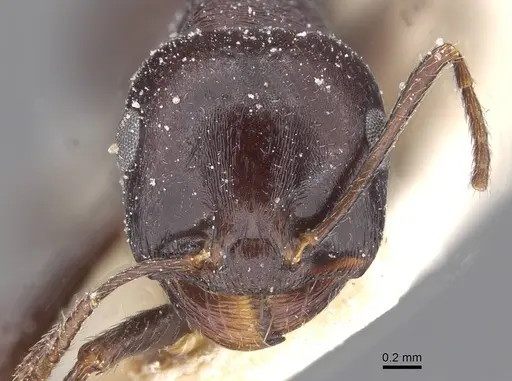
CASENT0913142
View on AntWeb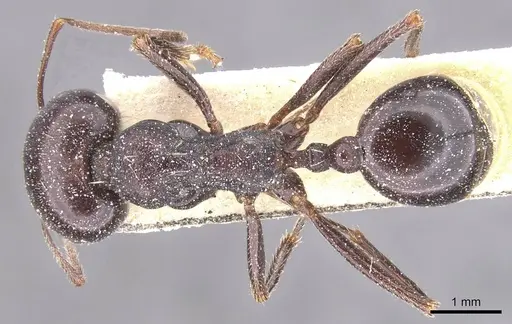
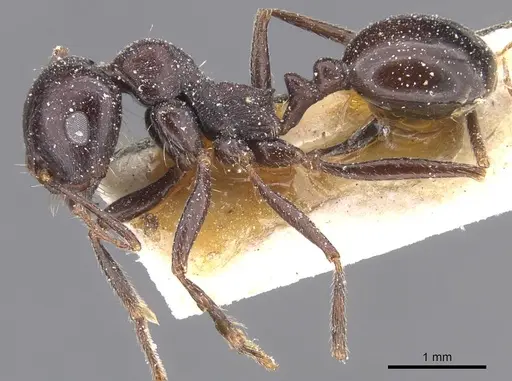
CASENT0913143
View on AntWeb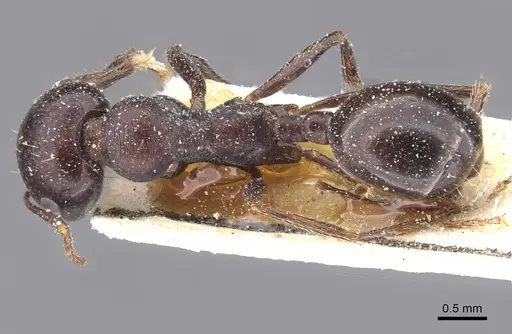
FOCOL1251
View on AntWeb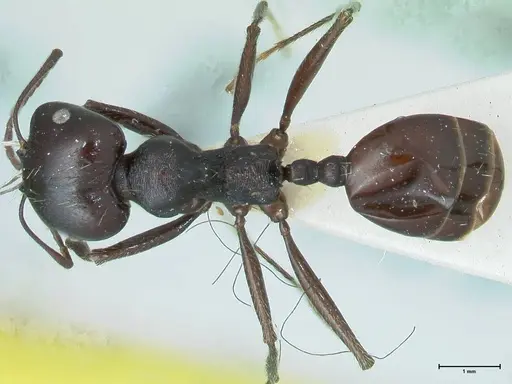
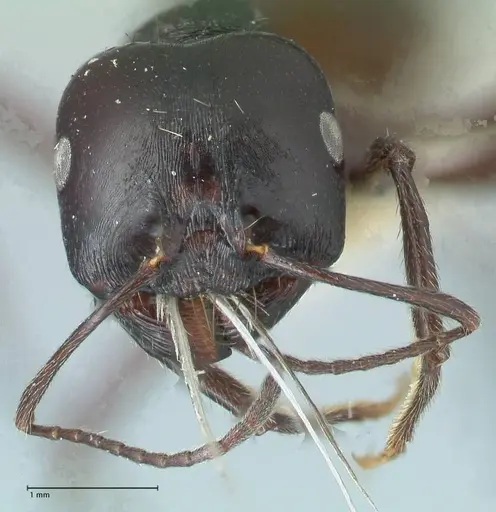
FOCOL1252
View on AntWeb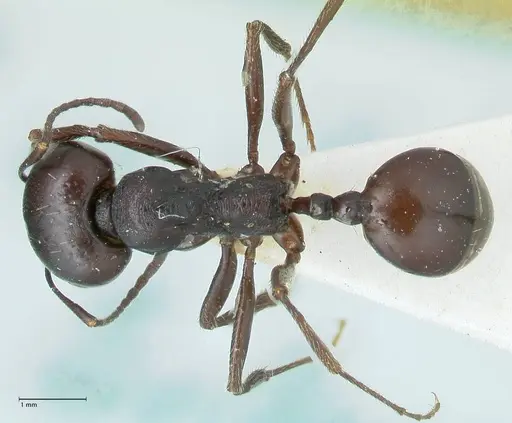
FOCOL1253
View on AntWeb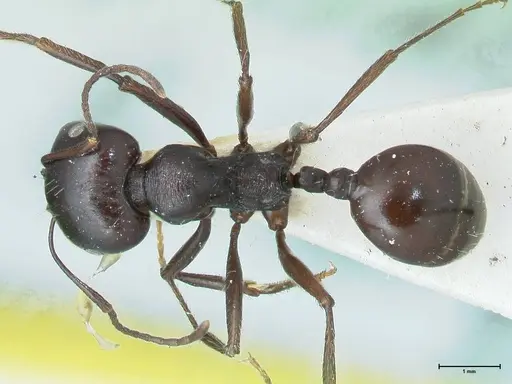
Literature
Loading distribution map...Loading products...