
Messor bernardi
- Sci. Name
- Messor bernardi
- Tribe
- Stenammini
- Subfamily
- Myrmicinae
- Author
- Cagniant, 1967
- Distribution
- Found in 1 countries
Introduction
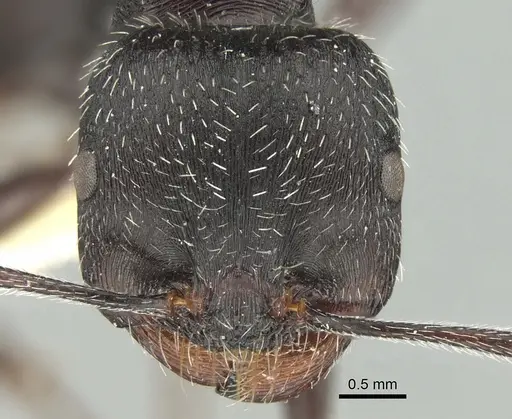
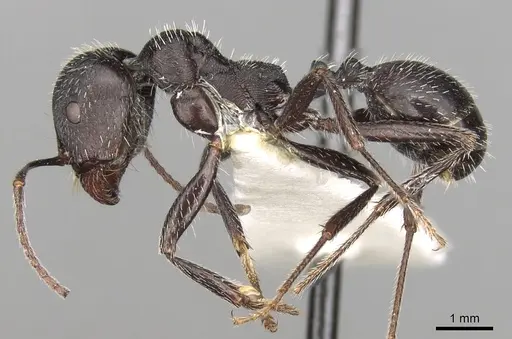
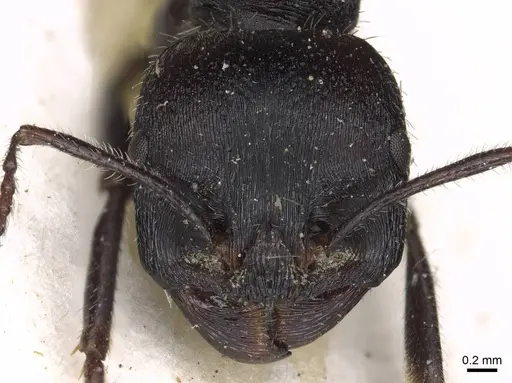
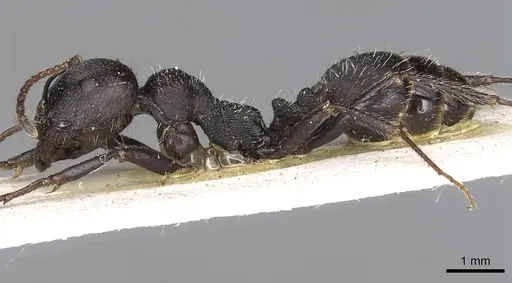
Messor bernardi is a medium-sized harvester ant native to the mountainous regions of Algeria in North Africa. Workers are black with a distinctly striated gaster and an angular propodeum, and the head has longitudinal wrinkles . This species belongs to the Stenammini tribe and Myrmicinae subfamily. As a harvester ant, it collects and stores seeds, playing a role in seed dispersal in its native ecosystem. It nests in the Atlas Mountains of Algeria at elevations around 1500 meters .
Quick Summary
- Difficulty: Medium
- Origin & Habitat: Algeria (Palaearctic Region), specifically the Atlas Mountains at elevations around 1500 meters [2][3]. They inhabit mountainous forest regions.
- Colony Type: Based on Messor genus patterns, likely monogyne with a single queen heading each colony.
- Size & Growth:
- Queen: Size data unavailable for Messor bernardi. Inferred from Messor genus: ~9-12 mm.
- Worker: Size data unavailable for Messor bernardi. Inferred from Messor genus: ~3-8 mm.
- Colony: Up to several thousand workers inferred from genus patterns.
- Growth: Moderate
- Development: Estimated 6-10 weeks based on related Messor species [4]. (Development time is inferred from genus-level data for Messor species.)
- Antkeeping:
- Temperature: Keep warm, roughly 22-26°C, based on genus patterns [4].
- Humidity: Keep nest substrate slightly moist but allow it to dry between waterings [4].
- Diapause: Yes, requires winter hibernation of 2-3 months at 10-15°C, based on Palearctic range [4].
- Nesting: Prefers dry to moderately humid nests. Use Y-tong or plaster nests with seed storage space, connected to an outworld for foraging [4].
- Behavior: Messor bernardi is calm and non-aggressive. Workers are polymorphic, with majors handling seed cracking and minors foraging. They do not sting and pose no danger to keepers. Escape risk is moderate, standard barriers are sufficient. They are diurnal and active during daylight hours.
- Common Issues: seed storage mold, keep the nest dry enough to prevent stored seeds from molding, hibernation failure, colonies that don't receive proper winter rest may weaken or fail to produce brood the following season, overfeeding, excess protein can lead to brood disease, offer modest amounts, queen loss during founding, queens should not be disturbed during the founding phase, escape through small gaps, ensure formicarium connections are secure
Nest Preferences and Housing
Messor bernardi does well in dry to moderately humid nests. A Y-tong nest or plaster formicarium works well for this species. The nest should have chambers large enough for seed storage, as harvester ants keep food in the nest. Provide a connection to an outworld for foraging. Ensure secure barriers to prevent escapes [4].
Feeding and Diet
As a harvester ant, Messor bernardi's primary diet consists of seeds. Offer a variety of seeds like grass seeds, millet, and cracked sunflower seeds. Major workers can crack larger seeds. They also accept protein sources like small insects and occasional sugar water. Fresh water should always be available [4].
Temperature and Seasonal Care
Keep your colony at 22-26°C during the active season. Being from the Palearctic region, they require an annual hibernation period of 2-3 months at 10-15°C. Reduce feeding during winter and return to normal temperatures gradually in spring [4].
Colony Growth and Development
A newly mated queen will seal herself in a chamber and lay eggs, surviving on stored fat reserves. The first brood develops into smaller nanitic workers. Once workers emerge, they take over foraging. Growth is moderate, with major workers appearing as the colony grows [4].
Behavior and Temperament
Messor bernardi is peaceful and rarely aggressive toward keepers. Workers are active foragers that communicate through chemical trails. They are diurnal and show peak activity during daylight hours. Handling is not recommended to avoid stress [4].
Frequently Asked Questions
How long does it take for Messor bernardi to produce first workers?
From egg to first worker typically takes 6-10 weeks at optimal temperature, based on related Messor species [4].
Do Messor bernardi ants need hibernation?
Yes, as a Palearctic species, they require a winter dormancy period of 2-3 months at 10-15°C [4].
What do Messor bernardi ants eat?
They are seed-harvesters. Offer a variety of seeds and occasional protein like small insects [4].
Can I keep multiple Messor bernardi queens together?
This species is likely monogyne, so only one queen per colony is recommended to avoid fighting [4].
Are Messor bernardi ants good for beginners?
They are considered medium difficulty due to inferred care requirements, but are calm and have straightforward needs [4].
How big do Messor bernardi colonies get?
Mature colonies can reach up to several thousand workers, with growth being moderate [4].
What temperature is best for Messor bernardi?
Keep them at 22-26°C during active seasons, with a hibernation period at 10-15°C [4].
Do Messor bernardi ants sting?
No, they do not sting and are harmless to keepers [4].
When should I move my Messor bernardi to a formicarium?
Once the colony has 50-100 workers and is actively storing seeds, move them to a proper nest with an outworld [4].
Why are my Messor bernardi dying?
Common causes include improper hibernation, overfeeding leading to mold, or temperature stress. Check conditions and adjust as needed [4].
Report an Issue
The current care sheet is based fully on literature. See inconsistencies, or something that's incorrect? Please , it will be resolved after review from an admin. Contributing to the blogs tab also helps providing information, to make us be able to further improve the caresheets. Thank you for your support!
References

This caresheet is licensed under CC BY-SA 4.0 .
Community Blogs
CASENT0281592
View on AntWeb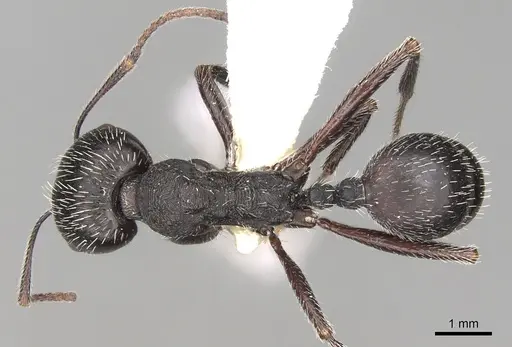
CASENT0915451
View on AntWeb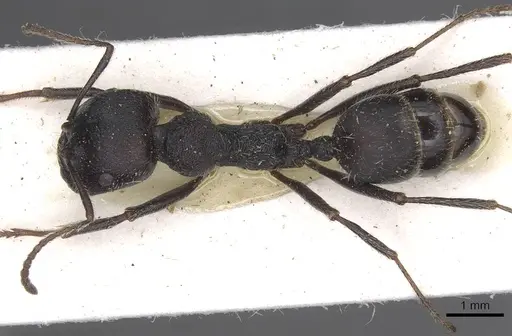
Literature
Loading distribution map...Loading products...