
Messor berbericus
- Sci. Name
- Messor berbericus
- Tribe
- Stenammini
- Subfamily
- Myrmicinae
- Author
- Bernard, 1955
- Distribution
- Found in 2 countries
Introduction
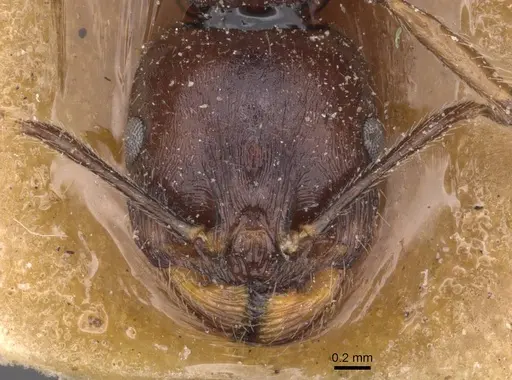
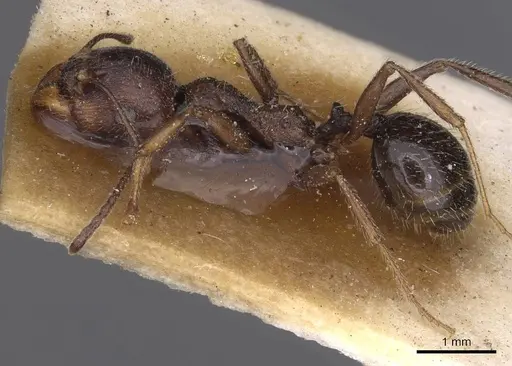
Messor berbericus is a medium-sized harvester ant native to the mountainous regions of North Africa. Workers are black with a smooth, shiny body and distinctive concentric wrinkle patterns on their shoulders. The head becomes smoother toward the back, and the propodeum has a sharp angular shape. This species belongs to the structor group within the Messor genus, known for seed-harvesting behavior . These ants are found at high elevations in Algeria and Morocco, typically between 1300-2400 meters in the Atlas Mountains. They collect and store seeds as their primary food source, making them fascinating to watch as they sort and process their caches.
Quick Summary
- Difficulty: Easy
- Origin & Habitat: Native to the mountainous regions of Algeria and Morocco in the Palearctic region. Found in the Aurès and Belezma mountains in Algeria, and the Middle Atlas, Tazekka, and Bou Iblane regions in Morocco. They inhabit high-elevation areas between 1300-2400 meters, preferring cooler, mountainous environments [3][4][1][2].
- Colony Type: Colony type is unconfirmed for this species. The Messor genus typically has single-queen colonies, but specific data for M. berbericus is unavailable.
- Size & Growth:
- Queen: Size data unavailable, no specific measurements exist for this species. Based on the Messor genus, queens are likely in the 9-12mm range.
- Worker: Size data unavailable, no specific measurements exist for this species. Based on the Messor genus, workers likely range from 4-8mm.
- Colony: Colonies can grow to several thousand workers over several years
- Growth: Moderate, typical for harvester ants
- Development: Development time is unconfirmed for this species. For Messor species generally, first workers typically appear in 6-8 weeks under optimal conditions. (Nanitic workers are smaller than mature workers.)
- Antkeeping:
- Temperature: Keep nest area at 25-28°C for optimal brood development. Room temperature (20-24°C) is acceptable but will slow development. Provide a temperature gradient so ants can choose their preferred zone.
- Humidity: Messor berbericus prefers dry to moderately humid conditions. Keep nest substrate relatively dry with occasional moisture zones. Avoid damp or moldy conditions, these ants come from arid mountain regions.
- Diapause: Yes, as a Palearctic species from high elevations, they require a winter dormancy period. Reduce temperature to 10-15°C for 2-3 months during winter (November-February in the Northern Hemisphere).
- Nesting: Use a dry nest setup. Y-tong (AAC) nests work well, or a naturalistic setup with sand/soil mix. Provide a foraging area with access to seeds and a water source. Ensure good ventilation to prevent mold.
- Behavior: Messor berbericus is a calm but defensive species. Workers are not particularly aggressive but will defend their nest and food stores. They are primarily seed-harvesters but also collect insect prey. Major workers have larger heads for cracking seeds. They are active foragers that search for seeds and bring them back to the nest for storage and processing. Escape risk is moderate, use standard barrier methods but they are not strong climbers.
- Common Issues: mold growth from excessive humidity, keep nest dry, colonies failing to establish if queen is disturbed during founding, winter dormancy problems if temperature is not reduced properly, seed stores going moldy if humidity is too high in foraging area, slow growth can lead to impatience, give them time to establish
Common Problems and Solutions
The most common issues with Messor berbericus are related to humidity. These ants come from dry mountain regions and are highly susceptible to mold. Keep the nest substrate dry and ensure good ventilation. If you see mold growing on seeds or in the nest, immediately clean the affected area and reduce humidity. Another common problem is disturbing the queen during founding, this often leads to colony failure. Leave founding queens completely alone in darkness. Slow growth can also concern new keepers, remember that Messor species grow more slowly than many other ants, and it takes several months to see significant colony growth. Finally, ensure proper winter dormancy, colonies that are kept warm year-round may become stressed and have shorter lifespans.
Frequently Asked Questions
How long does it take for Messor berbericus to have first workers?
First workers typically appear 6-8 weeks after the queen lays eggs, provided the nest is kept at 25-28°C. At cooler room temperatures (20-24°C), this can take 10-12 weeks or longer.
What do Messor berbericus ants eat?
They are seed-harvesters. Offer a variety of seeds like grass seeds, millet, and cracked sunflower seeds. They also eat small insects for protein. Occasional sugar water or honey can be offered as a treat.
Do Messor berbericus ants need hibernation?
Yes, as a Palearctic species from high elevations, they require a winter dormancy period. Reduce temperature to 10-15°C for 2-3 months during winter (November-February).
Is Messor berbericus good for beginners?
Yes, this is a good species for beginners. They are relatively hardy, have straightforward care requirements, and are not aggressive. The main challenges are managing humidity and providing proper winter dormancy.
How big do Messor berbericus colonies get?
Mature colonies can reach several thousand workers over several years of growth.
Can I keep multiple Messor berbericus queens together?
No, Messor berbericus is typically single-queen. Multiple queens will fight. Only keep one queen per colony.
What temperature do Messor berbericus need?
Keep the nest at 25-28°C for optimal development. Room temperature (20-24°C) is acceptable but will slow growth. Avoid temperatures above 32°C.
Do Messor berbericus ants sting?
They can bite if threatened, but they are not aggressive and rarely sting. Their bite is mild and not harmful to humans.
When should I move my Messor berbericus to a formicarium?
Wait until the colony has at least 50-100 workers and the founding test tube is becoming crowded. This typically takes 6-12 months after founding. Make sure the formicarium provides dry conditions and good ventilation.
Why are my Messor berbericus dying?
The most common causes are excessive humidity (leading to mold), disturbing the queen during founding, or improper winter dormancy. Check that the nest is dry, the queen was not disturbed, and that you provided a winter cooling period.
Report an Issue
The current care sheet is based fully on literature. See inconsistencies, or something that's incorrect? Please , it will be resolved after review from an admin. Contributing to the blogs tab also helps providing information, to make us be able to further improve the caresheets. Thank you for your support!
References

This caresheet is licensed under CC BY-SA 4.0 .
Community Blogs
CASENT0913626
View on AntWeb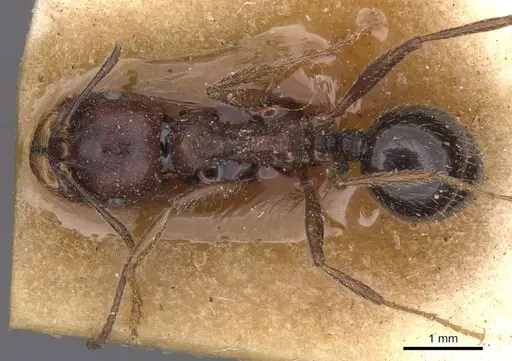
Literature
Loading distribution map...Loading products...