
Messor alexandri
- Sci. Name
- Messor alexandri
- Tribe
- Stenammini
- Subfamily
- Myrmicinae
- Author
- Tohmé & Tohmé, 1981
- Distribution
- Found in 1 countries
Introduction
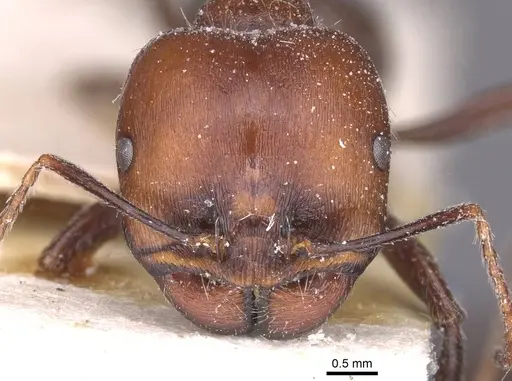
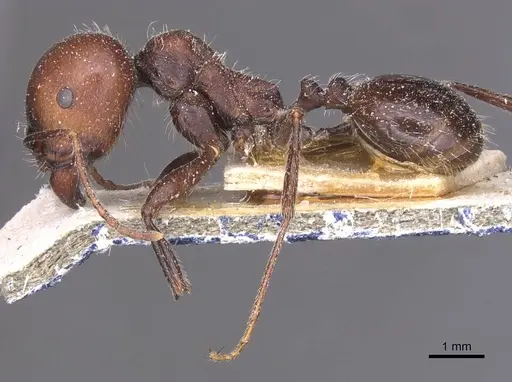
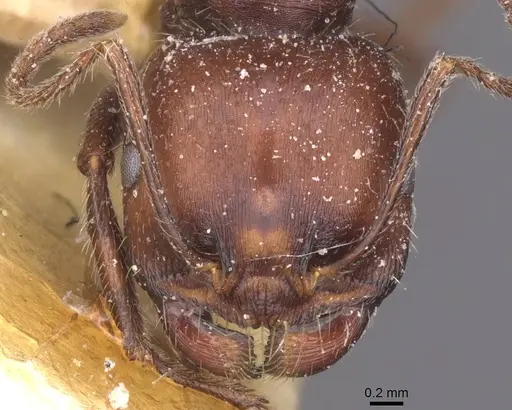
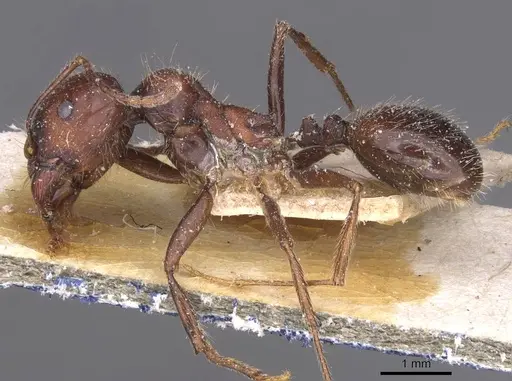
Messor alexandri is a medium-sized seed-harvesting ant native to the eastern Mediterranean and Middle East. Workers are polymorphic, with major workers having notably enlarged heads for seed processing. This species has been recorded in Greece (Dodecanese), Turkey, Syria, Lebanon, Israel, and Iran . In the wild, they nest in soil in open sunny areas like parkland and grasslands with moderate rainfall . They have also been found in rice field margins in northern Iran . The genus Messor is known for polymorphic workers - you'll see both small minor workers and large major workers in the same colony.
Quick Summary
- Difficulty: Medium
- Origin & Habitat: Eastern Mediterranean region, Greece (Dodecanese), Turkey, Syria, Lebanon, Israel, and Iran. They live in parkland and grasslands with moderate rainfall, and have been found in rice field margins in northern Iran [3][4].
- Colony Type: Colony type is unconfirmed. The genus Messor typically has single-queen colonies, but specific data for M. alexandri is unavailable.
- Size & Growth:
- Queen: ~10-12mm, inferred from Messor genus patterns
- Worker: ~4-8mm polymorphic, minor workers 4-5mm, major workers 6-8mm, inferred from Messor genus patterns
- Colony: Up to several thousand workers, typical for Messor species
- Growth: Moderate
- Development: 8-12 weeks estimated at warm temperatures based on genus patterns (Development time varies with temperature, warmer conditions within range speed development)
- Antkeeping:
- Temperature: Keep nest area at 22-26°C. They tolerate a range from roughly 18°C up to 30°C, but avoid extreme heat. A heating cable on one side of the nest creates a comfortable gradient.
- Humidity: Moderate humidity around 50-60%. These ants prefer drier conditions than many tropical species, keep the nest substrate slightly moist but allow it to dry out partially between water additions. They do well in well-drained setups.
- Diapause: Yes, this species originates from temperate Mediterranean climates with distinct seasons. You should provide a winter rest period at 10-15°C for 2-3 months during winter months.
- Nesting: Messor alexandri nests in soil in nature, so they do well in naturalistic setups with soil or sand substrate, or in Y-tong/plaster nests with chambers scaled to their size. They prefer a dry environment but need some moisture for brood care. A formicarium with a deep soil chamber allows them to store seeds.
- Behavior: These ants are generally peaceful and not aggressive toward humans. Workers are active foragers that search for seeds and fallen grains. Major workers use their powerful mandibles to crack seeds open, you may see them carrying seeds back to the nest. They are not known for stinging and pose no danger to keepers. Their escape risk is moderate, use standard barriers but they are not particularly adept at escaping like some tiny species. They are primarily diurnal, foraging during daylight hours when temperatures are warm enough.
- Common Issues: seed storage can mold if kept too wet, ensure proper ventilation and only moisten substrate periodically, colonies may reject offered seeds if unfamiliar, offer a variety to see what they accept, slow initial growth during founding phase can worry beginners, queens raise first workers alone without feeding, winter diapause is essential for long-term colony health, skipping it may weaken the colony, major workers can be startling due to their size but they are not aggressive
Nest Preferences and Housing
In the wild, Messor alexandri nests in soil, typically in open sunny areas with good drainage [3]. For captive care, you have several good options. A naturalistic setup with a soil chamber (formicarium) works excellently, use a mix of sand and soil that holds its shape when tunnels are dug. Alternatively, Y-tong nests with plaster or soil inserts work well. The key is providing a deep enough chamber (at least 2-3cm) for the colony to store their seed caches. Avoid overly humid conditions, these ants prefer drier nests. Place the nest in a warm area of your enclosure, around 24-26°C, with the outworld (foraging area) at room temperature.
Feeding and Diet
As seed-harvesting ants, Messor alexandri has a unique diet compared to most pet ants. They collect seeds and store them in the nest, then process them into a paste using their mandibular glands, this 'ant bread' feeds the colony. Offer a variety of seeds: grass seeds, bird seed mix, millet, and small grains work well. You can also offer small amounts of protein like crushed insects or mealworm pieces, but seeds should be the primary food. Some keepers report their Messor colonies ignore seeds initially if they were raised on protein, offer both and let them choose. Fresh water should always be available. Avoid sugary liquids, these ants are not particularly attracted to sugar like some ant species.
Temperature and Seasonal Care
Messor alexandri does best at warm room temperatures in the low-to-mid 20s°C (22-26°C). They can tolerate brief periods cooler or warmer, but prolonged extremes should be avoided. During summer active months, room temperature is usually sufficient. In winter, you must provide a diapause (winter rest) period, this is essential for the colony's long-term health and mimics their natural seasonal cycle. Reduce temperature to 10-15°C for 2-3 months, typically from late autumn through winter. During diapause, reduce food offerings and keep the nest slightly cooler but not cold. Do not feed during the deepest winter rest. Resume normal feeding and warming when spring arrives.
Behavior and Colony Dynamics
One of the most fascinating aspects of keeping Messor ants is watching their polymorphic workforce in action. Minor workers handle most tasks inside the nest, caring for brood, processing seeds, and tending the queen. Major workers have enlarged heads and powerful mandibles designed for cracking hard seeds. You'll often see major workers at the nest entrance or foraging, their large heads making them unmistakable. Colonies grow steadily over several years, with worker numbers increasing from a handful after founding to hundreds, then thousands. Unlike some aggressive ant species, Messor alexandri is docile and poses no threat to keepers. They are clean ants that maintain their nest carefully.
Frequently Asked Questions
How long does it take for Messor alexandri queens to raise their first workers?
Expect 8-12 weeks from egg to first worker (nanitic) at warm temperatures (24-26°C). The queen raises the first brood alone using stored energy reserves. This initial phase can feel slow, but once workers emerge, growth accelerates.
What do Messor alexandri ants eat?
They are seed-harvesting ants, offer various seeds like grass seeds, bird seed, millet, and small grains. They also accept small protein sources like crushed insects or mealworm pieces. Seeds should be the primary food, the ants process them into a paste inside the nest.
Do Messor alexandri ants need hibernation?
Yes, they benefit from a winter diapause. Reduce temperature to 10-15°C for 2-3 months during winter. This rest period helps maintain colony health and mimics their natural seasonal cycle in the Mediterranean region.
Can I keep multiple Messor alexandri queens together?
No, this species is typically single-queen (monogyne). Multiple unrelated queens will fight. Only keep one queen per colony.
Are Messor alexandri good for beginners?
They are moderate difficulty, easier than some tropical species but require understanding their seed-based diet. If you can provide seeds, a proper nesting area, and winter diapause, they are rewarding. Their slow founding phase tests patience, but major workers are impressive.
How big do Messor alexandri colonies get?
Colonies can reach several thousand workers over several years. Growth is moderate, faster than some slow-growing species but not as rapid as tropical ants.
Do Messor alexandri ants sting?
No, they are not known for stinging and pose no danger to keepers. Their large mandibles are designed for seed processing, not defense. They are docile ants that focus on foraging and seed storage.
When should I move my Messor alexandri colony to a formicarium?
Keep newly caught or young colonies in a test tube setup until they have 20-30 workers. Once the colony outgrows the test tube or you see workers actively foraging and storing seeds, transfer to a proper formicarium with a soil chamber. A small formicarium with a deep soil area works best.
Why are my Messor alexandri not eating the seeds I offer?
They may be adjusting to captivity or prefer different seed types. Try offering multiple seed varieties. Also ensure the nest has proper humidity, too dry and they may not process seeds well. Some colonies ignore seeds initially if raised on protein, offer both options.
What temperature range is best for Messor alexandri?
Keep nest areas at 22-26°C. They tolerate 18-30°C but perform best in the low-to-mid 20s. A gentle temperature gradient lets workers choose their preferred spot. Room temperature is often sufficient during active summer months.
Report an Issue
The current care sheet is based fully on literature. See inconsistencies, or something that's incorrect? Please , it will be resolved after review from an admin. Contributing to the blogs tab also helps providing information, to make us be able to further improve the caresheets. Thank you for your support!
References

This caresheet is licensed under CC BY-SA 4.0 .
Community Blogs
CASENT0913151
View on AntWeb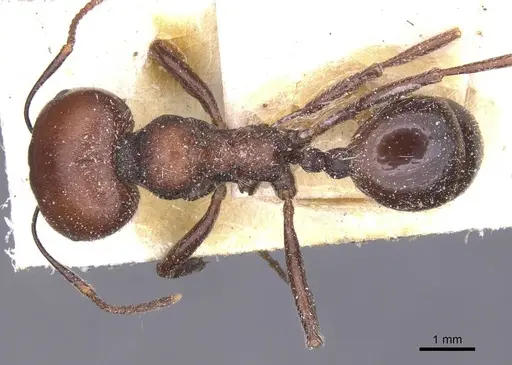
CASENT0913152
View on AntWeb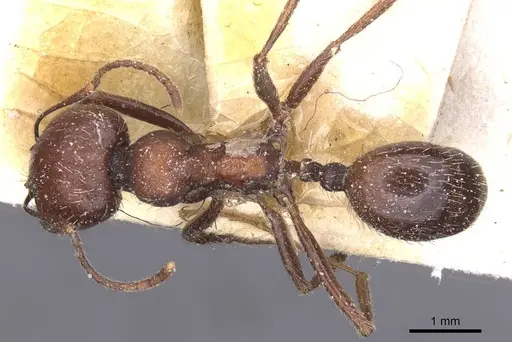
Literature
Loading distribution map...Loading products...