
Meranoplus sylvarius
- Sci. Name
- Meranoplus sylvarius
- Tribe
- Crematogastrini
- Subfamily
- Myrmicinae
- Author
- Boudinot & Fisher, 2013
- Distribution
- Found in 1 countries
Introduction
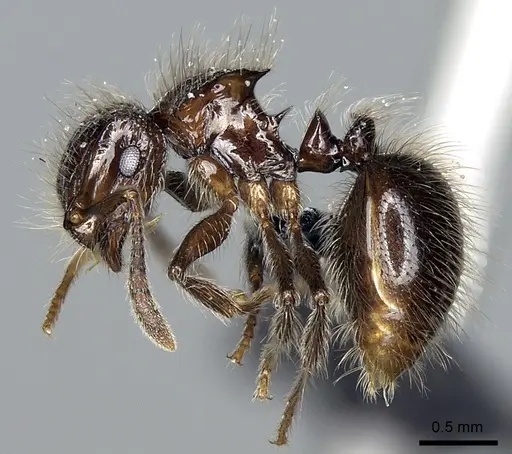
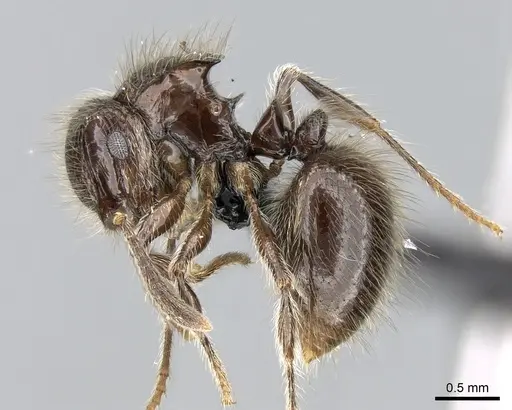
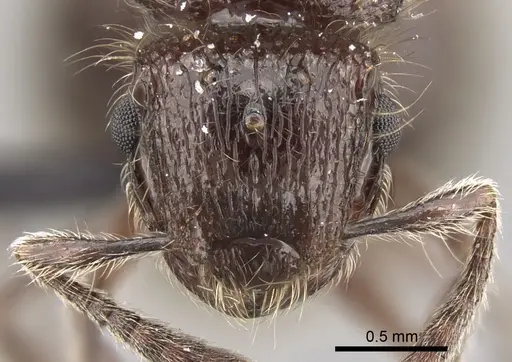
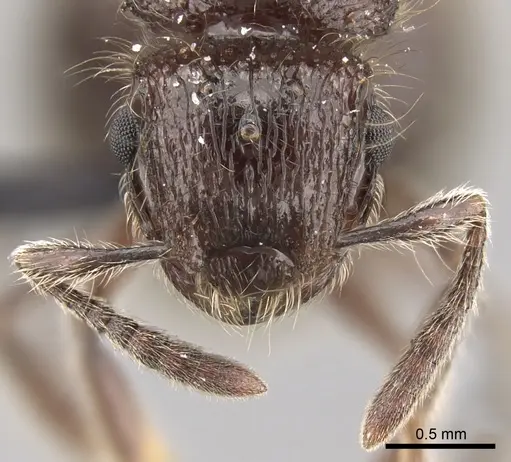
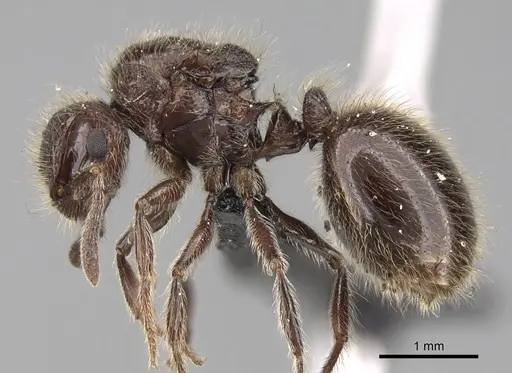
Meranoplus sylvarius is a small ant species endemic to Madagascar, described in 2013. Workers are approximately 2-3mm in total length with a distinctive chocolate brown to almost black coloration . This species is unique among Malagasy Meranoplus for its restriction to rainforest and montane forest habitats - the name 'sylvarius' means 'forester' in Latin, referring to this habitat specialization . Queens are notably larger at around 4-5mm total length and feature the characteristic dark chocolate-brown color with long antennae that help identify this species in the region . The absence of meso- and metatibial spurs is a diagnostic feature unique to this species in all of Madagascar's Meranoplus fauna . This species belongs to the M. nanus species group.
Quick Summary
- Difficulty: Unknown, this is a newly described species with no established husbandry records
- Origin & Habitat: Madagascar, specifically Vevembe in Fianarantsoa province at 600m elevation in rainforest transition to montane forest [1]
- Colony Type: Unknown, colony structure (single-queen or multi-queen) has not been documented
- Size & Growth:
- Queen: Approximately 4-5mm total length, inferred from Meranoplus genus patterns
- Worker: Approximately 2-3mm total length, inferred from Meranoplus genus patterns
- Colony: Unknown, no colony size data available
- Growth: Unknown, development timeline has not been studied
- Development: Unknown, no direct development data exists for this species. (This is a completely unstudied species. No development data is available.)
- Antkeeping:
- Temperature: Inferred from rainforest habitat: aim for 22-26°C with stable conditions. Avoid temperature drops below 18°C.
- Humidity: High humidity required, rainforest species. Keep nest substrate consistently moist but not waterlogged.
- Diapause: Unknown, no documented seasonal behavior. As a tropical rainforest species from Madagascar, they likely do not require a true hibernation period.
- Nesting: No captive nesting observations documented. Based on habitat, they likely prefer humid nest sites with soil. A plaster nest or Y-tong with moisture reservoir would likely suit their needs.
- Behavior: No behavioral observations in captivity have been documented. Based on related Meranoplus species, they are likely ground-nesting and may show moderate foraging activity. Their small size and rainforest origin suggest they prefer humid conditions and may be sensitive to drying. Escape risk is moderate given their 2-3mm body size, standard barrier precautions recommended. Defense mechanism: smear, they have a modified stinger used to wipe venom onto enemies rather than pierce.
- Common Issues: no established husbandry records, this species has never been kept in captivity before, humidity management is critical, rainforest species will likely fail in dry conditions, development timeline unknown makes colony establishment difficult to plan, this species may be difficult to acquire as it's only known from one location in Madagascar, temperature sensitivity, likely cannot tolerate cool conditions
Discovery and Taxonomy
Meranoplus sylvarius was formally described in 2013 by Brendon E. Boudinot and Brian L. Fisher in a comprehensive revision of Madagascar's Meranoplus species [1]. The species name comes from the Latin word 'sylvarius' meaning 'forester', a direct reference to this ant's unique habitat restriction among Malagasy Meranoplus species [1]. This makes it distinctive because all other known Meranoplus species in Madagascar prefer drier, more open habitats, while M. sylvarius is restricted to moist rainforest environments. The type series was collected from a large nest at Vevembe, located in the rainforest transition to montane forest at 600 meters elevation in Fianarantsoa province [1]. This is currently the only known location for this species anywhere in the world.
Identification and Distinguishing Features
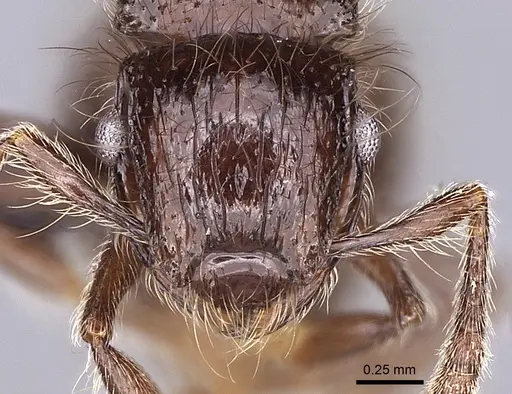
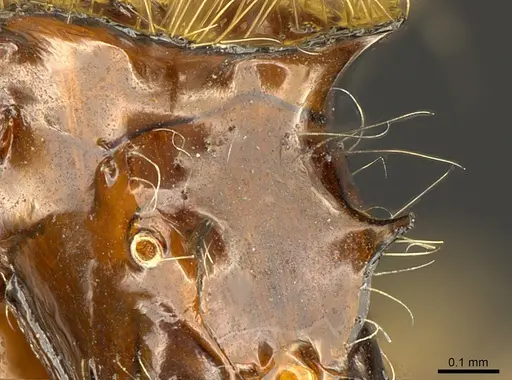
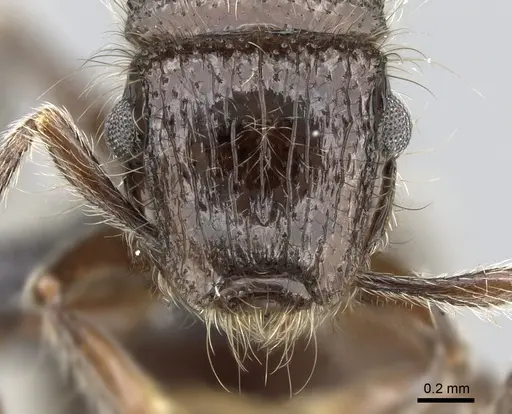
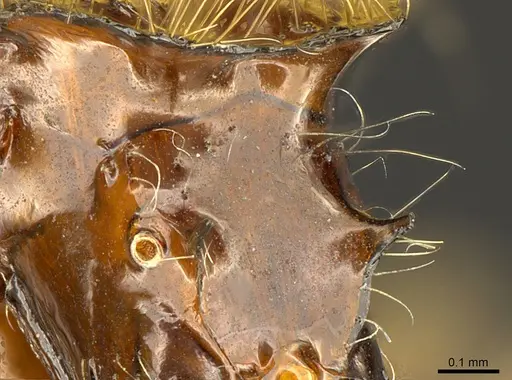
Workers of Meranoplus sylvarius can be identified by their chocolate brown to almost black coloration and the complete absence of meso- and metatibial spurs, a feature found in no other Meranoplus species in Madagascar [1]. They measure approximately 2-3mm in total length and have large eyes relative to their head. The promesonotal shield is longer than broad, and the propodeal spines are thorn-like. Queens are larger at around 4-5mm total length and feature a distinctive combination of stellate setiferous punctures, dark chocolate-brown color, and long antennae that uniquely identify them among Malagasy Meranoplus [1]. The species belongs to the M. nanus species group.
Natural Habitat and Distribution
This species is known only from a single location in Madagascar, Vevembe in Fianarantsoa province [1]. The habitat consists of rainforest transitioning to montane forest at approximately 600 meters elevation [1]. This is highly unusual for Malagasy Meranoplus, which typically prefer drier, more open habitats. The restricted distribution and specialized habitat requirements make this a particularly interesting species for myrmecologists, though it also raises conservation concerns since its entire known range is extremely limited [2]. The rainforest environment provides consistent high humidity and relatively stable temperatures year-round.
Keeping Considerations
Since this species has never been kept in captivity, all care recommendations are educated guesses based on its natural habitat and what is known about related Meranoplus species. As a rainforest-dwelling ant from Madagascar, they will require high humidity and stable warm temperatures, think tropical conditions rather than temperate. The nest should retain moisture well, and you should monitor for drying. Given their small size (workers around 2-3mm), standard escape prevention measures should be adequate, though fine mesh is recommended as a precaution. Feeding would likely follow typical Myrmicinae patterns: protein sources like small insects or commercial ant foods, plus sugar water or honey. However, no specific dietary observations exist for this species. The biggest challenge for prospective keepers is that this species is extremely rare in both the wild and in culture, obtaining a colony would be exceptionally difficult.
Research Gaps
Meranoplus sylvarius represents a species where almost everything about its biology in captivity remains unknown. No scientific papers document colony size, founding behavior, nuptial flight timing, development timeline, or any aspect of its husbandry. This is not unusual for newly described species, particularly from biodiversity hotspots like Madagascar where many species are known only from type specimens. The practical implication is that anyone attempting to keep this species would be essentially pioneering its husbandry from scratch. Careful observation and documentation of any successful colonies would contribute valuable knowledge to both antkeepers and myrmecologists. For this reason, M. sylvarius would not be recommended as a first ant or for beginners, it is best suited for experienced antkeepers interested in working with rare, poorly studied species.
Frequently Asked Questions
How do I keep Meranoplus sylvarius ants?
No established care protocol exists, this species has never been documented in captivity. Based on its rainforest habitat, provide high humidity, warm temperatures (22-26°C), and a moist nest substrate. Start with a small test tube setup and observe colony response.
What do Meranoplus sylvarius eat?
Diet has not been documented. Based on related Meranoplus species, they likely accept protein (small insects) and sugar sources. Offer varied foods and observe acceptance.
How long does it take for Meranoplus sylvarius to develop from egg to worker?
Unknown, no development data exists for this species.
Are Meranoplus sylvarius good for beginners?
No, this species is not recommended for beginners. It is extremely rare, has no established husbandry records, and requires specific rainforest conditions that are difficult to maintain reliably.
Do Meranoplus sylvarius ants sting?
Stinging ability has not been documented. Most small Myrmicinae have stingers but are too small to penetrate human skin effectively. Based on related species, any sting would likely be mild.
Where does Meranoplus sylvarius come from?
This species is endemic to Madagascar, known only from Vevembe in Fianarantsoa province at 600m elevation in rainforest/montane forest habitat.
Can I keep multiple Meranoplus sylvarius queens together?
Unknown, colony structure has not been documented. Do not attempt combining unrelated queens without evidence they will accept each other.
What is the colony size of Meranoplus sylvarius?
Unknown, no colony size data exists in scientific literature. The type series was collected from a large nest, but exact numbers were not specified.
Do Meranoplus sylvarius need hibernation?
Unknown, no seasonal behavior documented. As a tropical rainforest species, they likely do not require true hibernation but may reduce activity during cooler periods.
Is Meranoplus sylvarius available for sale?
Extremely unlikely, this is one of the rarest ant species in the hobby, known from a single location in Madagascar. It is not currently in commercial ant culture.
Report an Issue
The current care sheet is based fully on literature. See inconsistencies, or something that's incorrect? Please , it will be resolved after review from an admin. Contributing to the blogs tab also helps providing information, to make us be able to further improve the caresheets. Thank you for your support!
References

This caresheet is licensed under CC BY-SA 4.0 .
Community Blogs
CASENT0317529
View on AntWeb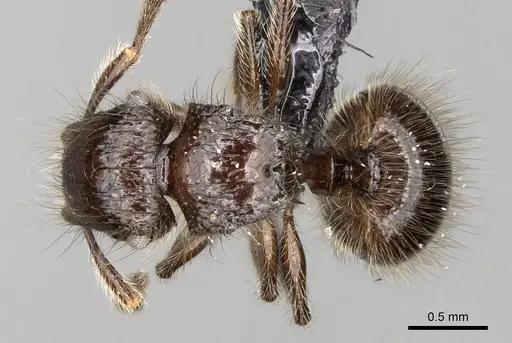
CASENT0317539
View on AntWeb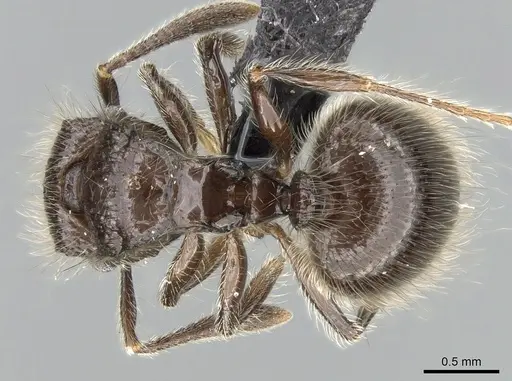
CASENT0317566
View on AntWeb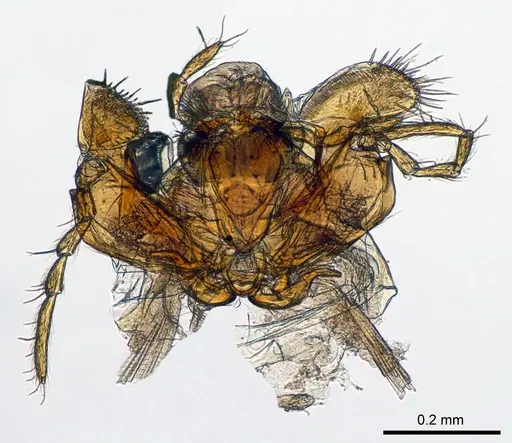
CASENT0317567
View on AntWeb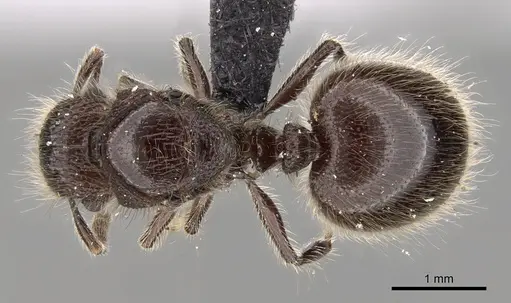
Literature
Loading distribution map...Loading products...