
Furry Cautious Ant
Meranoplus peringueyi
- Sci. Name
- Meranoplus peringueyi
- Tribe
- Crematogastrini
- Subfamily
- Myrmicinae
- Author
- Emery, 1886
- Common Name
- Furry Cautious Ant
- Distribution
- Found in 1 countries
Introduction
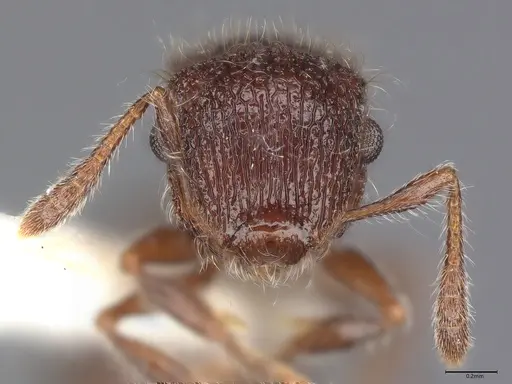
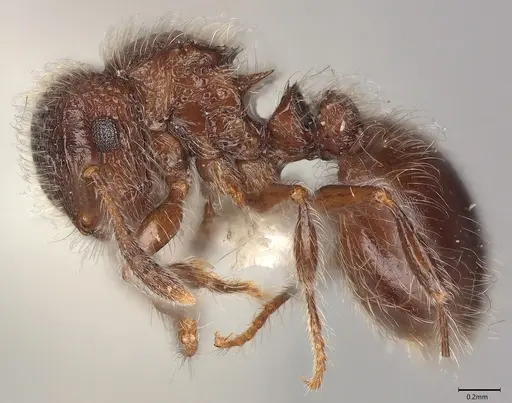
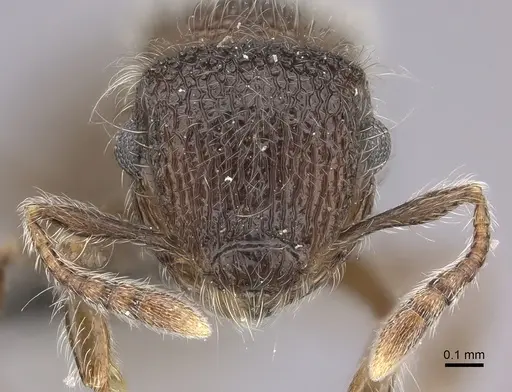
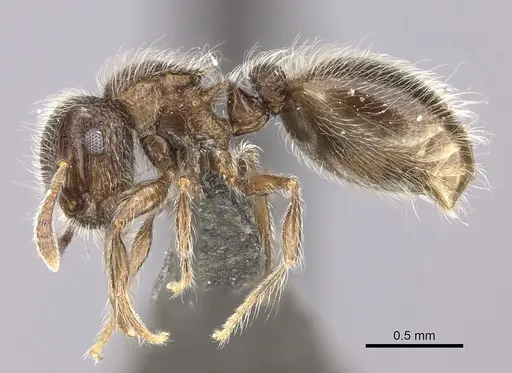
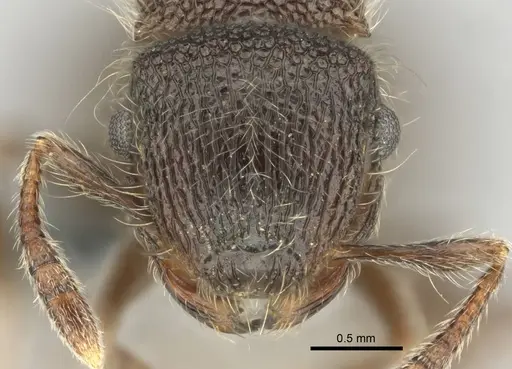
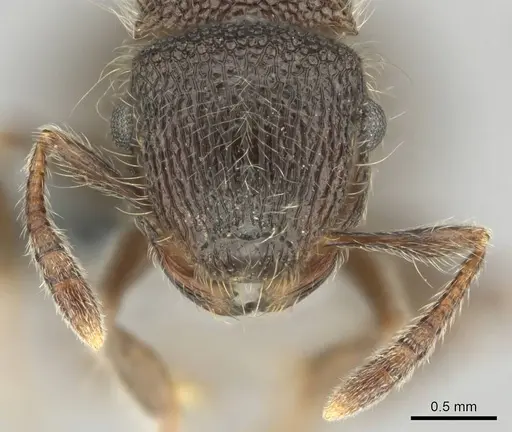
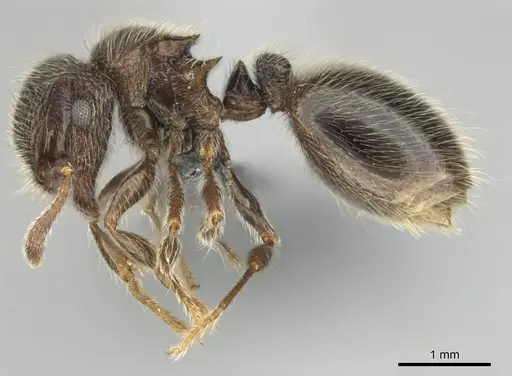
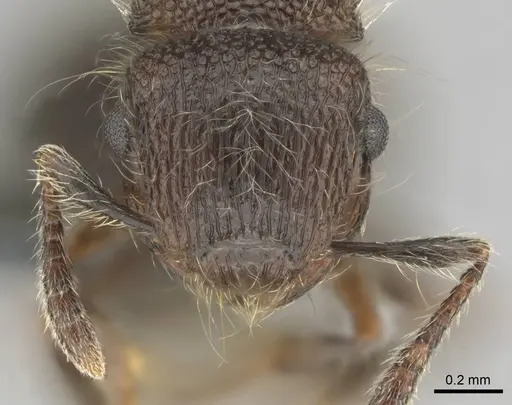
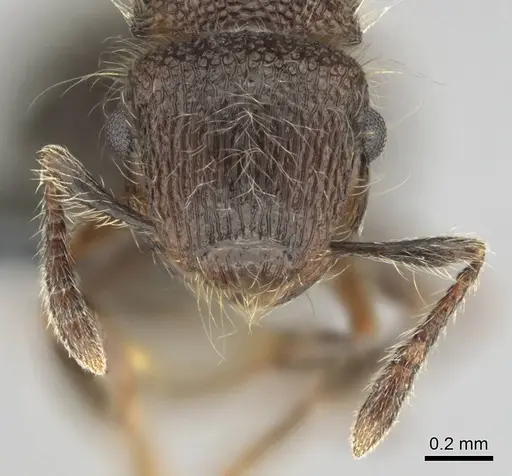
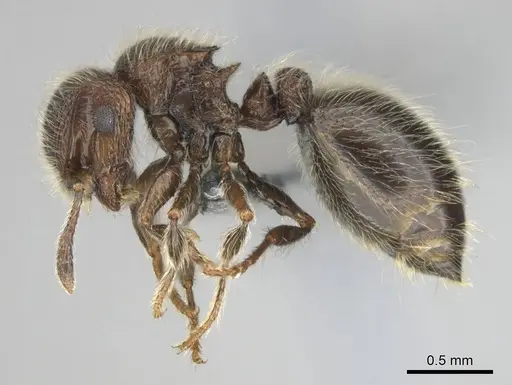
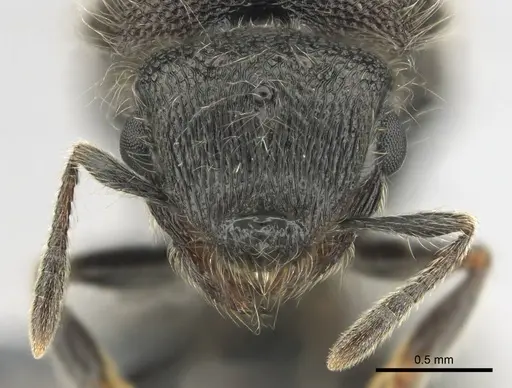
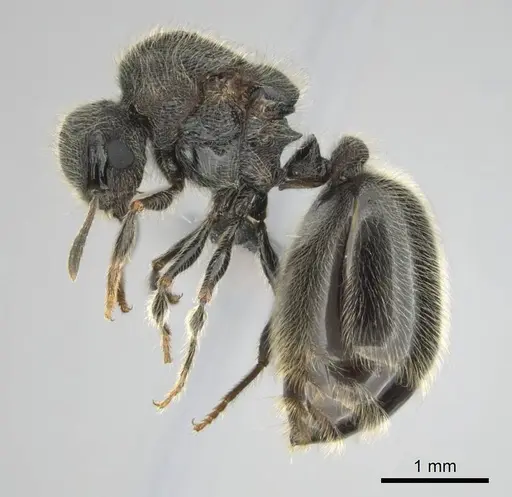
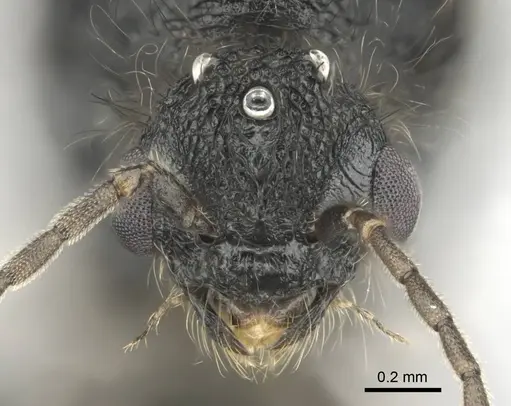
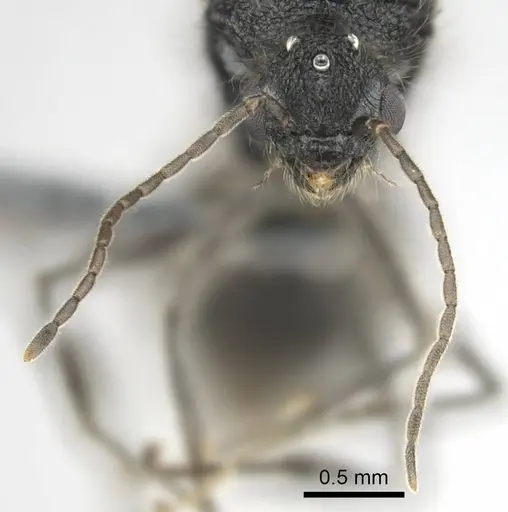
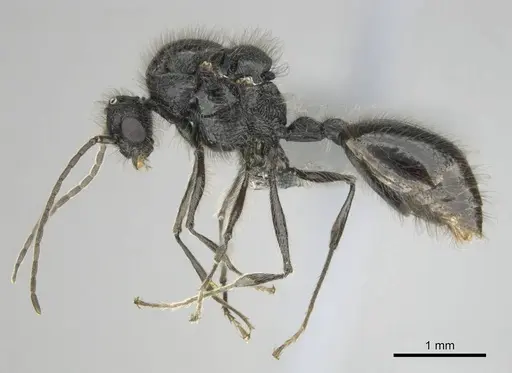
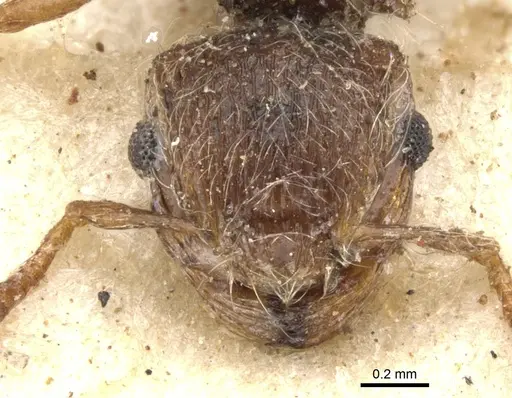
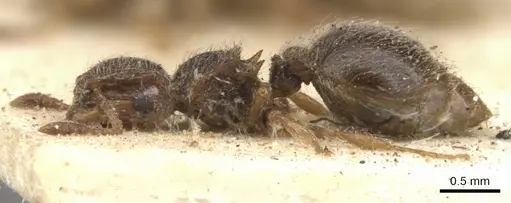
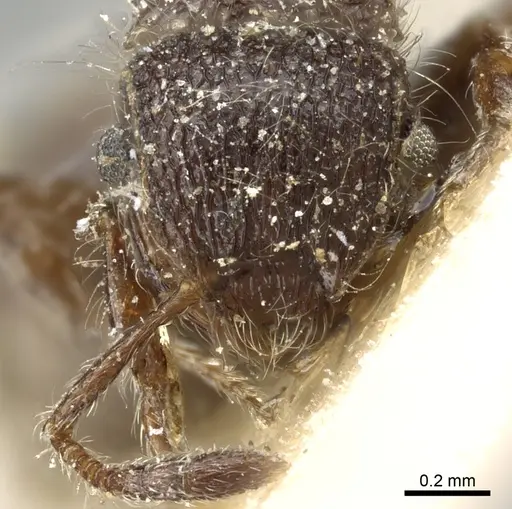
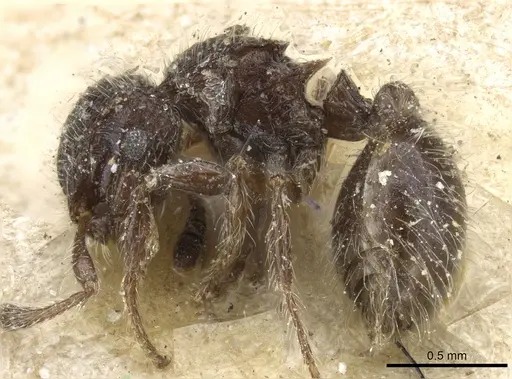
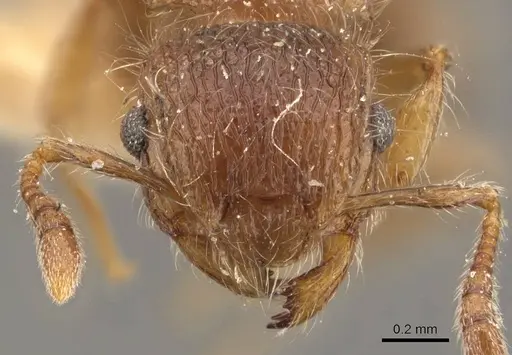
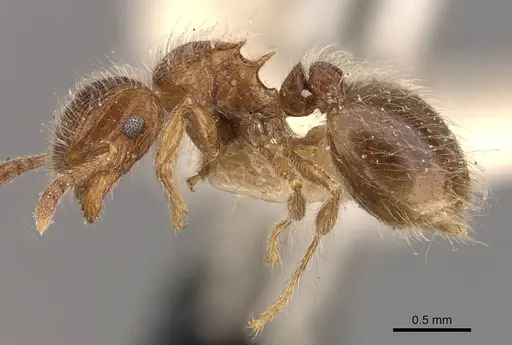
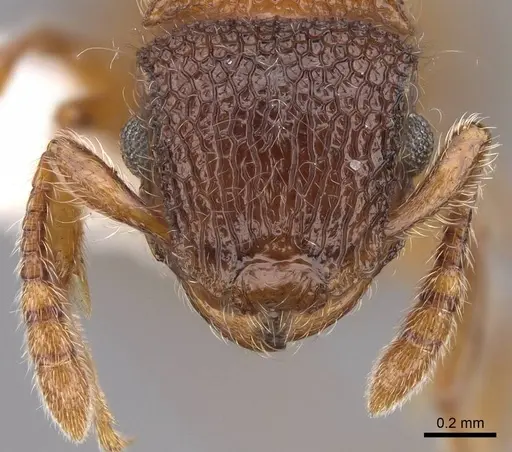
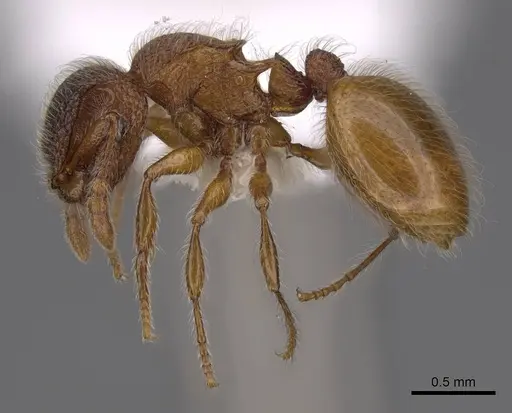
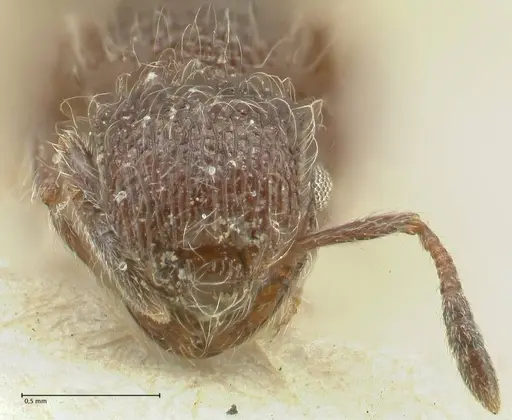
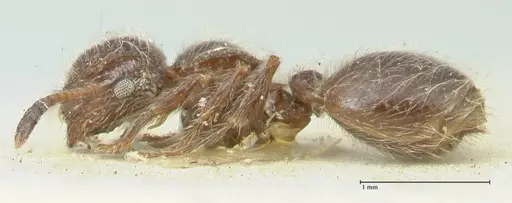
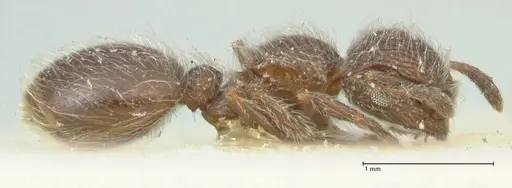
Meranoplus peringueyi is a small myrmicine ant native to southern Africa, specifically South Africa and Lesotho. Workers are compact ants with a distinctive short, broad mesosoma and a relatively large gaster. They belong to the genus Meranoplus, which is known for their somewhat flattened body shape and often glossy appearance. This species is part of the M. magrettii-group and is confined to southern African savannahs and fynbos grassland ecosystems . This species shows remarkable persistence in invaded landscapes - it is actually more abundant in areas invaded by the invasive Argentine ant (Linepithema humile) than in non-invaded sites . This makes it an interesting subject for studying ant community dynamics. Additionally, M. peringueyi participates in seed dispersal, transporting seeds into their nests, which plays a role in ecosystem function .
Quick Summary
- Difficulty: Medium
- Origin & Habitat: Southern Africa, found throughout South Africa and Lesotho in fynbos and grassland ecosystems. This species is confined to southern African savannahs and is classified as a Tropical Climate Specialist [1][5]. It is commonly found in control sites of rehabilitated grassland areas and natural habitats [6].
- Colony Type: Monogyne, single queen colonies. Workers are not totipotent (cannot become replacement reproductives) [7]. Mating behavior shows monandry, queens mate with a single male [7].
- Size & Growth:
- Queen: Size data unavailable, inferred from Meranoplus genus (~5-6mm)
- Worker: Size data unavailable, inferred from Meranoplus genus (~4-5mm)
- Colony: Field studies show 5-42 foragers in invaded sites and 0-22 in non-invaded sites [4]. Full colony size at maturity is unknown.
- Growth: Unknown, not specifically documented in research
- Development: Unknown, development timeline has not been documented for this species (Warmer temperatures within their range would likely accelerate development.)
- Antkeeping:
- Temperature: Keep at 22-26°C, they are Tropical Climate Specialists and prefer warmer conditions [5]. A gentle gradient with a warm side around 26°C and cooler area around 22°C allows colony choice. Avoid temperatures below 18°C.
- Humidity: Moderate humidity, they inhabit savannah and fynbos regions which have dry summers but some moisture. Keep nest substrate lightly moist but allow to dry slightly between waterings. Provide a water tube but avoid saturated conditions.
- Diapause: Likely a minor slowdown during winter months but not a true diapause, southern African ants from this region may reduce activity in cooler months without full hibernation. Keep at 18-20°C during winter if colony shows reduced activity.
- Nesting: In nature they nest in soil and under stones in grassland and savannah habitats. In captivity, a Y-tong (AAC) nest or test tube setup works well. Provide compact chambers and a small outworld.
- Behavior: This species is relatively peaceful and not particularly aggressive. Workers are active foragers that search for seeds and small insects. They show interesting persistence in invaded areas, suggesting they can coexist with aggressive invasive species. They are seed dispersers, collecting seeds and transporting them into the nest [3]. Workers are moderate in size and can squeeze through small gaps, escape prevention should be good. They belong to the Myrmicinae subfamily which uses a smear defense mechanism (wiping venom onto enemies rather than stinging).
- Common Issues: moderate growth rate may test keeper patience, avoid overfeeding which causes mold, small size means escape prevention should be taken seriously despite docile nature, seed-eating behavior means excess seeds in nest can mold, clean occasionally, warmer temperatures required, cold kills colonies faster than other issues, limited availability in antkeeping trade since they're not commonly kept
Housing and Nest Setup
Meranoplus peringueyi does well in standard formicarium setups. A Y-tong (AAC) nest with compact chambers works well given their moderate colony size. Test tube setups are also suitable for founding colonies. Since they are seed dispersers, providing some sand or soil mix in the outworld allows them to practice natural foraging behaviors. The nest should have chambers sized appropriately for their body size, not too large. A small outworld connected by tubing gives them space to forage. Use escape prevention as they can fit through surprisingly small gaps. [1][3]
Feeding and Diet
This species is omnivorous with a preference for seeds and small insects. In captivity, offer protein sources like small crickets, mealworms, or fruit flies twice weekly. They also accept sugar water or honey occasionally. Their seed dispersal behavior in the wild suggests they may store seeds, you can offer small seeds as enrichment, but remove any that mold. Fresh water should always be available. Their persistence in invaded areas suggests they are flexible foragers who can compete for varied food resources. [3][4]
Temperature and Seasonal Care
As a Tropical Climate Specialist, M. peringueyi requires warmer conditions than many temperate ants. Maintain temperatures between 22-26°C year-round. A heating cable on one side of the nest creates a gradient they can choose between. During winter months in cooler climates, reduce temperature slightly to 18-20°C if the colony shows reduced activity, but do not allow true cold hibernation. Southern African ants from this region are not adapted to freezing temperatures. Watch for clustering near heat sources, this indicates they need more warmth. [5][1]
Behavior and Colony Dynamics
This species forms single-queen colonies with monandrous mating, queens mate with just one male [7]. Workers are not totipotent (cannot become replacement reproductives), so colony survival depends entirely on the queen. They are relatively peaceful and do not show aggressive defense behaviors. Their notable trait is persisting in areas invaded by Argentine ants, this suggests they either avoid direct competition or can coexist through behavioral adaptation. Workers actively disperse seeds, carrying them back to the nest, which contributes to local ecosystem function [3].
Common Keeping Problems
The main challenges with M. peringueyi relate to their specific temperature needs and availability. They require warm conditions, cold drafts or room temperatures below 18°C can stress and kill colonies. Their growth rate is not well documented, which may frustrate beginners expecting predictable development. Escape prevention matters despite their docile nature, they are small enough to slip through standard gaps. Seed-storing behavior can lead to mold if excess seeds are left in the formicarium. Finally, this species is rarely available in the antkeeping hobby since it is not commonly traded. Finding a colony may require connecting with southern African antkeepers or specialized dealers. [4]
Frequently Asked Questions
How long does it take for Meranoplus peringueyi to produce first workers?
Unknown, development timeline has not been documented for this species. Expect several months at warm temperatures based on typical Myrmicinae patterns.
What do Meranoplus peringueyi ants eat?
They are omnivorous. Offer small insects like crickets, mealworms, or fruit flies as protein twice weekly. They also accept sugar water or honey. Their natural seed-dispersing behavior suggests they may show interest in small seeds as well.
Do Meranoplus peringueyi ants sting?
They belong to the Myrmicinae subfamily which uses a smear defense mechanism, they wipe venom onto enemies rather than stinging. They are relatively docile toward keepers.
What temperature do Meranoplus peringueyi need?
Keep them warm at 22-26°C. They are Tropical Climate Specialists and require warmer conditions than temperate ants. A heating cable on part of the nest creates a gradient they can choose between.
Are Meranoplus peringueyi good for beginners?
They are rated as Medium difficulty. They require warm temperatures and have undocumented growth rates. Their docile nature and interesting seed-dispersing behavior make them rewarding for keepers who can meet their temperature requirements.
How big do Meranoplus peringueyi colonies get?
Full colony size at maturity is unknown. Field studies show 5-42 foragers in sampled areas, but these represent forager subsets rather than full colony counts.
Do Meranoplus peringueyi need hibernation?
Probably not a true diapause. They may show reduced activity in cooler months but southern African ants from this region do not require cold hibernation. Simply reduce temperatures slightly to 18-20°C in winter if the colony slows down.
Can I keep multiple Meranoplus peringueyi queens together?
No, this species is monogyne, single queen colonies. Multiple unrelated queens will fight. Only keep one queen per colony.
Why are Meranoplus peringueyi more abundant in invaded areas?
Research shows they persist during Argentine ant (Linepithema humile) invasions in South Africa. They may avoid direct competition by foraging at different times or in different microhabitats. This makes them interesting for studying invasion resistance.
When will Meranoplus peringueyi be available in my country?
This species is rarely traded in the antkeeping hobby. It is native to South Africa and Lesotho, so availability is limited to those regions or specialized importers. Check with exotic ant dealers or southern African antkeepers.
Report an Issue
The current care sheet is based fully on literature. See inconsistencies, or something that's incorrect? Please , it will be resolved after review from an admin. Contributing to the blogs tab also helps providing information, to make us be able to further improve the caresheets. Thank you for your support!
References

This caresheet is licensed under CC BY-SA 4.0 .
Community Blogs
CASENT0100863
View on AntWeb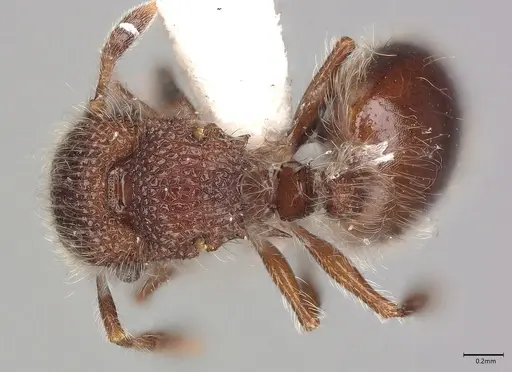
CASENT0235914
View on AntWeb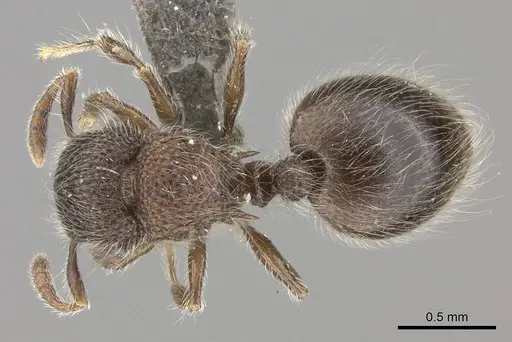
CASENT0259000
View on AntWeb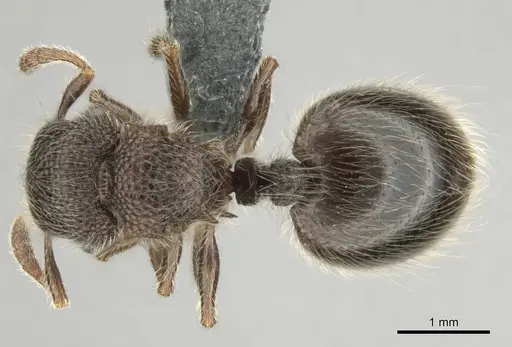
CASENT0813055
View on AntWeb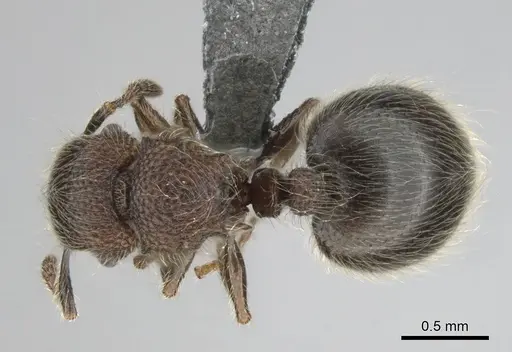
CASENT0813056
View on AntWeb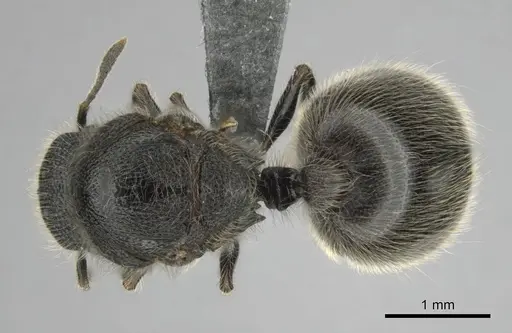
CASENT0813057
View on AntWeb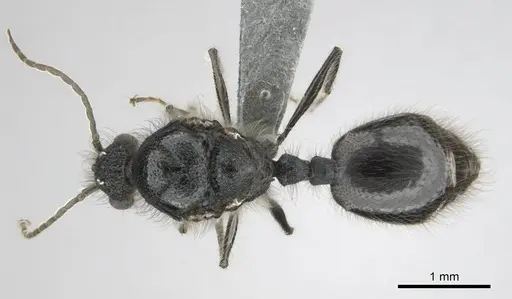
CASENT0902016
View on AntWeb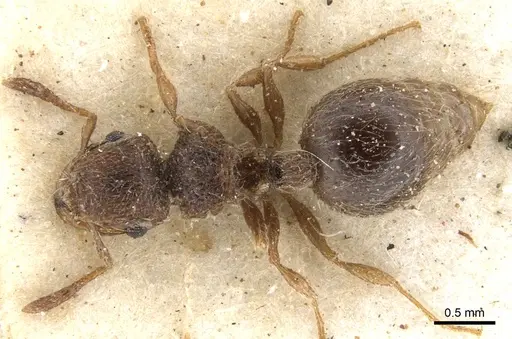
CASENT0904680
View on AntWeb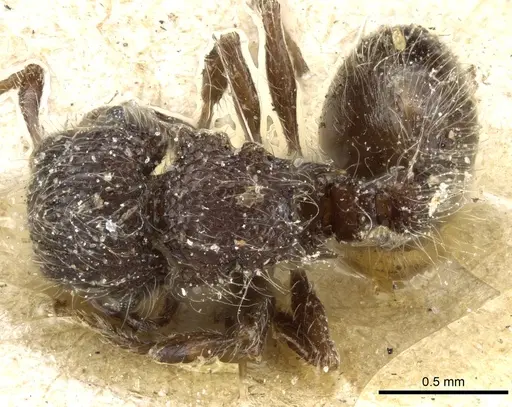
CASENT0908930
View on AntWeb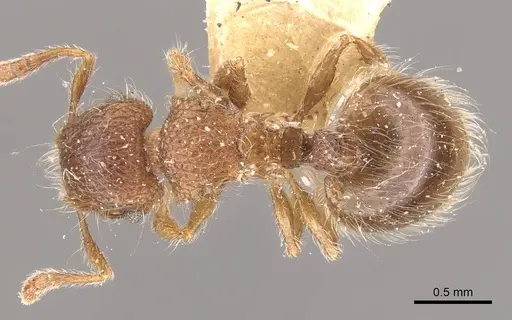
CASENT0922941
View on AntWeb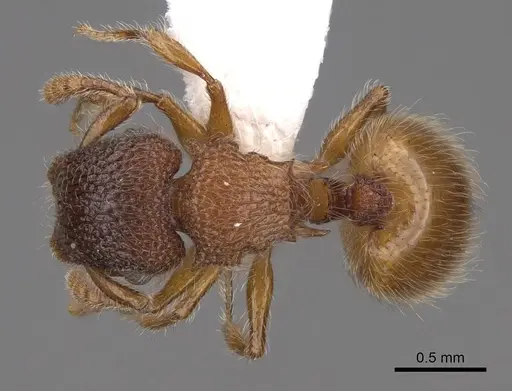
FOCOL1936
View on AntWeb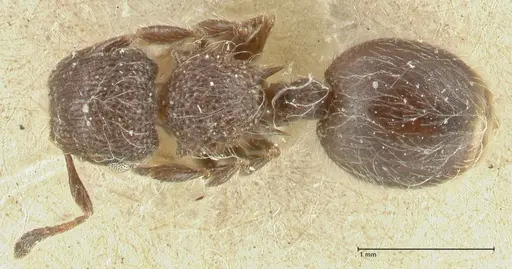
Literature
Loading distribution map...Loading products...